


Creating a Balanced Nutrition Routine for Kids During Winter Break
One of the cornerstones of fostering healthy habits for kids during the winter break at home is establishing a balanced nutrition routine. The colder months pose unique challenges for maintaining nutritious eating patterns, especially when children are home all day with more access to snacks and less structured meal times. Parents can transform these challenges into opportunities to teach children about the importance of good nutrition and how it supports overall wellness.
Understanding that proper nutrition is critical for kids’ immunity during the cold season is the first step. Foods rich in vitamins C and D, zinc, and antioxidants help shield children from common winter illnesses like colds and flu. Incorporating a variety of fruits such as oranges, kiwis, and berries, and vegetables like spinach and sweet potatoes, can provide these vital nutrients. For example, preparing colorful salads or fun fruit smoothies with kids can make eating healthy feel like an exciting activity rather than a chore.
Family mealtime also enhances nutrition and builds lasting habits. Setting consistent meal and snack times helps regulate children’s appetite and energy levels throughout the day. It also creates a natural routine that fosters mindful eating, preventing the tendency to graze mindlessly. Creating rules such as “no screens at the table” can encourage kids to focus on the meal and family interaction, promoting better digestion and emotional wellness. Parents can explore diverse cuisines during this time, allowing the family to learn about different cultures while expanding the child’s palate.
Moreover, involving kids in meal planning and preparation increases their enthusiasm for nutrition. Engaging children in tasks like washing vegetables, measuring ingredients, or setting the table instills a sense of responsibility and achievement. For instance, a child might enjoy selecting fruits for a healthy snack or helping stir ingredients for wholesome soups suitable for winter. This hands-on involvement can make them more likely to try new foods and adopt healthy eating patterns long-term.
10 quick checks to spot low-quality supplements before you buy - plus research-backed doses for 12 common ingredients. Free PDF, no spam.
It’s essential, however, to balance nutritious foods with adequate caloric intake to sustain children’s energy levels, especially if they are active or spending considerable time outdoors during sporadic winter breaks. Including whole grains, lean proteins like chicken or legumes, and healthy fats such as avocado or nuts supports brain development and overall vitality. For picky eaters, creative presentations or combining preferred foods with nutritious ones can help bridge gaps without battle or stress.
Lastly, encouraging hydration with water or warm herbal teas, rather than sugary drinks, supports metabolic processes and keeps mucus membranes moist, an important factor in fighting infections. Parents could convert hydration into fun rituals, like special cups or timed drink breaks, reinforcing consistent water intake. Adopting these nutrition strategies not only aids winter wellness but establishes foundational healthy habits kids will carry through to other seasons.

Fun and Effective Exercise Ideas for Kids to Stay Active Indoors and Outdoors
Keeping children physically active during winter break is crucial for their overall wellness and energy balance. Regular exercise boosts mental health, strengthens the immune system, and enhances mood—factors that are indispensable especially when kids spend more time indoors. Finding ways to incorporate movement into daily home activities helps children develop a routine that supports health beyond the flu season.
Outdoor play remains an excellent option, provided that safety and appropriate clothing considerations are met. Bundling kids with layers, waterproof boots, gloves, and hats enable them to enjoy winter activities like building snowmen, sledding, or nature walks—even short ones can infuse fresh air and vitamin D from limited sunlight exposure. These natural activities combine fun with endurance and motor skills development. For families living in less snowy climates, brisk walks or scavenger hunts in local parks can encourage children to explore their environment actively.
Indoor exercises offer diverse ways to keep kids moving regardless of weather. Setting up obstacle courses using pillows, chairs, and toys can provide challenging movements like crawling, jumping, or balancing that engage various muscle groups. Dance parties to favorite tunes or online guided exercise sessions provide joyful movement that kids love. Encouraging children to try yoga or stretching sequences promotes mindfulness and flexibility, linking physical activity with mental relaxation.
To foster a consistent exercise routine, parents might consider embedding physical activities into the family’s daily schedule. For instance, starting the day with 15 minutes of exercise or integrating movement breaks between home activities helps children associate exercise with routine and enjoyment. Celebrating milestones or progress can motivate children to maintain active habits. Integrating expert recommendations for winter wellness supports effective planning that adapts to children’s interests and family lifestyle.
Technology also provides valuable tools when managed appropriately. Interactive video games that require physical participation can bridge screen time with fitness, creating a positive link if balanced with other activities. Parents should aim for variety to keep children engaged and avoid monotony.
Involving children in choosing their preferred types of movement encourages autonomy, making exercise more appealing. Sending children outdoors to collect natural materials for crafts combines physical activity with creativity. Achieving this blend of fun and exercise is key to establishing strong healthy habits that will survive beyond the winter break transition.
Developing Mindfulness and Emotional Wellness Through Winter Break Home Activities
While physical health is essential, cultivating mental wellness during winter break can significantly improve children’s resilience and emotional balance. The slower pace of home life, often accompanied by shorter daylight hours and cold weather, can sometimes result in restlessness or mood fluctuations among kids. Introducing mindfulness practices during this time helps them understand and regulate their emotions.
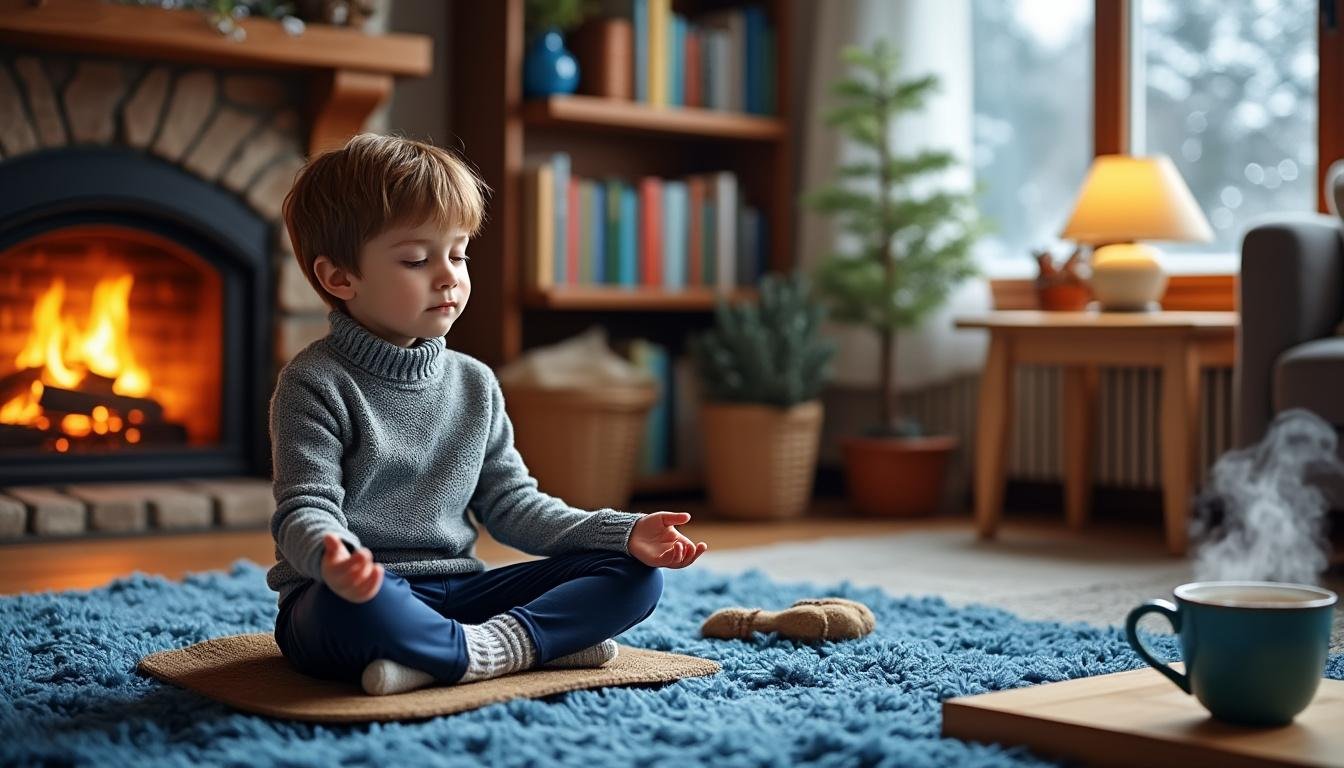
Mindfulness for children involves simple yet impactful practices like focused breathing, guided imagery, or gentle yoga designed for young minds. These exercises encourage awareness of the present moment and develop coping mechanisms for stress and anxiety. For example, a brief daily session where children close their eyes, take slow breaths, and visualize a happy place can bring calmness and improve concentration.
Family time can creatively incorporate mindfulness, nurturing both connection and emotional wellness. Activities such as storytelling sessions where children share feelings or gratitude journaling can help children articulate emotions and foster positive outlooks. Even simple rituals like having a screen-free dinner or a family walk in crisp air can elevate mindfulness by encouraging presence and appreciation.
Home environments can be adapted to encourage relaxation and emotional balance. Creating cozy “mindfulness corners” with soft pillows, calming books, and sensory toys invites children to retreat when overwhelmed. Parents can teach naming emotions and healthy expression through role-playing or arts and crafts. These strategies equip children with lifelong abilities for emotional regulation.
Additionally, limiting excessive screen time plays a critical role. According to guidance on winter wellness for kids, managing screen exposure helps improve sleep quality, mood stability, and attentiveness. Establishing gentle wind-down routines before bedtime—such as reading or storytelling—optimizes rest and reinforces the mind-body connection.
By embracing mindfulness and emotional wellness during winter break, families foster a nurturing atmosphere at home that reinforces healthy mental states. This balanced approach to well-being enables children to develop resilience not only for the winter months but for challenges throughout the year.
Establishing Consistent Routines to Sustain Healthy Habits Beyond the Holidays
Winter break is an opportunity not just for relaxation but for reinforcing healthy habits that can persist well into the new year. Establishing predictable and consistent routines supports children’s physical and emotional regulation, making the transition back to school smoother and promoting wellness continuity.
Setting regular sleep and wake times—even during vacation—prevents disruptions to circadian rhythms. Research highlights how adequate sleep fosters learning, mood stability, and immunity in children. Creating bedtime rituals such as warm baths, dimming lights, or reading stories signal the body to prepare for rest. Parents can personalize these rituals to fit the child’s preferences, ensuring enjoyment and cooperation.
Daily schedules can balance structured activities and free play, blending physical exercise, healthy eating, rest, and mindfulness. For example, mornings might begin with a family walk or gentle stretching session, followed by creative projects or reading, and afternoons could integrate purposeful screen-free play with siblings or outdoor fun if weather permits. This balance enriches children’s days with rhythm and variety.
Breaking down routines into achievable small steps encourages mastery without overwhelming kids. For example, limiting snack intake to designated breaks or tidying up toys after playtime each day can build simple discipline. Positive reinforcement such as praise or reward charts motivates children to stick with these practices.
Parents should remain flexible and patient, understanding that setbacks may occur. Consistently revisiting and adapting routines based on family needs cultivates an environment where kids feel supported to develop their healthy habits. According to expert advice on how to kickstart a routine that lasts beyond January, persistence and gradual change are keys to success.
Finally, involving children in routine planning empowers them to take ownership of their health behaviors and builds essential life skills. These family-centered approaches turn daily living into a cooperative wellness journey rather than a dictated list of rules.
Creative Winter Break Home Activities to Support Child Development and Wellness
Winter break home activities uniquely influence child development by providing opportunities for growth in cognitive, social, and emotional domains. Caregivers can curate diverse activities that blend creativity, physical engagement, and learning while keeping children stimulated and well throughout the season.
Crafting projects provide not only an outlet for artistic skills but also fine motor development and problem-solving abilities. Simple activities like making paper snowflakes, designing greeting cards, or constructing DIY bird feeders connect children with the winter theme and nature. Parents should aim to include materials that support texture exploration, color recognition, and sequencing skills, tailored to the child’s age and interests.
Storytelling and reading sessions enhance language acquisition and empathy. Choosing books related to seasons or emotional themes can spark discussions about feelings, family, and traditions, enriching the child’s social understanding. Interactive reading, where children predict outcomes or act out scenes, deepens engagement and comprehension.
Incorporating educational games or puzzles nurtures critical thinking and patience. Parents can select board games or apps suited for family interaction and learning fun facts about nutrition,身体活动, or mindfulness. Additionally, simple science experiments—like observing how water freezes or baking bread—blend sensory experience with scientific curiosity.
Encouraging cooperative play with siblings or friends strengthens social skills such as sharing, empathy, and communication. Winter-themed scavenger hunts or building indoor forts promote teamwork and problem-solving in informal settings.
Finally, parents can intentionally integrate wellness lessons into activities by discussing the importance of hygiene, balanced meals, or exercise within the play context. This holistic strategy aligns with recommendations to support children’s development during winter break without pressure or reliance on screens, ensuring a nurturing and balanced environment.
Some useful ideas for winter break activities that adapt well to different family settings include:
- Indoor scavenger hunts focusing on mindfulness and observation skills
- Cooking simple healthy recipes together
- Yoga or stretching routines for kids
- Gardening indoors with herbs or houseplants
- Winter-themed science experiments and craft projects
- Family game nights to strengthen social bonds
By initiating these enriching home activities, parents foster development and embed healthy habits that nurture well-being beyond the holiday season.
Explore more health and wellness activities for kids to inspire your winter break planning.
How can parents ensure kids stay hydrated during winter break?
Parents should encourage regular water intake by setting reminders, offering appealing cups, and substituting sugary drinks with herbal teas or warm water. Making hydration a fun and visible part of daily routine helps children maintain adequate fluid levels even when not feeling very thirsty.
What are the benefits of mindfulness activities for children?
Mindfulness helps children develop emotional regulation, reduce anxiety, improve concentration, and foster a positive outlook. Simple techniques tailored to kids can promote calmness and resilience, especially during the more challenging winter months when mood fluctuations can be common.
How can families manage screen time effectively during winter break?
Setting clear limits on daily screen usage and balancing it with physical activity, creative play, and family interaction supports healthy development. Creating screen-free zones such as the dining area and encouraging screen-free activities can also help maintain a balanced routine.
Why is involving kids in meal preparation beneficial for their nutrition?
Kids who participate in cooking are more likely to try new foods, learn about nutrition, and develop a positive relationship with healthy eating. It builds confidence and responsibility, making nutrition education practical and engaging during the winter break.
What types of indoor physical activities are suitable for kids in winter?
Indoor activities such as obstacle courses, dance sessions, yoga, and interactive fitness games provide varied and enjoyable ways for kids to stay active when outdoor play isn’t feasible. These exercises build strength, coordination, and endurance while sustaining healthy movement habits.
10 quick checks to spot low-quality supplements before you buy - plus research-backed doses for 12 common ingredients. Free PDF, no spam.
