


As the new school year approaches, parents everywhere prepare to guide their children through a pivotal phase filled with learning opportunities, social experiences, and personal growth. More than just packing backpacks with supplies from trusted brands like Staples and organizing scholastic tools from Scholastic and Crayola, the foundation for a successful school year truly starts with you—the parent. With classrooms bustling full of energy and interaction, your role extends beyond academics, encompassing health, well-being, and emotional support. Developing routines that promote physical health, mental resilience, and effective communication can empower your child to navigate school life confidently. Key strategies are not only about academic success but also about fostering lifelong healthy habits, balancing screen time with physical activity, and creating a home environment conducive to learning and relaxation.
Research and expert recommendations continue to emphasize the importance of protective health measures such as proper hand hygiene, balanced nutrition, and ample rest. Educational tech platforms like Khan Academy and LeapFrog have become invaluable complements to traditional learning, allowing children to extend their classroom knowledge in engaging ways at home. Meanwhile, communication tools like ParentSquare enhance the connection between parents and schools, fostering community and collaboration.
Embracing these multifaceted roles, parents can set their children up for a healthy, fulfilling, and academically fruitful school year. This article explores comprehensive tips targeting health, mental well-being, organization, and parent-teacher collaboration, all crucial in charting the path to success.
Essential Health Habits to Prevent Illness During the School Year
One of the most challenging aspects of the school year is managing the risk of common illnesses that spread rapidly in classroom settings. Children interact closely in classrooms, cafeterias, and playgrounds, which increases their exposure to germs. However, simple preventive measures can substantially reduce the likelihood of your child catching and spreading infections.
10 quick checks to spot low-quality supplements before you buy - plus research-backed doses for 12 common ingredients. Free PDF, no spam.
Mastering Handwashing Techniques
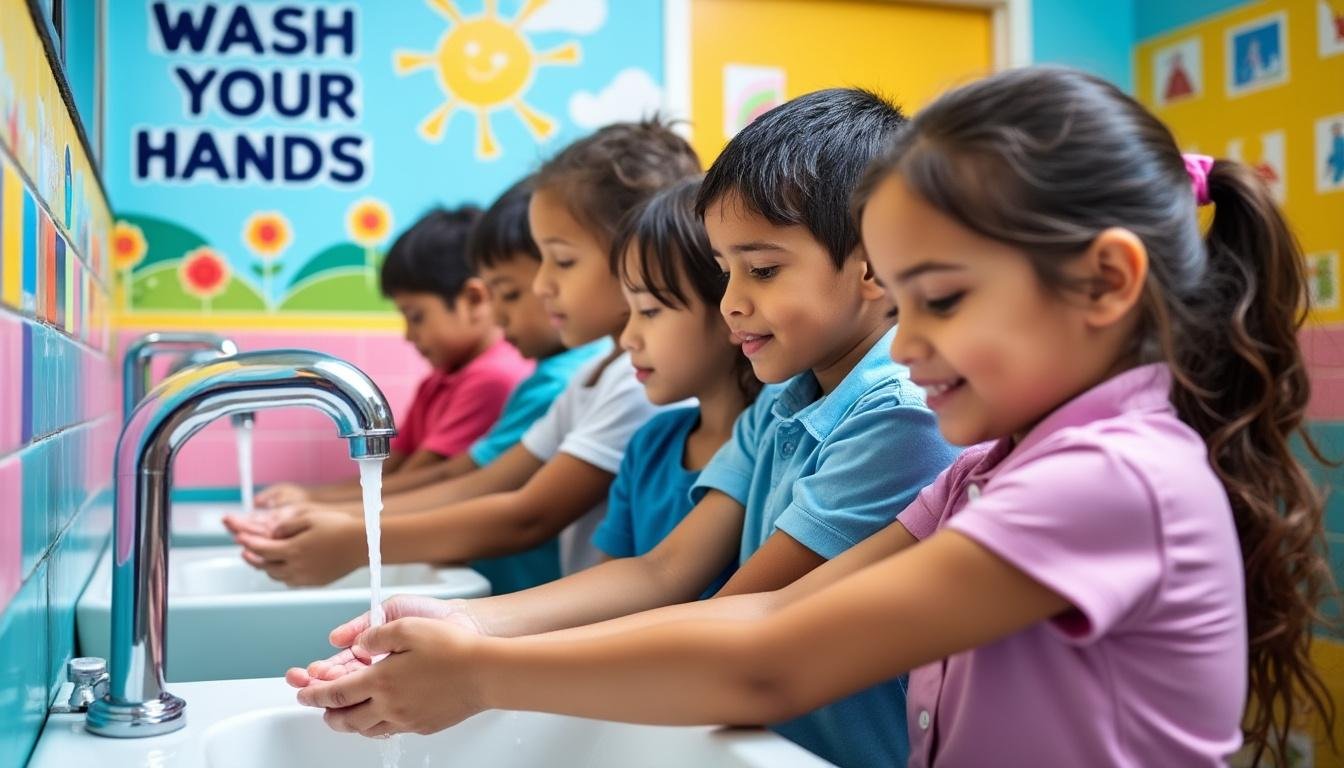
Proper handwashing is the cornerstone of disease prevention. Teaching your child to wash their hands thoroughly with soap and warm water for at least 20 seconds—roughly the time taken to sing “Happy Birthday” twice—can reduce the transmission of bacteria and viruses dramatically.
- Make it a ritual for your child to wash hands after using the restroom, before meals, after coughing or sneezing, and upon returning home from school.
- Use engaging reminders, such as colorful songs from Crayola or fun stopwatch apps, to ensure they meet the 20-second guideline.
- Incorporate habits of hand hygiene around communal surfaces like desks, doorknobs, and playground equipment.
| When to Wash Hands | Reason | Recommended Method |
|---|---|---|
| After restroom use | Prevent fecal-oral transmission | Soap and water for 20 seconds |
| After coughing or sneezing | Remove respiratory droplets | Soap and water or hand sanitizer |
| Before eating | Avoid ingesting germs | Soap and water for 20 seconds |
| After playing outdoors | Remove dirt and potential pathogens | Soap and water |
Practicing Respiratory Etiquette
Your child should learn to cough or sneeze into their elbow rather than their hands to limit germ spread. When tissues are used, they must be disposed of immediately, followed by handwashing or sanitizer application.
- Encourage your child to keep their hands away from their face to prevent germs entering through the eyes, nose, or mouth.
- Use playful guides or games from platforms like Backpack Heroes that incentivize good hygiene practices.
- Collaborate with teachers to integrate respiratory etiquette education early in the academic year.
Nutrition and Physical Activity: Foundations for Lifelong Health
Well-balanced nutrition and daily physical activity are vital pillars helping children build immunity and concentration. When children consume nutritious foods and engage in active play, they more likely excel academically and emotionally.
Planning Nutritious Meals That Support Immune Health
Schools and parents alike can work together to deliver diets that enhance immune function and sustain energy. Incorporating fresh fruits, vegetables, whole grains, and lean proteins ensures children get vital vitamins and minerals.
- Pack lunches with colorful, nutrient-dense crops – such as carrots, apples, and leafy greens.
- Limit processed snacks and sugary items, which can negatively impact immunity.
- Involve children in meal planning through apps or activities promoted by Lunchbox Love, turning eating into a shared, educational experience.
- Refer to guidelines at livewellmagazine.org for detailed nutrition advice suitable for various age groups.
| Food Group | Benefits | Examples |
|---|---|---|
| Fruits & Vegetables | Provide vitamins, minerals, antioxidants | Oranges, berries, broccoli, spinach |
| Whole Grains | Supply energy and fiber | Brown rice, oats, whole wheat bread |
| Lean Proteins | Support muscle growth and repair | Chicken, beans, tofu |
| Dairy or Alternatives | Rich in calcium and vitamin D | Milk, yogurt, almond milk |
Encouraging Regular Physical Activity
Physical exercise influences both the body and mind, reducing stress while promoting stronger immune response. Children should aim for at least 60 minutes of moderate to vigorous activity daily.
- Walking or biking to school when possible to enhance daily movement.
- Engaging in team sports or playground games for social and physical benefits.
- Organizing family exercise times or dance sessions to motivate at-home participation.
- Utilizing resources such as the YMCA’s back-to-school tips for creative activity ideas.

Establishing Routines and Managing Stress for Student Success
Beyond physical health, emotional well-being and structured routines contribute significantly to learning success. Starting the school year with solid habits around sleep, time management, and stress reduction helps children adapt and thrive in school settings.
Prioritizing Sleep and Consistent Daily Schedules
Research indicates school-age children require between 9 and 12 hours of sleep, with teenagers needing slightly less. Healthy bedtime routines optimize sleep quality and long-term academic performance.
- Creating a screen-free hour before bedtime helps minimize blue light disruption, improving sleep onset.
- Maintaining consistent wake-up and bedtime schedules reinforces the body’s internal clock.
- Using calming activities such as reading or listening to soft music to wind down.
- Consulting insights from GreatSchools on crafting effective routines.
Supporting Mental Health and Reducing Anxiety
The transition back to school can evoke mixed emotions. To foster emotional resilience and openness:
- Encourage children to share their concerns about school and social situations openly.
- Teach stress management techniques, including deep breathing and mindfulness.
- Monitor for signs of significant anxiety or mood changes, seeking professional advice if needed.
- Ensure children have ample downtime balanced with academic responsibilities.
| Routine/Strategy | Benefits | Recommended Tools or Platforms |
|---|---|---|
| Consistent Bedtime | Improves quality of sleep and alertness | Khan Academy-friendly bedtime stories |
| Open Communication | Builds trust and emotional support | ParentSquare communication portal |
| Mindfulness Practices | Reduces stress and improves focus | Apps like Calm or Headspace for kids |
Creating a Supportive Educational Environment at Home and School
Parents and educators form a collaborative partnership essential for nurturing student development. Understanding expectations, maintaining open lines of communication, and recognizing when to seek extra help are all influential factors in a child’s academic journey.
Effective Communication With Teachers and School Staff
Attend school open houses and orientations to meet teachers and build rapport early. Services like ParentSquare facilitate continuous dialogue, keeping parents informed of classroom news, homework, and events.
- Respond promptly to teacher communications to demonstrate engagement.
- Inform teachers of changes or conditions affecting your child’s focus or well-being.
- Coordinate with educators if extra academic support via Pearson resources or personalized tutoring becomes necessary.
Setting Up an Organized Homework and Study Space
A distraction-free, well-equipped study zone enhances concentration and learning habits. Partner with educational brands like LeapFrog to provide stimulating, age-appropriate learning tools that encourage independent study.
- Use a sturdy desk and comfortable chair with good lighting.
- Ensure supplies from Staples and Scholastic are accessible and replenished regularly.
- Limit distractions by keeping mobile devices away during study times.
- Encourage breaks and physical activity between study sessions.
Preparing for Special Circumstances: Illness, Mental Health, and Preventive Care
Inevitable challenges such as illness or heightened stress require thoughtful preparation from parents. A proactive approach can mitigate impacts on learning and well-being.
Knowing When to Keep Children Home Sick
Protecting your child and classmates means recognizing when it’s best to stay home. Symptoms such as fever, persistent cough, vomiting, diarrhea, or contagious conditions like conjunctivitis necessitate rest and recovery before returning to school.
- Monitor fever and require at least 24 hours fever-free before resuming school.
- Communicate with healthcare providers or school nurses for tailored return-to-school guidance.
- Employ resources like Franciscan Health’s tips for managing health through the school year.
The Role of Regular Pediatric Care
Routine check-ups with pediatricians ensure your child’s immunizations are current and health status is monitored. These visits provide a forum to discuss growth, nutrition, mental health, and developmental milestones.
| Preventive Care Action | Purpose | Recommended Frequency |
|---|---|---|
| Vaccination Updates | Protect against common infectious diseases | Annual review as per guidelines |
| Well-Child Visits | Assess growth and developmental progress | Every 6-12 months |
| Mental Health Screening | Early identification of emotional or behavioral concerns | During annual visits or as needed |
Trustworthy clinics such as CaroMont Pediatric Partners, located conveniently in cities like Gastonia and Belmont, offer comprehensive care tailored to your family’s needs. Their expert team guides parents in navigating health challenges, ensuring your child thrives through all educational stages.

Frequently Asked Questions About Ensuring a Successful School Year
- Q: How can parents help children maintain healthy habits throughout the school year?
A: Establish consistent routines including proper handwashing, balanced nutrition, sufficient sleep, and regular physical activity. Encourage open communication and incorporate educational tools and games to make habits fun and accessible. - Q: What are signs that a child needs to stay home from school?
A: Presence of fever, vomiting, diarrhea, persistent cough, or contagious infections like pink eye are clear signs a child should remain home until symptoms resolve, generally fever-free for 24 hours. - Q: How can parents support their child’s mental health during the busy school year?
A: Engage in daily conversations about their feelings, teach stress management techniques such as mindful breathing, and observe for changes in behavior that may indicate anxiety or depression requiring professional support. - Q: What role does communication with teachers play in a successful school year?
A: Timely and transparent communication with educators helps address academic or social issues early, builds partnerships, and ensures tailored support for your child’s unique learning needs. - Q: How important is it to create an organized homework space at home?
A: Very important. A dedicated, distraction-free environment equipped with necessary supplies promotes concentration, builds positive study habits, and enhances academic performance.
10 quick checks to spot low-quality supplements before you buy - plus research-backed doses for 12 common ingredients. Free PDF, no spam.

1 Comment
Pingback: Navigating Back to School in Uncertain Times