
Close Menu
    Follow us on Google News
    Follow Livewell Magazine on Google News
    Facebook X (Twitter) Instagram
    LiveWell Magazine
    Facebook
    Follow LiveWell Magazine on Google News
    • Cancer

      The “Silent Killer”: 2 Hidden Signs of Pancreatic Cancer You Can Spot Years in Advance

      April 20, 2026

      Barry Manilow Opens Up About Embracing Healthier Lifestyle Choices During His Cancer Battle

      April 8, 2026

      Healthy Dad’s Unexpected Cancer Diagnosis Revealed After Ignoring Nighttime Bathroom Trips: ‘A Heartbreaking Surprise’

      February 22, 2026

      BREAKING NEWS: Gene therapy for sickle cell disease: a medical breakthrough still out of reach for many

      December 29, 2025

      How Your Drinking Habits Could Significantly Increase Your Cancer Risk

      December 28, 2025
    • Fitness

      At 100, the ‘First Lady of Fitness’ Shares Her Daily Workout Secrets and One Must-Have Food

      April 15, 2026

      How can weighted planks help you elevate your strength and master your core?

      April 14, 2026

      A 65-Year-Old Fitness Trainer’s Guide to Stocking Up on Healthy Foods at Costco

      April 10, 2026

      How many calories do you actually burn by running one mile?

      April 9, 2026

      Biochemist Reveals the Powerful 10-Minute Workout That Keeps the Mind Razor-Sharp All Day

      March 23, 2026
    • Health

      How can better patient-doctor communication help you stay on track with your medication?

      April 8, 2026

      What can an infectious disease doctor’s experiences in Kazakhstan and America teach us about global health?

      April 3, 2026

      Federal Judge Hits Pause on HHS Secretary Kennedy’s Vaccine Policy Overhaul

      March 18, 2026

      Medicare Advantage Shifts: Payments to Plans Increase as Enrollment Hits a New Record

      March 18, 2026

      The battle over “$0 premium” plans: What’s at stake for your healthcare?

      February 19, 2026
    • Lifestyle

      How can you break free from the sitting trap and revitalize your life?

      April 22, 2026

      How can transformative approaches to home life enhance your overall well-being?

      April 17, 2026

      Solo Cooking Simplified: 8 Easy Habits to Eat Healthy When Cooking for One

      April 15, 2026

      Psychology-Backed Habits to Revolutionize Your Money Mindset

      April 11, 2026

      The ‘Healthy’ Habit That Could Be Holding You Back, Reveals New Research

      April 10, 2026
    • Nutrition

      Which 5 delectable fruits packed with potassium can help support your blood pressure?

      April 27, 2026

      What are the surprising benefits of miso soup for your gut, heart, and immune health?

      April 23, 2026

      How can you nourish your gut with delicious choices for a healthier you?

      April 22, 2026

      What are the surprising effects of eggnog on your blood sugar levels?

      April 16, 2026

      How can effective nutrition help you achieve a faster dental recovery?

      April 15, 2026
    • Senior

      Nurturing Your Gut After 50: 7 Essential Habits for Lasting Digestive Wellness

      April 3, 2026

      Nourishing Your Golden Years: 10 Essential Nutrition Habits to Promote Healthy Aging and Maintain Independence After 60

      March 27, 2026

      Wound Care Revolution: How a New Medicare Payment System Aims to Cut Waste in Senior Care

      March 19, 2026

      The $2,000 Cap is Here: How the New Annual Out-of-Pocket Drug Limit Saves Seniors Thousands

      March 17, 2026

      Why Conventional Health Tips Might Shift After Turning 50

      March 15, 2026
    • Trends

      How could the 7 surprising travel trends of 2026 disrupt your wellness plans and how can you navigate them?

      April 15, 2026

      Which innovative skincare trends will shape the industry in 2026 according to Uliana-Sofiia Savchenko?

      April 6, 2026

      Transparency at HHS: How the New “Radical Transparency” Initiative Aims to Expose Big Pharma Conflicts

      March 13, 2026

      How Wearable Technology Could Spark a Revolution in Healthier Living

      February 5, 2026

      Early cholesterol treatment in kids may prevent heart disease for life

      January 28, 2026
    • Wellness

      How can the Michelin-star transformation of Vienna’s hottest hotel enhance your travel wellness?

      April 27, 2026

      What is the power of modern med spa care for your well-being?

      April 24, 2026

      What are the top 10 complimentary activities in Seattle for your well-being?

      April 23, 2026

      Where can you find the ultimate wellness retreat in Mexico for tranquil explorers?

      April 14, 2026

      Lincoln YMCA to Celebrate Healthy Kids Day on April 11 with Free Event Promoting Summer Wellness

      April 12, 2026
    Subscribe
    LiveWell Magazine
    Home»Fitness»The rise of wearable health tech: are smart rings and watches worth it?
    Fitness

    The rise of wearable health tech: are smart rings and watches worth it?

    Amelie GoujonBy Amelie GoujonNo Comments
    Facebook Twitter Email WhatsApp Pinterest LinkedIn Reddit Telegram Threads
    Share
    Facebook Twitter LinkedIn Email Reddit Telegram WhatsApp Threads

    From tracking your sleep to checking your heart rate in real time, wearable health technology has come a long way. Devices like smartwatches and smart rings promise to help you stay on top of your fitness, nutrition, and overall wellness with just a glance at your wrist or finger.

    But how much of that promise holds true when viewed through the lens of medical expertise, nutritional science, and athletic performance? As a doctor, nutritionist, and sports trainer, I’ve evaluated their impact from all three perspectives. Let’s take a closer look at whether these devices are truly game-changers or just clever gadgets.

    Understanding what wearables actually measure
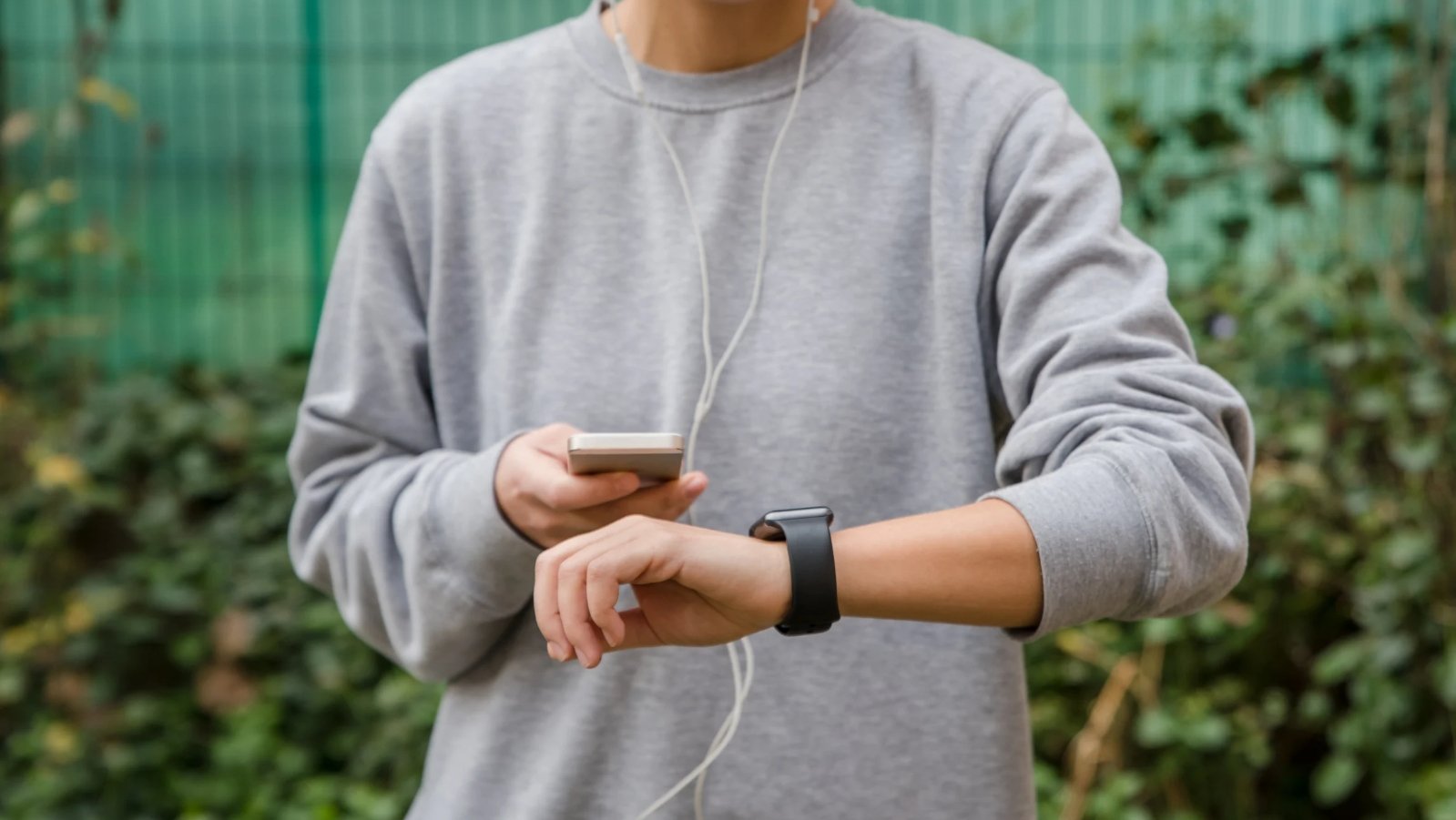
    Wearables like the Apple Watch, Oura Ring, and Fitbit track a range of biometric data: heart rate, heart rate variability (HRV), blood oxygen levels (SpO2), body temperature, and sleep stages. Some also estimate calorie expenditure and offer workout tracking and recovery suggestions.

    From a medical standpoint, these tools can give users early alerts about irregular heart rhythms or oxygen saturation issues. However, while helpful, they are not diagnostic tools. The data is indicative, not definitive. That distinction is crucial for those relying solely on their wearables for health decisions.

    Fitness optimization or data overload?

    As a sports trainer, I see the appeal of tracking heart rate zones, step count, and sleep recovery. These metrics can motivate clients and guide better workout timing and intensity. For example, knowing your HRV can help adjust the training load and avoid overtraining.

    However, not all users know how to interpret the data correctly. Some end up obsessing over numbers without understanding the context. This can lead to burnout or unnecessary anxiety—especially when the device offers feedback that contradicts how the user feels physically.

    Related Article :  The truth about fat: Why your body needs it to stay fit

    Do wearables improve dietary habits?

    From a nutritionist’s view, wearables offer limited but growing support for diet tracking. Many integrate with apps that log meals, estimate calorie needs, and even track hydration. But the precision of such logs relies heavily on user input, not sensor data.

    Still, being aware of your energy expenditure—when combined with mindful eating—can help users maintain or reach healthy weight goals. While the device won’t tell you what to eat, it can offer a real-time reflection of how your body responds to food, sleep, and exercise.

    Are the health insights really accurate?

    Clinical accuracy varies widely across devices. Some, like the Oura Ring, have been studied for sleep tracking with reasonable precision. Others, like entry-level fitness bands, may provide less reliable data. Skin tone, movement, and sensor placement can all affect readings.

    In practice, wearables are best used as trend monitors rather than precise medical instruments. When users treat them as supportive tools instead of health authorities, they can extract real value from their data without falling into a trap of over-reliance.

    Who benefits the most from these devices?

    • Fitness beginners who want motivation and guidance
    • Patients managing chronic conditions like hypertension (with physician support)
    • Busy professionals tracking sleep and recovery for performance
    • Nutrition-conscious users monitoring energy expenditure

    However, individuals with obsessive tendencies, health anxiety, or a history of eating disorders should be cautious. The constant stream of numbers can be mentally overwhelming and counterproductive.

    Choosing the right wearable for your goals

    Before buying a device, define your health goals. Are you focused on athletic recovery, weight loss, sleep quality, or chronic condition monitoring? Not all devices specialize in the same features, and price doesn’t always reflect usefulness for your personal needs.

    Related Article :  Where can you find the ultimate wellness retreat in Mexico for tranquil explorers?

    If sleep optimization is your focus, a smart ring with advanced tracking may be ideal. For general fitness and heart health, a high-end smartwatch may offer better versatility. Just be sure to regularly validate your device’s readings with your body’s real sensations—and if needed, your healthcare provider’s opinion.

    What the science says so far

    While there’s growing research into wearable tech, studies remain mixed. Some suggest improved health engagement and behavioral changes, while others warn about false positives or inaccuracies. The tech is evolving, but it’s not infallible.

    The best outcomes appear when users combine wearables with professional advice and lifestyle change. A smartwatch alone won’t fix poor diet or inactivity—but it might help you stay more aware, consistent, and accountable.

    Smart rings and watches are not magic tools, but when used wisely, they offer meaningful insights into your body and habits. They are most powerful when they support—not replace—medical guidance, personalized nutrition, and sensible training routines.

    Whether you’re a beginner trying to build new habits or a seasoned athlete fine-tuning your performance, wearable health tech can add value. Just remember: it’s a tool, not a solution. Use it smartly, and it may just help you unlock your healthiest self.

    Follow on Google News
    Share. Facebook Twitter LinkedIn Email WhatsApp Reddit Telegram Threads Copy Link
    Previous ArticleWhy hydration is making a huge comeback (and what it means for your health)
    Next Article New insomnia drug shows promise without risk of dependency
    Avatar photo
    Amelie Goujon

    Amélie has been working in the health sector for over 15 years and now serves as an online journalist specializing in healthy living. Her background in healthcare gives her articles a solid foundation of credibility and empathy. Passionate about wellness, nutrition, and prevention, she translates complex medical topics into clear, accessible content for a wide audience. Through her writing, Amélie aims to empower readers to make informed choices and adopt healthier daily habits.

    Continue reading

    How can the Michelin-star transformation of Vienna’s hottest hotel enhance your travel wellness?

    By Amelie Goujon

    What is the power of modern med spa care for your well-being?

    By Amelie Goujon

    What are the top 10 complimentary activities in Seattle for your well-being?

    By Amelie Goujon

    How could the 7 surprising travel trends of 2026 disrupt your wellness plans and how can you navigate them?

    By Amelie Goujon

    At 100, the ‘First Lady of Fitness’ Shares Her Daily Workout Secrets and One Must-Have Food

    By FRANK JOST

    Where can you find the ultimate wellness retreat in Mexico for tranquil explorers?

    By Amelie Goujon

    How can weighted planks help you elevate your strength and master your core?

    By Amelie Goujon

    Lincoln YMCA to Celebrate Healthy Kids Day on April 11 with Free Event Promoting Summer Wellness

    By FRANK JOST

    A 65-Year-Old Fitness Trainer’s Guide to Stocking Up on Healthy Foods at Costco

    By FRANK JOST

    How many calories do you actually burn by running one mile?

    By Amelie Goujon

    The 20-Minute Routine That Could Unlock a Healthier Heart and a Sharper Mind

    By FRANK JOST

    How can celebrating Día de los Muertos at a Mexican-owned resort enhance your cultural wellness?

    By Amelie Goujon
    Add A Comment
    Leave A Reply Cancel Reply

    Subscribe to Our Newsletter

    Join the Live Well Magazine Newsletter and get exclusive tips on health, wellness, lifestyle, and personal growth — straight to your inbox.

    Trending
    Wellness

    How can the Michelin-star transformation of Vienna’s hottest hotel enhance your travel wellness?

    Health & Safety

    When do customized painkillers become essential for your health and recovery?

    Nutrition

    Which 5 delectable fruits packed with potassium can help support your blood pressure?

    Natural Remedies

    Which anti-inflammatory champion reigns supreme for your relief?

    Mental Health

    How can a lost luggage saga and a $2,200 win teach you about managing travel stress and mental wellness?

    Wellness

    What is the power of modern med spa care for your well-being?

    Facebook
    • About us
    • Contact us
    • Contributors
    • Legal
    • Privacy
    © 2026 livewellmagazine.org.

    Type above and press Enter to search. Press Esc to cancel.