

How Coffee Consumption Dramatically Lowers the Risk of Severe Liver Disease
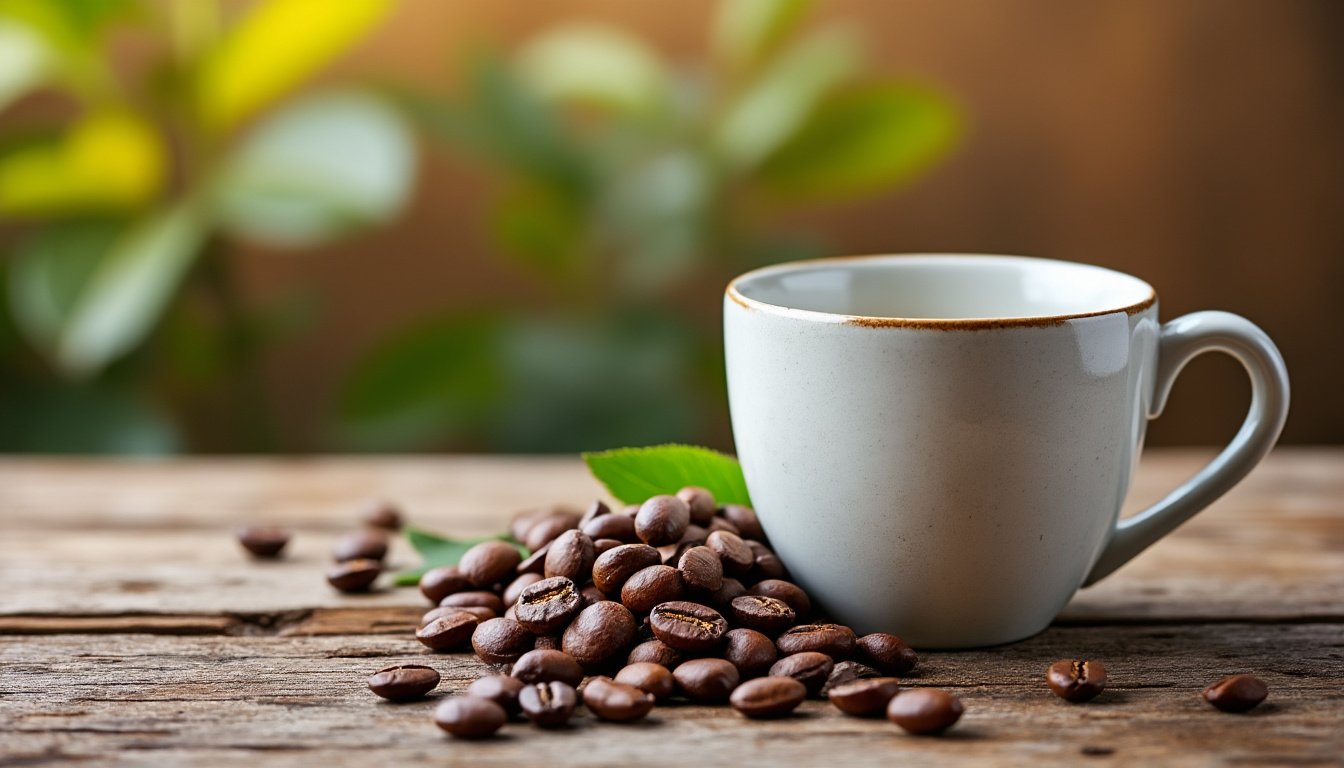
If you start your day with coffee, you may be reaping far more benefits than just a boost in alertness. Recent research highlights that consuming coffee regularly correlates strongly with significant risk reduction in severe liver disease, including cirrhosis and liver cancer. In this large-scale study examining over 350,000 individuals from the UK Biobank, researchers tracked coffee drinking habits and liver health outcomes over a median of 13 years. The findings revealed that people who consumed five or more cups of coffee daily had approximately 32% lower risk of cirrhosis, 47% reduced liver cancer risk, and a 42% decrease in liver-related mortality.
This liver health benefit was observed regardless of whether the coffee was caffeinated or decaffeinated, suggesting that caffeine itself may not be the sole active protector. Instead, other bioactive compounds such as polyphenols and antioxidants present in coffee might play a pivotal role in promoting liver wellness and disease prevention. Moreover, the protective effect was somewhat maintained even when sugar or artificial sweeteners were added, though unsweetened coffee appears to be more favorable for reducing liver inflammation.
Adding further depth, a subgroup of nearly 29,000 participants underwent MRI scans to assess fat and iron accumulation in their livers, crucial risk factors for liver disease. This imaging data showed that habitual coffee drinkers had significantly less hepatic fat and iron buildup, and lower markers of liver inflammation and early fibrosis. Complementarily, blood protein analyses in a different cohort unveiled an internal biological environment in coffee drinkers characterized by proteins indicating healthier liver cell function and diminished fibrosis-related immune activity. This layered evidence compellingly supports coffee’s role as a practical beverage choice in liver disease prevention and overall liver health.
While coffee consumption is far from the only factor influencing liver wellness, these findings urge us to recognize the beverage’s potential as a simple, accessible tool in reducing the risk of severe liver conditions. Coupled with lifestyle measures like limiting alcohol intake, maintaining good nutrition, and managing weight, coffee can fortify a comprehensive liver-friendly regimen backed by cutting-edge 2026 health research.
10 quick checks to spot low-quality supplements before you buy - plus research-backed doses for 12 common ingredients. Free PDF, no spam.
The Biological Mechanisms Behind Coffee’s Liver Protective Effects
To understand why coffee is such a powerful beverage for liver disease prevention, it is critical to explore the biological pathways influenced by its constituents. The research from the UK Biobank and complementary studies offers insight into how coffee might support liver health at a cellular level.
Firstly, coffee contains a rich array of polyphenols—natural plant compounds with strong antioxidant properties. These antioxidants help neutralize free radicals, molecules that can trigger oxidative stress and DNA damage within liver cells. Oxidative damage is a well-known driver of chronic liver inflammation and fibrosis, precursors to cirrhosis and cancer.
Another component includes diterpenes, such as kahweol and cafestol, which have been shown in animal models to inhibit fibrogenesis—the process of scarring that impairs liver function. These compounds may modulate liver enzyme activity, dampen inflammatory signaling, and even improve lipid metabolism, thereby reducing fat accumulation in the liver, a central characteristic of fatty liver disease.
The study’s MRI data indicated that habitual coffee drinkers had reduced hepatic iron levels. This is significant because excess iron in the liver can generate free radicals through the Fenton reaction, amplifying tissue damage. By potentially regulating iron metabolism or promoting its storage in safer forms, coffee may help avert iron-induced toxicity in liver cells.
Furthermore, blood protein profiling elucidated a shift toward biomarkers consistent with healthier hepatocyte function and lowered immune activation linked to fibrosis. This suggests that coffee drinking might help maintain liver cellular integrity and prevent the chronic immune responses that exacerbate liver deterioration. Such findings underscore coffee’s multifaceted influence far beyond mere caffeine stimulation.
It is also intriguing that decaffeinated coffee delivers comparable protection, emphasizing that non-caffeine compounds are responsible for the majority of the liver benefits. This opens promising avenues for expanding coffee-based preventive strategies for those sensitive to caffeine or seeking reduced stimulant intake.
In summary, coffee’s protective effects on liver health arise from complex biochemical interactions that reduce oxidative stress, inflammation, fat and iron accumulation, and fibrotic progression—key drivers of liver disease. These mechanisms, supported by robust human data, make a compelling case for including coffee as an essential component of liver disease prevention protocols.
Practical Guidelines to Maximize Liver Health Through Coffee and Lifestyle Choices
Integrating coffee as a daily habit for reducing liver disease risk is a promising and convenient approach, but some nuances in consumption patterns and complementary lifestyle choices can optimize outcomes. Based on the latest evidence, here are essential recommendations to harness the full potential of coffee for liver health:
- Choose unsweetened or minimally sweetened coffee: Although protective effects persist with sugar or artificial sweeteners, plain coffee is more beneficial for reducing markers of liver inflammation.
- Prefer moderate to high intake within healthy limits: Drinking between three to five cups daily seems most advantageous, but exceeding that heavily is not necessary and individual tolerance should guide consumption.
- Opt for freshly brewed or organic coffee: High-quality beans might contain higher concentrations of protective antioxidants and reduce exposure to harmful contaminants.
- Balance coffee intake with alcohol moderation: Avoiding excessive alcohol remains crucial, as alcohol negatively impacts liver health independent of coffee benefits.
- Complement your coffee habit with proper nutrition: A nutrient-dense diet rich in antioxidants from fruits, vegetables, and whole grains supports hepatic resilience and mitigates fat accumulation.
- Maintain a healthy weight and physical activity: Obesity and sedentary lifestyles are major contributors to fatty liver disease and overall liver dysfunction, counteracting the benefits that coffee brings.
Adopting such strategies aligns well with modern wellness principles emphasizing holistic disease prevention. As detailed by leading health experts in sources like WebMD’s exploration of drinks for fatty liver and recommendations from hepatologists, coffee consumption should be viewed as part of a broader pattern of liver-protective behaviors.
Furthermore, for individuals interested in exploring other supportive beverages, science-backed options such as green tea and beetroot juice also enhance liver enzymes and protect hepatic cells through antioxidant activity, as noted by Harvard-trained specialists in the field. Together, these natural drinks offer a trifecta of nutritional defense for liver wellness.

Distinguishing Between Beneficial and Harmful Beverages for Liver Health
While coffee is increasingly recognized as a liver-friendly beverage, it is equally important to understand which drinks may elevate liver disease risk. In 2026, abundant research corroborates that sugary beverages, diet sodas, and excessive alcohol intake constitute major threats to liver wellness.
For instance, frequent consumption of sugary soft drinks significantly increases the risk of metabolic dysfunction-associated steatotic liver disease (MASLD), formerly known as nonalcoholic fatty liver disease (NAFLD). Studies indicate that as little as nine ounces of sugary beverages daily can raise MASLD risk by up to 50%, while diet sodas are linked with similar increases. These drinks contribute to fat buildup in the liver through high fructose content and other additives, offsetting any benefits from other dietary habits.
Alcohol remains the foremost enemy to liver health, with excessive intake leading to alcoholic liver disease and exacerbating cirrhosis and cancer risks. Even moderate consumption can strain the liver when combined with other risk factors.
Conversely, several drinks have been identified to protect the liver, including:
- Green Tea: Rich in catechins, it improves liver enzyme profiles and reduces inflammation.
- Beetroot Juice: Packed with antioxidants that safeguard hepatic cells from damage.
- Organic Coffee: The premier beverage for reducing fat accumulation and scarring.
- Water: Essential for hydration and supporting metabolic processes in the liver.
Understanding this spectrum of beverages and their effects on liver health encourages conscious, informed choices. Resources such as the NDTV health guide on best and worst drinks for liver provide detailed insights into selecting supportive beverages while limiting harmful ones, fostering long-term wellness and disease prevention.
Combining Coffee with Overall Nutrition and Alcohol Moderation for Optimal Liver Wellness
The powerful liver-protective benefits of coffee, as validated by comprehensive 2026 studies, work most effectively when integrated into a lifestyle that prioritizes balanced nutrition and alcohol restraint. Alcohol is a well-established toxin to liver cells, promoting inflammation, fat buildup, and eventual scarring. Thus, reducing alcohol intake remains vital for liver disease prevention alongside enjoying healthy beverages like coffee.
Nutrition also plays a foundational role. Diets high in processed sugars, unhealthy fats, and excessive calories contribute significantly to fatty liver conditions and metabolic stress. Integrating nutrient-dense foods rich in antioxidants—such as berries, leafy greens, nuts, and whole grains—helps counteract oxidative stress in hepatic tissues.
Individuals can enhance liver health benefits by viewing coffee as part of a larger wellness strategy:
- Mindful alcohol consumption: Limiting intake reduces direct liver insult and allows coffee to exert its protective influences unopposed.
- Diverse whole-food diet: Ensures provision of vitamins and minerals supporting detoxification and immune function in the liver.
- Regular physical activity: Helps reduce obesity-associated liver fat and promotes healthier metabolic profiles.
- Stress management and adequate sleep: Reduces systemic inflammation that could otherwise compromise liver resilience.
By combining coffee consumption with these nutritional and lifestyle habits, individuals can achieve robust liver health and markedly lower their risk of developing severe liver disease. For a practical framework to maintaining this balance, comprehensive wellness resources like guides on selecting beverages for optimal health can offer helpful advice.
How many cups of coffee should I drink daily to support my liver health?
Studies suggest that drinking between three to five cups of coffee daily is linked to significant risk reduction in severe liver disease, including cirrhosis and liver cancer. However, individual tolerance and health conditions should be considered.
Does decaffeinated coffee provide the same liver health benefits as regular coffee?
Yes, research indicates that decaffeinated coffee is just as beneficial for liver health as caffeinated coffee, suggesting that compounds other than caffeine, such as antioxidants and polyphenols, contribute to these protective effects.
Are sugary drinks harmful to liver health?
Regular consumption of sugary beverages and diet sodas can increase the risk of fatty liver disease due to their high fructose and additive content, which promote fat accumulation and metabolic dysfunction in the liver.
Can coffee consumption counteract the negative effects of alcohol on the liver?
While coffee provides protective benefits for liver health, it cannot fully counteract the damage caused by excessive alcohol consumption. Moderation in alcohol intake remains essential for liver disease prevention.
What other beverages help in promoting liver health?
Besides coffee, beverages such as green tea and beetroot juice have science-backed benefits for liver health due to their antioxidant and anti-inflammatory properties. Ensuring adequate hydration with water is also important.
10 quick checks to spot low-quality supplements before you buy - plus research-backed doses for 12 common ingredients. Free PDF, no spam.
