

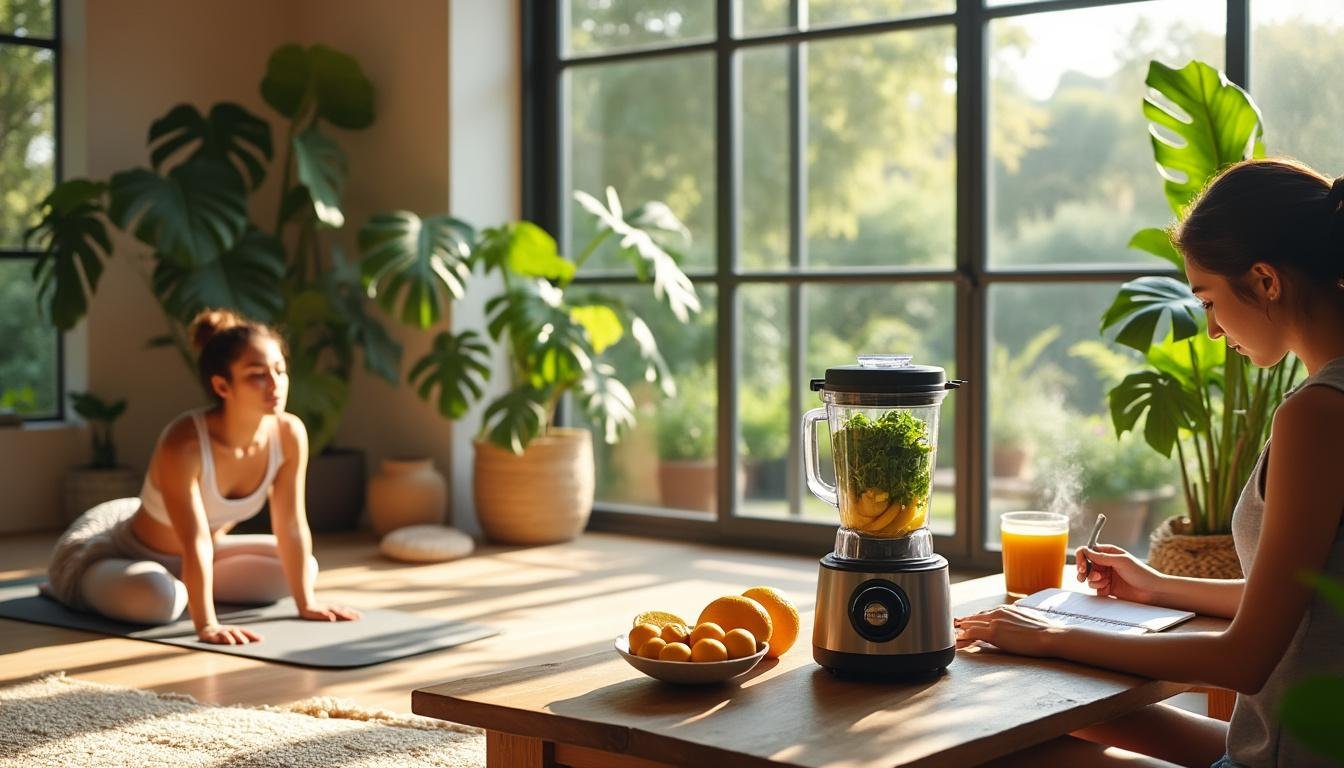
Embracing Mindfulness to Build Purposeful Healthy Habits During Wellness Week
In the dynamic landscape of 2026, wellness has transcended traditional fitness goals, evolving into a multidimensional pursuit that emphasizes mindfulness, purpose, and sustained healthy habits. Wellness Week stands as a dedicated time to explore these dimensions deeply, allowing individuals to recalibrate their approach to health by focusing not just on outcomes but the meaningful intentions that drive them. The essence of cultivating habits with intention lies in connecting daily choices with one’s authentic values and inner well-being rather than external expectations.
According to Dr. Dave Hamilton of New River Natural Health, beginning this journey involves heightened self-awareness. A crucial step is reflecting on what truly brings joy and aligns with personal values, which empowers people to ground their intentions in authenticity. This approach significantly departs from conventional goal-setting focused solely on metrics — for example, rather than saying “I want to lose 20 pounds,” reframing it to “I want to feel energized and nourished” creates a positive, emotionally resonant foundation for change that is more likely to last.
Such intentional framing of goals fosters a nurturing mindset, transforming habit formation into an exercise of self-compassion and sustained mindfulness. Wellness Week activities, therefore, often include guided reflections, mindful movement sessions, and journaling exercises where participants write down their intentions and revisit them regularly to maintain clarity in their health journeys. Dr. Hamilton also emphasizes making intentions simple and achievable by breaking down larger ambitions into manageable daily practices. For example, resolving to “take the stairs every day” rather than overwhelming goals makes progress tangible and non-intimidating.
This strategy not only cultivates a sense of accomplishment but notably enhances adherence to new routines. By anchoring habits in authentic feelings and intentions, people develop resilience against common obstacles such as stress or external distractions. Wellness Week thus acts as a springboard for people to embrace a lifestyle where self-care is intentional and driven by conscious awareness.
For those interested in expanding on mindful habit formation, resources like the Wellness Week guide on cultivating mindful and lasting habits offer extensive insights and practical tools. Combining mindfulness with purpose helps build a foundation not only for individual transformation but for collective wellness within communities, signaling a hopeful trend for holistic health in 2026.
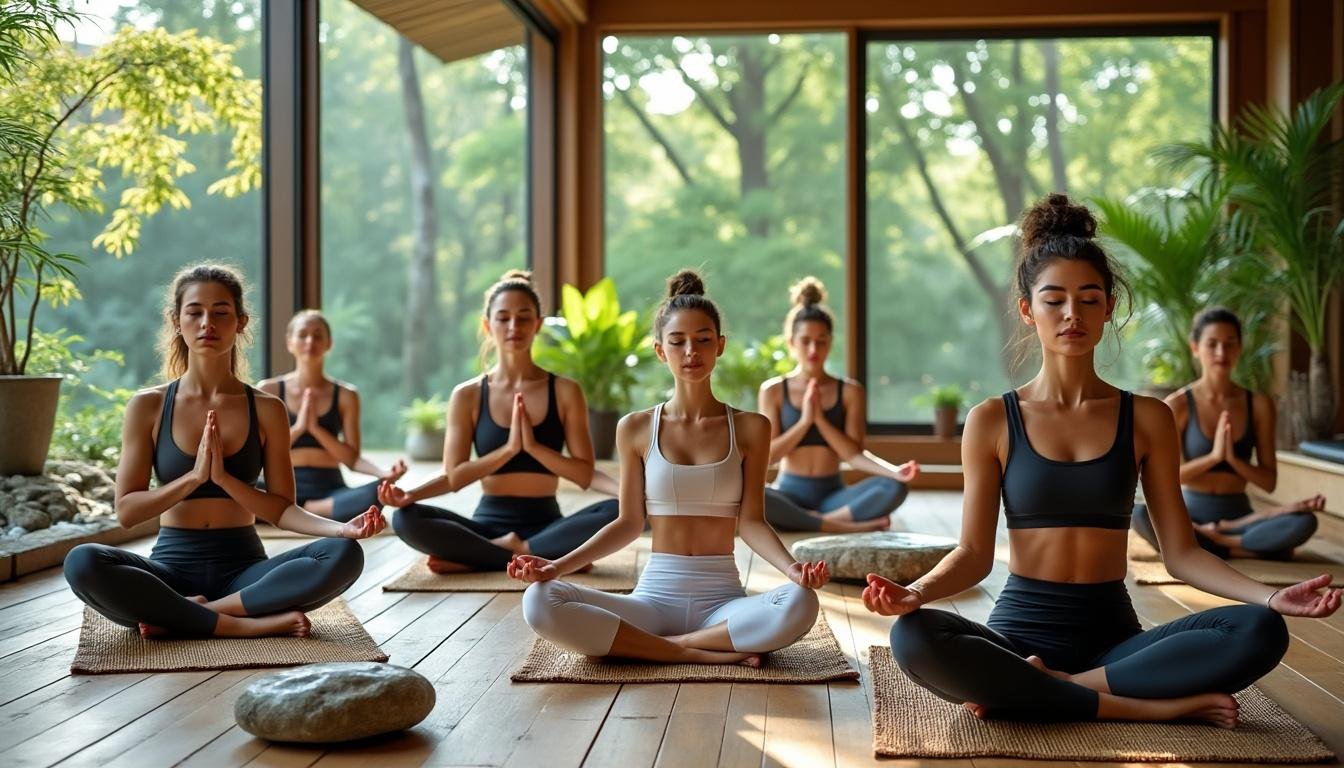
Balancing Nutrition and Exercise Through Intentional Practices
The core pillars of wellness—nutrition and exercise—gain fresh vitality when approached with intention and balance. In 2026, wellness enthusiasts and experts alike emphasize strategies that encourage a harmonious integration of nourishing foods and physical activity tailored to individual lifestyles and needs rather than rigid, one-size-fits-all regimens.
A well-balanced approach rooted in purposeful choices redefines how people perceive diet and movement. It moves beyond calorie counting or intense workouts and invites curiosity about how food and exercise influence feelings, energy, and overall mental health. For example, intentional nutrition focuses on savoring meals, acknowledging hunger and satiety cues, and opting for whole, nutrient-dense foods that invigorate the body naturally.
Strategies for intentional nutrition can include creating weekly meal plans that incorporate a diversity of colors and textures, prioritizing local and seasonal ingredients, and using mindful cooking as a meditative practice. Programs like Fall Into Wellness emphasize building new healthy habits by gradually introducing balanced nutritional elements, making changes sustainable and enjoyable rather than daunting.
Similarly, exercise when engaged with purpose becomes a joyful act of movement that respects one’s current physical state and mental needs. People are encouraged to cultivate physical routines that complement their lifestyles, such as walking meditation, yoga, or dancing—activities that promote physical and psychological balance. An example is integrating mindful pauses during exercise to focus on breath and body sensations, enhancing mindfulness and deepening the connection to one’s body.
Moreover, wellness practitioners underline that fostering balance between exertion and rest is critical. Overtraining or neglecting rest can impair physical and mental health. Prioritizing quality sleep and recovery, coupled with deliberate movement, supports a holistic sense of vitality. For further strategies on sustainable fitness and nutrition habits, the insights from Kaiser Permanente’s science-backed tips for healthy habit formation provide extensive guidance.
Embracing exercise and nutrition from a place of intention ultimately nurtures a deeper appreciation of the body. This perspective encourages consistency, prevents burnout, and fosters a lifelong commitment to wellness that feels both purposeful and gratifying.
Strengthening Mental Health and Emotional Well-being Through Intentional Wellness
In the era of holistic health, mental health and emotional well-being have assumed pivotal roles in wellness frameworks. Cultivating healthy habits means deliberately nurturing one’s inner world with the same care devoted to physical health.
Mental health practices during Wellness Week often focus on reducing stress, fostering resilience, and promoting emotional balance. Integrative approaches rooted in intentional living urge individuals to notice thoughts and emotions without judgment, as this active mindfulness fosters self-compassion and emotional clarity. Regular journaling, meditation, breathwork, and nature immersion form core wellness tools to support this.
Social connection is another crucial facet. Becoming intentional about relationships—selecting to spend time with those who uplift and inspire—and engaging in community activities during Wellness Week strengthens support networks essential for psychological health. Sharing wellness goals with an accountability buddy, as recommended by Dr. Dave Hamilton, helps maintain motivation and celebrates progress, turning individual journeys into collective encouragement.
Health experts like Kevin Guest from USANA highlight daily habits that harmonize physical and mental health, emphasizing the importance of participation over perfection during such efforts. These include prioritizing restful sleep, managing screen time, and integrating gratitude practices. The broader perspective on wellness underscores that purposeful routines for mental health certainly aid physical well-being, revealing their interdependence.
Incorporating intentional mental health habits can dramatically improve life quality and empower sustained engagement with wellness lifestyles. For those wishing to deepen their understanding of meaningful mental health routines, the article on developing meaningful wellness routines offers practical advice and inspiration.

Practical Steps to Embed Purpose and Intention into Daily Self-Care Routines
Self-care, when infused with clear purpose and deliberate intention, transcends fleeting indulgences to become a foundational habit supporting lifelong wellness. Transforming daily self-care into a ritual aligned with personal values fosters a sustained commitment to health and happiness.
Dr. Dave Hamilton’s advice underscores several actionable steps that ground self-care in intention. Start by choosing feelings to cultivate rather than predefined goals, such as seeking calm, energy, or joy instead of arbitrary targets. Writing intentions and placing them somewhere visible—on a journal, desk, or phone screen—creates daily reminders to act consciously.
Monthly check-ins to assess progress and adapt strategies cultivate flexibility and responsiveness, encouraging consistent habit evolution. Furthermore, engaging an accountability partner provides emotional backing and constructive encouragement, especially during challenging periods. Acknowledging and celebrating small victories reinforces positive change and motivates continuation.
A list of effective daily self-care practices infused with intention includes:
- Mindful breathing exercises to anchor presence and reduce stress.
- Setting daily intentions or affirmations that reflect personal values.
- Prioritizing nutritious meals that support energy and well-being.
- Scheduling consistent physical activity that brings joy.
- Allowing time for restorative sleep and relaxation.
- Engaging in meaningful social connections for emotional nourishment.
- Practicing gratitude or reflection to foster a positive mindset.
This blend of practices ensures that self-care nurtures not only the body but also the mind and spirit, making it an essential ingredient in sustained wellness.
For further inspiration on living with intention and creating a purposeful life, the resource from Mindful Spark offers compelling guidance on deepening these practices.
Creating a Supportive Environment to Sustain Long-Term Healthy Habits
The sustainability of wellness habits greatly depends on the environment and social context. Being intentional about setting up a supportive space propels the likelihood of maintaining healthy habits, as surroundings influence behavior profoundly. Wellness Week often highlights this essential component by encouraging people and organizations to reflect on their environments and make necessary adjustments.
Creating physical spaces that invite movement and relaxation, stocked with nutritious food options and soothing elements, removes barriers to good choices. Simultaneously, fostering a culture of intentional wellness within workplaces, families, and communities establishes collective accountability and motivation. For example, workplaces that incorporate wellness programs, time for breaks, and spaces for meditation or exercise help employees weave health practices into daily routines more naturally.
On a personal level, having an accountability buddy or joining wellness groups supports adherence by providing encouragement, shared experiences, and celebrating small wins. Such social support networks were shown by Dr. Dave Hamilton to be a powerful factor in sustaining wellness changes over time. Recognizing and celebrating progress, no matter how incremental, transforms the process into an uplifting journey rather than a stressful obligation.
Additionally, wellness planners and community initiatives like those suggested in Wellness Week ideas for planning impactful weeks showcase the benefits of structured support and collective momentum in habit creation.
Building a supportive environment also means embracing flexibility and compassion when setbacks occur, understanding they are an inevitable part of growth rather than failures. By cultivating resilience and kindness within and around us, long-term wellness becomes an achievable, sustainable way of life.
How can I start cultivating healthy habits with intention?
Begin by reflecting on what truly matters to you and focus on feelings you want to cultivate rather than rigid goals. Write down simple, positive intentions and break them into manageable daily actions.
What role does mindfulness play in maintaining wellness habits?
Mindfulness fosters awareness of your thoughts and feelings during habit formation, helping you respond with self-compassion and make conscious decisions aligned with your well-being.
Why is having an accountability buddy effective for sustaining healthy habits?
An accountability buddy provides encouragement, shared motivation, and helps celebrate small wins, making it easier to stick to wellness routines over time.
How can I integrate intentional nutrition and exercise into a busy lifestyle?
Focus on simple, purposeful choices like mindful eating, selecting nourishing meals, and incorporating enjoyable physical activities like walking or yoga that fit your schedule.
What are practical ways to support mental health during Wellness Week?
Engage in activities like journaling, meditation, and social connection. Set aside time for rest and reflection, and cultivate gratitude to enhance emotional balance and reduce stress.
