

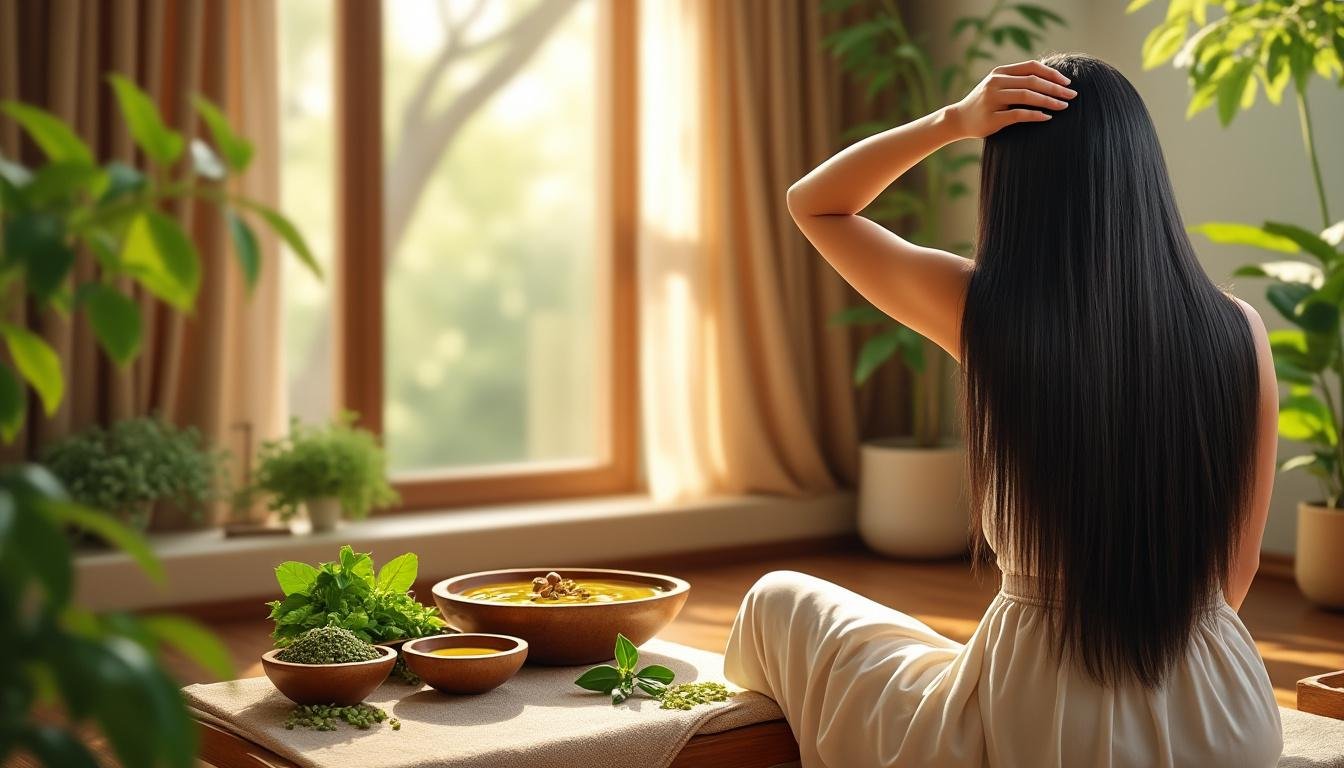
Understanding the Ayurvedic Philosophy Behind Natural Hair Growth
Ayurveda, the ancient Indian holistic wellness system practiced for over 5,000 years, offers profound insights into maintaining long hair and healthy hair naturally. Unlike modern quick fixes that often focus solely on topical treatments, Ayurveda embraces a comprehensive view of hair wellness. It recognizes hair as a reflection of the body’s internal balance, rooted deeply in one’s overall lifestyle, diet, and mental health.
According to Nidhi Pandya, a certified Ayurvedic practitioner, Ayurveda literally translates as the “science of life” and views hair health as an extension of body balance. Any sign of hair shedding, dryness, or dullness signals an imbalance within—not just on the scalp but across the entire physiological system. For example, if the body is stressed or inflamed, it often leads to dryness and depletion of natural oils that hair follicles produce, leaving hair more vulnerable to breakage.
This holistic viewpoint explains why merely applying topical products seldom addresses persistent hair issues effectively. Instead, Ayurveda encourages understanding the root causes—be it dietary deficiencies, improper scalp care, or lifestyle factors such as inadequate sleep and excessive heat styling—that disrupt natural hair physiology.
Monica Miglani, founder of Asna Beauty, emphasizes that Ayurvedic hair care doesn’t just ask “What do I apply on my hair?” but “What’s happening within my body and scalp?” This depth of inquiry ensures that the practices you undertake harmonize with your overall well-being, making hair growth sustainable and nourishing from the roots upward.
Tracing back to the Vedas, the ancient Ayurvedic and yogic texts, hair was seen as a vital sign of vitality and health. The integration of Ayurvedic hair care today not only reconnects us with these traditions but also provides evidence-based benefits validated by modern wellness enthusiasts. For example, simple rituals like drinking warm water in the morning—a popular wellness hack on social media—even though touted as new, are in fact deeply rooted in Ayurvedic daily routines meant to stimulate digestive fire and detoxification, indirectly supporting hair health.
Ultimately, Ayurveda’s approach to nurturing natural hair care revolves around restoring internal equilibrium while simultaneously promoting external scalp care practices. This dual focus has made it an enduring framework for those seeking naturally glowing, thick, and resilient hair. You can explore more detailed hair growth tips and remedies naturally with Ayurveda to deepen your understanding.

Scalp Care Rituals: The Cornerstone of Ayurvedic Hair Wellness
One of the most celebrated cornerstones of Ayurvedic hair care is scalp care, particularly the practice of oiling and massaging the scalp. This simple, intentional ritual not only nurtures the hair follicles but also stimulates circulation, which is essential for robust hair growth.
Monica Miglani advises that the application of Ayurvedic hair oils must be executed with care — using smooth, circular motions with fingertip pads rather than aggressive scratching or tugging. This approach respects the scalp’s delicate skin and supports the natural production of sebum, the vital oil that keeps hair nourished and supple between washes.
Oiling is more than a cosmetic step; it replenishes essential nutrients to the roots that might be lost due to environmental exposure, stress, or chemical damage from frequent styling. Ayurveda traditionally uses potent herbal blends containing ingredients like amla, bhringraj, and brahmi, herbs renowned for their ability to strengthen hair strands, reduce shedding, and promote a shiny, healthy scalp environment.
Starting with a modest oil massage, perhaps 20 minutes before washing, gradually progressing to overnight sessions, can significantly impact hair texture and longevity. Beyond oil, switching from brushing to gentle combing after oil application ensures even distribution of oils along the hair shafts, locking in moisture and lessening breakage.
Mindful washing with milder, chemical-free shampoos complements this routine. Daily washing can strip the scalp of oils, increasing dryness and frizz, which undermines the benefits of Ayurvedic regimes. Careful observation of your scalp’s needs will tell you when to cleanse, making hair care more personalized and effective.
Synchronizing scalp care practices with the body’s natural rhythms, such as seasonal adjustments—favoring nutrient-rich foods and heavier oils in winter—is another secret Ayurveda offers. For instance, incorporating sesame-based products or a spoonful of tahini with a date in your breakfast can reduce hair shedding within weeks by nourishing hair from within.
For individuals eager to deepen their knowledge of herbal remedies and hair care traditions, resources like Ayurvedic practices for healthy hair from root to tip provide rich inspiration and guidance tailored to modern needs.
Nutrition and Lifestyle: Supporting Hair Growth from Within
Ayurveda places immense importance on nutrition and lifestyle as integral to achieving and maintaining healthy hair. It is widely recognized among Ayurvedic experts that even the best external hair treatments can falter without a foundation of proper internal nourishment.
Hair thrives when the body is well-nourished by a balanced diet rich in vitamins, minerals, and essential fatty acids. Ayurveda advocates food choices aligned with one’s constitution or “dosha” and season. In particular, proteins, iron, zinc, and antioxidants such as vitamin E play a pivotal role in enhancing hair strength and shine.
Herbal supplements like amla (Indian gooseberry) are prized in Ayurvedic hair care for their high vitamin C content and antioxidant properties that combat oxidative stress, a major contributor to hair aging and thinning. Similarly, fenugreek seeds are used to reduce hair fall and improve scalp health by preventing fungal infections and restoring moisture balance.
Adjusting daily habits is equally vital. Excessive caffeine, alcohol consumption, lack of quality sleep, or over-exercising to the point of burnout can disrupt hormonal balance and elevate stress levels, leading to hair weakening and loss. Ayurveda encourages practices that cultivate mental calm and physical rejuvenation such as meditation, gentle yoga, and maintaining a consistent sleep schedule.
These lifestyle prescriptions are not merely abstract rules but actively counteract triggers of hair damage exposed by the fast-paced modern environment. For example, avoiding daily heat styling tools reduces mechanical trauma and allows hair to retain moisture and elasticity.
Those seeking a detailed roadmap to align their habits and nutrition with holistic hair care may find reliable, research-backed advice in collections like the Ayurvedic secrets for long, thick, and healthy hair. Here, diet, herbs, and self-care routines join forces to build resilient hair that shines naturally.
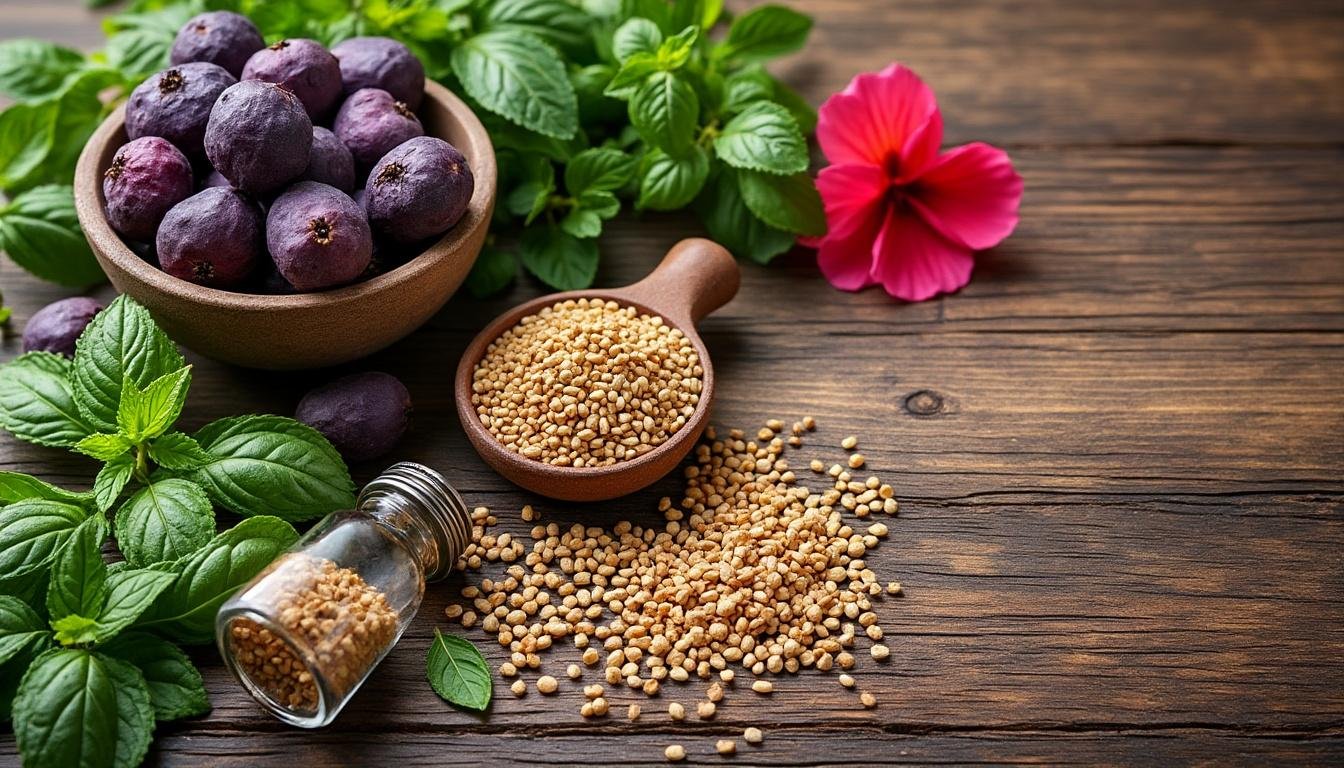
Incorporating Herbal Remedies Into Daily Hair Care for Robust Growth
In Ayurveda, the use of herbal remedies is pivotal for stimulating sustained hair growth and combating conditions like dullness, thinning, or dandruff. These botanicals aren’t just applied topically; they work synergistically with internal body systems to restore hair’s vitality.
Popular Ayurvedic herbs include bhringraj, often called the “king of hair herbs,” noted for its ability to reduce hair fall, improve pigmentation, and invigorate follicles. When infused in oils or made into hair masks, bhringraj can restore the hair’s natural texture and thickness. Brahmi is another cherished herb, known both for calming the nervous system and reducing scalp inflammation, which supports healthier follicles.
Amla, mentioned earlier for its nutritive qualities, doubles as a potent topical agent. Its acidic properties help balance scalp pH, reduce excess oil secretion, and cleanse the hair shaft gently but effectively. Fenugreek masks, rich in lecithin and other proteins, moisturize deeply and prevent brittleness.
Engaging in weekly herbal treatments such as applying a mix of these powdered herbs with water or coconut oil can transform hair condition remarkably over time. Most importantly, these remedies eschew harmful chemicals or synthetics common in many commercial hair care products. Users report not only physical improvements but also a mental sense of connection to self-care rituals.
With the current rise of Ayurvedic-inspired beauty products, these herbs are now conveniently available in ready-made forms that remove the guesswork, ensuring everyone can access the benefits of this time-tested wisdom. For guidance on various recipes, applications, and benefits of these potent botanicals, the blog on 7 Ayurvedic secrets for long, thick, and strong hair is an excellent resource.
Creating a Sustainable Ayurvedic Hair Care Routine for Lasting Results
Consistency is the hallmark of effective Ayurvedic hair care. The ancient system teaches that transformative hair growth and maintenance don’t happen overnight but through small, deliberate practices embedded in daily life.
Developing an Ayurvedic routine involves attention to multiple aspects:
- Daily scalp oil massages to enhance circulation and nourish follicles.
- Herbal washes and rinses that cleanse without stripping natural oils.
- Balanced diet incorporating dosha-specific foods to support hair nutrition internally.
- Stress management techniques like meditation, which reduce inflammation and hormonal imbalance.
- Gentle hair handling, avoiding excessive brushing or heat.
These practices together form a cycle of care that addresses not only visible symptoms but underlying causes. For instance, by integrating evening self-massage with warm herbal oils and mindful eating, many find their hair matures to a state of strength and luster previously unseen.
Moreover, modern wellness enthusiasts can now leverage Ayurvedic knowledge enhanced through scientific research and accessible products. This blend of tradition and innovation ensures that natural hair care based on Ayurvedic principles remains relevant and practical for 2026 and beyond.
If you are ready to embrace these sustainable habits and deepen your expertise, exploring comprehensive guides like Ayurveda hair care tips can help you tailor practices to your unique hair goals.
How often should I oil my scalp according to Ayurveda?
For best results, start with oiling your scalp once or twice a week using gentle, circular massages. Gradually, you can increase to overnight oil treatments depending on your hair type and scalp condition.
Which Ayurvedic herbs are best for promoting hair growth?
Bhringraj, amla, brahmi, and fenugreek are among the most recommended herbs. These herbs nourish the scalp, strengthen hair roots, and reduce hair fall when used regularly.
Can diet really affect hair growth and health?
Absolutely. Ayurveda emphasizes that hair health is closely linked to internal nutrition. Eating a balanced diet rich in vitamins, minerals, and healthy fats supports hair growth and prevents dryness or brittleness.
Is it necessary to switch to Ayurvedic hair care products fully to see benefits?
No, you can gradually incorporate Ayurvedic practices such as oiling or herbal rinses into your existing routine for effective results without an abrupt change.
Does seasonal change influence hair care in Ayurveda?
Yes, Ayurveda advises adjusting your hair care and diet based on seasons, such as heavier oils and nutrient-rich diets in winter to counteract dryness and promote hair strength.
