


Prioritizing Protein Intake: Building Strength and Preserving Independence After 60
Maintaining muscle mass becomes increasingly challenging as we age, with significant declines often beginning around age 60. This loss not only affects overall strength but also compromises balance and mobility, which are vital components for sustaining independence. Prioritizing adequate protein intake is therefore a foundational nutrition habit for healthy aging and longevity.
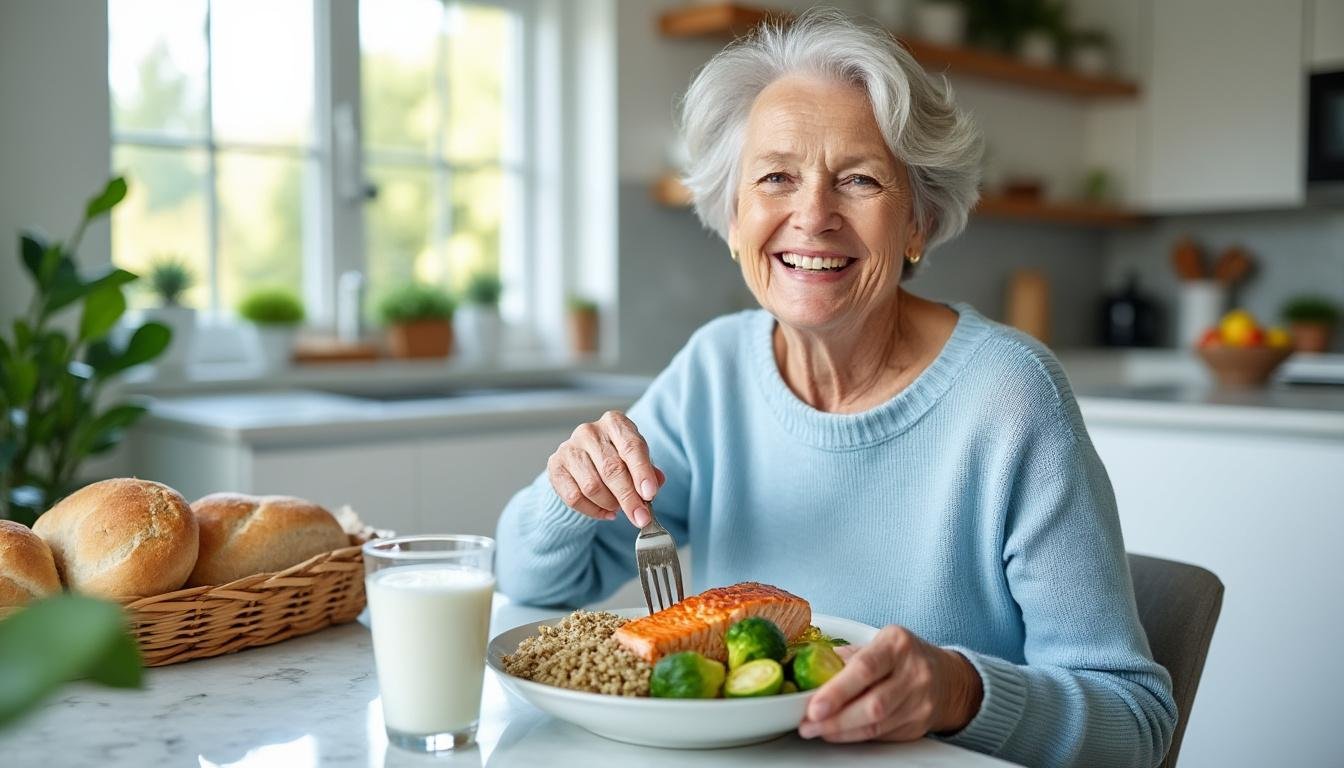
Protein plays a critical role in muscle repair and growth, making it indispensable for the elderly who wish to preserve their functional capacity. Sources like eggs, fish, lean poultry, dairy products such as yogurt, and plant-based proteins including beans, nuts, and seeds provide a variety of options to suit different dietary preferences. Incorporating these protein-rich foods consistently supports muscle maintenance and recovery, especially important after illnesses or injuries which older adults may encounter more frequently.
For example, Helen, a 72-year-old retiree, found that including a serving of Greek yogurt and a handful of walnuts in her daily diet improved her muscle endurance, enabling her to remain active and avoid reliance on assistance. This anecdotal experience aligns with research highlighted by institutions like the National Institute on Aging, which emphasize the importance of prioritizing protein for elderly wellness.
Transitioning to practical strategies, seniors can consider spreading protein consumption across meals to optimize absorption and utilization. Instead of focusing on large amounts at one time, smaller doses throughout the day—from breakfast eggs to a lentil soup at dinner—can deliver sustainable benefits. Moreover, for those facing appetite challenges, incorporating smoothies or protein-enriched snacks can help ensure adequate intake without overwhelming the digestive system.
This practice of prioritizing protein acts as a cornerstone for healthy aging by directly influencing vital physical functions. Coupled with regular physical activity, sufficient protein intake equips older adults with the strength needed to prevent falls, maintain balance, and uphold independence in daily life.
Hydration and Its Crucial Role in Cognitive Function and Energy Levels for Seniors
Proper hydration is often overlooked in discussions surrounding nutrition in older adults, yet it is a vital habit to support energy, mental clarity, and physiological function. As the natural thirst response diminishes with age, many seniors unknowingly fall into dehydration, which can exacerbate fatigue, confusion, and even increase fall risk—an alarming concern for maintaining independence.
Encouraging the consumption of fluids throughout the day is essential; water remains the gold standard, but incorporating herbal teas, broths, or water-dense foods like cucumbers, watermelon, and oranges contributes to overall fluid intake. These options not only hydrate but also provide essential vitamins and electrolytes that contribute to balanced nutrition habits.
From a cognitive perspective, studies have linked dehydration to decreased alertness and slower reaction times in the elderly. Consider the case of George, an active 68-year-old, whose regular hydration routine measured by a checklist helped him retain mental sharpness during his community volunteer work. Such anecdotal experiences resonate with findings from the Centers for Disease Control and Prevention, underscoring hydration’s importance along with other healthy lifestyle measures.
In practical terms, for seniors struggling to remember to drink fluids, setting alarms or pairing hydration with routine activities such as meals or medication times can be effective. Additionally, consulting with healthcare providers can help identify if medications interfere with fluid retention or excretion, emphasizing the intertwined nature of age-related nutrition and medication management.
Overall, maintaining hydration is not merely about quenching thirst but ensuring bodily systems operate efficiently, sustaining energy levels and cognitive function integral to a balanced diet and a healthy lifestyle.
The Power of Fiber: Enhancing Digestive Health and Blood Sugar Stability in Seniors
Increasing fiber intake stands out as a nutrition habit with broad-reaching benefits for senior health. Fiber is pivotal for supporting digestive health, preventing constipation which is common in an aging digestive system, and also plays an essential role in modulating blood sugar and cholesterol levels.
Whole grains such as oats and brown rice, legumes like beans and lentils, and an assortment of fruits and vegetables provide a natural abundance of dietary fiber. These foods improve gut motility and foster a healthy microbiome, which research increasingly links to digestive comfort and immune health.
Taking Susan’s story: at 75, she adopted a diet emphasizing fiber-rich foods and noticed improvements in her digestive regularity and energy levels. Her improved gut health also helped stabilize her prediabetic condition, demonstrating fiber’s impact on metabolic health crucial for healthy aging.
Importantly, fiber intake also supports heart health by helping to lower LDL cholesterol, thus reducing the risk of cardiovascular diseases which are prevalent concerns for older adults. This nutrient synergy highlights the benefit of a balanced diet rich in plant-based foods.
For those new to fiber, gradual incorporation is advisable to minimize digestive discomfort. Hydration simultaneously supports the benefits of fiber, as water helps fiber do its job effectively. Overall, fiber is a cornerstone of age-friendly nutrition habits that enhance longevity and vitality.
Supporting Bone Health: The Dynamic Duo of Calcium and Vitamin D After 60
Bone density diminishes naturally with age, placing the elderly at higher risk for fractures and osteoporosis. Ensuring adequate intake of both calcium and vitamin D is critical in preventing bone loss and maintaining skeletal strength, a key factor in preserving independence.
Calcium-rich foods include dairy products, fortified plant-based milks, leafy greens such as kale and bok choy, and small fish like sardines. Vitamin D enhances calcium absorption and can be acquired through sunlight exposure, supplements, and foods such as fatty fish and fortified products.
For instance, Harold, aged 80, who regularly included salmon and fortified almond milk in his diet alongside guided vitamin D supplementation, experienced fewer falls and maintained greater confidence in mobility. His case reflects studies supporting nutrition habits that reduce fracture risks and promote healthy aging.
Healthcare professionals increasingly recommend bone health monitoring for seniors, considering individual factors such as medication interactions and lifestyle. A targeted approach that combines dietary strategies with weight-bearing exercises maximizes the benefits for skeletal health and functionality.
Embracing these nutritional habits helps mitigate the natural decline in bone density, allowing elder adults to sustain a healthy lifestyle with reduced risks of debilitating injuries.

Mindful Eating: Managing Sodium and Medication Interactions to Foster Optimal Nutrient Intake and Elderly Wellness
Mindful eating habits that include managing sodium intake and understanding medication-nutrient interactions play a significant role in senior health. Many processed and convenience foods are laden with excessive sodium, contributing to increased blood pressure and cardiovascular strain in older adults.
Adopting cooking methods that emphasize fresh ingredients, using herbs and spices instead of salt, and incorporating citrus for enhanced flavor support better overall health outcomes. These simple changes can safeguard blood pressure levels and reduce cardiovascular risks linked to poor nutrition habits.
In addition, medications commonly prescribed to seniors can alter appetite, nutrient absorption, or digestion. Engaging with healthcare providers to review medications alongside dietary habits ensures that nutrient intake remains optimized to individual health needs.
Skipping meals, often due to reduced appetite or side effects of medication, can lead to fatigue, weight loss, and diminished energy. To counteract this, smaller, nutrient-dense snacks or well-planned meals distributed throughout the day help maintain consistent energy and nutrition levels essential for healthy aging.
Facilitating access to meal planning tools, grocery delivery, or community nutrition programs also empowers older adults living independently to sustain balanced diets that accommodate their health circumstances and preferences. Awareness and adjustment of these factors are crucial in supporting independence and enhancing quality of life.
- Choose fresh or minimally processed foods over packaged options.
- Use herbs, spices, and citrus fruits for seasoning instead of salt.
- Consult health professionals about medication and diet interactions.
- Plan smaller, frequent meals to prevent unintentional skipping.
- Utilize community resources for meal delivery and nutrition support.
These mindful eating practices represent a holistic approach to age-related nutrition that integrates well with other facets of a healthy lifestyle, promoting senior health and grace in the golden years.
What are the best protein sources for seniors to maintain muscle health?
Lean meats such as poultry and fish, eggs, dairy products, beans, nuts, and seeds are excellent sources of protein. Incorporating these in varied meals assists muscle maintenance and recovery in older adults.
How can seniors stay properly hydrated if they lose their sense of thirst?
Older adults can use strategies like setting hydration reminders, pairing water intake with routine activities, and consuming water-rich foods like fruits and soups to maintain adequate hydration.
Why is fiber particularly important in the diet of elderly individuals?
Fiber supports digestive health, helps regulate blood sugar and cholesterol, and promotes a healthy gut microbiome, all vital for managing common age-related health concerns.
How do calcium and vitamin D work together to support bone health in seniors?
Calcium is essential for strong bones, while vitamin D enhances calcium absorption in the body. Together, they reduce the risk of osteoporosis and fractures in older adults.
What role do medication interactions play in senior nutrition?
Some medications can alter appetite, nutrient absorption, or digestion. Consulting healthcare professionals helps address these interactions to maintain appropriate nutrient intake for optimal health.
