

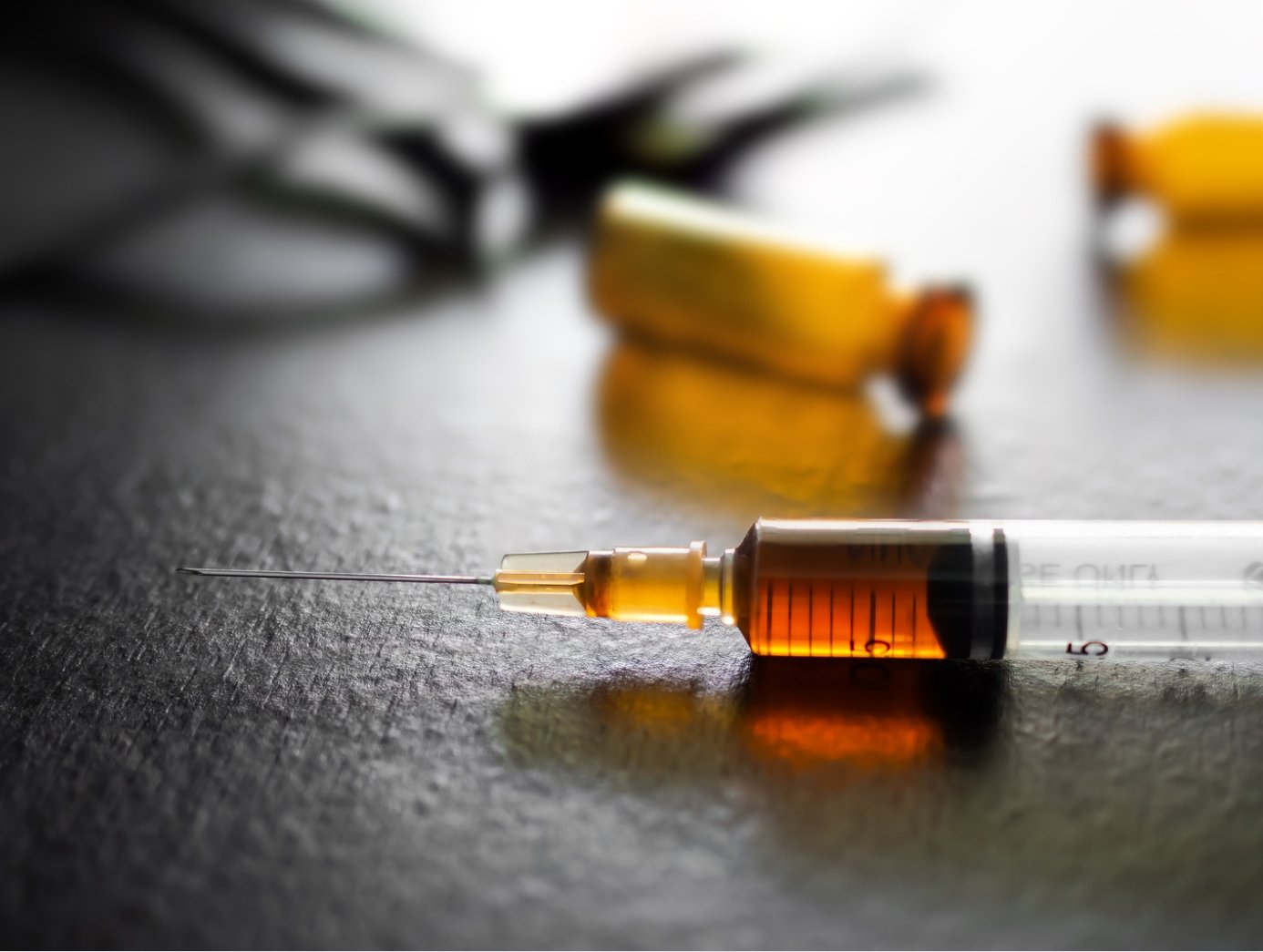
Drug companies are preparing to raise the official list prices of hundreds of brand‑name medicines in the United States in —including vaccines and treatments that many older adults rely on. At the same time, a few widely used drugs, such as the diabetes medication Jardiance, are set to see significant price cuts.
This article explains what’s changing, why it’s happening, and what it could mean for people on Medicare or living on a fixed income.
The Big Picture: Price Hikes on About Medicines
According to data analyzed by healthcare research firm Axis Advisors, drugmakers plan to increase U.S. list prices on at least brand‑name medications in . These include:
- Vaccines for:
- COVID‑
- RSV (respiratory syncytial virus)
- Shingles
- Cancer drug:
- Ibrance (a commonly used breast cancer treatment)
- Other widely used brand‑name medicines
Key points from the analysis:
- The number of drugs with planned increases is higher than the same time last year (more than drugs saw increases then).
- The median increase is around , similar to .
- Some individual drugs will see larger jumps; others will be lower.
These figures refer to list prices—the starting, “sticker” price—not what you actually pay at the pharmacy after insurance, discounts, and rebates.
At the Same Time, Some List Prices Are Being Cut
Not all price changes are increases. Drugmakers also intend to cut list prices on around nine medications.
One of the most significant examples:
- Jardiance (empagliflozin) – a popular diabetes drug:
- List price cut of more than for Jardiance and three related treatments.
- Boehringer Ingelheim and Eli Lilly (which jointly sell Jardiance) have not publicly detailed all the reasons for these cuts.
- Jardiance is among the first drugs selected for Medicare price negotiation under new federal rules, with lower government prices taking effect in .
- Under those negotiations, the companies agreed to reduce the Medicare price of Jardiance by roughly two‑thirds.
So even as prices increase for many drugs, a small group—especially some high‑profile medicines negotiated by Medicare—will become cheaper at the official level.
Why U.S. Drug Prices Are So High
Compared with other wealthy countries, people in the U.S. pay far more for prescription medicines—often nearly three times as much. Several factors contribute:
- The U.S. does not centrally regulate most drug prices the way many European countries do.
- Manufacturers set high list prices, then negotiate confidential rebates with:
- Pharmacy benefit managers (PBMs)
- Insurance companies
- Government programs
- The discounts are often not transparent, and cash‑pay patients or those in high‑deductible plans may pay close to the full list price.
Policymakers from both major parties—including former President Donald Trump—have pressured drugmakers to reduce prices or at least slow increases, especially for Medicare and Medicaid. Some recent agreements have lowered prices for a limited set of drugs in government programs or for cash‑pay patients, but experts say these changes only address part of the problem.
Health policy researcher Dr. Benjamin Rome has noted that many of these deals:
- Sound transformative in public announcements
- But only “tweak the edges” of what is really driving high drug prices overall
- Allow companies to:
- Keep list prices high or rising
- Negotiate separate, hidden discounts with insurers
- Set different prices again for patients paying cash
List Price vs. What You Actually Pay
It’s important to understand the difference between list price and out‑of‑pocket cost:
-
List price:
- Set by the manufacturer
- Used to calculate discounts and rebates
- Is what you’ll often see if you pay cash without insurance
-
Net price (after discounts):
- What insurers or government programs actually pay after rebates
- Usually lower than the list price
- Not typically visible to patients
-
Your cost:
- Depends on:
- Your insurance plan (Medicare Part D, Medicare Advantage, employer plan, etc.)
- Whether the drug is on your plan’s formulary (approved list)
- Which tier it’s placed in
- Deductibles, copays, and coinsurance rules
- Depends on:
Still, even if you’re insulated from some increases, list price hikes can drive up:
- Insurance premiums
- Deductibles
- Cost‑sharing amounts for brand‑name drugs
For seniors on fixed incomes, even a “modest” increase year after year can add up—especially for people taking multiple brand‑name medications.
Which Companies Are Raising Prices—and by How Much?
Several major drugmakers are planning list price increases for :
Pfizer
Pfizer has announced the largest number of individual price hikes—around drugs will see list price increases. These include:
- Ibrance (breast cancer)
- Nurtec (migraine treatment)
- Paxlovid (COVID treatment)
- Hospital‑based drugs such as:
- Morphine
- Hydromorphone
Most Pfizer increases:
- Are under , according to company statements
- With one notable exception:
- Comirnaty (Pfizer’s COVID vaccine) is expected to rise by about
- Some lower‑cost hospital drugs could see price jumps of more than fourfold
Pfizer has said these increases are:
- Below the overall U.S. inflation rate, on average
- Necessary to:
- Fund research and development of new medicines
- Cover rising operating costs
GSK (GlaxoSmithKline)
The European manufacturer GSK plans list price increases on roughly drugs and vaccines, in the range of about to . GSK has stated it is:
- Committed to “reasonable” pricing
- Raising prices to support ongoing scientific innovation
Other Companies
Several other major global drugmakers—Sanofi, Novartis, Boehringer Ingelheim, and others—are also expected to increase prices on at least some of their products, even as they participate in separate price agreements with the U.S. government for certain programs.
Not all companies have publicly commented in detail on their decisions, and additional price changes often appear in early January, which has historically been the busiest time of year for drug price adjustments.
How Government Policies Are Affecting Prices
Recent laws and policies have started to put some guardrails on how quickly Medicare drug prices can rise:
- Inflation penalties:
- Drugmakers may face financial penalties if the prices they charge Medicare rise faster than overall inflation.
- Medicare price negotiation (starting with drugs and expanding over time):
- Allows the federal government to directly negotiate lower prices for some of the highest‑spend drugs in Medicare.
- Jardiance is one early example of a drug whose price for Medicare enrollees is being negotiated downward.
At the same time, there have been separate deals with some manufacturers to:
- Lower prices in Medicaid, the government program for low‑income Americans
- Offer discounts to cash‑pay patients
However, experts warn:
- These targeted agreements do not fundamentally change the way list prices are set overall.
- Drugmakers can still:
- Increase prices on other drugs
- Adjust pricing strategies in response to new rules
As of now, seniors often still face a complicated mix of:
- List prices
- Negotiated prices
- Discounts
- Varying out‑of‑pocket costs depending on their plan
What This Means for Older Adults and People on Medicare
For people aged and older—especially those with chronic conditions—the impact will vary:
You May Be Affected If:
- You take one or more brand‑name medications that are on the list of drugs with planned price hikes.
- You are in a high‑deductible plan or pay full cash price for certain drugs.
- You are in the coverage gap (“donut hole”) or have high annual out‑of‑pocket expenses.
- Your plan uses coinsurance (a percentage of the drug’s price) instead of flat copays; higher list prices can make coinsurance more expensive.
You May See Some Relief If:
- You use a drug selected for Medicare price negotiation, such as Jardiance, in and beyond.
- Your plan adds more generics or lower‑cost alternatives to its formulary.
- You qualify for extra help (Low‑Income Subsidy) or state‑level assistance programs.
Even when your own copay for a drug does not change immediately, rising list prices can contribute over time to:
- Higher Part D premiums
- Changes in formularies (some drugs moved to more expensive tiers)
- Stricter prior authorization or step‑therapy rules
Practical Steps: How to Protect Yourself from Rising Drug Costs
Here are some concrete ways older adults and caregivers can respond to these changes:
1. Review Your Medicare Coverage Every Year
- During Medicare Open Enrollment (typically October to December ), carefully compare:
- Medicare Part D plans
- Medicare Advantage plans that include drug coverage
- Make sure:
- All your medications are covered
- They are in a favorable tier
- Your preferred pharmacy is in‑network
Free help is available through your state’s SHIP (State Health Insurance Assistance Program).
2. Ask About Generics and Therapeutic Alternatives
- For each brand‑name drug you take, ask your doctor:
- “Is there a generic or lower‑cost equivalent I could safely take?”
- “Are there alternative drugs in the same class that would cost less?”
- Sometimes switching to a different, but medically similar, medication can greatly reduce costs.
3. Use Preferred Pharmacies and Mail‑Order Options
- Many Medicare drug plans have preferred pharmacies where copays are lower.
- Ask your plan about mail‑order options for ‑day supplies, which can sometimes offer better pricing.
4. Apply for Financial Assistance if You Qualify
You may be eligible for:
- Extra Help (Low‑Income Subsidy) for Medicare Part D
- State pharmaceutical assistance programs (offered in some states)
- Manufacturer patient assistance programs or copay cards (mostly helpful for people not on government insurance, but sometimes with exceptions)
Your local Area Agency on Aging, SHIP counselor, or social worker can help you explore these options.
5. Talk Openly with Your Healthcare Team
- Let your doctor and pharmacist know if you are skipping doses, splitting pills, or avoiding filling prescriptions because of cost.
- There are often:
- Lower‑cost drug options
- Non‑drug strategies (diet, exercise, monitoring) that can reduce the number or dose of medicines you need
- Never change or stop a medication without medical advice, especially for conditions like heart disease, diabetes, or cancer.
Key Takeaways for Seniors
- Drugmakers plan to raise U.S. list prices on at least brand‑name medicines in , with a median increase around .
- Some drugs—like the diabetes medication Jardiance—will see significant price cuts, largely due to new Medicare price negotiation rules.
- The U.S. still has some of the highest prescription drug prices in the world, and even modest annual increases can strain seniors’ budgets.
- Your personal out‑of‑pocket costs will depend on:
- Your insurance plan
- Whether your drugs are affected
- How your plan responds to these price changes
- You can protect yourself by:
- Reviewing and possibly changing your Medicare coverage each year
- Asking about generics and lower‑cost alternatives
- Using available financial assistance programs
Staying informed, asking questions, and reviewing your coverage regularly can make a real difference in how much you ultimately pay for your medications.

2 Comments
Pingback: TrumpRx.gov Launch: Seniors Save 80% on Prescriptions This Month
Pingback: Medicare Premiums: New Deductibles & Part B Costs Explained