

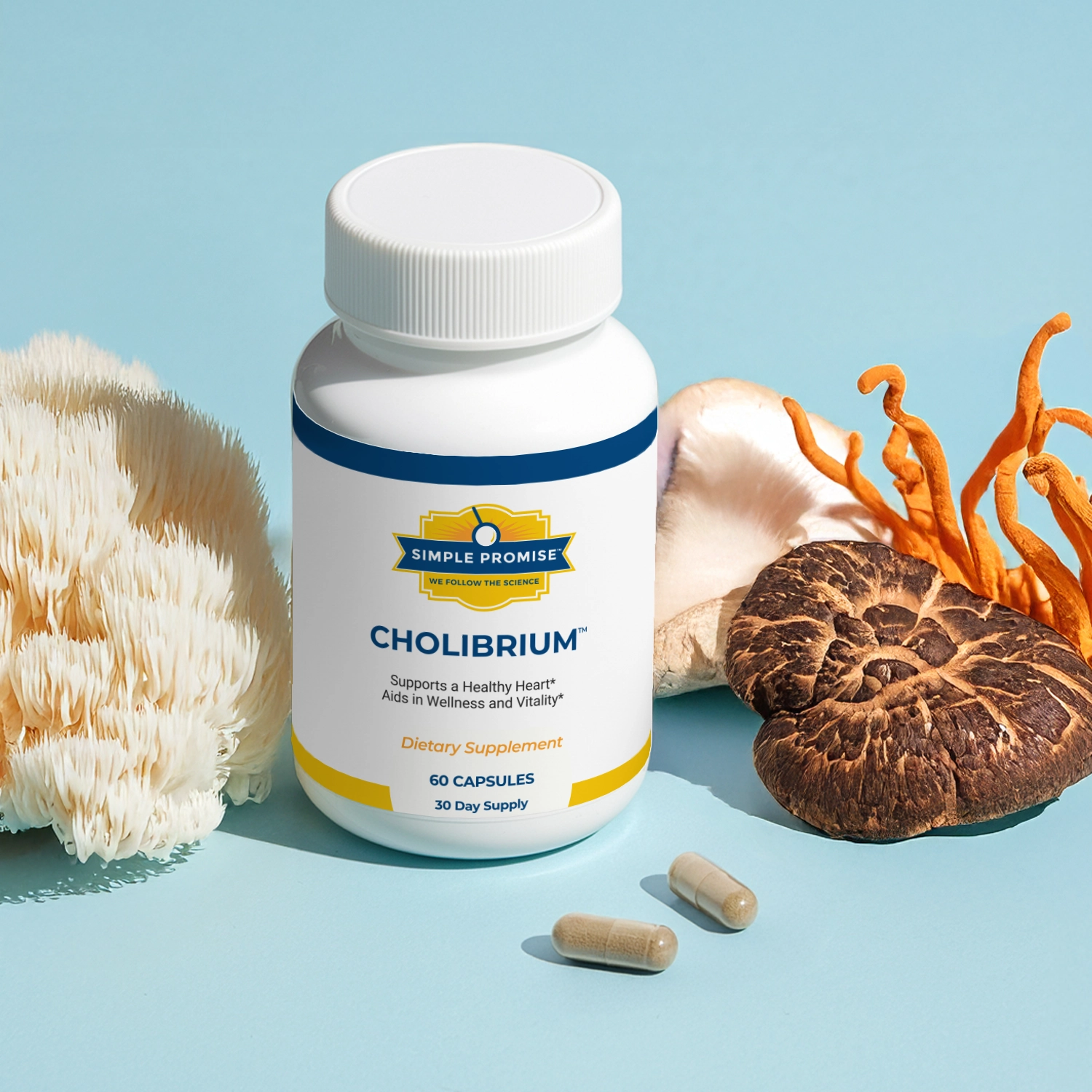
Cholibrium side effects and safety: What users should know
If you’re considering Cholibrium, it’s sensible to weigh possible harms as well as advertised benefits. The maker markets Cholibrium as a mushroom-based supplement designed to support healthy heart function and maintain cholesterol already within a healthy range. For a broader look at the product, see our full Cholibrium review.
What is Cholibrium marketed as?
Cholibrium is described as a blend of 10 mushroom extracts — including reishi, lion’s mane, cordyceps and shiitake — sold to support cardiovascular health and healthy cholesterol levels. The label recommends taking two capsules daily, 20–30 minutes before a meal, and states the product is made in a cGMP-certified facility, is non‑GMO, gluten‑free and allergen‑free.
Reported and potential side effects
Dietary supplements can cause side effects in some people. The manufacturer’s page does not list common adverse reactions for Cholibrium specifically, so information below is based on known, documented effects of some of the individual mushroom ingredients and general supplement safety principles.
- Mild digestive symptoms: Some people taking mushroom extracts report stomach upset, bloating, nausea or diarrhoea, especially when starting a new supplement or taking it on an empty stomach.
- Allergic reactions: If you have a known allergy to fungi or moulds, mushroom supplements could trigger itching, rashes, nasal symptoms or, rarely, more serious reactions.
- Blood-thinning effects: Certain mushroom compounds can affect platelet function or interact with anticoagulant medications. This may increase bleeding risk in people on blood thinners.
- Immune modulation: Some mushrooms influence immune activity. This is often the reason people take them, but it means those on immunosuppressant therapy or with autoimmune conditions should be cautious.
- Respiratory or skin sensitivity: Handling powdered mushrooms has caused irritation in susceptible individuals.
These are possible reactions and not a comprehensive list. Severity and likelihood vary between individuals.
10 quick checks to spot low-quality supplements before you buy - plus research-backed doses for 12 common ingredients. Free PDF, no spam.
Interactions and who should avoid Cholibrium
Because Cholibrium contains multiple bioactive mushroom extracts, potential interactions can occur. Consider the following groups as higher risk:
- People on anticoagulants (warfarin, DOACs) or antiplatelet drugs — discuss with your GP or pharmacist before use.
- Those taking immunosuppressant medication (for organ transplant, autoimmune disease) — mushroom extracts that modulate immunity could interfere with treatment.
- Pregnant or breastfeeding people — there is limited safety data for most botanical supplements in pregnancy and breastfeeding.
- Anyone with mushroom or mould allergies — avoid products containing fungal extracts.
- People with chronic liver or kidney conditions — check with a clinician before starting new supplements.
Safe use tips
To reduce the chance of side effects, consider these practical steps:
- Start with the recommended dose: Cholibrium’s label advises two capsules daily; do not exceed the serving size unless a healthcare professional recommends otherwise.
- Take with food if you experience stomach upset; the manufacturer suggests taking the capsules before a meal, but some people tolerate them better with food.
- Monitor for new symptoms: stop the supplement and seek medical advice if you develop allergic signs, severe stomach pain, yellowing of the skin/eyes, or unexplained bruising/bleeding.
- Keep a list of all medications and supplements to discuss potential interactions with your GP or pharmacist.
Quality and manufacturing claims
The product page states Cholibrium is made in a cGMP-certified facility, is non‑GMO and undergoes testing. These claims are typical quality markers for supplements, but they do not guarantee safety or effectiveness. Independent third-party testing (for purity and contaminants) is a useful additional check — look for batch certificates or lab reports if they’re provided by the maker.
What about evidence?
The manufacturer says the formula is “backed by science” and that each mushroom was selected for traditional use and modern research. While there is research into individual mushroom species (for example, shiitake and reishi have been studied for various effects), evidence varies by species, extract type, dose and study quality. The maker’s claims are promotional; they do not replace clinical evidence from well‑designed trials on this specific product.
When to contact a clinician
Seek medical advice if you:
- Experience severe or persistent adverse effects after starting Cholibrium;
- Are on medicines that thin the blood, affect the immune system, or are otherwise critical to your health;
- Are pregnant, breastfeeding or planning pregnancy.
For availability and to check current product information, including full ingredient lists and manufacturer guidance, you can view the supplier’s page below.
Check Cholibrium availability →
In summary: Cholibrium is marketed as a mushroom-extract supplement for heart health. Some users may experience mild digestive or allergic reactions, and interactions with certain medicines are possible. Discuss the product with a clinician if you have health conditions or take prescription drugs.
Medical disclaimer: This article is for informational purposes and does not replace personalised medical advice; consult your healthcare provider before starting any supplement.
Related reading
- Cholibrium review: full verdict
- Cholibrium vs other cholesterol supplements: How it compares
- Understanding high cholesterol: Causes, risks and when to act
10 quick checks to spot low-quality supplements before you buy - plus research-backed doses for 12 common ingredients. Free PDF, no spam.
