



What are health resources — and why do they matter now?
In a world where information is everywhere but clarity is rare, these resources help you:
- Track your habits and spot patterns
- Access reliable guidance quickly
- Stay accountable to your goals
- Improve your health literacy and confidence
They’ve become essential in the post-COVID era, where **remote care, mental resilience, and proactive wellness** are priorities across every age group.
5 types of resources experts rely on every day
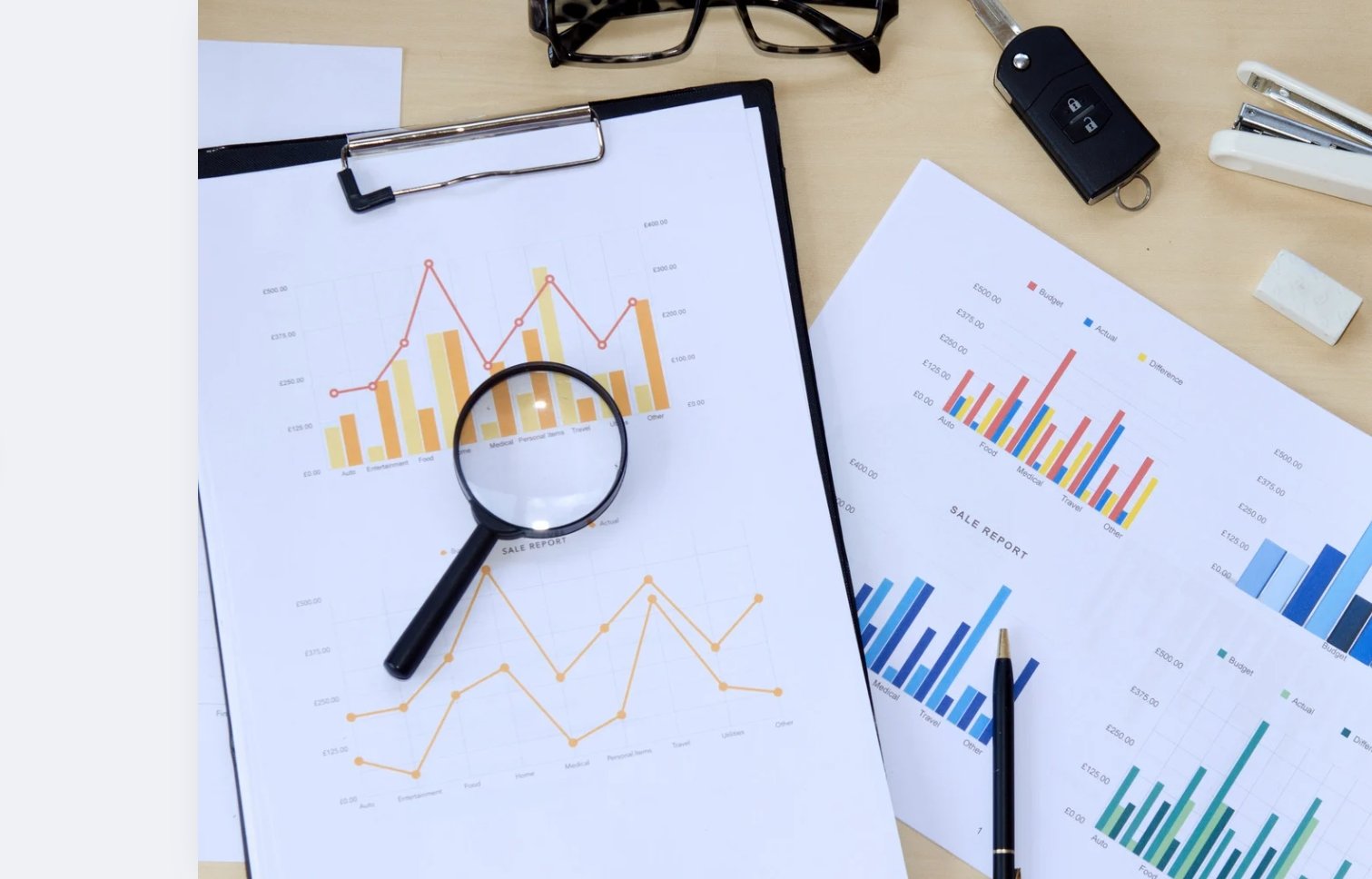

As a doctor, nutritionist, and sports trainer, I see firsthand how professionals and everyday people alike use health resources to support their goals. Here are the five most valuable types:
1. Fitness and movement tools
From smartwatches to free YouTube workouts, movement-focused resources keep you active and injury-free. Tools like pedometers, workout logs, and mobility apps help maintain consistency and track progress.
2. Nutrition and meal planning apps
Meal-tracking apps, hydration reminders, and grocery planners help individuals make better food decisions and understand their nutritional needs — especially when tailored to fitness or medical conditions.
3. Mental health support platforms
Meditation apps, online therapy, and mood journals are crucial resources in today’s stress-filled environment. They support emotional balance, sleep, and cognitive clarity.
4. Educational content
Podcasts, online courses, medical blogs, and video explainers empower users with the knowledge they need to make informed choices — whether that’s about supplements, blood sugar, or posture.
5. Medical monitoring tools
Wearable tech, blood pressure cuffs, glucose monitors, and digital thermometers offer at-home support for those managing chronic conditions, recovering from illness, or optimizing performance.
How to build your own personalized health toolkit
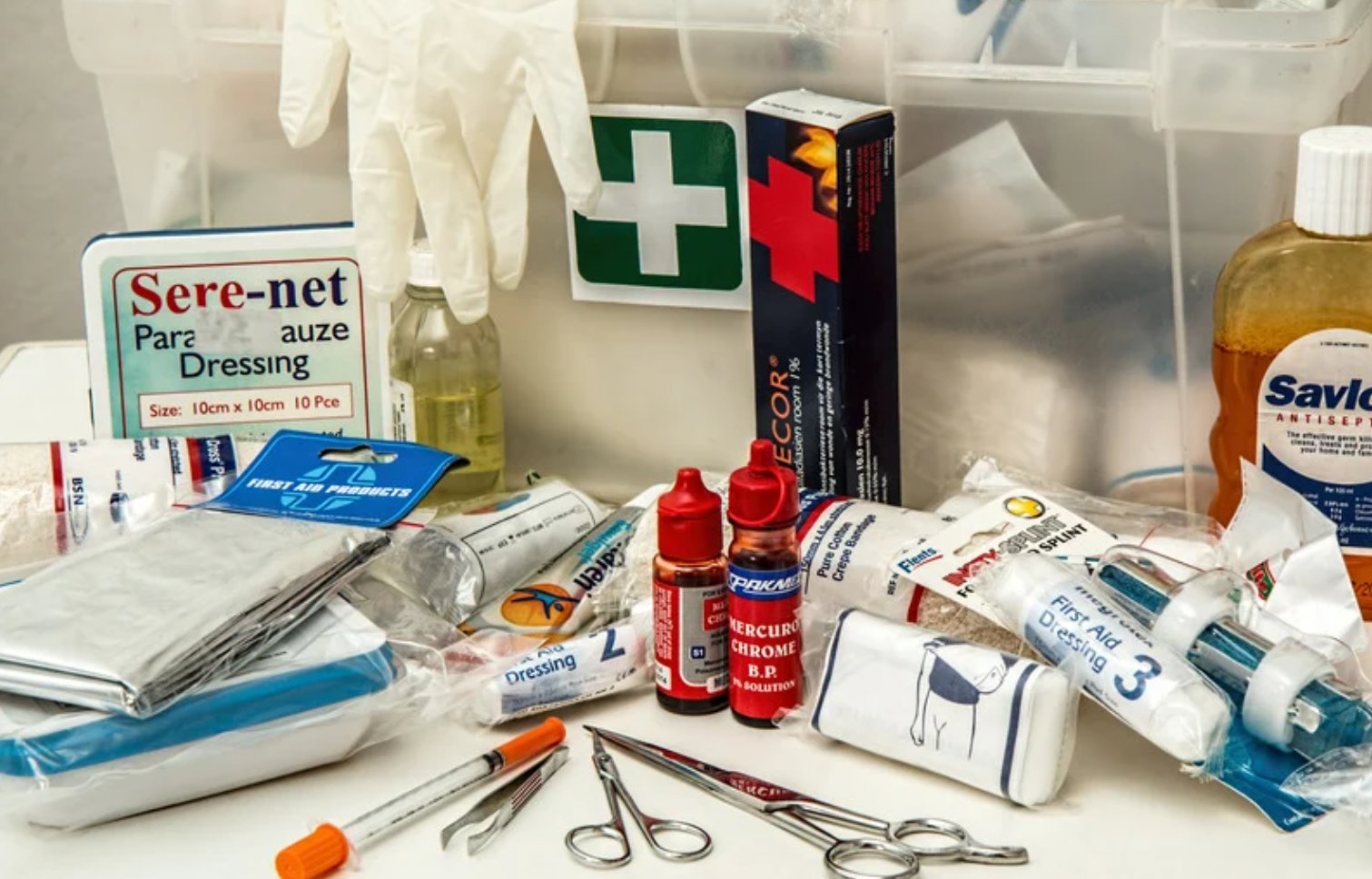
Everyone’s body and goals are different. That’s why your set of go-to health resources should be tailored to you. Start here:
- Assess your needs: Are you looking to reduce stress, lose weight, manage a condition, or gain strength?
- Start small: Choose 1–2 tools that feel intuitive. It could be a hydration tracker or a step counter.
- Focus on consistency: The best tool is the one you’ll use regularly, not the most advanced one.
- Blend digital with human: Online apps are powerful, but don’t replace the insight of real experts.
- Review and adapt: Your needs evolve — your tools should too.
The goal is not to overwhelm yourself with tech or rules — it’s to create a structure that makes healthy living easier and more enjoyable.
A professional’s perspective: From intention to action
In my work, I’ve seen clients transform simply by **adding one or two helpful health resources** into their routine. For example:
- A smartwatch that buzzes every hour can encourage movement in sedentary workers.
- A food log can help identify hidden sugar patterns or trigger foods.
- A meditation app can help athletes manage pre-performance anxiety.
Resources don’t replace discipline — but they support it. They turn abstract goals into measurable behaviors. The key is choosing tools that align with your lifestyle, not the other way around.