



In 2025, with cancer diagnoses anticipated to reach nearly 2 million new cases, understanding when and how to undergo cancer screenings has never been more crucial. Early detection remains the cornerstone of effective treatment and survival, saving countless lives by identifying cancer before symptoms even appear. Recognized authorities like the American Cancer Society, Mayo Clinic, and National Cancer Institute emphasize tailored screening schedules based on age, risk factors, and family history. From breast to colon cancer, these screenings are powerful tools not only for finding cancer early but also for preventing its onset by detecting precancerous changes. As healthcare continues to advance, embracing these screening guidelines is essential for anyone aiming to maintain their health proactively.
Contents
- Understanding the Importance of Cancer Screenings by Age
- Breast Cancer Screening Guidelines: What You Need to Know
- Cervical Cancer Screening: Early Detection Saves Lives
- Colon Cancer Screening: Preventing the Third Leading Cause of Cancer Death
- Additional Screening Tests for High-Risk Individuals
- Expert Resources and Recommendations for 2025
Cancer Screening: Essential Tests and Timing by Age
Cancer screenings are designed to detect the presence of cancer or precancerous cells before any symptoms arise, allowing for timely intervention and better prognosis. Trusted institutions like the Cleveland Clinic and Johns Hopkins Medicine stress that starting regular screenings in your 40s is typical; however, those with increased risk factors such as family history or genetic mutations may require earlier and specialized screenings.
- Benefits of early cancer screening: Detect cancer when it is most treatable and potentially prevent cancer via identification of precancerous conditions.
- Screening risks to consider: False positives or overdiagnosis, which may lead to unnecessary treatments without improving outcomes.
- Screening recommendations: Depend on evidence-backed guidelines from the U.S. Preventive Services Task Force and expert cancer organizations.
Regular consultation with your healthcare provider is vital to understanding your personal risk and commencing the most appropriate cancer screenings for your age and health.


Tailoring Screenings Based on Personal Risk
Whether influenced by lifestyle, family history, or genetic predispositions, cancer risk assessment enables your provider to customize screening schedules, maximizing benefits while minimizing unnecessary procedures. Blue Cross Blue Shield and Kaiser Permanente have integrated such risk-based protocols into patient care, ensuring optimized cancer prevention strategies.
Breast Cancer Screening Guidelines and Recommendations
According to the American Cancer Society and Memorial Sloan Kettering Cancer Center, breast cancer remains one of the most common cancers amongst women, but early detection dramatically improves survival rates. For average-risk individuals:
- Starting Age: Screening mammograms should begin at age 40.
- Frequency: Women aged 40 to 54 are advised to have annual mammograms.
- After 55: Screening every two years is acceptable, though yearly screening may continue based on personal and health factors.
- High-risk groups: May need additional tests such as breast MRI or more frequent mammograms.
The Mayo Clinic highlights the importance of continuing screenings as long as a woman’s life expectancy exceeds 10 years, underscoring that screening remains crucial well past middle age.
Screening options and innovations
Beyond traditional mammograms, emerging modalities such as ultrasound and MRI are becoming key tools for women with dense breast tissue, ensuring no abnormalities are missed. Stay updated with latest guidelines at the American Cancer Society.

Cervical Cancer Screenings: Detecting Precancerous Changes Early
Cervical cancer screening is a proven lifesaver, endorsed by the National Cancer Institute and Cancer Research UK. It uncovers both cancer and precancerous cells that might evolve into cancer, largely due to HPV infections.
- Age to start: 21 years.
- Screening methods: Pap smear and HPV testing.
- Frequency: Ages 21-29, Pap smear every three years.
- Between 30 and 65: Co-testing (Pap + HPV) every five years, or Pap smear alone every three years, or HPV test alone every five years.
- Screening stops: Generally after age 65, unless history indicates otherwise.
Ongoing research confirms that such test combinations not only catch cancer early but can halt its progression through timely intervention.
The impact of HPV vaccination on screening schedules
Widespread HPV vaccination programs supported by the American Society of Clinical Oncology are reshaping screening timelines as fewer HPV infections lead to reduced cancer incidence rates globally.
Colon Cancer Screening: Strategies to Combat the Third Leading Cause of Cancer Death
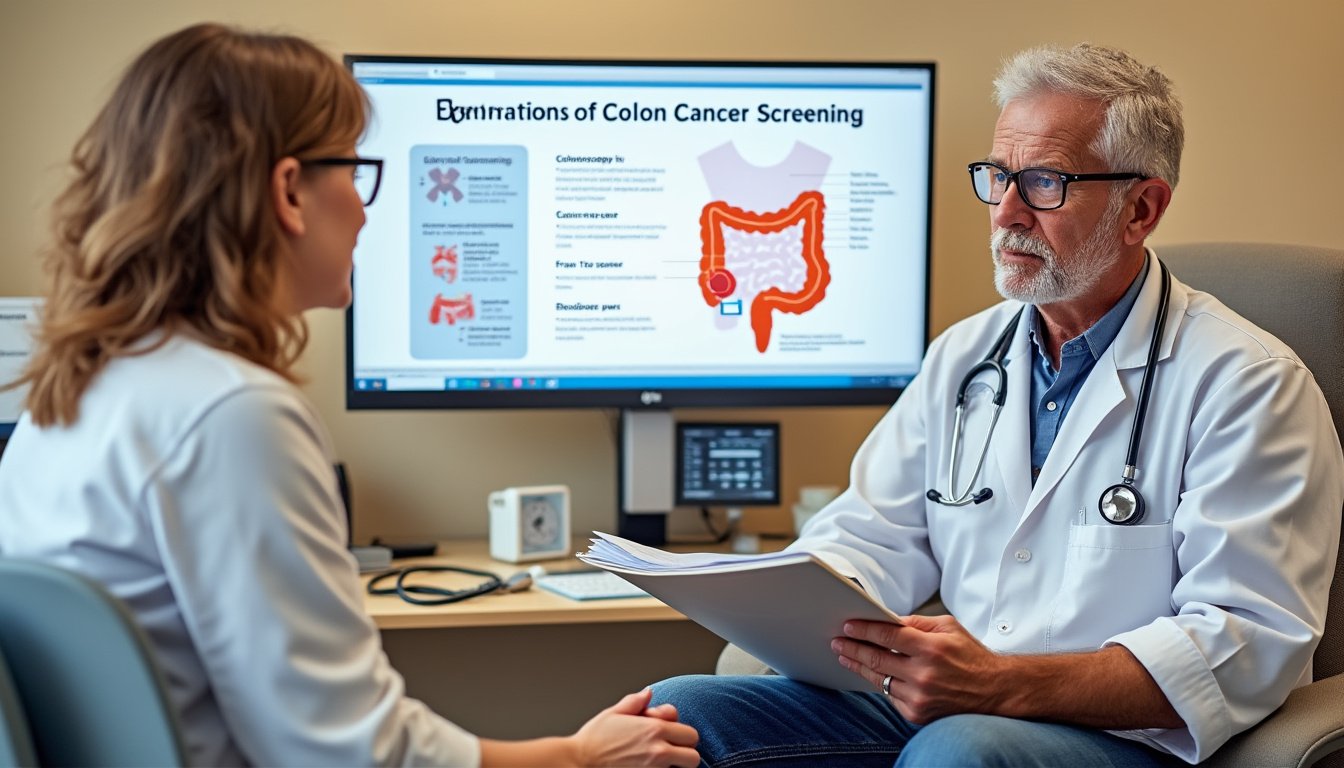
With colon cancer ranking third among cancer fatalities nationwide, timely screenings save lives. The Cleveland Clinic and Kaiser Permanente emphasize that:
- Start at age 45: Routine screening recommended for average-risk adults.
- Continue screening: Until at least age 75, then individualized decisions beyond that.
- Screening options:
- Colonoscopy every 10 years – allows for detection and removal of polyps before they become cancerous.
- Fecal occult blood tests (FIT, gFOBT, DNA-based) every 1–3 years.
- Flexible sigmoidoscopy or CT colonography every 5 years.
- High-risk individuals: Might require earlier screenings or more frequent testing due to family history or other risk factors.
These methods reflect robust guidelines set forth by authorities like the U.S. Preventive Services Task Force and have been widely adopted in clinical practice.
Other Notable Cancer Screening Tests for Specific Risk Groups
Beyond the most common screenings, several other tests may benefit certain populations, as recognized by institutions such as the Mayo Clinic and Memorial Sloan Kettering Cancer Center:
- Lung cancer screening: Recommended for adults 50-80 with significant smoking history, utilizing low-dose CT scans.
- Prostate cancer screening: Men aged 45-69 should discuss PSA testing with their healthcare provider, with earlier screenings for African American men or those with family history.
- Oral cancer screening: Performed during dental visits to look for abnormal growths, especially in tobacco users.
- Skin cancer screening: Annual full-body skin checks by a dermatologist, particularly for individuals with high sun exposure.
Although some of these screenings lack conclusive evidence to recommend universally, they are invaluable when personalized risk factors support their use.
Making Informed Decisions with Your Healthcare Provider
Choosing the proper cancer screenings involves considering your age, personal risk profile, and current health status. Engaging in discussions with health experts is strongly advised to ensure that necessary screenings are not delayed or overlooked. Resources such as the Prevent Cancer Foundation and University of Chicago Medicine’s guide offer comprehensive, age-specific screening advice aligned with expert recommendations.