


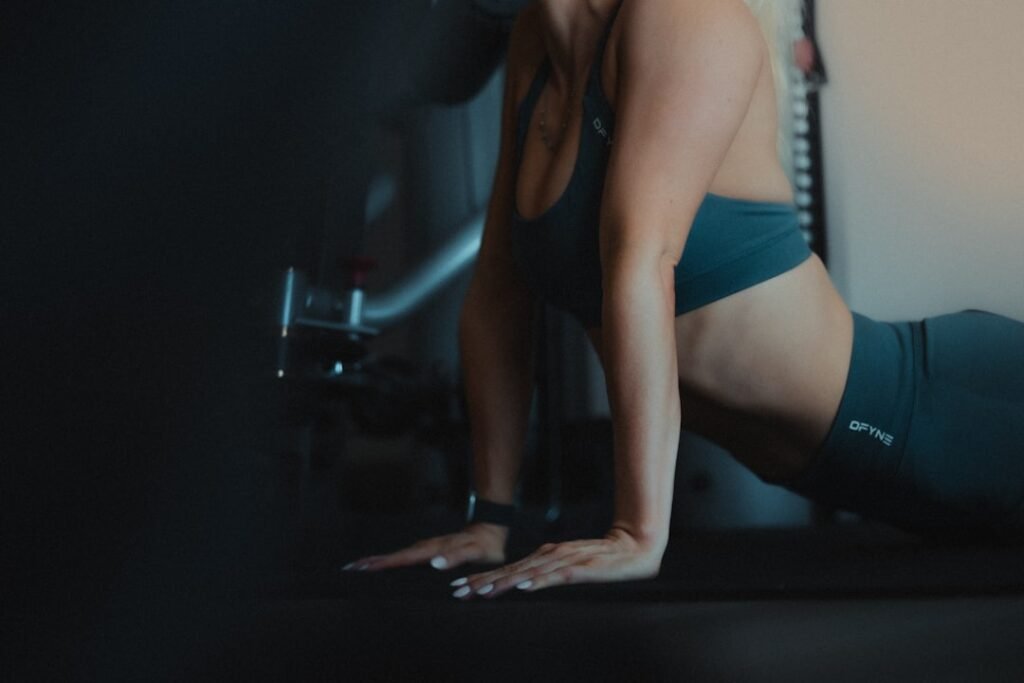
Imagine the human body as a classic architectural marvel that requires constant upkeep to remain standing tall. As the years roll by, the internal foundation can soften, and traditional core exercises often lose their initial potency. Perhaps the standard plank has become a mere waiting game, feeling as effortless as watching the clouds drift across the sky.
But what happens when the winds of time demand a sturdier structure to weather life’s storms? A diminishing core strength can quietly invite an unwelcome guest, leading to poor posture, aching lower backs, and creeping joint vulnerability. Ignoring this gradual decline is a risk that leaves the delicate framework of our skeletal system exposed.
Enter the weighted plank, a subtle yet profound evolution in our daily physical maintenance routine. By adding a gentle, controlled external load to a familiar pose, we transform a stagnant exercise into a dynamic forge for physical resilience. This practice challenges the deep stabilizing muscles, inviting the upper torso and glutes to work in perfect harmony. It is a quiet rebellion against gravity, offering a joint-friendly pathway to a rock-solid center.
- Transform a routine core exercise into a powerful tool for enhancing skeletal resilience and total body stability.
- Protect aging joints through a low-impact progression that fortifies the lower back and improves daily posture.
- Begin with a modest one to two kilograms, gradually conditioning the body to handle the demands of added resistance safely.
- Focus on maintaining an unyielding, straight spine rather than chasing excessive hold times that compromise form.
Unlocking New Dimensions of Core Mastery With Weighted Planks
The journey to an unshakeable center often begins with the simple act of hovering above the ground. Yet, as our muscles adapt to the familiar resistance of our own body weight, the physical challenge wanes, leaving a plateau in its wake. Adding a weighted vest or a small plate introduces a thrilling new variable to the physical equation.
This external load acts as a catalyst, waking up dormant muscle fibers and demanding an immediate, synchronized response from the deepest layers of the abdomen. We are no longer just holding a position; we are actively resisting an invisible force pushing us downward. The entire muscular chain must coordinate to prevent the body from yielding to the earth.
The Anatomy of a Fortified Midsection
When the torso is subjected to this newfound pressure, the body orchestrates a brilliant defensive strategy. The gluteal muscles contract with greater ferocity, while the stabilizing muscles along the spine lock into an unwavering alignment. It is akin to reinforcing the wooden hull of a ship before braving restless, unpredictable waters.
We are not simply building aesthetic appeal; we are crafting a functional armor that supports every twist, turn, and bend of our daily lives. This internal bracing mechanism is particularly vital as we navigate the physical demands of later life. Ensuring that every movement is grounded in profound strength allows us to move with the grace of our youth.
Strategic Execution and Flawless Form for Lasting Vitality
The transition from a standard hold to a loaded variation requires a mindful approach, treating the body with the reverence it truly deserves. Precision is the ultimate guardian of safety, especially when we ask our joints and spine to bear additional burdens. The process can be beautifully collaborative or a profound testament to independent grit.
Rushing the setup is a guaranteed path to discomfort, so patience must guide every movement. Whether using a specialized weighted vest or a simple cast-iron plate, the initial positioning dictates the success of the entire endeavor.
Navigating the Setup With Grace and Precision
If you have a companion, the setup resembles a carefully choreographed dance. You establish a pristine tabletop posture on your hands and knees, aligning your wrists beneath your shoulders like sturdy architectural pillars. Once your legs are extended and your core is fully braced, your partner gently places the plate across your upper back.
This shared endeavor ensures the weight is perfectly centered, allowing you to focus entirely on the muscular symphony required to keep your hips from sinking. For those undertaking this physical challenge solo, a touch of ingenuity is required. Beginning in a kneeling stance, hold a modest weight plate against the lower back, feeling its texture and gravity.
As you walk your hands forward into the push-up position, the plate must remain perfectly balanced, acting as a silent teacher of body awareness. Holding the position for ten to thirty seconds is plenty for a beginner. Slowly returning to the kneeling position prevents the equipment from tumbling haphazardly.
Beyond Muscle: The Profound Impact on Bone Density
The narrative of physical aging often whispers tales of fragility, but we possess the tools to rewrite that discouraging script entirely. The skeleton, much like a living coral reef, requires the gentle stress of the ocean’s currents to grow denser and more resilient over time. Weighted planks serve as this vital current, offering a remarkable stimulus for our internal framework.
This isometric challenge provides exceptional benefits for bone health without the harsh, jarring impact of running or jumping. It is a sophisticated way to demand more from our skeletal structure while keeping our vulnerable knee and hip joints perfectly safe.
| Exercise Modality | Primary Muscular Focus | Impact on Skeletal Density | Recommended Duration |
|---|---|---|---|
| Standard Bodyweight Hold | Superficial abdominal wall | Minimal to moderate | Up to sixty seconds |
| Loaded Back Variation | Deep stabilizers and glutes | Significant improvement | Ten to thirty seconds |
| Dumbbell Side Hold | Obliques and lateral chain | Targeted hip reinforcement | Ten repetitions per side |
Defying Gravity to Preserve Elegant Posture
As we progress through the decades, gravity relentlessly attempts to pull our shoulders forward, curving the spine into a permanent slouch. By engaging in loaded isometric holds, we train the erector spinae muscles to fight back against this invisible downward pull. Scientific observations leading up to 2026 have continuously illuminated how such weight-bearing exercises actively combat the natural decline in bone minerals.
The result is a physical form that not only stands taller but radiates the quiet confidence of a well-maintained structural masterpiece. The joints remain untaxed by violent impacts, yet the bones are persuaded to fortify their internal lattice. Expansive, upright postures naturally make us feel more vibrant and ready to embrace the day’s adventures.
Navigating Common Pitfalls to Protect the Lower Back
Even the most potent and healing medicine can become harmful if administered incorrectly. In the eager pursuit of a stronger center, ambition can sometimes overshadow technique, leading to uncomfortable and entirely avoidable consequences. The lower back is often the first victim of a misaligned hold.
When the hips are allowed to dip toward the floor, the lumbar spine compresses, protesting with a sharp ache that defeats the purpose of the exercise. Conversely, hiking the hips too high toward the ceiling turns the movement into a simple resting pose, robbing the core of its intended workload.
The Art of Creating Total Body Tension
A flawless loaded hold is a beautiful expression of total physical unity, connecting the mind and muscle seamlessly. It is a common mistake to believe that only the stomach muscles are involved in this gravity-defying feat. When the shoulder blades collapse inward, creating a ‘winging’ effect, the delicate structural integrity of the upper back is deeply compromised.
The remedy requires a touch of imagination: picture yourself crushing a ripe, juicy piece of fruit in each armpit. This vivid mental image instantly activates the latissimus dorsi, prompting you to press the floor away with authority. Furthermore, time is a highly deceptive metric in the realm of isometric training.
Holding a compromised, sagging position for three minutes is far less beneficial than maintaining an immaculate, trembling posture for a mere twenty seconds. Starting with a gentle load of one to two kilograms allows the nervous system to gracefully adapt to the new sensory input. By treating the body with respect and focusing on absolute precision, the movement remains a boundless source of vitality.