


Exploring the Core Principles of Blue Zones for Lasting Longevity
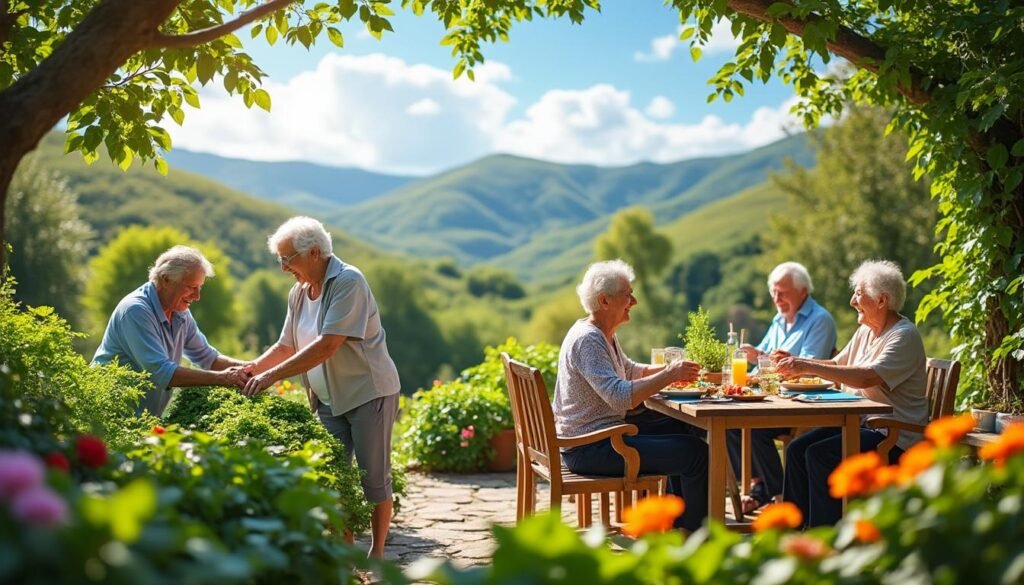
Blue Zones represent rare locations worldwide where people regularly live beyond the age of 100, often with remarkable health and vitality. The concept, popularized by Dan Buettner through his research published in collaboration with National Geographic, highlights five regions: Okinawa (Japan), Sardinia (Italy), Nicoya (Costa Rica), Ikaria (Greece), and Loma Linda (California, USA). Individuals in these zones exhibit longevity far surpassing global averages, not simply by chance but through a combination of lifestyle practices.
The foundation of Blue Zones longevity lies in modest, consistent daily habits. Research by the Stanford Longevity Center, led by Dr. Deborah Kado, stresses that genetic predisposition accounts roughly for just 20 to 30% of a person’s lifespan. The other major share comes from well-rooted behaviors—what people eat, how they move, how they interact socially, and the sense of purpose they cultivate.
Adoption of lifestyle habits such as a primarily plant-based diet (what experts refer to as the Plant Slant), engaging in natural physical activity like walking and gardening, minimizing stress, nurturing connections with others, and embracing spirituality or life’s purpose emerge as the pillars of these thriving communities.
These communities do not pursue extreme health regimens; instead, they integrate sustainable wellness practices that harmonize with daily living. For example, in Sardinia, men and women both enjoy a diet rich in vegetables, grains, and beans, accompanied by moderate wine consumption. Meanwhile, in Ikaria, regular socializing combined with a relaxed pace of life serves as a natural stress buffer.
These collective insights provide a practical framework for anyone eager to enhance their healthspan. By carefully layering these habits and emphasizing longevity as more than just lifespan but as a measure of quality life, ordinary individuals globally can draw inspiration from the Blue Zones model.
- Emphasize a whole food, predominantly plant-based diet.
- Incorporate natural movement instead of intensive exercise routines.
- Maintain regular, meaningful social interactions.
- Manage stress through intentional relaxation techniques.
- Find and nurture a personal sense of purpose daily.
Embracing these elements has been shown to reduce incidents of chronic diseases such as hypertension and diabetes, which are notably less common in Blue Zone populations than in most parts of the world as of 2025. The simple yet powerful lifestyle choices uncovered by Dan Buettner emphasize a path accessible to anyone, wherever they live.

Nutrition Insights from Blue Zones: The Power of the Plant Slant and Mindful Eating
One of the most significant factors contributing to the remarkable longevity in Blue Zones is their distinct dietary pattern, often termed the Plant Slant. This approach places vegetables, legumes, whole grains, nuts, and fruits at the center of the daily menu, with meat consumed rarely and in small portions.
For example, Okinawa’s traditional diet consists heavily of sweet potatoes, green leafy vegetables, tofu, and seaweed, while Sardinians favor beans, fava, and garden vegetables. The residents of Nicoya, Costa Rica, traditionally consume beans, corn, and squash—foods rich in fiber and antioxidants.
This predominantly plant-based nourishment provides essential nutrients and supports a healthy gut microbiome, which research increasingly links to aging well. Beyond what is eaten, the manner of eating in Blue Zones emphasizes moderation. Residents often practice “hara hachi bu,” an Okinawan tradition meaning to eat until they are 80% full, preventing overeating.
Alcohol consumption, particularly moderate wine intake during meals in places like Sardinia and Ikaria, is another facet of their balanced nutrition. This practice correlates with the social and relaxed dining environment that promotes digestion and community bonding.
Longevity specialists recommend adopting these dietary principles not by sudden overhaul but by gradual integration of:
- Increasing daily servings of vegetables and legumes.
- Emphasizing whole, unprocessed foods and limiting refined sugars and fats.
- Moderating portion sizes and cultivating mindfulness during meals.
- Reducing meat consumption to occasional servings.
- Including moderate doses of fermented foods for digestive health.
Studies from the Blue Zones provide a compelling blueprint for nutrition that reduces inflammation and supports cellular health; approaches detailed in extensive resources like Fast Track Urgent Care’s thorough write-up and Storylines’ examination of hidden longevity keys.
Implementing these habits aligns closely with broader wellness practices prioritized in 2025, where plant-forward diets have become central to global public health recommendations.
Active Living and Stress Management: Daily Rituals of Blue Zones Inhabitants
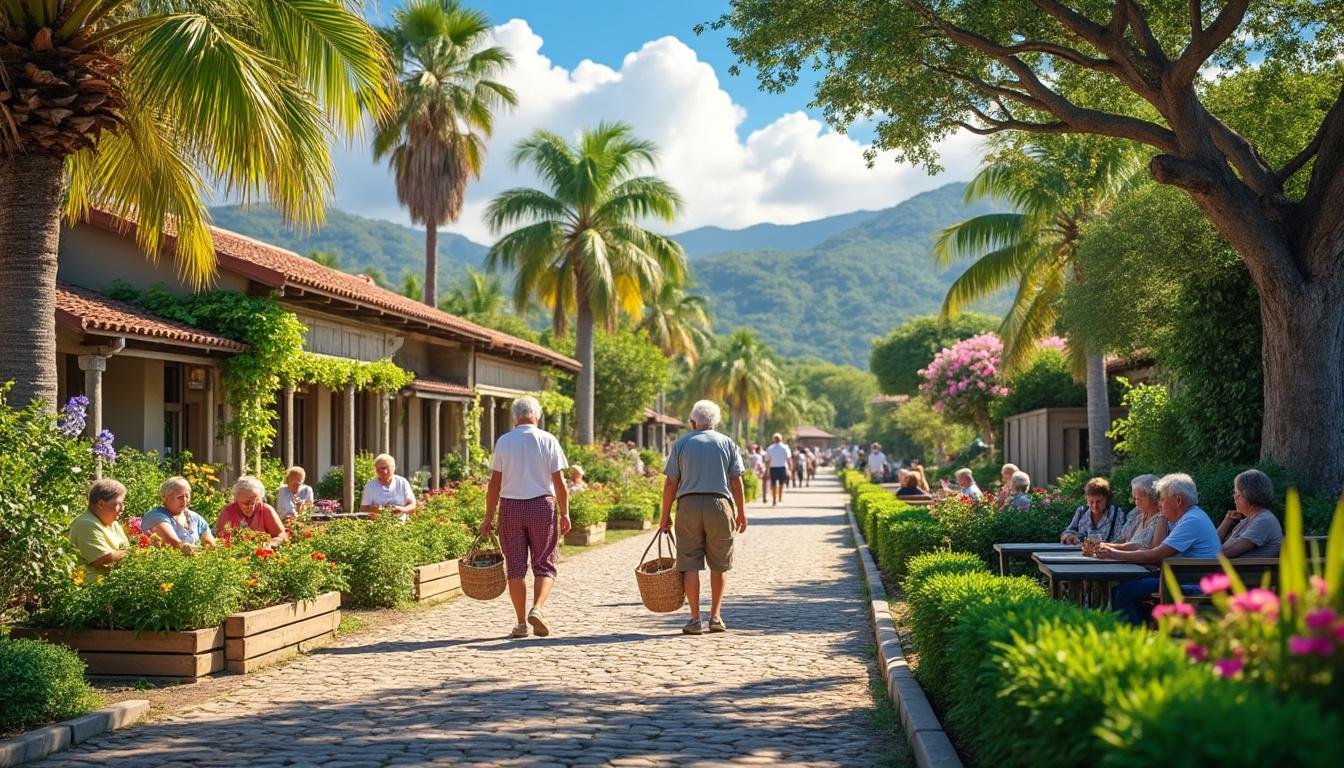
Physical activity in Blue Zones differs markedly from the structured exercise regimes common in many Western countries. Rather than relying on gyms or intense workouts, Blue Zone populations incorporate movement naturally into their daily routines — a habit often overlooked but fundamental to their longevity.
Examples include walking as a primary mode of transportation, gardening, household chores, and purposeful manual tasks such as farming or simple crafts. These forms of low-intensity, frequent movement help maintain cardiovascular health, muscle tone, and balance, contributing to their low incidence of falls and frailty.
Longevity expert Marjorie Jaffe emphasizes the accessibility of such activity: “Walking is the best exercise,” she notes, advising people to start with small increments tied to daily responsibilities such as errands or social calls. This encourages both physical and mental engagement.
In tandem with physical activity, stress reduction emerges as a crucial factor. Blue Zone residents practice intentional de-stressing techniques to lower chronic stress hormones which can accelerate aging. Techniques include regular naps, social time with friends and family, storytelling, spiritual practices, and relaxation rituals embedded in daily life.
Longevity specialists recommend integrating stress management by:
- Allocating time for daily breaks and relaxation.
- Engaging in communal activities that foster trust and support.
- Practicing mindfulness meditation or journaling.
- Prioritizing good sleep hygiene and power naps when possible.
- Preserving a positive outlook through a strong sense of life purpose.
Researchers report that these habits markedly lower the risk of depression and inflammation markers, critical contributors to chronic disease in aging populations. As chronic stress becomes a prevalent concern globally, Blue Zones’ lessons offer practical strategies to slow the aging process naturally and holistically.
For an in-depth discussion on how sustainable movement and stress control are reshaping wellness, see Live Well Magazine’s feature.
Social Connections and Community: The Unsung Pillars of Longevity in Blue Zones
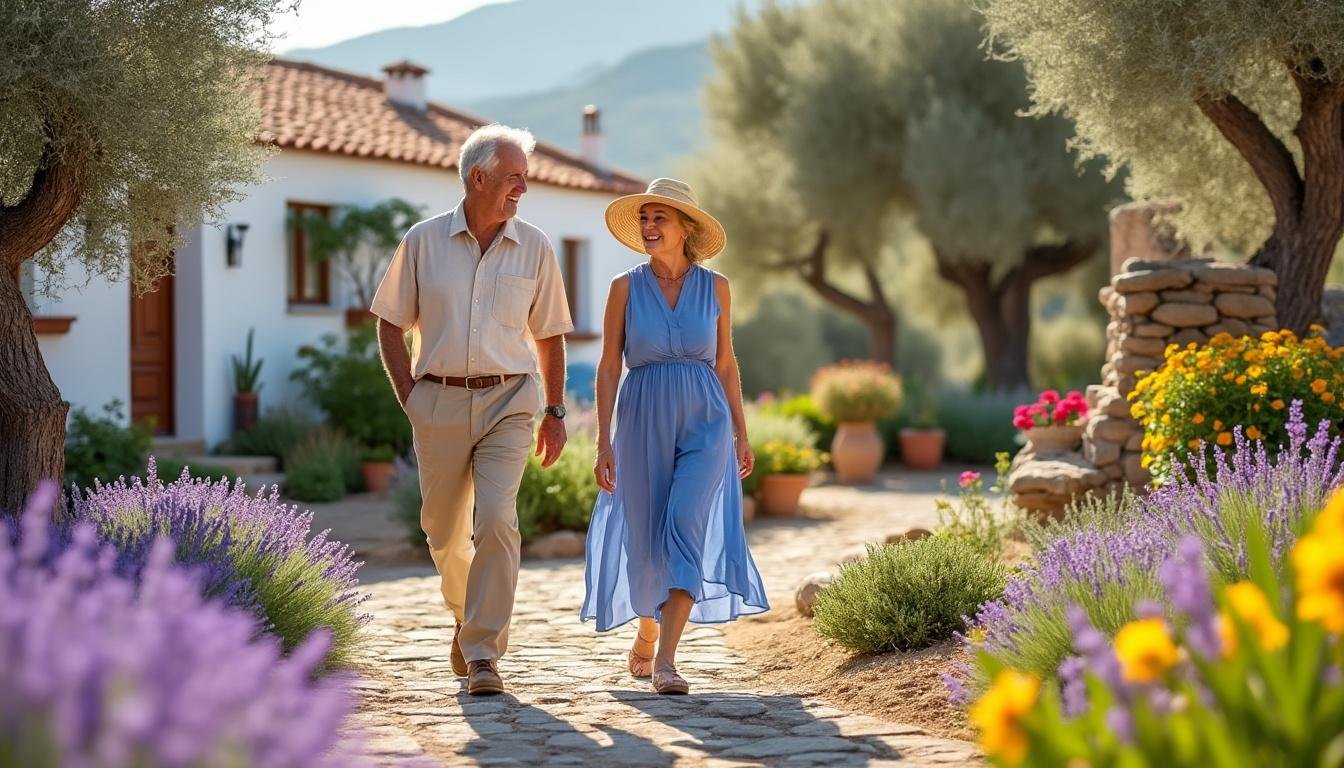
One of the less tangible but profoundly impactful aspects of Blue Zones longevity is the quality and closeness of social bonds. These communities emphasize strong familial ties, friendships, and active participation in communal rituals that foster a sense of belonging and purpose.
In Loma Linda, California, for instance, many centenarians participate in church activities which provide social support and shared values. Similarly, in Nicoya and Okinawa, living near extended family and valuing mutual care is integral to daily life.
Social engagement serves multiple health functions: it combats loneliness and depression, encourages healthy behaviors through social accountability, and provides emotional resilience. The role of caregiving and intergenerational support is particularly noteworthy in Blue Zones, as maintaining close connections between elderly relatives and younger family members creates beneficial cycles of support and activity.
Longevity experts advise cultivating social ties by:
- Making time for frequent, meaningful interactions with loved ones.
- Participating in community groups, clubs, or volunteer work.
- Fostering intergenerational relationships within families.
- Building supportive networks emphasizing shared activities like cooking or gardening.
- Engaging in spiritual or religious communities that align with personal beliefs.
Publications discussing these dynamics include Dr. Pradeep Albert’s insights and News Medical’s blueprint on Blue Zones health. Their analyses underscore how community is not just a social luxury but a health imperative driving longevity outcomes observed in Blue Zones.
Defining Life Purpose and Spirituality as Pillars of a Century-Long Life
Beyond diet, activity, and relationships, Blue Zones emphasize a sense of purpose—a fundamental psychological and spiritual component of longevity. Referred to in Okinawa as “Ikigai” or in Nicoya as “Plan de Vida,” this concept embodies the idea that having a reason to wake up each day encourages healthier, more active living.
Centenarians in these areas often describe their continuing engagement in meaningful activities such as volunteering, mentoring, or pursuing hobbies, which contributes to cognitive resilience and emotional well-being.
Spiritual practices likewise play a significant role. Many Blue Zones residents participate in daily rituals, prayers, or religious gatherings which reinforce community ties and provide comfort. The result is a harmonious balance between mind, body, and spirit that wards off despair and promotes longevity.
Ways to cultivate purpose and spiritual wellness include:
- Setting small, achievable personal goals that provide daily motivation.
- Engaging in volunteer or mentorship roles within one’s community.
- Adopting meditation, prayer, or contemplative practices aligned with individual beliefs.
- Pursuing hobbies or creative outlets that stimulate the mind and joy.
- Reflecting regularly on life achievements and future aspirations.
This focus on holistic wellness resonates in 2025 with growing recognition that psychological health influences physical longevity. For practical guidelines on integrating these principles into your life, explore comprehensive resources like the feature on Live Well Magazine’s expert advice and related wellness journalism.
What are the five official Blue Zones?
The five recognized Blue Zones are Okinawa (Japan), Sardinia (Italy), Nicoya (Costa Rica), Ikaria (Greece), and Loma Linda (California, USA). These regions have the highest concentrations of centenarians globally.
How does a plant-based diet contribute to longevity?
A plant-based diet is rich in antioxidants, fiber, and essential nutrients while low in harmful fats. It reduces inflammation and decreases the risk of chronic diseases, both critical factors in achieving longer, healthier lives.
Why is social connection important for a long life?
Strong social bonds provide emotional support, decrease stress, and encourage healthier behaviors. Blue Zone residents’ active community lives help foster resilience, ward off depression, and improve overall well-being.
Can I adopt Blue Zone habits if I don’t live in these regions?
Absolutely. The core lifestyle habits observed in Blue Zones, such as mindful eating, regular natural movement, and nurturing social connections, can be adapted and integrated into everyday life anywhere.
What role does purpose play in longevity?
Having a clear sense of purpose motivates individuals to remain active and engaged, which supports mental and physical health. This element is a common and powerful factor among Blue Zone inhabitants contributing to their extended lifespans.