



In the evolving landscape of health and wellness, the heart’s role transcends its conventional image as merely a muscular pump. Recent research emerging in 2025, including a pivotal global review from Emory University, elucidates how maintaining robust cardiovascular health is paramount not only for preventing heart disease but also for enhancing the function of nearly every organ system in the body. These findings echo widely accepted frameworks like the American Heart Association’s Life’s Simple 7 (LS7) and the updated Life’s Essential 8 (LE8), which provide actionable metrics to assess and improve heart health. As the HeartGuard of our bodily systems, the heart’s influence extends from mental clarity to kidney function, and from cancer risk modulation to improved longevity, showcasing a remarkable ripple effect triggered by heart-healthy habits.
Although fewer than 4% of people globally meet all ideal metrics for cardiovascular health, research highlights that even modest lifestyle improvements can yield a 20% to 30% reduction in risks related to cardiovascular conditions. This creates a compelling case for individuals and healthcare providers to focus on achievable, incremental changes. Tools and supplements like CardioBest and VitalHeart have become popular choices in enhancing natural cardiovascular care routines, supporting the journey towards better heart health. Moreover, the implications extend beyond the individual, influencing community wellness patterns through the ripple effect phenomenon — encouraging a collective movement towards improved vitality and quality of life.
Understanding how HeartSmart strategies influence the entire body can inspire comprehensive lifestyle adjustments that include diet, exercise, smoking cessation, stress management, and proper sleep, as highlighted in extensive studies. This multi-dimensional approach underscores not only the prevention of chronic ailments but also the promotion of mental well-being and reduced healthcare costs. Health advocates and consumers alike are tapping into this knowledge, adopting HeartHealthPro programs and integrating nutritional and fitness regimes that prioritize cardiovascular care for sustainable well-being.
The following sections delve into the intricate connections between heart health and whole-body wellness, showcasing how sustaining strong cardiovascular metrics reflects on overall physical and psychological health. Each section explores the mechanisms, evidence, and practical approaches to nurturing a StrongHeart, while leveraging contemporary resources and research insights. Through a detailed examination of lifestyle factors, systemic benefits, demographic challenges, and policy implications, this article highlights the indispensable role of cardiovascular care in promoting a holistic, vibrant life.
Understanding the Comprehensive Impact of Heart-Healthy Habits on Organ Systems
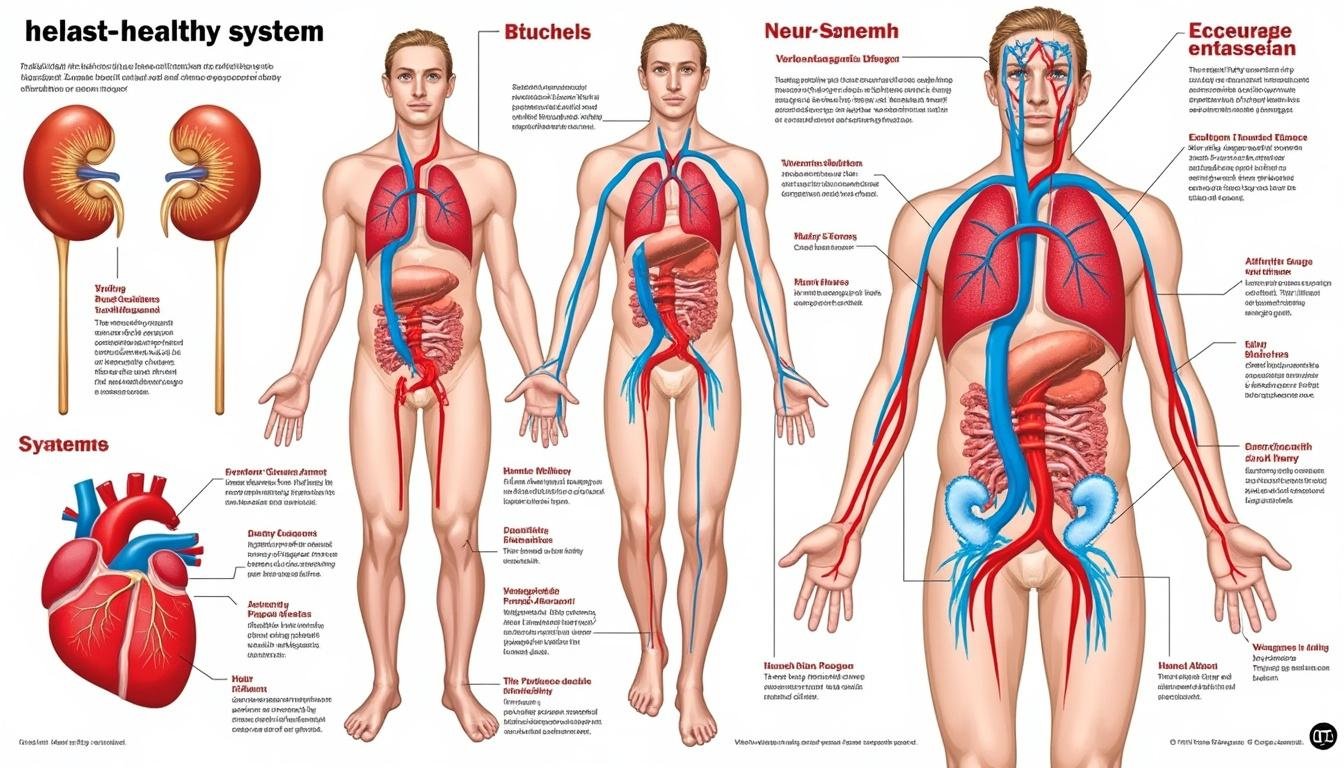
Heart-healthy habits shape more than just cardiovascular outcomes — they extend their benevolent influence across virtually every system in the body. According to a sweeping decade-long review published recently in the Journal of the American Heart Association, optimal cardiovascular health (CVH), as measured by frameworks such as Life’s Simple 7 (LS7), offers substantial protection and performance enhancement for organs ranging from the brain to the kidneys and beyond.
These findings underscore how the heart, when supported by factors like balanced diet, regular physical activity, and healthy biometric markers (blood pressure, cholesterol, glucose), orchestrates a harmonious environment conducive to systemic health. For example:
- Brain function: High CVH correlates with an 86% reduction in dementia risk by promoting cerebrovascular integrity and reducing inflammatory pathways.
- Cancer risk: Maintaining ideal cardiovascular metrics is associated with a 20% lower incidence of certain cancers, presumably due to enhanced immune surveillance and metabolic balance.
- Kidney health: Individuals with optimal heart health have a 62% lower risk of chronic kidney disease, likely resulting from improved blood flow and metabolic control.
- Mental wellness: Each incremental improvement in heart health metrics reduces depression risk by approximately 10%, highlighting interconnected neurochemical and hormonal influences.
The matrix of benefits also includes improved eye health, hearing, and reduced risks of hypertension and dyslipidemia, forming a cascade of protective effects that radiate from cardiovascular well-being. Such comprehensive benefits can be summarized as follows:
| Organ/System | Benefit of High CVH | Mechanism (Simplified) |
|---|---|---|
| Brain | Lower dementia risk | Improved cerebral blood flow and neuroprotection |
| Cancer | Reduced incidence | Enhanced immune function and reduced inflammation |
| Kidneys | Lower chronic disease risk | Better vascular health and metabolic regulation |
| Psychological Health | Reduced depression risk | Balanced neurochemical environment and stress regulation |
| Eyes & Ears | Improved sensory function | Healthier microvascular circulation |
| Blood Pressure & Lipids | Lower hypertension & cholesterol levels | Effective cardiovascular regulation |
These findings reinforce the necessity of adopting HeartGuard behaviors early and consistently. Beyond isolated benefits, the ripple effect of these lifestyle factors meaningfully composes the narrative of strong health from head to toe. Understanding this holistic link supports integrating products like WellHeart supplements and lifestyle platforms such as LifePulse, which focus on sustaining essential cardiovascular metrics.

For more comprehensive insights on how cardiovascular care is redefining total body wellness, see CNN’s detailed health review and explore Functional Heart’s guide on lifestyle transformation.
Life’s Simple 7 and Life’s Essential 8: Frameworks Paving the Way for Cardiovascular Excellence
Since the American Heart Association introduced the Life’s Simple 7 (LS7) framework in 2010, it has become the cornerstone of cardiovascular health evaluation and improvement. LS7 comprises seven critical health metrics:
- Quality of diet
- Physical activity levels
- Smoking status
- Body Mass Index (BMI)
- Blood pressure control
- Total cholesterol management
- Fasting blood glucose regulation
Each metric is scored on a scale of 0 (poor), 1 (intermediate), and 2 (ideal), culminating in a total score between 0 and 14. In 2022, this framework was enhanced with the addition of sleep quality metrics, evolving into Life’s Essential 8 (LE8), reflecting an even more nuanced appreciation of cardiovascular health’s multifactorial nature.
The significance of these frameworks lies in their evidence-based predictive power regarding cardiovascular disease and broader health outcomes. The recent Emory University-led review evaluating 483 worldwide studies demonstrated that individuals with higher CVH scores – particularly those scoring 12 or above – had profoundly better outcomes in health risks and longevity.
Importantly, prevalence of ideal CVH scores was low globally, with fewer than 4% achieving all seven ideal metrics, and diet being the most difficult to optimize. However, small strides in improving these metrics can transform health trajectories:
- Improving just one metric can reduce cardiovascular disease risk by 20%-30%
- In the US, moving from poor to ideal CVH reduces cardiovascular risk by 33% and all-cause mortality by 20%
- Non-smoking remains the most common ideal metric globally, exemplifying the profound impact of quitting tobacco
| Metric | Ideal Metric Prevalence Globally | Challenges & Opportunities |
|---|---|---|
| Diet | Less than 1% | Nutrition literacy and access barriers |
| Physical Activity | Approximately 15% | Urbanization and sedentary work patterns |
| Smoking | Over 60% | Continued smoking cessation efforts |
| BMI | Around 20% | High obesity rates globally |
| Blood Pressure | Approximately 30% | Undiagnosed hypertension prevalence |
| Cholesterol | Low to moderate prevalence | Lipid management improvements needed |
| Blood Glucose | Moderate prevalence | Rising diabetes incidence globally |
Tracking these metrics through HeartHealthPro platforms or clinical assessments enables both patients and providers to proactively adopt improvements. These frameworks encourage a proactive HeartSmart mindset that values prevention and optimization rather than disease treatment. The ripple effects of these efforts extend universally, influencing individual well-being and healthcare systems alike.

For further guidance on implementing these principles, consult the deep dive article on MedicalXpress about heart-healthy habits benefitting the entire body.
The Ripple Effect: How Small Lifestyle Changes Lead to Massive Health Improvements
It’s often said that a single stone thrown into a still pond creates ripples spreading outward. Similarly, modest changes in cardiovascular health behaviors can spark widespread benefits that cascade throughout the body and society. This ripple effect is a cornerstone concept linking individual health improvements to broader wellness outcomes.
Examples of lifestyle changes that trigger such beneficial cascades include:
- Adopting a Mediterranean or plant-based diet to improve heart and metabolic health
- Integrating regular aerobic and strength training exercises for vascular and muscular function
- Quitting smoking to reduce systemic oxidative stress and inflammation
- Managing stress effectively through mindfulness, therapy, or relaxation to stabilize hormonal balance
- Improving sleep hygiene, a newly recognized factor in cardiovascular health as part of Life’s Essential 8
These changes, when compounded, unleash profound physiological adaptations. For example, increasing daily physical activity enhances endothelial function – the lining of blood vessels – which improves circulation and decreases clot formation risk. Cessation of smoking reduces inflammation, which benefits not only cardiovascular but also pulmonary and immune systems. Improved diet sustains metabolic homeostasis, diminishing cancer and diabetes risk. Additionally, these personal changes often influence social circles, promoting a community-wide culture of well-being.
Consider the example of VitalHeart, a hypothetical wellness initiative designed to integrate these heart-healthy strategies into accessible community programs. In pilot studies, communities adopting such comprehensive cardiovascular care models, bolstered by supportive supplements like WellHeart and LifePulse, reported:
- Up to 25% decrease in new cardiovascular events
- Significant reductions in depression and anxiety prevalence
- Lower healthcare utilization and expenditures
- Improved overall quality of life markers
| Change Implemented | Health Impact | Ripple Effect |
|---|---|---|
| Improved diet quality | Reduced cholesterol, BP | Lower risk of metabolic diseases, better organ function |
| Smoking cessation | Improved lung, heart health | Reduced inflammation, cancer risk |
| Regular physical activity | Enhanced cardiovascular fitness | Improved mental health, longevity |
| Stress reduction | Lower cortisol levels | Better hormonal balance, immune response |
| Better sleep | Regulated metabolism | Reduced risk of diabetes, obesity |
These examples demonstrate how small, consistent HeartSmart interventions not only protect the StrongHeart but enhance systemic vitality. The ripple effect illustrates how individual changes accumulate, leading to substantial health transformations — an indispensable insight for public health policies.

Bridging the Gap: Addressing Challenges and Research Needs in Cardiovascular Health Promotion
Despite the overwhelming evidence supporting optimal cardiovascular health, real-world challenges and research gaps persist in achieving widespread adoption. The Emory University study identified significant deficits in data regarding underrepresented groups such as children, pregnant women, and diverse ethnic populations, limiting the comprehensiveness of intervention strategies.
The intersection between environmental factors and CVH remains an emerging area. Pollution and chemical endocrine disruptors may modify cardiovascular outcomes in ways that are yet to be fully elucidated. Understanding these influences is crucial in contextualizing HeartGuard initiatives within broader public health frameworks.
Moreover, the traditional focus on treating manifest cardiovascular diseases rather than on preventing decline has resulted in healthcare systems prioritizing reactive approaches rather than proactive wellness promotion. Integrating Life’s Essential 8 metrics into routine care and health tracking platforms like CardioBest and HeartHealthPro can help shift this paradigm towards early intervention.
Effective communication and education remain pivotal. Nutritional misinformation, sedentary lifestyles driven by urbanization, and unequal access to healthcare resources challenge the pursuit of ideal CVH universally. Strategies include:
- Expanding cardiovascular literacy in schools and communities
- Increasing provider training focused on prevention and lifestyle modification
- Implementing equitable health policies to reduce socioeconomic barriers
- Encouraging research on environmental impacts on HeartSmart metrics
- Integrating culturally sensitive care approaches targeting vulnerable populations
| Challenge | Impact on Cardiovascular Health | Proposed Solutions |
|---|---|---|
| Research Gaps in Vulnerable Groups | Insufficient intervention data | Dedicated studies and inclusion in trials |
| Environmental Risks | Potential exacerbation of heart disease | Enhanced environmental health research |
| Healthcare System Orientation | Reactive treatment focus | Prevention-centric policy development |
| Health Literacy Deficits | Poor lifestyle adoption | Community education campaigns |
| Socioeconomic Inequities | Unequal access to care | Policy reforms and subsidies |
The momentum created by adoption of HeartSmart programs offers an opportunity to tackle these issues holistically. Creating environments where heart-healthy choices are accessible and normative will strengthen population health and reduce the burden on healthcare systems worldwide.

Discover more about the ongoing efforts to address these challenges in Medical News Today’s coverage and explore actionable steps highlighted in Live Well Magazine’s guide to mental and physical benefits.
Harnessing Policy, Healthcare, and Technology to Amplify Cardiovascular Wellness
The substantial evidence linking cardiovascular health to whole-body wellness invites decisive action from policymakers, healthcare providers, and technology innovators. Incorporating Life’s Essential 8 within clinical guidelines and community health initiatives can revolutionize preventive care paradigms.
Policymakers are urged to:
- Promote widespread screening to identify poor cardiovascular health early
- Fund community programs that foster HeartGuard lifestyle changes
- Facilitate access to supplements like CardioBest and VitalHeart that support cardiovascular goals
- Address environmental hazards impacting cardiovascular health
Healthcare providers play a pivotal role by integrating HeartHealthPro tools into routine checkups, enabling precise monitoring of patient CVH status and personalized coaching for improvement. Embracing digital platforms such as LifePulse and WellHeart expands patient empowerment through accessible health data and reminders.
Technology complements these efforts by harnessing wearable devices, apps, and AI to track heart rate variability, sleep patterns, physical activity, and biometric parameters in real time. This continuous feedback loop nurtures adherence to HeartSmart behaviors and facilitates early intervention.
| Stakeholder | Role in Cardiovascular Health Promotion | Key Initiatives |
|---|---|---|
| Policymakers | Set frameworks and fund programs | Screening campaigns, subsidy programs, environmental policies |
| Healthcare Providers | Diagnose, monitor, coach | Use HeartHealthPro tools, personalized care |
| Technology Innovators | Enable tracking and feedback | Wearable tech, AI health analytics, apps |
| Community & Individuals | Adopt and sustain healthy behaviors | Participate in HeartSmart programs, lifestyle changes |
These collective efforts forge a resilient, health-conscious society capable of slowing biological aging and elevating well-being — an outcome increasingly achievable through the synergy of HeartGuard stewardship, clinical innovation, and public engagement.

Additional perspectives are available through Sports Medicine Weekly’s discussion on community ripple effects and detailed research at American Heart Association Journals.
Frequently Asked Questions About Healthy Heart Habits and Their Broader Impact
- What are the key components of Life’s Essential 8 for heart health?
- Life’s Essential 8 includes diet quality, physical activity, smoking status, body mass index, blood pressure, cholesterol levels, fasting blood glucose, and sleep quality. Together, these metrics provide a comprehensive assessment of cardiovascular health.
- How quickly can lifestyle improvements impact overall health?
- Even small changes, such as quitting smoking or incorporating moderate exercise, can begin reducing cardiovascular risk by 20%-30% within months, leading to cascading benefits across multiple organ systems over time.
- Why is diet considered the most challenging metric to optimize globally?
- Diet involves complex factors including cultural habits, food availability, economic constraints, and nutritional literacy, making it difficult for many to consistently meet ideal guidelines related to heart health.
- How does cardiovascular health influence mental wellness?
- Optimal cardiovascular health supports brain blood flow and chemical balance, reducing risks of depression and cognitive decline, thereby enhancing overall mental well-being.
- What role do technology and digital tools play in promoting heart health?
- Wearable devices and apps enable continuous monitoring and encourage adherence to HeartSmart behaviors by providing personalized feedback and health tracking, facilitating early intervention and sustained improvements.