


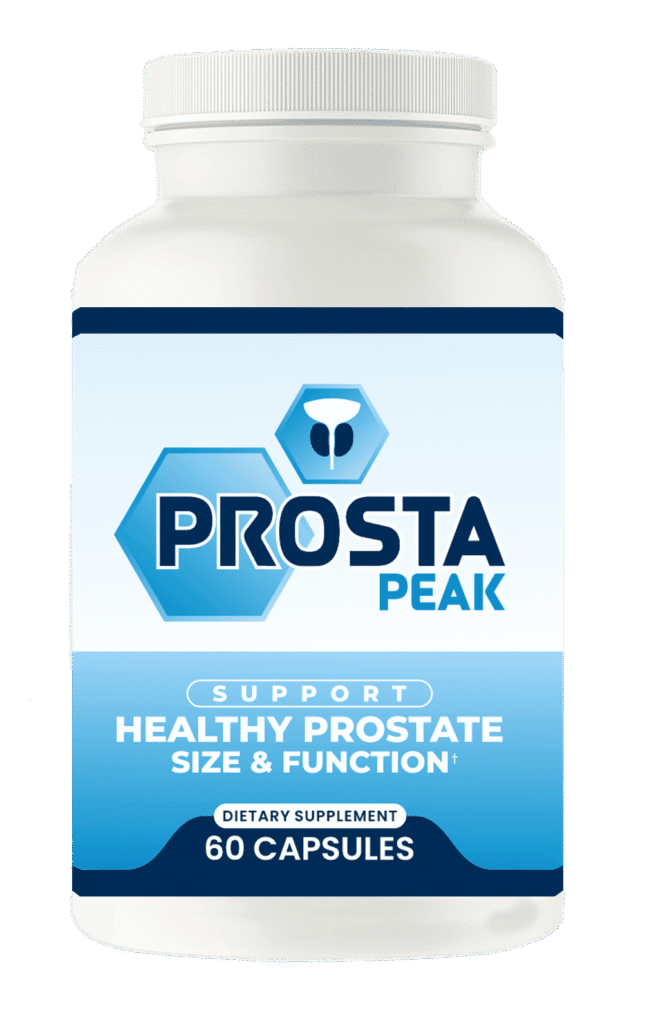
What are the Prosta Peak ingredients — a quick overview
Prosta Peak is marketed as a capsule containing a “proprietary blend” of 20+ plants and nutrients specially designed for prostate health. Read our full Prosta Peak review for an overall verdict.
The sales material highlights several named botanicals and extracts that commonly appear in prostate supplements: saw palmetto, pygeum, green tea extract, raspberry, soursop (sometimes written as “soursoup”) and cat’s claw, among others. It also states the formula is natural, non-GMO, stimulant-free, non-habit forming and gluten free.
Why ingredient lists alone don’t tell the whole story
It’s important to stress that a named ingredient doesn’t prove how effective a product will be. Two key reasons:
- Dosage matters — most clinical studies that test an ingredient use specific amounts. If a supplement doesn’t disclose how much of each ingredient is included, you can’t compare it to the research.
- Proprietary blends mask individual amounts. When manufacturers use a single blended total for many ingredients, it’s impossible to know if each component is present at an efficacious dose.
Key ingredients the maker mentions — what the evidence says
Saw palmetto
The maker claims saw palmetto can “support prostate health” and a “healthy urinary tract.” Saw palmetto is one of the most-studied herbs for benign prostate symptoms. Some trials and meta-analyses have found modest improvements in urinary symptoms and flow for some men; other larger studies find little difference from placebo. What matters is extract type and dose — without those details you can’t judge how Prosta Peak compares with the trials.
Pygeum
Pygeum (bark extract) is often marketed for urinary comfort and prostate-related urinary symptoms. Several reviews suggest pygeum may provide small-to-moderate benefits for urinary symptoms and nocturia, but again the evidence base uses specific extract preparations and doses. The product page indicates pygeum is included, but not the amount.
Green tea extract
Green tea and its catechins are marketed for various health effects, including antioxidant support and general wellbeing. Some laboratory and population studies have explored green tea catechins in relation to prostate health and liver function, but clinical evidence for prevention or treatment of prostate conditions is limited and not definitive. As with other extracts, standardised content (eg, EGCG amount) is what clinical work references.
Raspberry and soursop (soursoup)
Raspberry extract is commonly used as a source of polyphenols and antioxidants; soursop (Annona muricata) appears on some supplement lists but has limited robust human data related to prostate health. Claims such as “maintain healthy digestion” or “support healthy ageing” are general health statements the maker attributes to these botanicals; the clinical evidence specifically for prostate outcomes is weak or inconclusive.
Cat’s claw
Cat’s claw (Uncaria tomentosa) is traditionally promoted for immune support and inflammation. There are small studies suggesting anti-inflammatory effects, but evidence directly linking it to prostate health is not established in high-quality clinical trials.
Other points about the Prosta Peak formula
The maker states the product is a “unique blend of 20+ ingredients and nutrients” and includes a smaller “proprietary blend of 4 plants and minerals.” Proprietary blends are legal, but they prevent consumers and clinicians from seeing individual ingredient quantities — a critical limitation when assessing potential benefit and safety.
Safety, interactions and side effects
Even natural ingredients can cause side effects or interact with medicines. For example:
- Saw palmetto can cause stomach upset, dizziness or headaches for some people and may interact with blood-thinning drugs.
- Green tea extract in high doses has been associated with rare cases of liver injury.
- Herbal extracts can affect blood pressure, clotting or interact with prescription medicines.
Because Prosta Peak uses multiple botanicals, there’s a theoretical risk of additive effects or interactions. The product page does not publish full per-ingredient doses, so checking with a GP or pharmacist before use is sensible — especially if you take prescription medicines, have a long-term condition or are due for prostate investigations.
How to judge whether a prostate supplement is right for you
Consider these steps before buying:
- Ask whether the manufacturer provides ingredient quantities and standardised extract information.
- Check for independent third-party testing or quality-control statements (eg, batch testing).
- Discuss symptoms with your GP — urinary symptoms can have many causes and sometimes need medical assessment rather than self-treatment.
- Watch for claims that sound definitive; in the UK supplements must not claim to treat or cure disease. Frame benefits as the maker claims them.
If you want to check availability of the product directly, you can do so here:
Check Prosta Peak availability →
In summary: Prosta Peak contains several commonly used botanical extracts that are marketed as supporting urinary and prostate health. Some of these ingredients have modest clinical evidence in certain preparations and doses, but the absence of published ingredient amounts and reliance on proprietary blends makes it impossible to confirm whether the product matches those study conditions. Speak to your GP or pharmacist before starting any new supplement.
Medical disclaimer: This article is for informational purposes and is not medical advice; consult a healthcare professional about prostate symptoms and treatment options.