



Joint pain increasingly disrupts the daily lives of millions of seniors worldwide, casting a shadow over their well-being and independence. Hidden within many common dietary choices are silent contributors that exacerbate inflammation and discomfort in the joints. While medical interventions have their place, a growing body of evidence reveals that what you eat can profoundly influence joint health, sometimes even reversing persistent pain. In 2025, healthcare experts emphasize the critical role of nutrition, unveiling simple yet impactful modifications that can alleviate joint issues. From the Mediterranean diet’s potent anti-inflammatory effects to avoiding hidden dietary culprits, those struggling with arthritis and related conditions now have clearer guidance than ever before.
The connection between diet and joint pain is complex but tangible. Understanding which foods promote inflammation and which calm it can empower seniors to make informed decisions that protect and rejuvenate their joints. For example, regularly incorporating fish rich in omega-3 fatty acids, legumes, walnuts, and antioxidant-packed fruits can dramatically improve joint function. Conversely, processed foods laden with trans fats, excess sugar, and refined carbohydrates tend to nourish inflammation pathways, worsening symptoms. This evolving knowledge has spurred the development of targeted nutritional strategies designed to not only ease symptoms but also improve cardiovascular and overall health.
For those eager to discover practical remedies, accessible resources like ProFlexen provide support in nurturing joint health through natural supplementation, complementing dietary improvements. Integrating these approaches enriches one’s regimen, harnessing synergistic benefits that go beyond mere pain relief. With expert-backed guidance from organizations such as the Arthritis Foundation and insights from trusted brands like Nature Made and Osteo Bi-Flex, seniors today find more hope in maintaining mobility and quality of life.
How Diet Influences Joint Pain: Understanding the Inflammatory Connection
Chronic joint pain often stems from inflammation, which can be directly influenced by the foods we consume daily. Inflammation is a natural immune response intended to fight injury or infection, but when it becomes chronic, particularly in joints affected by arthritis, it causes persistent pain, swelling, and stiffness. Several factors contribute to this state, including poor diet, sedentary lifestyle, and excess body weight. The role of diet, however, is both pivotal and modifiable.
Foods that spark inflammation tend to share common qualities. They are often high in refined sugars, unhealthy fats such as trans fats, and contain additives found in processed meats and fast food products. These foods provoke systemic inflammation by increasing the production of inflammatory cytokines and markers such as C-reactive protein (CRP). High CRP levels correlate closely with increased joint pain and degradation. For example, consuming sugary beverages regularly can lead to blood sugar spikes that enhance inflammatory responses, exacerbating arthritis symptoms. Refined grains, found in many white bread and pastries, further contribute to these inflammatory pathways.
Conversely, specific dietary patterns have been shown to reduce systemic inflammation and support joint health. The Mediterranean diet, rich in whole foods like fruits, vegetables, fish, nuts, and olive oil, is a prime example. This diet provides abundant antioxidants and omega-3 fatty acids, known to diminish inflammation and improve joint mobility. Clinical trials emphasize that patients adopting Mediterranean-style eating habits experienced reductions in morning stiffness, joint tenderness, and pain severity, especially in rheumatoid arthritis.
- Inflammation-triggering foods to limit or avoid:
- Processed meats like sausages and deli cuts
- Refined sugars found in candies and soft drinks
- Trans fats present in many fried and baked goods
- Excessive consumption of red meat
- Highly processed and packaged snacks
- Processed meats like sausages and deli cuts
- Refined sugars found in candies and soft drinks
- Trans fats present in many fried and baked goods
- Excessive consumption of red meat
- Highly processed and packaged snacks
- Inflammation-reducing foods to embrace:
- Cold water fish rich in omega-3s such as salmon and sardines
- Nuts—especially walnuts and almonds—and seeds like flaxseeds
- Colorful fruits and vegetables abundant in antioxidants
- Whole grains including brown rice and quinoa
- Extra virgin olive oil with natural anti-inflammatory agents
- Cold water fish rich in omega-3s such as salmon and sardines
- Nuts—especially walnuts and almonds—and seeds like flaxseeds
- Colorful fruits and vegetables abundant in antioxidants
- Whole grains including brown rice and quinoa
- Extra virgin olive oil with natural anti-inflammatory agents
This dietary balance not only relieves joint symptoms but contributes to broader cardiovascular benefits and weight management, both essential for maintaining mobility in seniors. The Arthritis Foundation consistently advocates for such nutritional approaches, aligning with evidence-based practices for arthritis management.

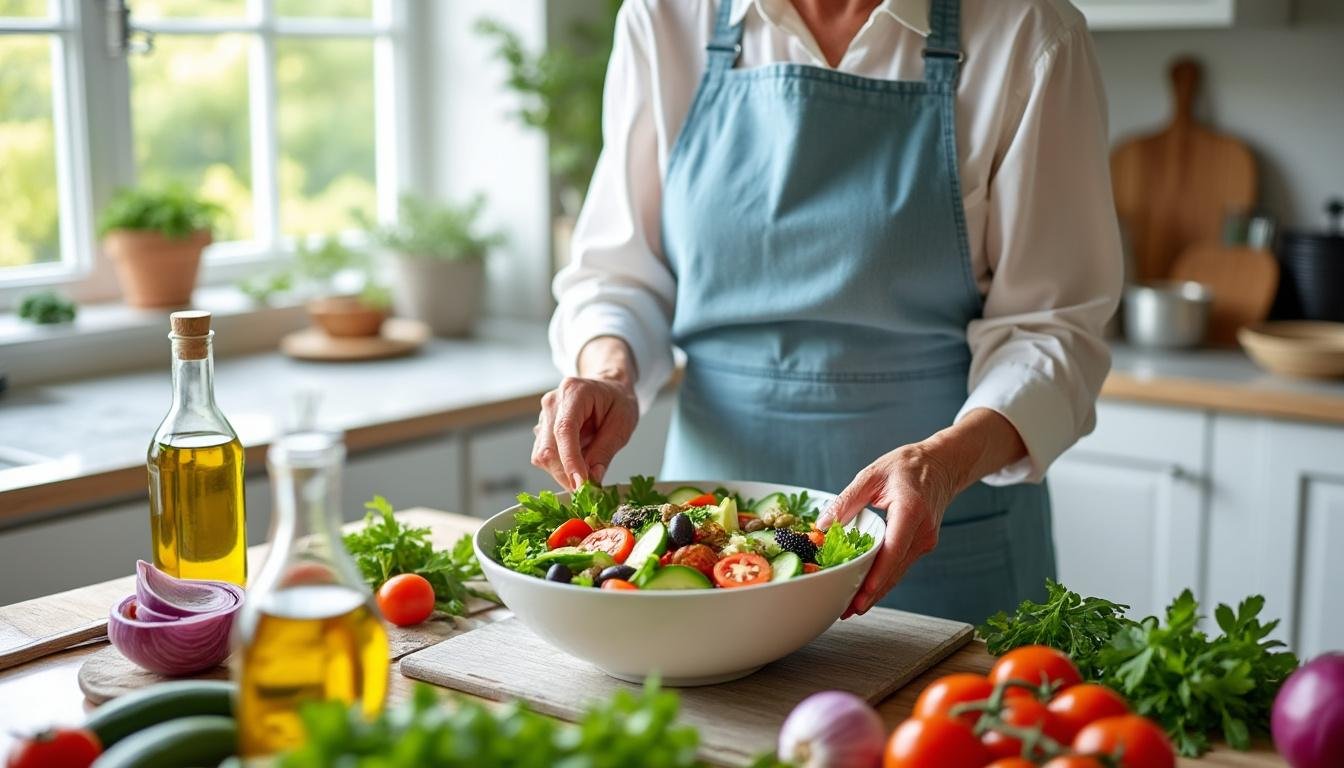
Key Anti-Inflammatory Foods That Can Alleviate Joint Discomfort
Among seniors seeking practical dietary solutions for joint pain, specific foods have gained recognition for their anti-inflammatory properties and joint-supportive nutrients. Embracing these foods regularly can significantly ease the burden of arthritis and related joint ailments.
Fish and Omega-3 Fatty Acids: The consumption of oily fish such as salmon, tuna, and sardines provides essential omega-3s that help modulate inflammation. In studies, seniors who increased their omega-3 intake saw notable reductions in swelling and morning stiffness. Omega-3s work by lowering levels of IL-6 and CRP inflammatory markers while promoting the production of anti-inflammatory compounds.
Nuts and Seeds: Walnuts, pine nuts, pistachios, and flaxseeds contain monounsaturated fats and vitamins like B6 that bolster the body’s defense against inflammation. Regular nut consumption is linked with a 51% lower risk of inflammatory disease mortality according to long-term research.
Fresh Fruits and Vegetables: Colorful produce serves as a powerhouse for antioxidants like anthocyanins, especially in cherries, blueberries, and raspberries. Vitamin C-rich citrus fruits aid in preserving joint cartilage, and leafy greens rich in vitamin K can dramatically reduce blood inflammatory markers. Seniors are encouraged to aim for nine or more servings of fruits and vegetables daily to maximize joint benefit.
Extra Virgin Olive Oil: This kitchen staple contains oleocanthal, a compound with similar anti-inflammatory profiles to ibuprofen. Replacing butter or unhealthy fats with extra virgin olive oil can naturally reduce joint pain sensitivity.
Legumes and Whole Grains: Beans, lentils, and whole grains provide vital fiber and phytonutrients that lower inflammation and support cholesterol management, important for overall health including joint function. Whole grains like brown rice and quinoa help maintain a healthy weight, reducing mechanical joint stress.
When integrating these foods, attention to preparation and variety enhances their benefits. For example, adding walnuts and flaxseeds to oatmeal, using olive oil in salad dressings, or baking fish with herbs balances nutrients and flavors effectively.
Top anti-inflammatory food list for joint health:
- Salmon, sardines, mackerel – omega-3 powerhouses
- Walnuts, almonds, pistachios – monounsaturated and vitamin-rich
- Leafy greens such as kale, spinach, and broccoli
- Cherries, blueberries, raspberries – high in anthocyanins
- Beans and lentils – fiber and protein support
- Extra virgin olive oil – natural anti-inflammatory fat
Utilizing resources from trusted suppliers like GNC, NOW Foods or Garden of Life can provide quality supplements that complement these nutritional changes, especially for seniors who struggle to meet their needs through diet alone.
Recognizing and Eliminating Foods That May Worsen Joint Pain
Identifying and reducing intake of inflammation-aggravating foods is crucial for managing joint pain effectively. Although some commonly consumed items appear healthy on the surface, hidden ingredients or processing techniques can undermine joint health. Understanding these pitfalls can elevate one’s approach to diet and pain management.
Refined and Added Sugars: Excessive sugar consumption not only worsens inflammation but also contributes to weight gain, increasing joint load. Hidden sugars lurk in many so-called “healthy” snacks and beverages, such as flavored yogurts and energy bars, which may mislead consumers. A detailed look into hidden sugar bombs can help seniors avoid these sneaky sources.
Processed and Red Meats: Bacon, sausages, and deli meats contain advanced glycation end products (AGEs) and other substances that can heighten inflammatory processes. Limiting these and replacing them with plant-based proteins or fish aids in reducing joint inflammation.
Unhealthy Fats and Trans Fats: Common in fried fast food and many commercially baked goods, these fats increase inflammatory responses and can worsen cardiovascular health, which is intricately connected to arthritis management.
Nightshade Vegetables: While scientific evidence does not conclusively link nightshades (tomatoes, eggplants, potatoes, peppers) to joint pain, some individuals report symptomatic relief when avoiding them. An elimination trial can clarify individual sensitivity and provide personalized guidance.
Alcohol and Artificial Additives: Excessive alcohol intake and consumption of artificial sweeteners, dyes, and emulsifiers may disturb gut microbiota and trigger systemic inflammation. Experts recommend moderation and choosing natural, minimally processed foods wherever possible.
Practical strategies for avoidance include:
- Reading food labels meticulously for added sugars and unhealthy fats
- Replacing processed meats with legumes or omega-3-rich fish
- Cooking at home more often to control ingredients
- Choosing natural sweeteners like honey or fruit when needed
- Trying elimination diets under professional supervision
By steering clear of these triggers, seniors can complement their efforts to ease painful joints and improve their overall quality of life. For more on maintaining a balanced diet that supports not just joints but brain health and immunity, consult expert advice such as found in articles about mastering weight loss without drastic lifestyle changes or improving mental wellness through diet.
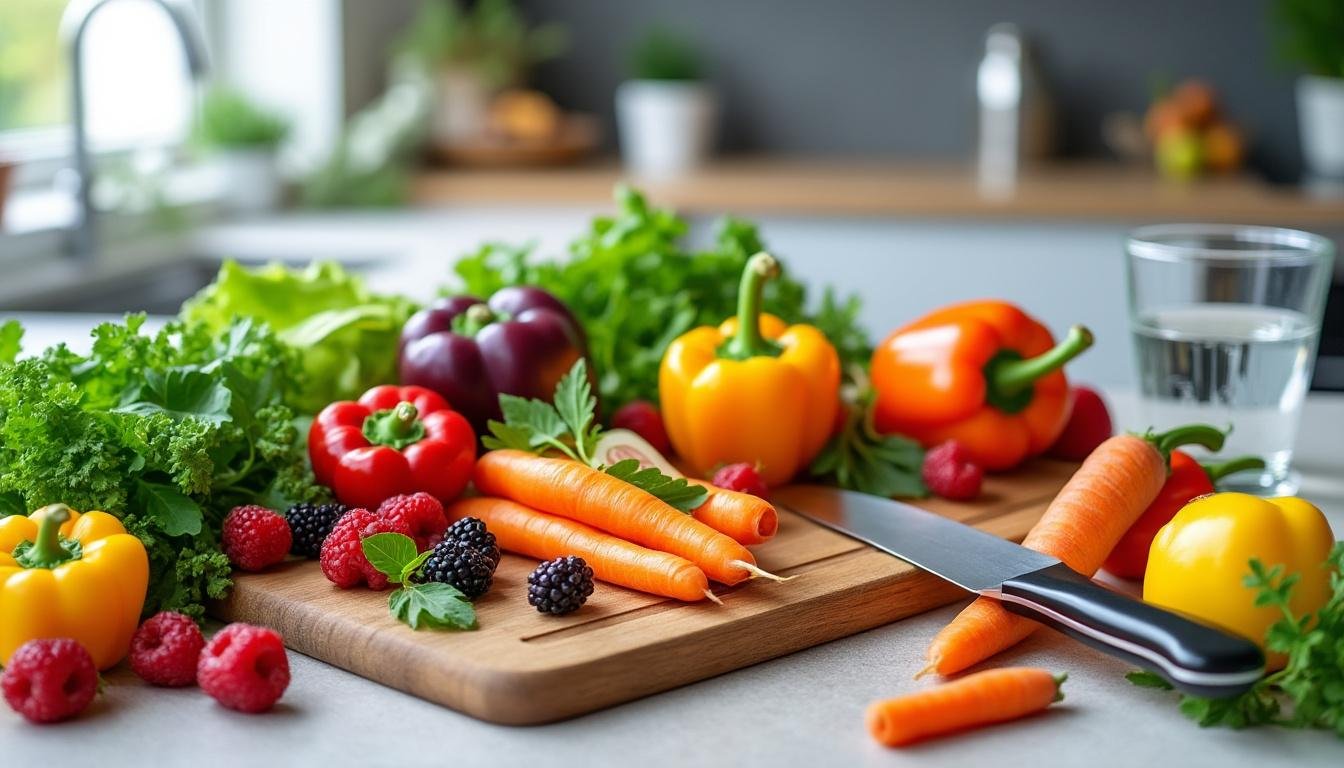
Weight Management and Its Powerful Role in Alleviating Joint Stress
Excess body weight places mechanical strain on weight-bearing joints like the knees and hips, accelerating cartilage degradation and triggering painful inflammation. Weight management is therefore a cornerstone in reducing joint pain and enhancing mobility among seniors. Achieving a healthy weight through a balanced diet and physical activity improves outcomes far more effectively than pain medications alone.
Seniors experience multiple benefits from even modest weight loss, including:
- Reduced pressure on knee and hip joints, lowering pain intensity
- Decreased systemic inflammation due to lower fat tissue signaling
- Enhanced mobility and flexibility from improved physical conditioning
- Reduced risk for comorbidities such as cardiovascular disease
The Mayo Clinic Diet and Mediterranean diet approaches not only focus on anti-inflammatory foods but also emphasize calorie consciousness and sustainable lifestyle habits. Victoria Hailey’s inspiring testimonial demonstrates how losing 58 pounds and adhering to these diets relieved her chronic knee and back pain, normalized blood pressure, and improved lab markers, underscoring the intertwined relationship between weight, inflammation, and joint wellness.
Experts encourage realistic goal setting and gradual changes for lasting success:
- Incorporate anti-inflammatory meal plans rich in whole foods
- Engage in gentle low-impact activities such as swimming or walking
- Use tools and apps designed to track progress, including food intake and exercise
- Seek support from communities and healthcare providers specializing in arthritis care
Leading supplement brands like Vitafusion and Joint Juice offer products that support joint comfort during increased activity levels, complementing diet and exercise.
Practical Daily Habits to Sustain Joint Health and Combat Pain Through Diet
Integrating anti-inflammatory dietary choices holistically into daily life is essential for achieving lasting joint comfort. Simple, consistent habits can drive substantial change without overwhelming routine or requiring drastic sacrifices.
Effective strategies include:
- Starting meals with a generous portion of colorful vegetables to increase antioxidant intake
- Replacing butter and unhealthy fats with extra virgin olive oil to harness natural anti-inflammatory benefits
- Choosing fish or plant-based proteins like beans most days to reduce red meat consumption
- Snacking on nuts, fresh fruits, and vegetables to maintain steady energy and reduce sugar cravings
- Eliminating sugary drinks in favor of water, herbal teas, or natural fruit infusions
- Batch-cooking Mediterranean-inspired meals for easy access to nutritious options during busy days
- Using supportive dietary supplements from trusted brands such as Puritan’s Pride or Osteo Bi-Flex to fill nutritional gaps
Regularly assessing progress and setting achievable goals helps maintain motivation. Many seniors find success using digital resources to monitor nutrition changes and joint symptoms, ensuring their efforts translate into tangible relief. Moreover, embracing these dietary habits aligns with broader health goals, including mental wellness, immune support, and cardiovascular fitness, areas well documented in trusted health articles.
The synergy of diet, physical activity, and appropriate supplementation represents a comprehensive approach to managing joint pain. As healthcare providers continue to observe, empowering seniors with nutritional knowledge both reduces reliance on medication and enhances life quality in a natural, sustainable way.