


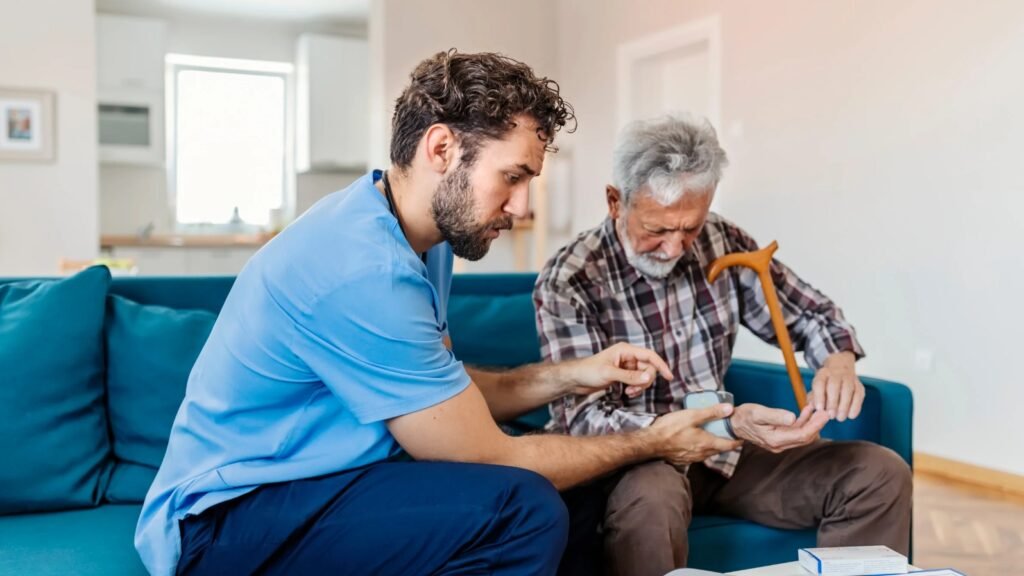
When we think about health in retirement, we often picture blood pressure cuffs and pill boxes. But what if your social life played a bigger role in your longevity than your vital signs? More and more studies reveal that staying socially engaged in retirement can impact your physical and mental health more significantly than we ever imagined. Could friendships be your new medicine?
Let’s explore this surprising idea through the lens of a doctor, a nutritionist, a geriatric specialist, and a personal trainer—all focused on senior wellness.
The medical view: Social isolation and the body
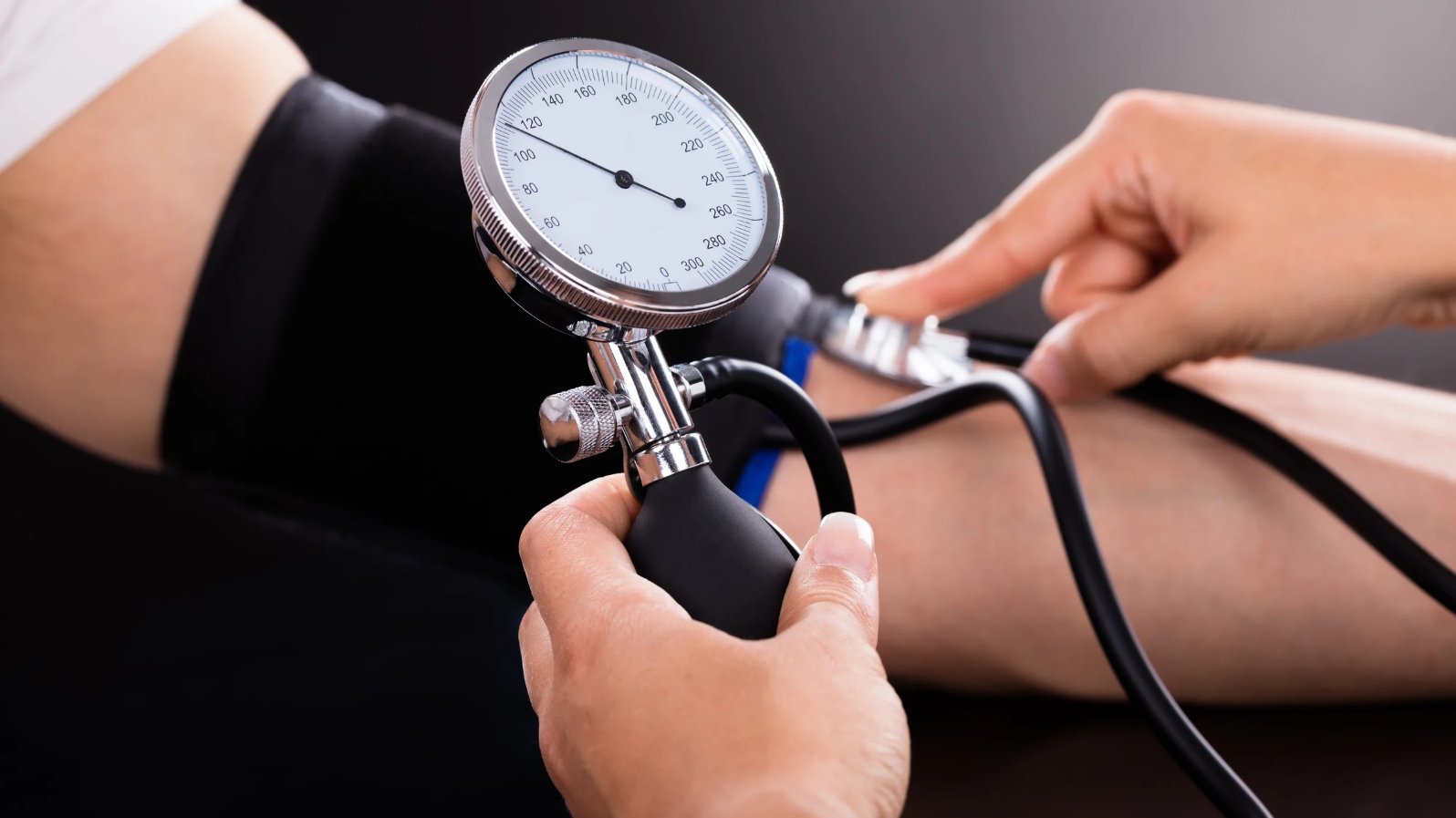

From a physician’s standpoint, the link between social isolation and chronic illness is impossible to ignore. Seniors who lack consistent social interaction often show higher levels of cortisol, the stress hormone that can lead to elevated blood pressure, inflammation, and weakened immune function.
Studies suggest that loneliness increases the risk of heart disease, stroke, and even dementia. While managing blood pressure is vital, fostering daily interactions—whether through community groups or video chats—can significantly reduce the body’s stress load and improve long-term health outcomes.
The nutritional perspective: Eating habits shaped by connection
As a nutritionist, I’ve seen how social contexts shape eating behavior. Retired individuals who eat alone often prepare less nutritious meals or skip them altogether. Meanwhile, those who share meals tend to eat more regularly, more mindfully, and with greater nutritional balance.
Participating in communal meals not only supports better digestion and portion control but also encourages the consumption of fresh ingredients. Even virtual dinner dates can inspire healthier food choices, turning each meal into a moment of connection and care.
Insights from a geriatric specialist: Cognitive health and joy
From a geriatrician’s view, the importance of social ties goes beyond mood—it directly influences cognitive resilience. Seniors who maintain frequent social contact tend to retain stronger memory, better executive function, and lower rates of depression and Alzheimer’s-related decline.
Activities like card games, group classes, or volunteering provide the mental stimulation that’s essential for keeping the brain sharp. In fact, a strong social circle can be just as powerful as any medication prescribed to protect against mental decline.
The trainer’s take: Moving together for stronger bodies
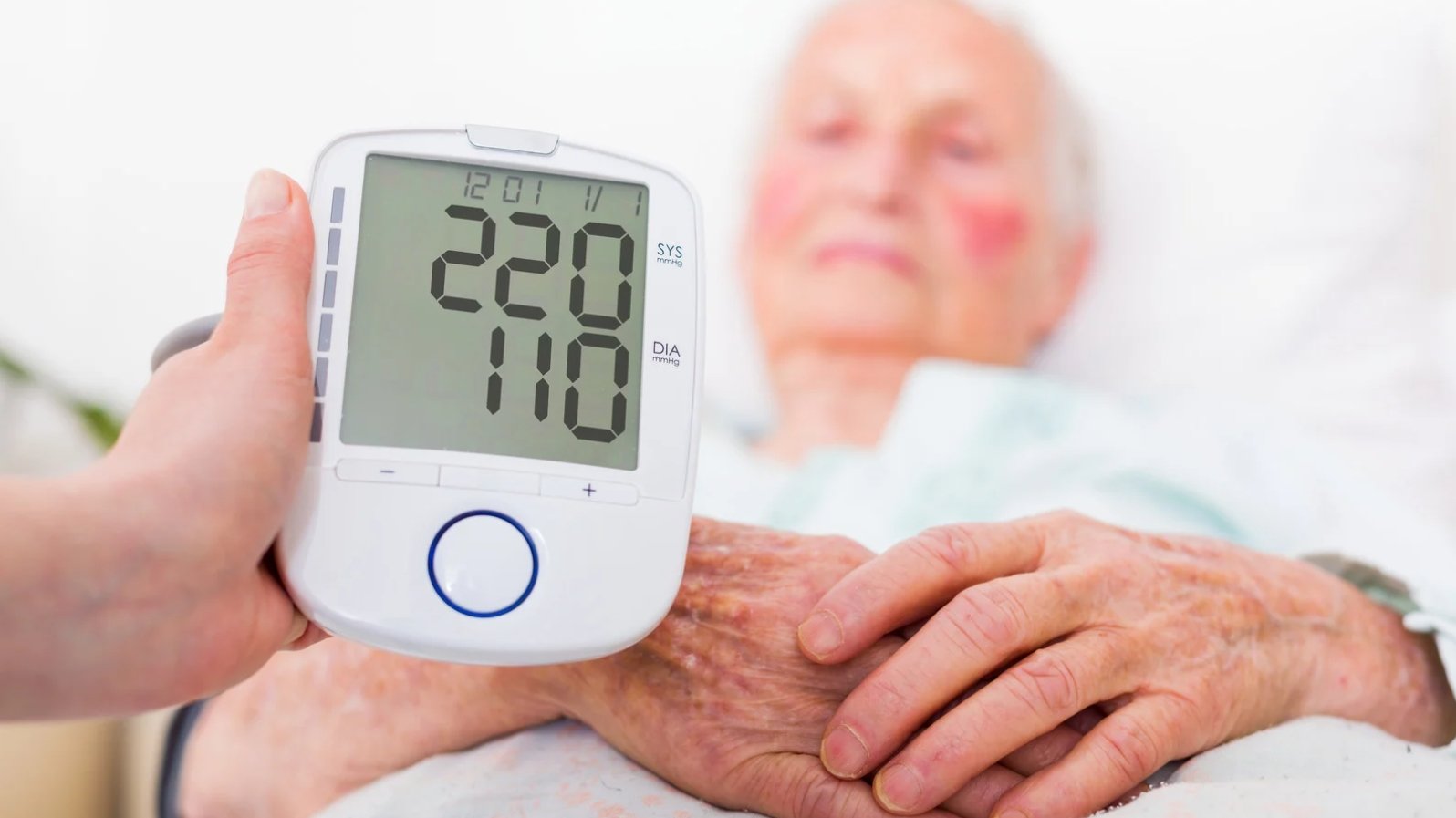
As a personal trainer specialized in older adults, I can confirm that one of the best motivators to stay physically active is a supportive community. Walking clubs, yoga classes, and dance sessions offer more than exercise—they foster accountability, shared goals, and emotional rewards.
Group fitness boosts not only heart health and mobility but also creates lasting friendships. People show up more consistently when they know their friends are counting on them, and that regular movement has a profound impact on blood pressure and overall wellness.
More powerful than medication?
It may sound surprising, but researchers have found that social connection can extend life expectancy even more than quitting smoking or reducing high blood pressure. That doesn’t mean we should ignore medical risks—but it does shift our view of what really contributes to health in retirement.
Instead of only tracking blood pressure numbers, consider asking: When was the last time you laughed with a friend, shared a meal, or joined a community event?
How to strengthen your social life in retirement
- Join local interest groups like book clubs, gardening collectives, or walking groups
- Volunteer for causes you care about to meet like-minded people
- Attend community classes (art, fitness, cooking) regularly
- Make weekly phone or video calls with family and old friends
- Explore local senior centers or hobby-based meetup groups
By taking small steps to engage with others, you invest in your emotional, cognitive, and physical well-being. The ripple effects on your overall health are immense.
Blood pressure is important, but it’s not the whole story. In retirement, a rich social life can be a life-saving medicine, supporting everything from your heart to your mind. The support, laughter, and purpose we draw from others have measurable effects on our well-being.
So go ahead—reach out, reconnect, and rediscover the joy of belonging. Your body and brain will thank you.