



Why supplements fell out of favor (and what changed)
So, what changed?
- Better research now supports targeted supplement use — especially for deficiencies like vitamin D, iron, or magnesium.
- Modern lifestyles are more demanding, leaving gaps even in balanced diets.
- Personalized wellness has become a priority, pushing people to fine-tune their nutrition, hormones, and energy.
- Innovative formats (gummies, powders, functional drinks) have made supplements more enjoyable and accessible.
The result? A comeback grounded not in hype, but in evidence and evolving health needs.
What’s trending now: The new wave of supplements
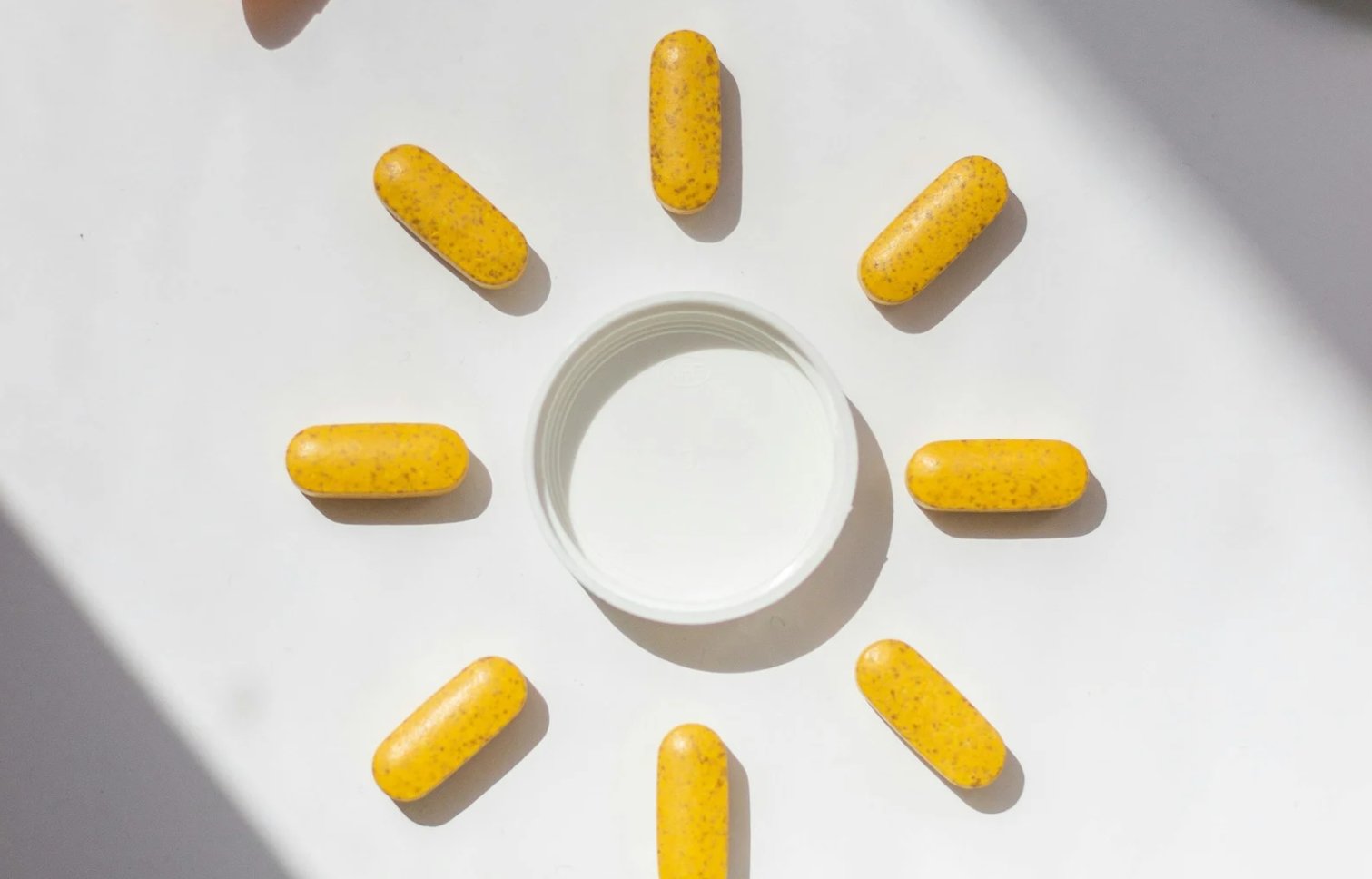

Today’s supplement consumers are more informed and intentional. Let’s look at what’s driving the resurgence:
Magnesium
Magnesium is being hailed as the “relaxation mineral” — essential for muscle recovery, stress regulation, and sleep. It’s especially popular among athletes and those managing high-pressure lifestyles.
Collagen
Collagen supplements have become a staple for skin, joint, and bone health. Collagen peptides, in powder or capsule form, support elasticity and recovery as we age.
Vitamin D
With more people working indoors, vitamin D deficiency is widespread. Supplements can help maintain immune strength, mood stability, and calcium absorption.
Adaptogens
Plants like ashwagandha and rhodiola are gaining attention for their ability to modulate stress. Often found in teas or capsules, they’re a favorite in holistic health circles.
Plant-based protein powders
From pea to hemp, plant proteins support muscle maintenance, especially in flexitarian or vegan diets. They’re often fortified with essential amino acids and B12.
What this means for your health: Real talk from a health pro
But here’s the truth: supplements are not shortcuts. You can’t out-supplement a poor lifestyle. They should fill gaps, not replace sleep, whole foods, or movement. And without proper guidance, misuse can cause more harm than good.
How to supplement wisely: 5 expert tips to avoid the hype
Before adding anything to your routine, ask yourself these five questions:
- Have I identified a real need? Blood tests or professional assessments should come first.
- Is this supplement evidence-based? Look for studies, not just social media buzz.
- Am I using a trusted brand? Choose third-party tested or certified products.
- Am I checking for interactions? Supplements can interfere with medications or health conditions.
- Am I combining this with a healthy lifestyle? Use supplements to enhance — not replace — the basics: sleep, hydration, and movement.
A strategic approach ensures your investment in supplements actually pays off.
Final thoughts: Empowered, informed, and balanced
Used wisely, supplements can be a powerful tool in your health journey — but only if they’re part of a bigger picture rooted in self-care, education, and balance.