


In the unpredictable moments when a medical emergency strikes, every second counts. Recognizing the urgency and responding correctly can mean the difference between life and death. From accidents at home to sudden illnesses on the go, being equipped with a clear, methodical approach is essential. This guide walks you through the crucial steps to manage these unpredictable crises effectively. Backed by insights from trusted entities such as the American Heart Association, Red Cross, and the World Health Organization (WHO), you’ll learn how to maintain composure, assess risks swiftly, and deliver critical first aid. Furthermore, understanding when and how to seek professional assistance, especially through reliable services like Emergency Medical Services (EMS) in Migori or trusted facilities such as LifeCare Hospital, ensures you’re never caught unprepared. With emergent themes from authorities like the National Institutes of Health (NIH) and practical advice featured by Healthline and WebMD, this article empowers you to save lives with confidence and care.
How to Stay Calm and Assess a Medical Emergency Efficiently
When faced with a physical crisis, the first and most pivotal action is to regulate your emotions. Anxiety and panic can compromise your ability to make sound decisions. Instead, focus on these steps to rapidly evaluate the situation:
- Check consciousness: Is the person fully unconscious or semi-responsive?
- Identify visible injuries: Look for heavy bleeding, deformities, or severe pain signals.
- Examine breathing: Are they struggling to breathe, gasping, or experiencing a seizure?
- Ensure environmental safety: Scan for dangers like fire, traffic, or hazardous substances nearby.
This initial assessment helps prioritize actions and provide accurate information when calling for professional aid. Trusted organizations like St. John Ambulance emphasize that good situational awareness is critical to ensuring personal and victim safety before attempting intervention.

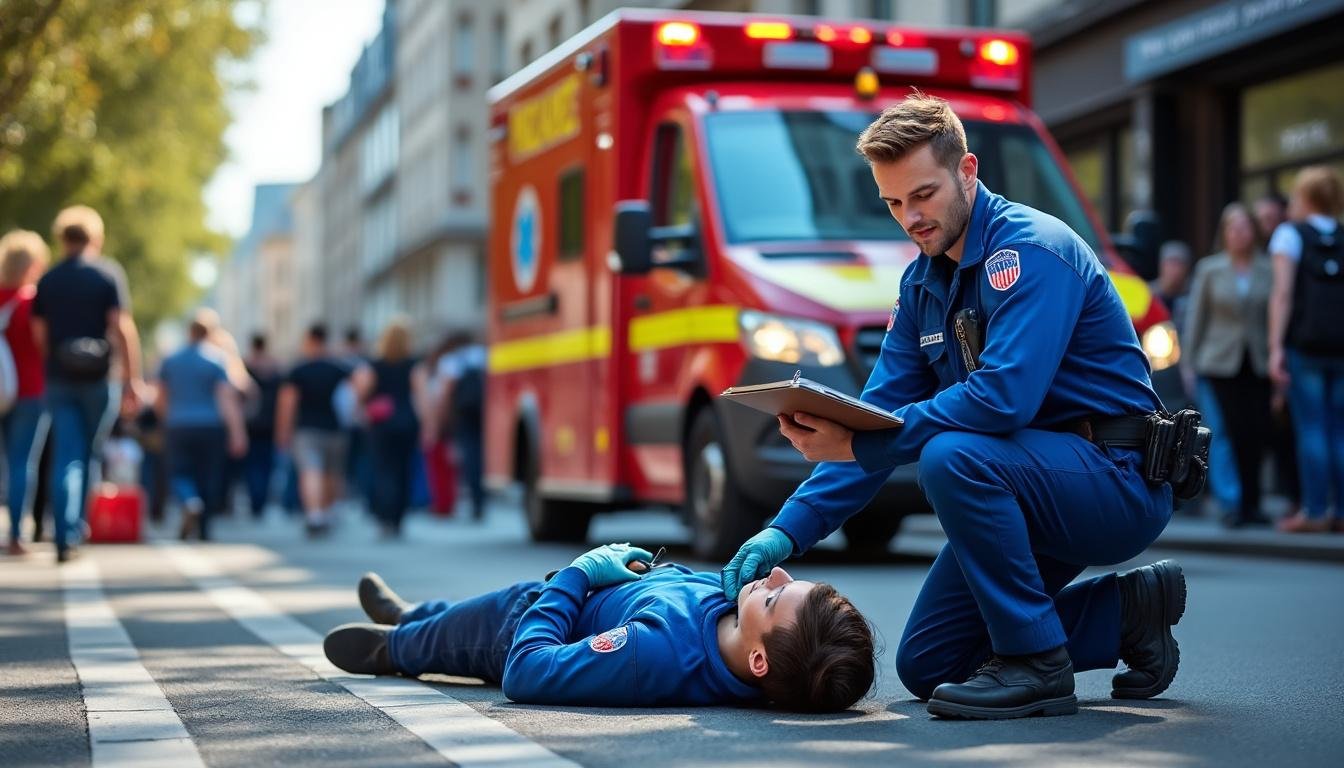
Calling for Emergency Help: Essential Details to Communicate
The next fundamental step is contacting the appropriate emergency services without delay. In Migori, dialing the local emergency number connects you to trained dispatchers who can send EMS promptly. When you place the call, be prepared to share:
- Your exact location: provide an address and notable landmarks for quick access.
- Nature of the emergency: succinctly describe what you witnessed and current patient conditions.
- Vital signs you observe: mention if the individual is breathing, unconscious, or bleeding.
- Relevant medical history: if known, disclose allergies, pregnancy, or chronic diseases.
Hospitals of repute such as LifeCare Hospital in Migori advise callers to remain calm and listen carefully to further instructions, which may include performing CPR or managing bleeding until professional help arrives. This protocol aligns with guidelines from St. Mary’s Regional Medical Center and educational content found at Live Well Magazine.
Administering Basic First Aid to Stabilize the Patient
While awaiting emergency responders, providing immediate first aid can be lifesaving. Here are key interventions endorsed by the Red Cross and corroborated by Mayo Clinic and Cleveland Clinic:
- Control bleeding: Apply direct pressure using a clean cloth or bandage to minimize blood loss.
- Perform CPR: If the patient isn’t breathing, initiate chest compressions at 100-120 compressions per minute; rescue breaths if trained.
- Relieve choking: Use abdominal thrusts (Heimlich maneuver) in adults, or back blows and chest thrusts for infants.
- Cool burns: Rinse minor burns under cold water, cover with non-stick dressing; avoid ice and keep severe burns clothed and covered.
- Manage seizures: Clear surroundings, avoid restraining, place the person on their side post-seizure to maintain airway.
- Immobilize fractures: Use splints or rigid supports to protect the limb and prevent worsening injury.
These measures are designed to sustain life and prevent escalation until expert medical treatment is available. For detailed protocols, references such as Verywell Health and Continental Hospitals’ blog offer valuable tutorials and current best practices.

Transporting the Patient Safely to a Hospital in Migori
Rapid transfer to definitive medical care is indispensable once emergency services are available or if you are capable of transporting the patient yourself safely. LifeCare Hospital in Migori stands out as a premier institution equipped for emergent care, including trauma and cardiac emergencies.
- Wait for EMS: Professionals have equipment and training essential for safe transport.
- Prepare the patient: Keep them calm, supine if unconscious, and monitor vital signs en route.
- Communicate clearly: Relay patient’s status and any treatments given to hospital staff upon arrival.
Experts from St. Mary’s Regional Medical Center emphasize that minimizing delays and ensuring proper handover can dramatically improve outcomes.
Following Up with Medical Care and Preventive Strategies
After initial emergency treatment, ongoing medical follow-up is critical to full recovery and rehabilitation. Consult healthcare providers for:
- Further treatment: surgery, medication, or physical therapy as necessary.
- Monitoring potential complications: infection, blood clots, or organ dysfunction.
- Health education: guidance on lifestyle modifications and managing existing chronic conditions.
Moreover, engaging with preventive care and emergency preparedness programs equips individuals and families to better handle future crises. This includes:
- Taking certified first aid courses from organizations like St. John Ambulance and the Red Cross.
- Installing safety devices: Such as smoke alarms and well-stocked first aid kits.
- Maintaining healthy habits: Balanced diet, regular exercise, adequate sleep, and routine medical check-ups.
Resources from trusted sites like Live Well Magazine and Consumer Reports provide extensive advice on injury prevention and health maintenance that complement emergency readiness.
