


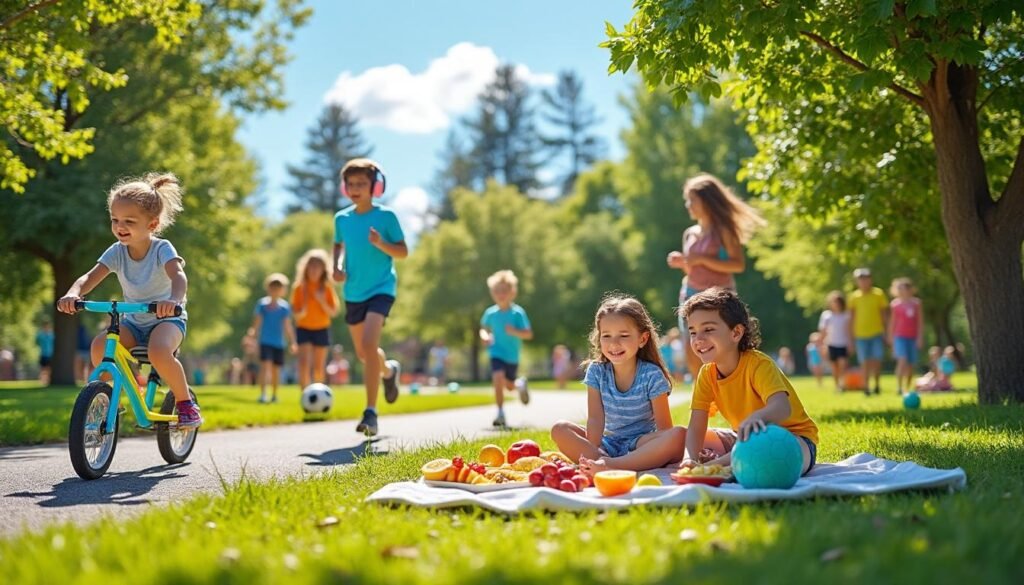
In today’s fast-paced digital era, nurturing healthy habits in children and teenagers has become a paramount challenge and priority for parents, educators, and caregivers alike. As youth navigate through a maze of academic pressures, social influences, and technological distractions, establishing a solid foundation of well-being can deeply impact their future physical and mental health. Encouraging kids and teens to adopt wholesome behaviors not only helps prevent chronic illnesses such as obesity, type 2 diabetes, and mental health disorders like anxiety and depression but also enhances their daily functioning, including academic achievements, social skills, and emotional balance. With technology giants such as Nike and Adidas promoting youth fitness and innovative tools like Fitbit and JumpRope making physical activity more engaging, the landscape for fostering wellness has evolved significantly. Integrative approaches that combine healthy eating guided by resources like MyPlate, regular physical activity via platforms like GoNoodle, and mindful management of screen time are instrumental in framing a healthier lifestyle. Moreover, leveraging community support from organizations like Thrive Market can provide families access to nutritious food options, helping transform positive intentions into lasting habits. This article delves into effective strategies to inspire children and teenagers to embrace healthy habits, examining sleep routines, nutrition, physical activities, and behavioral models—all essential pillars for cultivating lifelong wellness.
Effective Sleep Habits: Foundation for Kids’ and Teens’ Wellbeing and Growth
Getting adequate sleep is a foundational health behavior that directly influences children’s and teenagers’ physical growth, cognitive performance, and emotional regulation. Unlike adults, young individuals require more sleep to support their rapid developmental changes—ranging from 10-13 hours for preschoolers to a recommended 8-10 hours for teens. Insufficient sleep not only interrupts normal growth patterns but is also linked with increased risk of obesity due to hormonal imbalances that drive overeating and decrease physical activity levels.
Parents and caregivers can promote healthy sleep habits by establishing consistent bedtime schedules tailored to age groups. For example, younger kids benefit from earlier bedtimes, whereas teens develop best with slightly adjusted times that sync with their natural circadian rhythms. Limiting screen exposure an hour before sleep is crucial since devices emit blue light that suppresses melatonin production, thereby disrupting restful sleep cycles.
Here are practical guidelines to foster better sleep hygiene:
- Maintain consistent sleep and wake times even on weekends to stabilize the internal clock.
- Create a calming bedtime routine, such as reading a book or listening to soft music, to signal the body it’s time to wind down.
- Ensure the sleeping environment is dark, quiet, and cool, which can promote deeper rest.
- Limit consumption of caffeine and heavy meals close to bedtime for better quality sleep.
- Encourage relaxation techniques, like gentle stretches or breathing exercises, particularly for stressed teenagers.


| Age Group | Recommended Sleep Duration | Tips for Improving Sleep |
|---|---|---|
| 3-5 years | 10-13 hours | Establish bedtime routines; limit screen time before bed |
| 6-12 years | 9-12 hours | Consistent sleep schedule; quiet and dark environment |
| 13-17 years | 8-10 hours | Limit nighttime screen exposure; manage stress effectively |
Additionally, using wearable technology such as Fitbit devices provides teens with real-time feedback on their sleep patterns, motivating them to improve their nightly rest. Encouraging awareness through tools like this, combined with positive reinforcement, can result in sustained healthy sleep habits. For comprehensive strategies on improving kids’ and teens’ sleep, resources such as CDC’s tips for parents and caregivers offer valuable insights.

Nutritious Eating Patterns: Encouraging Balanced Diets with Kid-Friendly Choices
Proper nutrition serves as the cornerstone of healthy development, supporting essential bodily functions such as muscle growth, immune strength, brain development, and maintaining a healthy weight. Unfortunately, kids and teenagers often gravitate toward processed snacks high in saturated fats, added sugars, and salt, contributing to health issues that can persist into adulthood.
Adopting balanced eating habits starts with accessible, nutritious choices offered consistently both at home and school. Utilizing visual guides like MyPlate empowers youngsters to understand proper portion sizes, emphasizing vegetables, fruits, whole grains, lean proteins, and dairy alternatives. Parents modeling such behaviors reinforce positive attitudes towards food, while engaging children in meal planning and preparation helps build lifelong appreciation for healthy meals.
Consider these key tactics for promoting healthy nutrition:
- Provide a variety of colorful vegetables and fruits daily to supply essential vitamins and antioxidants.
- Encourage swapping out sugary beverages with water or milk to curtail excessive sugar intake.
- Offer lean proteins from sources like fish, poultry, beans, and lentils to support muscle mass.
- Limit saturated fats by choosing low-fat or non-fat dairy products and cooking with heart-healthy oils.
- Incorporate wholesome snacks such as carrots with hummus, apples with peanut butter, or yogurt with berries.
Partners in wellness like Thrive Market and Playwell provide families with fresh, affordable options and educational materials to sustain healthy eating. Similarly, brands like Nike and Adidas, through community wellness programs, inspire active lifestyles which complement balanced nutrition.
The table below summarizes nutritional guidelines for children and teens:
| Food Group | Healthy Choices | Benefits |
|---|---|---|
| Vegetables & Fruits | Carrots, broccoli, apples, blueberries | Rich in vitamins, antioxidants, fiber |
| Protein | Fish, lean poultry, beans, lentils | Supports muscle growth and repair |
| Dairy | Low-fat milk, yogurt, cheese | Strengthens bones and teeth |
| Grains | Whole wheat bread, brown rice, oats | Provides energy and fiber |
| Beverages | Water, low-fat milk | Hydration without excess sugar |
Interactive resources like Family Doctor’s teen health portal or NIDDK’s weight management guide for teenagers provide practical advice and recipe ideas. To make healthy eating more entertaining, apps like Yogabag gamify the experience, helping young users engage with nutrition positively.


Creating Active Lifestyles: Engaging Kids and Teens in Fun Physical Activities
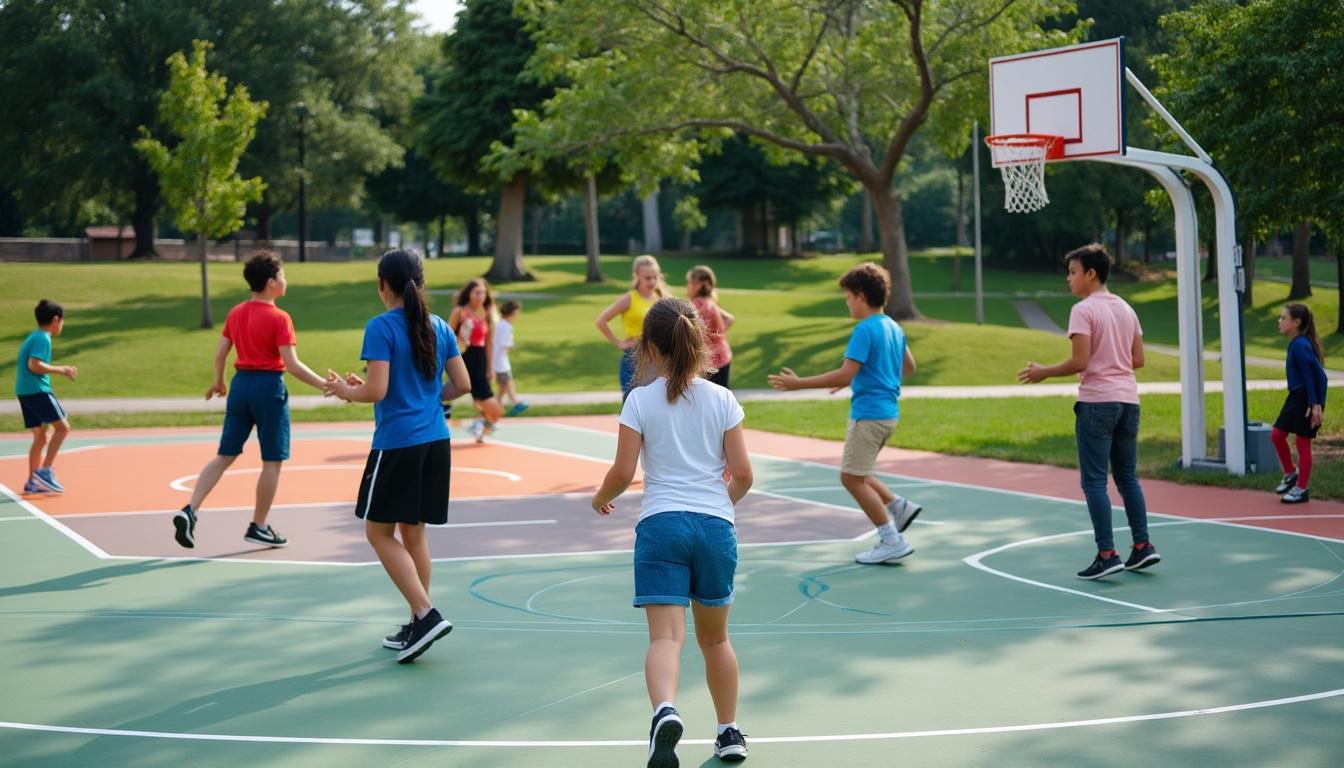
Physical activity is a non-negotiable ingredient in promoting optimal health among young populations. Kids and teenagers need at least 60 minutes of moderate to vigorous daily aerobic exercise, alongside bone and muscle-strengthening activities. Active play not only builds robust musculoskeletal systems but also sharpens mental focus, reduces depressive symptoms, and lowers the risk of chronic diseases.
However, increasing sedentary time through excessive use of devices like smartphones and tablets has turned physical activity into a challenge for many youth. Integrating movement in fun and social ways is key to making exercise an enjoyable lifelong habit. Strategies include family walks, community games, or participation in sports programs.
Practical ways to encourage physical activity:
- Make physical fitness a family affair by scheduling walks, bike rides, or active games together.
- Use tools like the Fitbit to set personalized goals, track progress, and reward achievements.
- Leverage platforms like GoNoodle for engaging indoor activities that promote movement.
- Enroll children in extracurricular sports or dance classes through community centers or schools.
- Reduce screen time, encouraging kids to play outside or participate in playground activities.
The following table outlines recommended activity types and examples:
| Activity Type | Examples | Benefits |
|---|---|---|
| Aerobic | Running, cycling, swimming | Improves cardiovascular health and endurance |
| Bone-strengthening | Jump rope, basketball, hopping | Enhances bone density and strength |
| Muscle-strengthening | Push-ups, climbing, resistance exercises | Develops muscle mass and functional fitness |
Partnerships with brands recognized for promoting youth fitness, such as Nike and Adidas, help inspire children to adopt active habits through well-designed sportswear and supportive communities. Encouraging playful competition with tools like JumpRope can motivate ongoing engagement. To deepen understanding on effective techniques, visit Tufts Medical Center’s advice on teen nutrition and exercise.

Balancing Screen Time: Techniques to Reduce Device Usage and Promote Wellness
The average child or teenager today spends substantial time on screens, whether through smartphones, gaming consoles, or tablets. Excessive screen time is linked with poor sleep quality, weight gain, deteriorated academic performance, and negative effects on mental health. Reducing screen time helps free up hours for physical activity, better sleep, and social interaction.
Caregivers need practical strategies to set reasonable limits and cultivate balanced habits with technology. This involves cooperative rule-setting, clear expectations, and substitution with screen-free activities. Encouraging interest in hobbies or family activities can seamlessly replace passive screen consumption.
Key strategies to manage screen time effectively include:
- Set daily screen time limits based on age, for example no more than 1-2 hours for older children and teenagers.
- Use screen-free zones in the home, such as during meal times and in bedrooms to encourage face-to-face interaction and better sleep hygiene.
- Introduce active alternatives like GoNoodle videos or outdoor sports to divert attention from devices.
- Lead by example: parents should model balanced screen use to reinforce the message.
- Review and discuss content together to promote safe, thoughtful use of technology.
Furthermore, reducing screen time also limits the frequent visual exposure to unhealthy food marketing, indirectly supporting better eating habits. The following table compiles types of screen use and their potential impacts:
| Screen Activity | Potential Impact |
|---|---|
| Television watching | Increased snacking on unhealthy foods; reduced physical activity |
| Video gaming | Possible delayed sleep onset; sedentary behavior |
| Smartphone and tablet use | Disrupted sleep; social isolation if excessive |
Resources such as Azlin Amin’s guide on healthy habits for teens offer further insights into balanced technology use. Additionally, social media communities on Instagram and Twitter inspire creative screen-free challenges for youths.
Building Consistent Healthy Behaviors: The Role of Parents, Educators, and Community in Sustaining Wellness
Forming and maintaining healthy habits in kids and teenagers is a collective endeavor. The influences of family, school, and community converge to shape youths’ attitudes and actions toward their health. Positive role modeling from parents who incorporate activities like daily walks or cooking healthy breakfasts while wearing gear from brands like Nike instills powerful lessons. Schools that include wellness education, nutritious meal programs, and organized physical activities provide structured support setting the stage for lifelong habits.
Communities that facilitate access to safe parks, sports facilities, and healthy food markets further empower healthy lifestyles. Collaborations with innovative platforms like Playwell can give kids hands-on opportunities to engage physically and socially. Regular communication between parents and educators ensures that guidance around nutrition, sleep, activity, and screen time stays consistent and relevant.
Essential approaches to establish lasting wellness habits include:
- Encourage open dialogue with children about their health choices and preferences.
- Set realistic goals that accommodate individual capabilities and encourage gradual improvements.
- Celebrate successes and milestones to reinforce motivation and confidence.
- Use technology positively by adopting apps and devices such as Fitbit for tracking progress.
- Partner with local initiatives like Thrive Market to improve access to affordable healthy foods.
The table below highlights the roles different stakeholders play in promoting healthy habits for youth:
| Stakeholder | Role in Supporting Healthy Habits | Example Initiatives |
|---|---|---|
| Parents & Caregivers | Model behaviors; provide nutritious meals; establish routines | Family walks wearing Adidas gear; preparing balanced meals guided by MyPlate |
| Schools & Educators | Offer wellness curricula; facilitate physical activities; promote mental health | Incorporating GoNoodle activities; reviewing school lunch menus |
| Community Organizations | Provide safe spaces; organize sports programs; improve food access | Local parks sports leagues; partnerships with Thrive Market |
Parents interested in deeper guidance can consult resources like Raising World Children’s effective strategies and Willows Healthcare’s advice on teen choices. By cultivating a united and supportive environment, families and communities create fertile ground for children and teenagers to flourish physically, mentally, and socially.

Frequently Asked Questions on Encouraging Healthy Habits in Youth
- What is the ideal amount of sleep for teenagers?
Teenagers generally need between 8 to 10 hours of sleep per night to support optimal health and daily functioning. - How can I reduce my child’s screen time without causing conflicts?
Establish clear and consistent limits collaboratively, offer engaging alternatives like outdoor play, and lead by example with your own screen use. - What are easy healthy snacks suitable for kids?
Snacking options such as carrot sticks with hummus, apple slices with peanut butter, and yogurt with blueberries provide nutritious and tasty alternatives. - How can technology be used to promote physical activity?
Tools like Fitbit or apps connected to JumpRope challenges can motivate children and teens by tracking progress and making exercise interactive. - How important is parental involvement in children’s healthy habits?
Parental involvement is crucial as it models behaviors, sets routines, and provides encouragement that strengthens the likelihood of lifelong healthy habits.