



Modern health narratives often celebrate habits like moderate alcohol consumption for their perceived benefits, such as improved mood and heart health. However, recent groundbreaking research challenges these views, revealing a surprising and concerning link between even light drinking and an increased risk of dementia. Studies encompassing data from hundreds of thousands of adults show that what many consider a “healthy” social or relaxation habit might subtly elevate the likelihood of cognitive decline. As the world grapples with aging populations, understanding these paradoxes is crucial for informing public health choices. This article dives deep into the latest evidence, exploring the complex relationship between alcohol and brain health, dissecting research methods, and offering actionable insights for those seeking to protect their cognitive future without sacrificing quality of life.
The Emerging Science Linking Alcohol and Elevated Dementia Risk: A Closer Look at Recent Studies
Alcohol has long occupied a contentious space in health research. While early studies, referenced by trusted sources like Healthline and WebMD, touted the cardiovascular benefits of light-to-moderate drinking, newer data increasingly contradict these claims when the focus shifts to brain health and dementia risk. According to a landmark 2025 joint study published in BMJ Evidence-Based Medicine, nearly 560,000 individuals aged 56 to 72 were followed across both the U.S. Million Veteran Program and the U.K. Biobank longitudinal cohorts to investigate the relationship between alcohol intake and dementia development.
The results were striking and somewhat counterintuitive. Traditional observational methods found that heavy drinkers (consuming over 40 drinks weekly), non-drinkers, and individuals diagnosed with alcohol use disorder had increased dementia risk compared to light drinkers (<7 drinks per week). However, when the study applied Mendelian randomization—a genetic approach minimizing confounding factors—findings showed a consistent rise in dementia risk aligned with higher genetically-predicted alcohol consumption. Specifically, for every additional one to three drinks per week, the risk of dementia rose by 15%, debunking the notion of “safe” alcohol use concerning brain health.
This approach, endorsed by institutes such as NIH and publications like The Lancet, emphasizes the complexity of alcohol’s impact on the brain. By analyzing genetic data from approximately 2.4 million participants, the study provides robust evidence that any regular alcohol intake, even at seemingly moderate levels, may increase vulnerability to dementia. These findings urge a critical reassessment of alcohol’s role in lifestyles recommended for aging populations.
Supporting this paradigm shift, warnings from groups like the U.S. Surgeon General have highlighted alcohol as the third leading preventable cause of cancer, further bolstering arguments toward limiting consumption. Meanwhile, organizations like the Alzheimer’s Association and the Cleveland Clinic advocate for adopting comprehensive, alcohol-minimizing lifestyle habits to better preserve cognitive function.
- Observational studies: heaviest drinkers and non-drinkers show higher dementia risk compared to light drinkers.
- Mendelian randomization reveals increased genetic risk linked to even minimal alcohol consumption.
- Alcohol is a major preventable factor not just in dementia but several cancers.
- Evidence suggests no truly “safe” level of alcohol consumption with respect to brain health.
- Leading health institutions emphasize reassessment of alcohol’s perceived benefits amid dementia concerns.
The nuanced results illustrate how traditional epidemiological data can be skewed by confounding variables such as lifestyle factors and inaccuracies in self-reporting, making genetic approaches indispensable. Insights like these set the stage for individuals and healthcare providers to critically evaluate alcohol’s place in relation to brain aging and dementia prevention strategies.

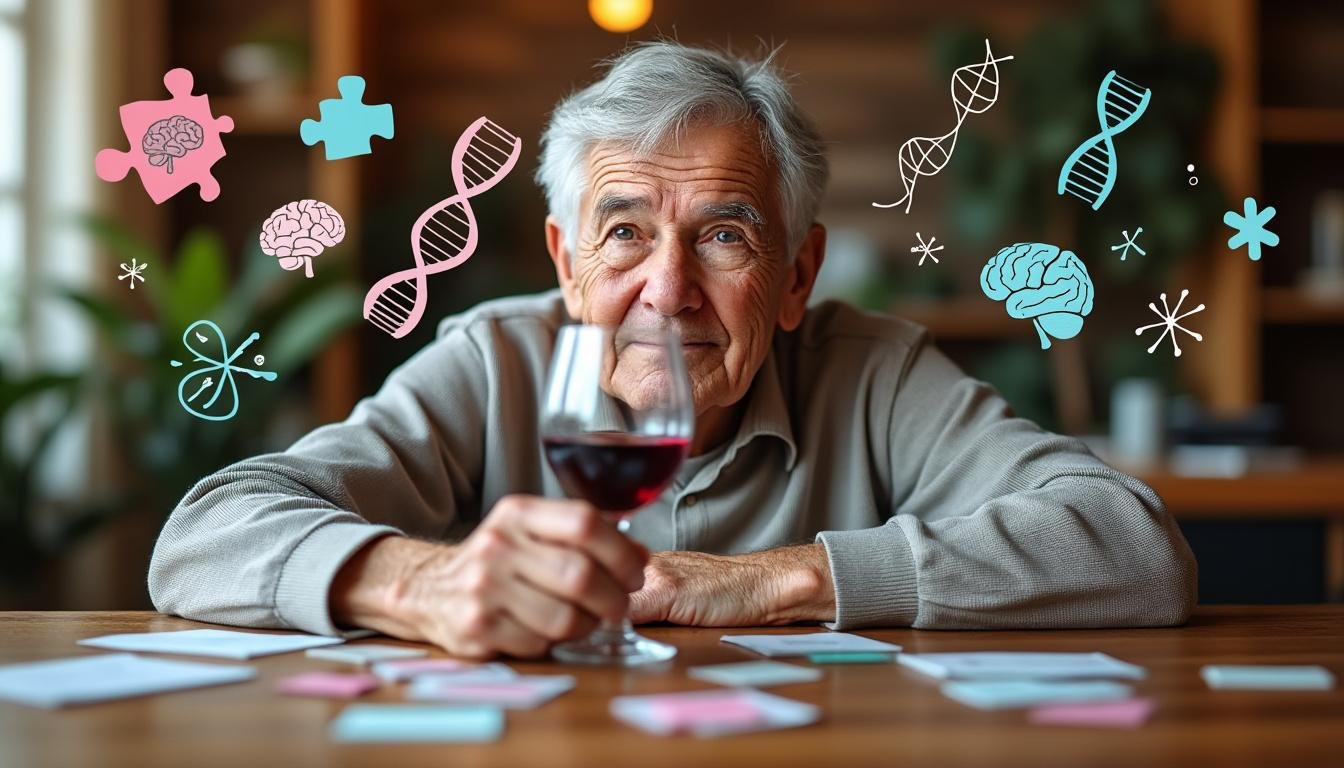
Understanding Dementia and the Impact of Lifestyle Choices on Cognitive Health
Dementia is a broad term describing significant declines in cognitive abilities—memory, language, problem-solving—that interfere with everyday life. Alzheimer’s disease, the most common form, poses enormous public health challenges worldwide. The latest research from authorities such as Johns Hopkins Medicine, Harvard Health Publishing, and the CDC underscores that lifestyle factors play a crucial role in modulating risk.
Recent findings emphasize that while genetics influence dementia susceptibility, adopting healthy behaviors can markedly slow down cognitive decline. A remarkable 2025 longitudinal study published by Daniel Stickler’s newsletter demonstrated that maintaining favorable lifestyle habits resulted in 47% slower cognitive decline, even in individuals carrying high-risk dementia genes. These habits include physical exercise, balanced nutrition, social engagement, and importantly, limiting neurotoxic behaviors like excessive alcohol use.
Research from The New York Times also illustrates improvements in early-stage Alzheimer’s patients through lifestyle interventions, challenging fatalistic views of dementia as inevitable deterioration. Such insights enhance public prevention strategies promoted by organizations like the Alzheimer’s Association and the CDC.
Among lifestyle factors, alcohol consumption stands out for its dual nature as both social lubricant and a potential neurotoxin. The Healthy website points out how common daily behaviors, including drinking habits, can quietly contribute to cognitive risk. One of the underlying mechanisms is alcohol-induced neuroinflammation, which accelerates neural damage.
In practical terms, individuals can actively influence their brain health by:
- Incorporating regular physical activity—at least 150 minutes per week—in line with guidelines from Mayo Clinic and Cleveland Clinic.
- Adopting a diet rich in antioxidants and omega-3 fatty acids, such as the Mediterranean diet, which Harvard Health Publishing recommends for brain preservation.
- Engaging in social and intellectually stimulating activities to maintain neural plasticity.
- Prioritizing adequate sleep to support memory consolidation and neural repair.
- Avoiding alcohol consumption or strictly moderating intake based on updated research insights.
By addressing alcohol’s hidden risks alongside other modifiable factors, individuals can harness powerful daily habits that meaningfully reduce dementia risk and improve quality of life well into old age.
How Alcohol Biologically Contributes to Dementia and Brain Decline
Understanding the physiological effects of alcohol provides vital context for why even moderate consumption raises dementia risk. According to researchers and reviews in publications such as The Lancet and coverage by BBC Health, alcohol impacts brain health at structural and cellular levels.
Firstly, alcohol disrupts the gut microbiome, increasing the presence of endotoxins—harmful substances that trigger systemic inflammation. Persistent inflammation is widely recognized as a significant factor accelerating neurodegenerative disorders like Alzheimer’s disease. Experts from NIH and Johns Hopkins Medicine emphasize the cascading impact inflammation can have across multiple organ systems, including the brain.
Secondly, alcohol consumption is linked to accelerated loss of both grey and white matter in the brain. Studies with advanced imaging techniques revealed that individuals drinking as little as one alcoholic beverage per day showed measurable declines in brain volume. This shrinkage correlates closely with impaired cognition and higher susceptibility to memory loss. For example, a recent study highlighted that consumers with eight or more drinks weekly had a 133% increased risk of developing brain lesions associated with dementia.
Importantly, alcohol-related brain damage is dose-dependent but present even at low-to-moderate levels. These findings challenge long-standing beliefs that moderate drinking is innocuous or even protective toward brain function.
The biological mechanisms underpinning these effects include:
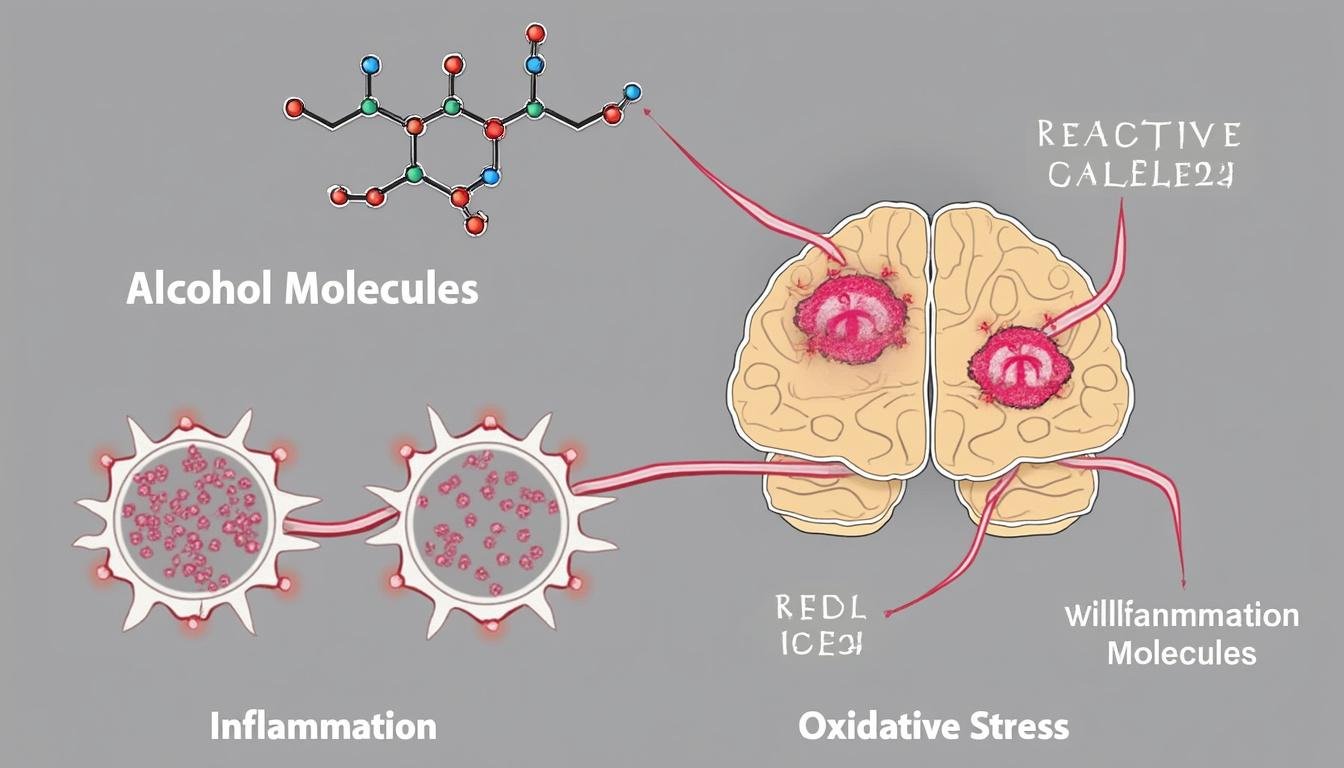
- Neuroinflammation: Chronic inflammation provoked by alcohol endotoxins damages neurons and glial cells.
- Oxidative Stress: Alcohol metabolism generates free radicals that overwhelm antioxidant defenses, damaging DNA and proteins.
- Neurotoxicity: Alcohol and its metabolites disrupt neurotransmitter balance and synaptic integrity critical for cognition.
- Vascular Damage: Alcohol contributes to hypertension and blood-brain barrier breakdown, impairing nutrient supply.
- Sleep Disruption: Alcohol interferes with REM sleep cycles, hindering memory consolidation processes.
Experts from Harvard Health Publishing note that these biological pathways collectively accelerate aging in brain tissues, leading to earlier onset and more severe forms of dementia. Awareness of these mechanisms underscores the necessity of revisiting alcohol consumption guidelines in the context of brain health and dementia prevention.
Navigating Social and Psychological Challenges of Reducing Alcohol to Protect Brain Health
Choosing to cut back or quit alcohol consumption is not merely a physical decision but involves complex psychosocial factors. Many people rely on alcohol as a stress reliever, social facilitator, or ritualistic part of celebrations. Understanding and addressing these facets is essential for success in adopting brain-protective habits.
Research covered by institutions like Johns Hopkins Medicine and Cleveland Clinic points out that cravings and dependency complicate efforts to stop drinking. Moreover, societal norms often reinforce drinking behavior, making moderation challenging amidst peer pressure and cultural expectations. For some, alcohol also serves as an emotional escape, which requires healthier alternatives to cope.
Pragmatic strategies for those considering reducing or eliminating alcohol may include:
- Seeking support via professional counseling or support groups, such as those listed by the Substance Abuse and Mental Health Services Administration (SAMHSA) National Helpline.
- Exploring alternative relaxation techniques like meditation, yoga, or nature walks, which can manage stress without neurotoxic effects.
- Experimenting with non-alcoholic beverages that mimic familiar tastes and ritualistic aspects, like Mojito Mocktails or no-sugar-added Sangria blends.
- Building new social circles prioritizing health-conscious behavior and mutual encouragement.
- Educating oneself on the brain-health benefits gained from reduced alcohol intake to reinforce motivation.
By adopting this multifaceted approach, individuals can overcome the paradox of maintaining social satisfaction while significantly reducing dementia risk. Public health advocates in organizations such as LiveWell Magazine continuously promote such sustainable lifestyle choices, emphasizing that brain longevity is an achievable goal.
Alternative Approaches to Enhance Cognitive Health Beyond Alcohol Reduction
While minimizing alcohol intake is crucial, other complementary strategies amplify brain protection and may even rejuvenate cognitive function. Pioneering research from sources including Harvard Gazette, Mayo Clinic, and NIH highlight multi-pronged approaches that are scientifically validated and align with expert consensus.
Key habits recommended to safeguard and boost brain health include:
- Nutritious Eating: Embracing anti-inflammatory diets rich in fruits, vegetables, whole grains, nuts, and omega-3 fatty acids reduces oxidative stress. Diets akin to Mediterranean or MIND eating patterns are widely endorsed.
- Regular Physical Activity: Engaging in aerobic exercise, resistance training, and balance-enhancing activities promotes cerebral blood flow and neurogenesis. A minimum of 150 minutes weekly is advised by Cleveland Clinic.
- Mental Stimulation: Continual learning, puzzles, and creative hobbies foster neural plasticity and cognitive reserve.
- Social Engagement: Maintaining strong interpersonal relationships mitigates stress and loneliness, factors linked to cognitive decline.
- Quality Sleep: Prioritizing seven to nine hours nightly supports memory consolidation and cellular repair mechanisms.
For those looking for more holistic remedies, LiveWell Magazine presents herbal and complementary options that enhance brain function and overall wellness. Similarly, adopting heart-healthy habits has shown promise in lowering dementia risk by as much as 86%, as explored in their cutting-edge studies.
Integrating these diverse strategies creates a comprehensive lifestyle approach that not only counters the harmful effects of alcohol but also rejuvenates brain health and resilience, fostering cognitive longevity well into later decades.
- Anti-inflammatory and brain-boosting diets supported by major health institutions.
- Consistent exercise to enhance neurovascular function and neuroplasticity.
- Engagement in lifelong learning and social activities to build cognitive reserve.
- Emphasis on restorative sleep patterns crucial for brain repair.
- Herbal and complementary therapies as adjunctive cognitive enhancers.
Frequently Asked Questions About Alcohol and Dementia Risk
How much alcohol consumption is considered safe regarding dementia risk?
Current genetic research indicates no safe threshold; even light drinking raises dementia risk by about 15%, urging caution and minimization.
Can quitting alcohol improve brain health after years of drinking?
Yes, reducing or stopping alcohol intake can slow cognitive decline and promote brain recovery, especially when combined with healthy lifestyle changes.
Are there specific types of alcohol more harmful to brain health?
No definitive evidence distinguishes risk levels by beverage type; ethanol itself is neurotoxic regardless of source.
What other lifestyle changes can help reduce dementia risk besides alcohol moderation?
Exercise, balanced nutrition, cognitive stimulation, social engagement, and sufficient sleep form the cornerstone of brain health.
Where can someone seek help if they struggle with alcohol dependency?
Organizations such as SAMHSA provide confidential support and treatment resources. They can be contacted at 800-662-4357.