


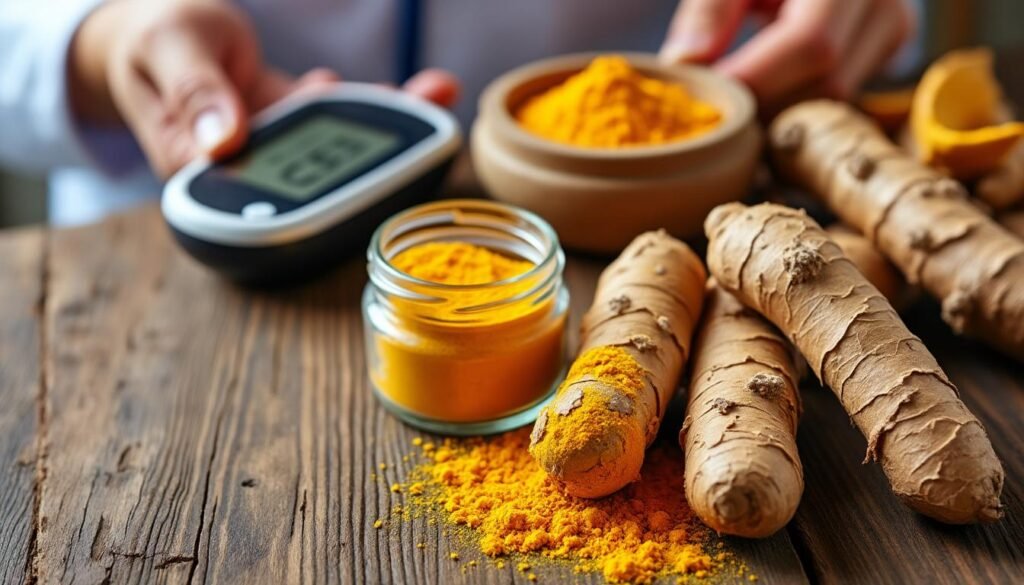
Turmeric: The Natural Ally in Blood Glucose Regulation
Every year, millions of individuals managing type 2 diabetes with Metformin seek natural ways to support their therapy and improve blood sugar control. Emerging research highlights turmeric, a common kitchen spice, as a promising complementary agent due to its active compound, curcumin. While predominantly known for its role in flavorful curries, turmeric’s reputation is expanding as a potential natural remedy with anti-diabetic properties.
Dr. Helen Carter, an endocrinologist specializing in metabolic diseases, notes, “Curcumin exhibits mechanisms strikingly similar to Metformin. It modestly lowers blood glucose levels, enhances insulin sensitivity, and improves lipid profiles, which may reduce cardiovascular risks commonly associated with diabetes.” However, she cautions that turmeric should never replace prescribed medication but rather complement medical treatment under professional supervision.
Alongside dietary measures like turmeric, our Gluco6 review examines whether a supplement may provide additional support for blood glucose control.

How Curcumin Mimics Metformin’s Role in Glucose Control
Metformin primarily aims to reduce hepatic glucose production and augment insulin sensitivity to maintain optimal blood glucose regulation. Interestingly, curcumin follows a parallel path by inhibiting gluconeogenesis in the liver, effectively lowering fasting glucose levels. According to recent studies from the National Institutes of Health, curcumin also activates AMPK—an enzyme that regulates cellular energy balance in a manner similar to Metformin— promoting increased glucose uptake by muscle cells.
Jane Miller, a 54-year-old living with type 2 diabetes, shares her experience: “Incorporating turmeric into my diet alongside my medication improved my glucose curves over six months. It’s not a miracle pill, but it made a noticeable difference when combined with healthy habits.” Such personal testimonies reflect the growing interest in combining natural remedies with conventional therapies to enhance glucose control.
Integrating Turmeric Into Diabetes Management Safely
Using turmeric as a part of diabetes management involves understanding proper consumption and limitations. Culinary turmeric, easily added to soups, stews, and teas, offers a gentle introduction. However, supplements with concentrated curcumin require medical advice due to the risk of enhancing medication effects and causing hypoglycemia.
Absorption of curcumin is naturally low; enhancing its bioavailability with black pepper’s piperine and a dietary fat source is essential for therapeutic efficacy. Experts in natural anti-inflammatory supplements emphasize the importance of this combination to maximize benefits while minimizing adverse effects.
Recent clinical findings reinforce that turmeric complements rather than replaces Metformin. Studies published in late 2024 demonstrate that combining Metformin with curcumin produces superior improvements in lipid profiles and glucose metabolism compared to Metformin alone, potentially reducing diabetes-related complications.
For those considering this approach, consulting healthcare providers to tailor treatments is indispensable, ensuring safety alongside enhanced metabolic outcomes. For additional insights on combining lifestyle and supplements for optimal health, check out expert advice on nutrition and supplementation.