


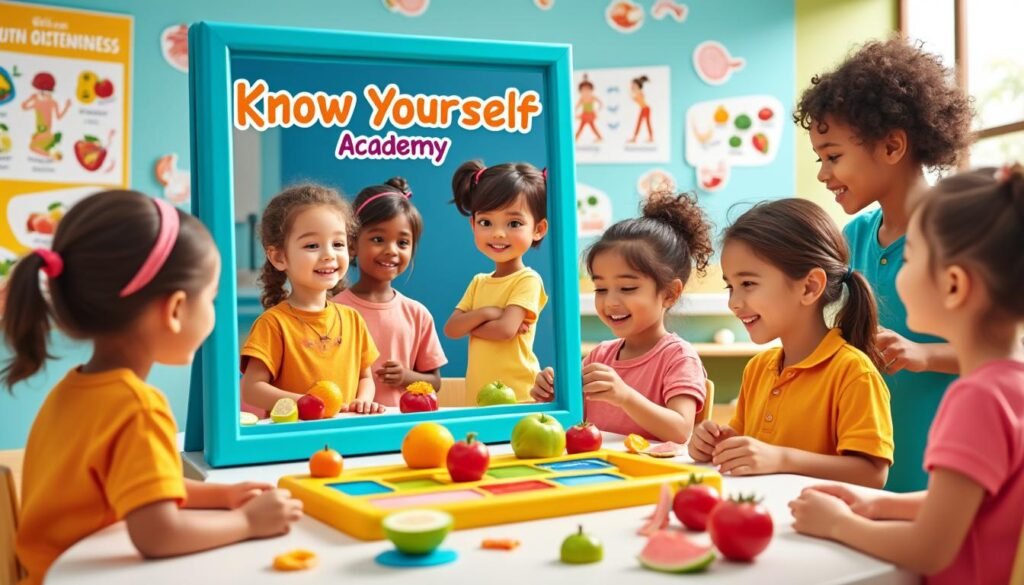
In today’s fast-paced world, children encounter a relentless flow of information about their health—from diet fads to screen time debates. Yet, many lack the foundational understanding to navigate these complex topics effectively. This gap in early education can lead to lifelong struggles with wellness, anxiety, and preventable health conditions. Recognizing this crucial challenge, Know Yourself Academy emerges as a powerful resource, equipping children aged 8 to 12 with essential knowledge about their bodies, healthy habits, and emotional well-being. By transforming health literacy from abstract advice into engaging, age-appropriate learning experiences, this digital platform forms a new generation of Wellness Warriors and Wellbeing Champions who are confident, informed, and proactive in managing their health.
The importance of health literacy isn’t just about immediate benefits; it sets the foundation for lifelong wellness and resilience. Children who understand why brushing their teeth matters, what nourishment their bodies need, or how mental health practices like mindfulness can improve their life are better positioned to make informed choices. This empowerment transcends the classroom—it permeates home life, social interactions, and future health decisions in ways that ripple throughout their communities. Know Yourself Academy weaves this empowerment through its innovative curriculum, supported by scientific research and expert insights, that goes beyond rote instructions and nurtures true Body Smarts and lifelong curiosity.
As parents and educators tune in to the disparities in health education, platforms like Know Yourself Academy become indispensable. Unlike traditional health teachings that are often generic or sporadic, this initiative champions a holistic approach, integrating key areas such as nutrition, physical activity, emotional regulation, and anatomy exploration. By making these topics tangible and relatable—through storytelling, hands-on activities, and interactive multimedia content—it creates an immersive learning journey for kids, which is crucial for sustained behavior change. This article dives deep into the urgency of early health literacy, explores the breakthrough methods of Know Yourself Academy, and showcases how this movement gears children toward a future where they are EmpowerEd Kids, ready to take charge of their wellness confidently.
How Early Health Literacy Shapes Children’s Understanding of Their Bodies and Wellness
Developing health literacy at a young age has far-reaching implications that can transform how children relate to their bodies and wellness for years to come. At its core, health literacy empowers children to comprehend basic anatomy, bodily functions, and the rationale behind daily health routines rather than simply following instructions blindly. This transformational knowledge builds what experts call Body Smarts, where kids grasp how eating nutritiously fuels growth or why physical activity benefits heart health. Influential cognitive development research underscores that ages 8 to 12 are a pivotal window for embedding this foundational understanding into a child’s worldview.
One impactful example is the way young learners at Know Yourself Academy engage with the science behind hygiene practices instead of blindly memorizing “brush twice daily” or “wash your hands.” Through interactive modules, kids explore how germs enter the body, trigger immune defenses, and how simple acts like handwashing interrupt this process, directly linking cause and effect. This clarity transforms repetitive habits into conscious, health-protective decisions, improving compliance and reducing preventable illnesses.
Integrating these lessons in early childhood establishes a scaffolding for more complex health education later in adolescence and adulthood. Moreover, children with higher health literacy often exhibit stronger mental health resilience, as understanding bodily signals like stress responses fosters better emotional regulation. With rising concerns around childhood anxiety, depression, and behavioral issues, strengthening health literacy also serves as a preventative mental wellness strategy.
- Better understanding of anatomy and bodily functions enhances kids’ confidence in self-care.
- Having concrete reasons behind health routines increases kids’ motivation to adopt healthy habits.
- Early education reduces future risk of chronic conditions linked to poor lifestyle choices.
- Builds a foundation for emotional wellbeing by teaching body awareness and stress management.
This alignment with broad wellness goals is echoed by numerous health experts and organizations. Studies published at PMC highlight how youth health literacy correlates with improved health outcomes, reduced emergency visits, and enhanced communication with healthcare providers. In today’s digital era, representing EmpowerEd Kids inheriting these skills early is more practical and vital than ever before due to the vast amount of health information accessible online.
| Health Literacy Skill | Benefits for Children | Example from Know Yourself Academy |
|---|---|---|
| Understanding Anatomy | Boosts curiosity and personal health awareness | Interactive body maps exploring organs and functions |
| Healthy Habit Formation | Improved compliance to hygiene and nutrition routines | Story-based lessons on why washing hands reduces infections |
| Emotional Regulation | Enhanced mental wellness and stress response skills | Mindful Movers exercises teaching breathing techniques |
| Informed Decision-Making | Empowers autonomy and reduces risky behaviors | Nutrition modules identifying healthy vs. hidden sugars |

Integrating Health Literacy into Daily Life: Practical Steps for Families and Schools
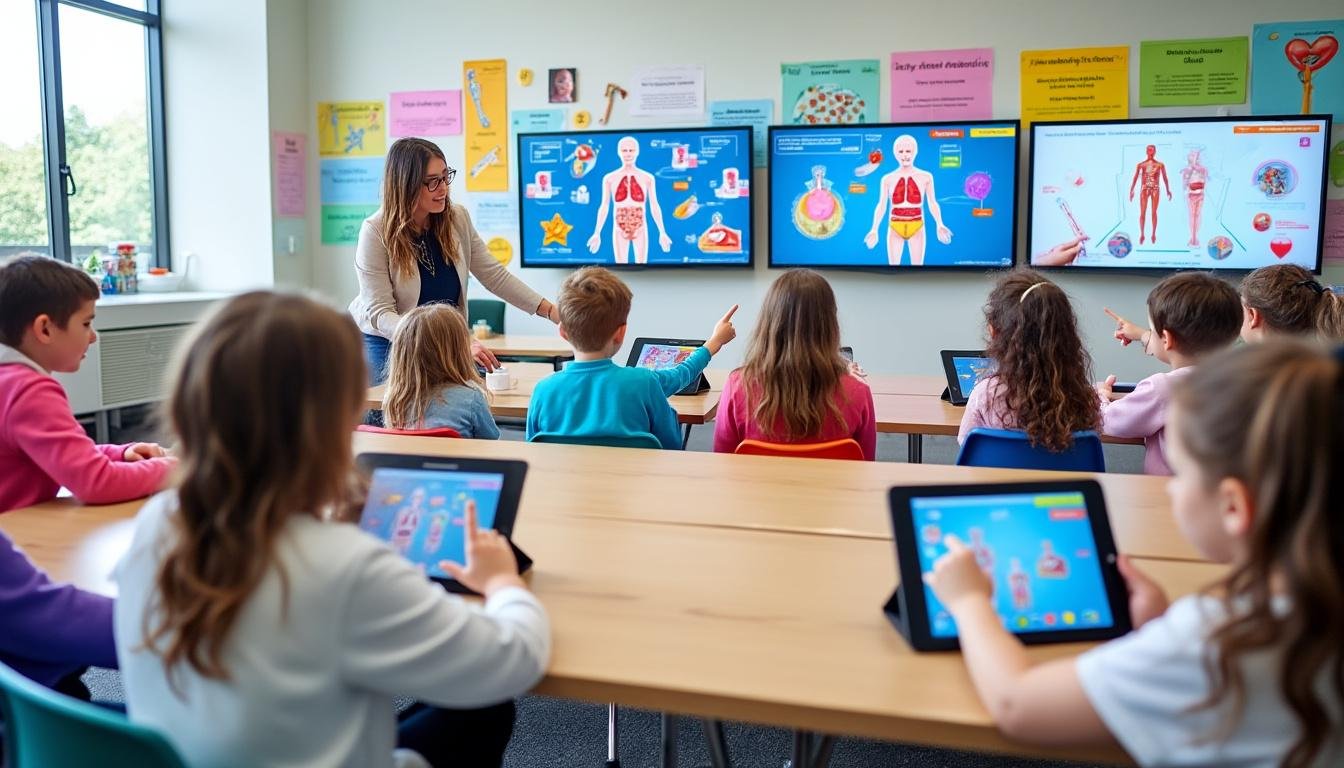
Embedding health literacy in homes and classrooms enriches children’s development beyond formal sessions. Parents and teachers can reinforce lessons from Know Yourself Academy by linking concepts to real-world scenarios and promoting routines through engagement rather than commands. For example, transforming meal times into discussions about nutrients supports better understanding and less resistance to nutritious choices. Schools that partner with platforms offering well-designed curricula like KidFit, Wellness Warriors, and Healthy Habits Hub witness notable gains in student participation and enthusiasm for health topics.
Several actionable strategies encourage this integration:
- Model healthy behaviors consistently, emphasizing reasons behind actions.
- Use storytelling and role-playing to demonstrate the impact of health decisions.
- Encourage children to ask questions and seek evidence-based answers.
- Celebrate small victories in adopting new habits to nurture motivation.
- Leverage technology and apps that promote interactive learning aligned with health goals.
By cultivating an environment that prioritizes health literacy, children are more likely to self-identify as Wellbeing Champions who prioritize their wellness actively. These strategies not only improve immediate health behaviors but also create a culture of shared ownership among children, caregivers, and educators, which is essential for sustainable success.

Know Yourself Academy’s Innovative Approach to Teaching Health Literacy for Kids
Know Yourself Academy stands out for its thoughtfully crafted, interactive curriculum that bridges the gap between science and everyday health actions. Unlike traditional health education that may lean on dry facts or uncontextualized advice, this digital platform centers its lessons on engagement through storytelling, interactive activities, and hands-on experiments. The program is tailored for children aged 8 to 12, a critical developmental stage often overlooked in health curricula. As founder Nancy Howes explains, “Kids don’t just need prescriptive do and don’t instructions, they need the reasons.”
The platform’s design incorporates multiple thematic areas, each supported by comprehensive content modules that encourage exploration and discovery:
- Body Smarts: Learning anatomy and understanding how different systems function.
- Healthy Habits Hub: Practical routines for hygiene, nutrition, and physical activity.
- Mindful Movers: Mental wellness techniques such as breathing exercises and mindfulness.
- Growth Gurus: Education on development, puberty, and self-care during transitional years.
- EmpowerEd Kids: Encouraging autonomy and informed decision-making about health.
This holistic approach means children see the *why* behind health practices, which cultivates ownership, not just compliance. The integration of interactive quizzes, experiments, and even challenges transforms learning into an enjoyable experience rather than a series of mandates. Furthermore, the platform’s creators collaborate with educators and parents to align content with school standards and home reinforcement.
| Program Feature | Purpose | Example Activity |
|---|---|---|
| Interactive Body Maps | Teach anatomy through digital discovery | Explore organ functions with clickable graphics |
| Story-Driven Modules | Contextualize health behavior importance | Follow characters learning good hygiene habits |
| Mindfulness Exercises | Promote emotional regulation and focus | Guided breathing and meditation for relaxation |
| Healthy Snack Challenges | Encourage smart nutrition choices | Identify hidden sugars in everyday foods |
Health literacy taught in this way extends beyond information—it builds skills for lifelong wellness, making Know Yourself Academy a vital partner for parents, caregivers, and educators striving to raise Wellness Warriors in an increasingly health-conscious society.

The Role of Digital Learning Platforms in Advancing Child Health Literacy
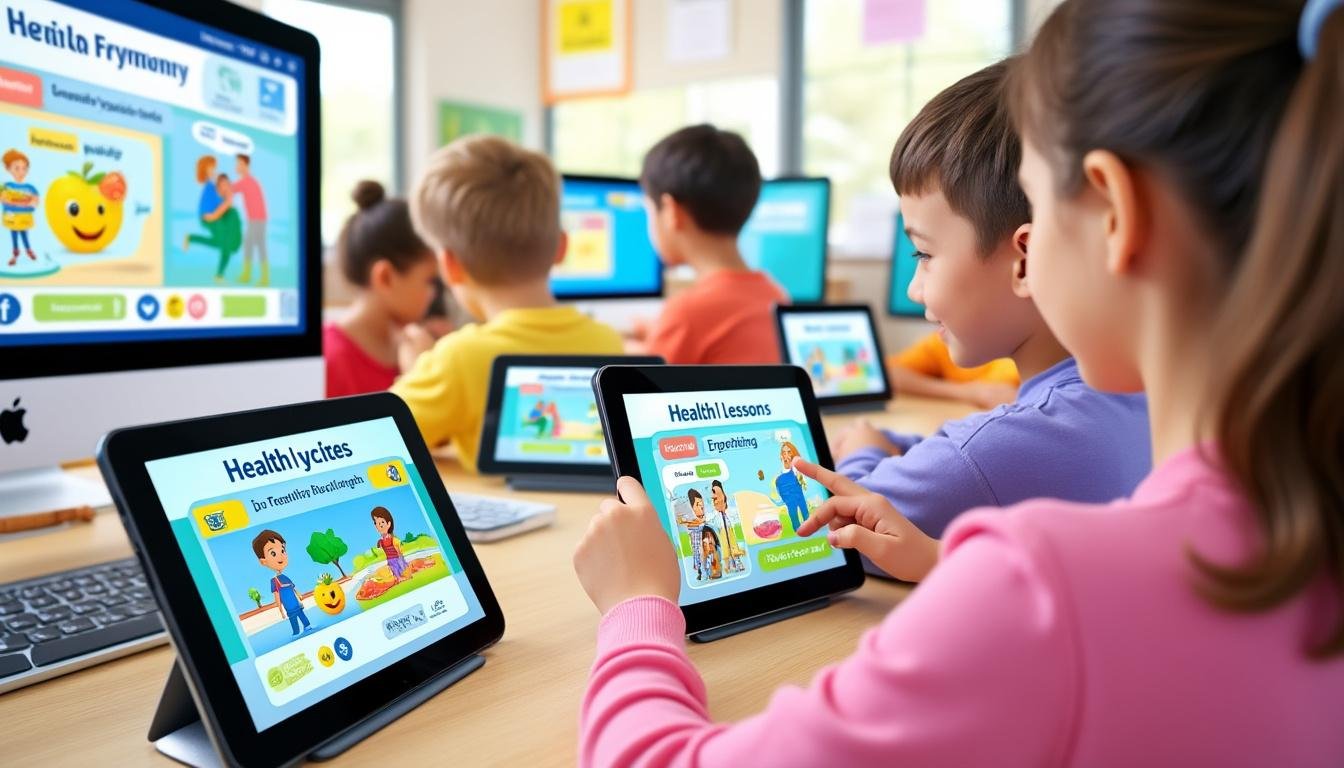
In an era where digital engagement dominates children’s attention, using interactive technologies for health education is both intuitive and essential. Digital platforms like Know Yourself Academy leverage multimedia tools—such as videos, animations, gamified quizzes, and immersive storylines—to create compelling learning experiences that resonate with children’s natural curiosity. This approach contrasts sharply with many traditional methods reliant on rote memorization and passive listening.
Additionally, the accessibility of digital learning allows children from diverse locations and backgrounds to receive consistent, quality health education. This equity aspect is especially important as disparities in health access persist. Many children without regular healthcare encounters benefit deeply from early literacy in health topics discovered through such platforms. The pandemic underscored the value of adaptable, remote learning, and as 2025 unfolds, these tools become increasingly vital to holistic education.
- Provides interactive, age-appropriate content that boosts engagement and retention.
- Supports diverse learning styles through multimodal materials.
- Bridges educational gaps in underserved or rural areas.
- Facilitates parental involvement and home discussions.
- Updates content frequently to remain aligned with the latest health guidelines and research.
In fact, platforms that foster KidFit and Healthy Habits Hub concepts digitally are at the forefront of shaping how health literacy evolves. Educators increasingly advocate for blended curricula that pair in-person experiences with digital reinforcement to maximize impact and accessibility. This integration also equips children to critically appraise health information online, an important skill combating misinformation pervasive on social media.
| Benefit of Digital Health Literacy Tools | Impact on Children | Supporting Insight |
|---|---|---|
| Engaging Multimedia | Improves knowledge retention and motivation | Interactive games and videos maintain attention |
| Accessibility | Reduces health education disparities | Consistent learning regardless of geography |
| Parental Collaboration | Extends learning beyond classroom | Shared platform access encourages conversations |
| Up-to-Date Content | Ensures accurate health information | Regular updates align with health authorities |
This synergy of technology and education propels children to become not only more knowledgeable but proactive participants in their health journeys, perfectly aligning with the mission of EmpowerEd Kids.
Fostering Life-Long Healthy Habits Through Know Yourself Academy’s Programs
One of the greatest challenges in children’s health education is translating knowledge into sustained behavior change—turning abstract concepts into ingrained habits that promote wellness. Know Yourself Academy addresses this by emphasizing a gradual, supportive approach that celebrates every small step. Recognizing perfect adherence isn’t the goal, the focus is on empowering children with tools to care for themselves and understand the long-term benefits of healthy lifestyles.
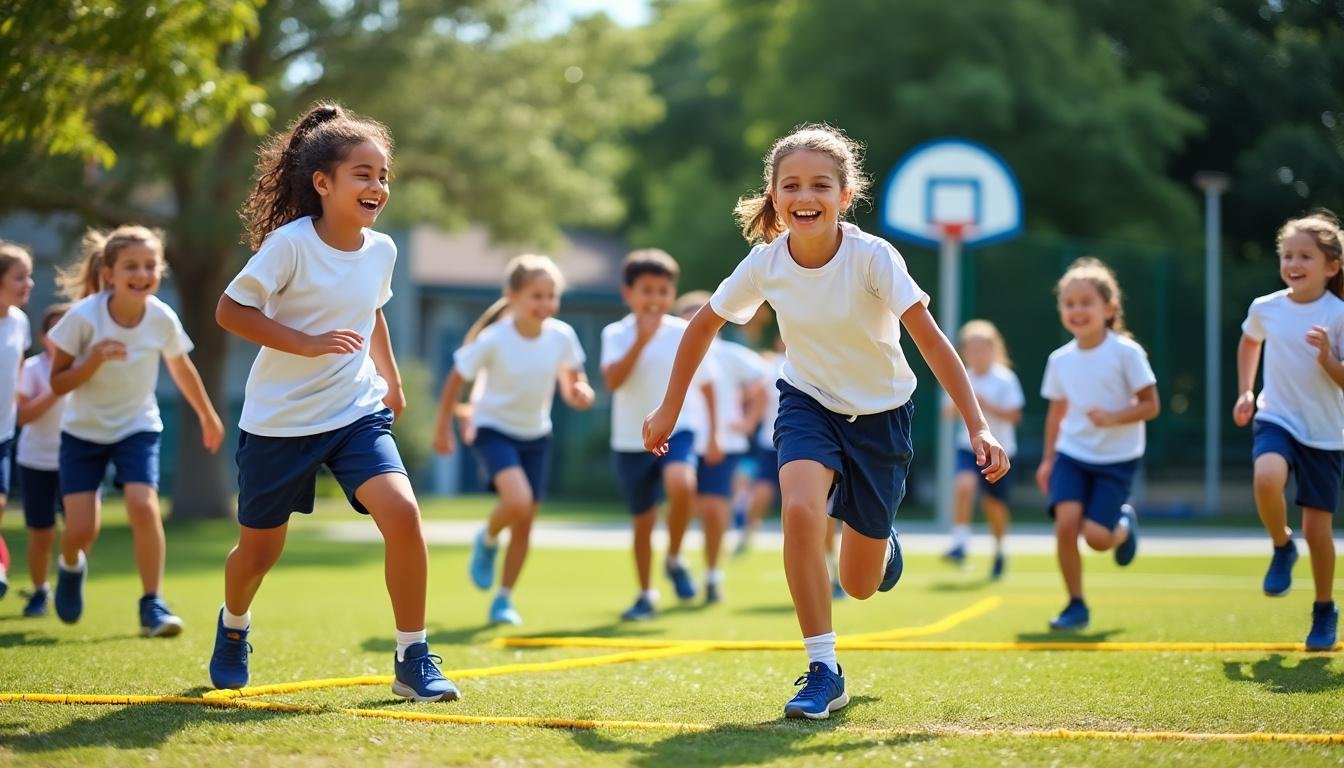
For example, the Academy’s curriculum includes challenge-based learning that prompts kids to monitor hydration, track daily activity, or practice mindfulness regularly. These activities not only reinforce the concepts but also increase self-efficacy. The Growth Gurus modules gently introduce puberty education, making often complex changes more approachable while fostering body positivity. Meanwhile, the Mindful Movers section ensures mental wellness is never overlooked, teaching breathing exercises and coping strategies fundamental for resilience.
Families benefit as well by receiving resources to integrate these lessons at home, enabling consistent support and modeling of healthy behaviors. Schools that adopt the platform often observe improved student focus, fewer behavioral issues, and heightened enthusiasm for physical education. This holistic method nurtures future adults who intuitively understand wellness as a comprehensive, lifelong journey.
- Challenge-driven formats motivate gradual healthy habit adoption.
- Mindfulness training strengthens emotional resilience and stress management.
- Puberty education fosters self-awareness and confidence during developmental changes.
- Parental involvement enhances consistency and reinforcement of health practices.
- Collaborative learning environments encourage peer support and shared goals.
| Program Area | Healthy Habit Focus | Expected Outcomes |
|---|---|---|
| KidFit Challenges | Regular physical activity and movement | Improved fitness and energy levels |
| Mindful Movers | Breathing exercises and mindfulness practices | Reduced anxiety and increased emotional control |
| Growth Gurus | Education on puberty and body changes | Enhanced self-esteem and body positivity |
| Healthy Habits Hub | Nutrition education and healthy eating practices | Better dietary choices and understanding of food impact |
In the grander scope, these actions contribute to a more health-literate generation that is less burdened by chronic conditions like obesity or anxiety disorders, essentially lifting communities toward better public health metrics. This aligns closely with current public health recommendations and research highlighted by the American Academy of Pediatrics in their paper on promoting health literacy for children.
Practical Tips for Parents and Educators to Support Health Literacy Growth
- Encourage curiosity by answering health questions openly and accurately.
- Make health habits fun through games and challenges that reward progress.
- Stay informed about latest child health recommendations via trusted sources.
- Foster a collaborative atmosphere where children feel valued in their health choices.
- Utilize platforms like Know Yourself Academy to supplement learning and engagement.
Frequently Asked Questions About Health Literacy for Children
- What is health literacy and why is it important for kids?
Health literacy is a child’s ability to understand and use information to make healthy choices. It is crucial as it lays the groundwork for physical, emotional, and social well-being throughout life. Platforms like Know Yourself Academy simplify complex concepts to make them meaningful and actionable for young learners. - How does Know Yourself Academy make health education engaging for kids?
By combining storytelling, interactive content, and activities, Know Yourself Academy transforms health education into an exploratory journey. Children become Wellness Warriors through hands-on learning about their body systems, nutrition, and emotional care, facilitating better habit formation. - What role do parents and educators play in fostering health literacy?
They are key facilitators who reinforce health messages at home and in school. Modeling healthy behaviors, answering children’s questions with scientific accuracy, and encouraging inquiry helps solidify lifelong wellness practices, supported by resources from initiatives like the Healthy Habits Hub. - Can digital health literacy programs reduce health disparities?
Yes. Digital platforms increase accessibility, allowing children from underserved communities to receive quality health education consistently. The technology also supports tailored learning approaches, which accommodate individual needs and learning styles. - Why should mental wellness be included in child health literacy?
Mental wellness is integral to overall health. Teaching kids mindfulness and emotional regulation helps them navigate stress and anxiety effectively, contributing to resilience and positive coping mechanisms—key components emphasized in the Mindful Movers modules.