


The annual Blessing Teddy Bear Clinic recently celebrated its 37th year at the Blessing-Rieman College of Nursing and Health Sciences in Quincy, marking another successful chapter in instilling lifelong healthy habits among young children. This unique event invites children between the ages of 3 and 6 to bring their favorite teddy bears or stuffed animals for simulated health check-ups, helping them learn through play while easing anxieties around medical environments. Beyond its engaging activities, the clinic serves as an educational platform that integrates family wellness, firsthand experiences with emergency responders, and hands-on outreach to promote Kids Health and well-rounded well-being.
How the Blessing Teddy Bear Clinic Nurtures Early Healthy Habits in Children
The primary mission of the Blessing Teddy Bear Clinic is to introduce young children to the fundamentals of health and wellness in an approachable, entertaining way. By bringing along their cherished stuffed toys, youngsters engage in a Teddy Needs a Doctor scenario where the roles are reversed: children become the caregivers, learning how to care for their teddy bears as a reflection of caring for themselves. This innovative approach bridges play and education to solidify Healthy Habits at an early age.
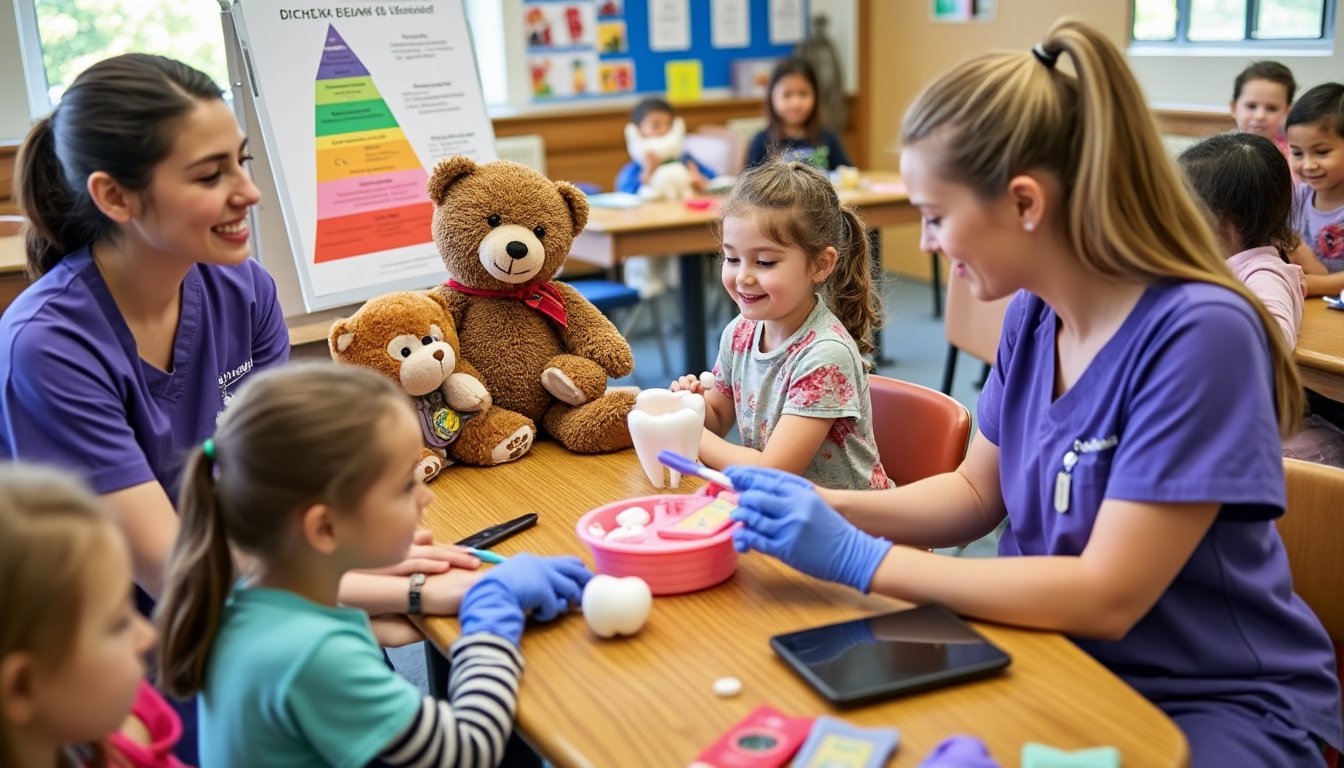
Throughout the clinic, nursing students set up interactive stations resembling real pediatric health check-ups. Examples include:
- Dental hygiene: Children are taught proper brushing techniques to keep their teddy’s teeth clean, highlighting the significance of oral care.
- Physical health: Nutrition and exercise are showcased with colorful educational materials, demonstrating how good choices support a healthy body.
- Fire safety: Basic fire prevention and emergency response measures are explained, fostering safety awareness that kids can recall at home.
- Toxic household supplies awareness: Children learn about common harmful substances in the house and how to stay safe around them.
This hands-on learning experience helps children develop not only knowledge but also confidence in managing their personal health and safety. The clinic specifically targets early childhood, a critical period for habit formation, to create lasting impressions that can influence long-term health trajectories.
Brandi Venvertloh, the faculty chair for the Blessing Teddy Bear Clinic, emphasizes, “We promote having healthy habits and things where children can live more balanced lives, carrying those principles with them as they mature.” This sentiment aligns with recent findings from health education experts who underscore the value of fostering wellness practices during the preschool years.
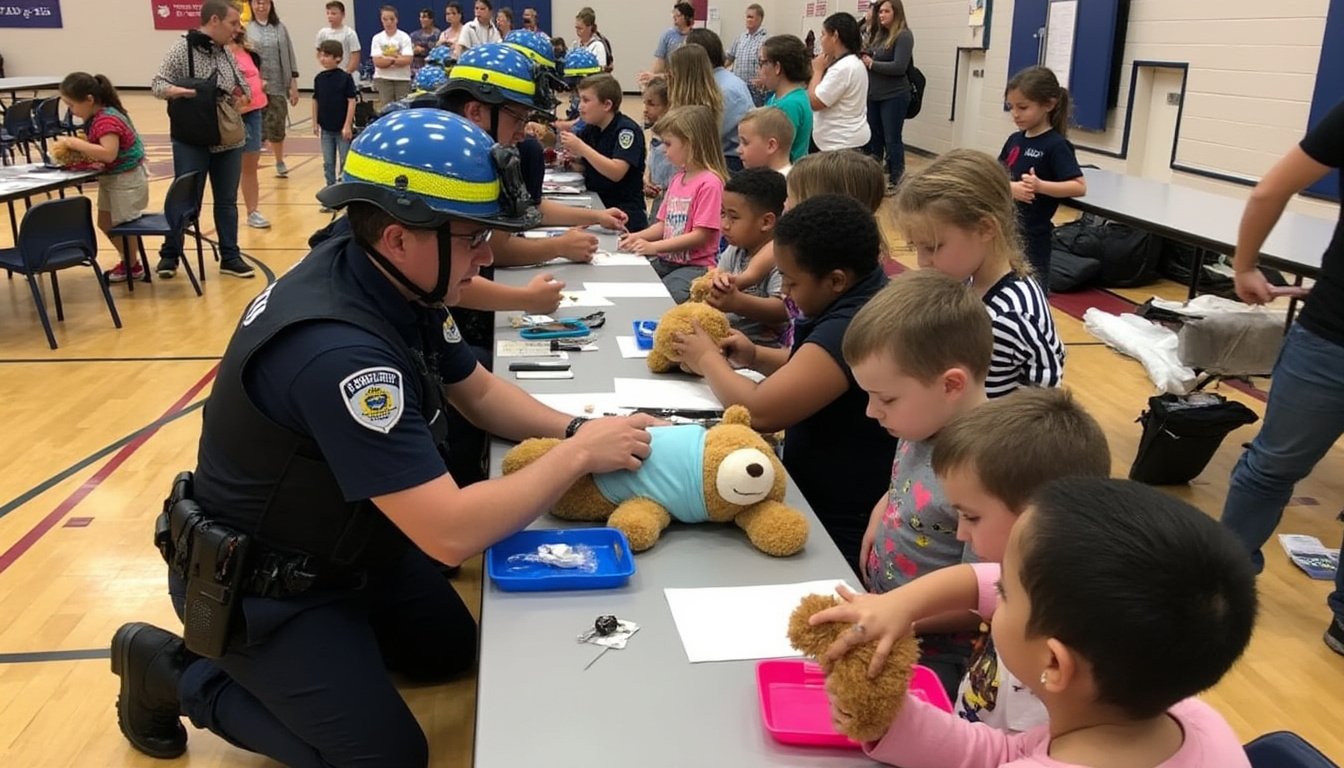
Moreover, the event draws on collaboration with emergency services like the Illinois State Police and Adams County EMS, creating positive early encounters with first responders. By demystifying emergency personnel and their equipment, the clinic reduces children’s fear and encourages trust in public health and safety systems.
For more on how this initiative supports community health literacy, visit WGEM’s coverage.

Engaging Young Minds Through Role-Play and Interactive Health Education
One of the clinic’s standout features is its emphasis on role-play, which leverages children’s natural curiosity and imagination to anchor health concepts deeply. The event’s framework is similar to what many parents and educators associate with Child Life Services—approaches that reduce anxiety around medical experiences and promote empowerment through understanding.
Children acting as caretakers perform pretend check-ups on their stuffed animals, mirroring procedures like measuring temperature, checking heartbeat, and evaluating nutrition. This immersive environment fosters a hands-on understanding of how doctors and nurses support health while making the experience joyous and unintimidating. As children grow accustomed to health care environments in a playful setting, they are less likely to develop fear or resistance when facing real check-ups.
- Learning tooth brushing with visual aids enhances memorability of dental care routines.
- Nutritional lessons incorporate colorful fruits and vegetables to teach balanced diets.
- Fire safety demonstrations show children how to recognize smoke alarms and practice “stop, drop, and roll.”
- Emergency preparedness is reinforced through friendly interaction with first responders.
These activities closely align with principles seen in the Build-A-Bear Workshop model, where personalization and interactive play create lasting emotional connections. At the clinic, this connection translates into a fun yet educational experience that stays with participants beyond the event.
Parents are encouraged to participate actively, reinforcing the lessons at home and developing a family environment rich in support and wellness culture. The clinic emphasizes collaboration between students, families, and health professionals, creating a community approach to Kids Health.
More details about the logistics and themes of previous years can be found at the Muddy River News.
Integrating Community and First Responders to Foster Health Confidence
Beyond its educational value, the Blessing Teddy Bear Clinic serves as a community event that fosters connections between young children, their families, nursing students, and local public safety officials. This multidimensional approach enriches the learning environment and provides essential social support for cultivating enduring health practices.
The presence of Illinois State Police officers and Adams County EMS personnel plays a dual role:
- Introducing children to emergency responders in a controlled, friendly context.
- Helping dismantle fears associated with emergencies by demonstrating safety equipment and protocols.
Engaging with these professionals also offers children insight into sometimes intimidating roles they might otherwise view with apprehension. This early positive engagement is documented to improve children’s comfort and cooperation during actual emergencies.
Additionally, nursing students benefit from hands-on opportunities to apply their skills in pediatrics and health education by interacting directly with families in an informal setting. This experiential learning complements their academic coursework and strengthens their communication skills with diverse age groups.
Some of the critical lessons integrated into the community-focused activities are:
- Recognizing danger signals like smoke or chemical hazards.
- Understanding basic first aid and when to seek help.
- Appreciating the role of emergency services and their teamwork with healthcare.
This partnership mirrors growing trends in health education clinics nationwide, where collaboration strengthens trust in wellness systems and enriches public understanding of Health Education Clinic initiatives.
Learn more about how community partnerships foster health literacy at LiveWell Magazine.
The Role of Nursing Students in Shaping Future Health Ambassadors
Student nurses at Blessing-Rieman College play a pivotal role in orchestrating the Teddy Bear Clinic. This event provides them with invaluable experience beyond traditional classroom settings, as they mentor young participants and explain health concepts in accessible terms.
Nursing students manage different stations covering:
- Dental hygiene with demonstrations of proper brushing techniques.
- Nutrition and physical health, emphasizing balanced diets and active lifestyles.
- Fire and household safety, including recognition of toxic substances.
This direct engagement enhances students’ practical teaching skills and deepens their understanding of pediatric care and community health promotion. It also instills a sense of responsibility and leadership as they help shape the next generation of health-conscious individuals.
Such initiatives align with national health educators’ focus on experiential learning to address childhood public health challenges proactively.
Visitors can explore past clinic themes and the evolution of this important community event at KHQA News.
Incorporating Wellness Bears and Broader Health Messages to Inspire Lasting Change
The Blessing Teddy Bear Clinic integrates concepts that extend beyond the event itself, using Wellness Bears as symbols to reinforce ongoing wellness practices. These symbols act as gentle reminders for children and families to continue prioritizing health and safety in daily life.
Incorporating themes from organizations like the American Red Cross and leveraging the familiarity of the Teddy Bear Hospital model, the clinic situates itself within a broader network advocating for childhood health literacy worldwide. These programs emphasize the benevolent role that play, education, and community involvement collectively play in shaping healthy generations.
Regular promotion of Healthy Habits such as hand hygiene, balanced nutrition, regular physical activity, and awareness of environmental hazards ensures that children establish empowered routines early on. This foundation translates into reduced risk for chronic illness and improved quality of life throughout adulthood.
Strong family involvement and community support are critical components, making this event much more than a one-day activity. It seeds a culture of wellness that nurtures not only individual children but entire families and communities.
- Regular hand washing and tooth brushing reinforce immune health.
- Balanced diets rich in fruits and vegetables improve cognitive function and energy.
- Fire safety drills teach appropriate emergency responses.
- Awareness of hazardous household products minimizes accidental poisonings.
For families seeking to maintain a healthy lifestyle beyond the clinic day, resources like LiveWell Magazine’s guide offer practical advice on sustaining positive health habits year-round.
Frequently Asked Questions About the Blessing Teddy Bear Clinic
What age group is the Blessing Teddy Bear Clinic intended for?
The clinic is designed primarily for children aged 3 to 6, offering age-appropriate health education through play and interactive experiences.
How does the clinic help reduce fear of medical environments?
By allowing children to role-play as caregivers for their stuffed animals and meet nursing students and emergency responders in friendly settings, the clinic demystifies medical procedures and builds trust.
Are parents involved during the clinic activities?
Yes, parents are encouraged to participate and reinforce the healthy habits their children learn, thus promoting consistent wellness at home.
What kind of health topics are covered at the clinic?
Topics include dental care, nutrition, exercise, fire safety, and awareness of toxic substances in households, among others.
Is the Blessing Teddy Bear Clinic affiliated with any other health organizations?
The clinic collaborates with local emergency services and aligns with initiatives from organizations such as the American Red Cross and health education networks dedicated to improving childhood wellness.