


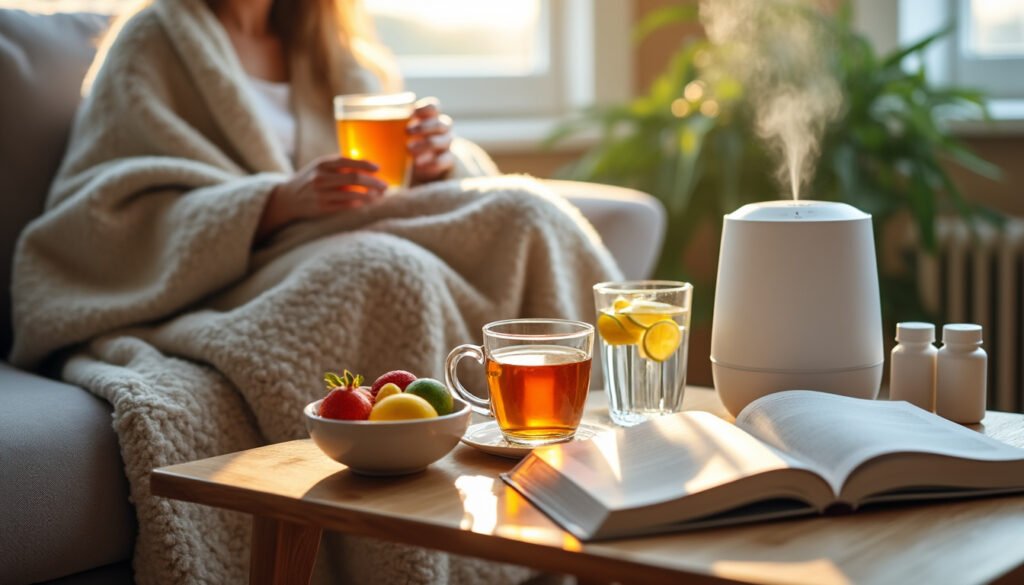
Building Resilience Through Nutrition and Hydration During Illness
When you find yourself under the weather, one of the most critical ways to bolster your body’s natural defense system is through proper nutrition and hydration. Resilience in the face of illness hinges on your body’s ability to combat infection and recover quickly, and that capability largely depends on the fuel and fluids you provide.
Nutrition during illness is not just about eating more but about eating right. While it may be tempting to skip meals due to reduced appetite, choosing nutrient-dense foods can significantly enhance immunity and encourage swift recovery. For example, incorporating foods rich in vitamins C and D, zinc, and antioxidants is essential because these nutrients play a pivotal role in immune function. Citrus fruits, broccoli, spinach, and fortified dairy products can boost your vitamin intake, while lean protein sources like chicken, fish, and legumes provide amino acids necessary for repair and immune cell production.
Hydration is equally essential. When sick, especially with symptoms like fever or vomiting, your body loses fluids more rapidly. Drinking adequate water and electrolyte-rich fluids helps maintain cellular function and prevents dehydration, which can exacerbate fatigue and delay recovery. Herbal teas and broths not only replenish fluids but also soothe symptoms such as sore throats and congestion.
Examples of Nutritional Strategies for Common Illnesses
Take, for instance, the common cold. Emphasizing warm fluids such as chicken soup has been shown to improve mucus flow and reduce inflammation, making breathing easier. Feeling run down with the flu? Prioritize easily digestible foods rich in vitamins and minerals to ensure optimal absorption without overtaxing the digestive system. Also, consistent hydration with water, electrolyte drinks, and diluted fruit juices supports systemic balance.
The concept of resilience through nutrition extends beyond short-term recovery. Studies highlight that maintaining healthy habits during illness reduces the risk of prolonged fatigue and complications. Learning how to adapt your diet strategically when under the weather connects directly to long-term health benefits. More guidance on developing sustainable habits can be explored in resources focusing on healthy habits that support a longer, healthier life.
Hydration, too, requires mindfulness. While water is fundamental, incorporating fluids that supply electrolytes such as sodium and potassium is vital, especially during episodes of diarrhea or sweating. Natural options like coconut water or homemade oral rehydration solutions can be excellent choices. Avoid sugary drinks or excessive caffeine, as these might worsen dehydration.
In sum, the strength to overcome illness relates closely to how well you nourish and hydrate your body. Adjusting your intake consciously in these areas can enhance your immune system’s responsiveness and promote a smoother recovery process.


Leveraging Rest and Sleep to Support Recovery and Immunity
Rest is often the most underrated yet one of the most powerful tools in managing health when you’re sick. The intricate connection between sleep and immunity has been examined extensively. Quality sleep not only provides your body with time to regenerate but also strengthens your immune defense, enabling it to fight infections more efficiently.
During sleep, the body increases production of specific cytokines — proteins that help regulate the immune response. Inadequate sleep reduces these crucial agents, impairing the body’s ability to respond to pathogens effectively. Therefore, prioritizing good sleep hygiene during periods of illness is indispensable.
To maximize rest and promote recovery, consider the following sleep-enhancing strategies:
- Maintain a regular sleep schedule: Even while ill, try to go to bed and wake up at consistent times.
- Create a restful environment: Reduce noise, dim the lights, and keep the room cool to foster deep sleep phases.
- Avoid stimulants: Limit caffeine and screen exposure in the hours before bedtime.
- Practice relaxation techniques: Gentle meditation, breathing exercises, or light stretches can help calm the mind and body.
An anecdote shared by health practitioners reveals patients who manage to preserve their rest schedules often report faster symptom resolution and decreased duration of illness. This underlines the importance of sleep as an essential aspect of self-care when suffering from any health setback.
Additionally, restorative sleep supports brain function and emotional well-being during illness, helping reduce feelings of distress and anxiety. Sleep disorders or disruptions may aggravate stress levels, directly impacting immunity and recovery negatively. For more detailed insights into managing sleep and overall health, you might find expert articles on how to maintain a healthy lifestyle quite valuable.
Remember, adequate rest and quality sleep build resilience, fortify immune defenses, and enable your body to regenerate. They form the cornerstone of recovery and wellness maintenance, underscoring why downtime is not idleness but a vital investment in your health.
Incorporating Gentle Exercise and Stress Management During Illness
Though it might seem counterintuitive, light exercise and mindful stress management techniques can be beneficial even when you’re feeling unwell. The key lies in moderation and listening to your body’s signals.
Exercise, when adapted to illness severity, aids blood circulation, enhances lymphatic flow, and can boost mood by elevating endorphin levels. For example, gentle stretching or slow-paced walking can help maintain some level of physical activity without exacerbating symptoms. This approach helps preserve muscle tone and prevents the lethargy that often accompanies sickness.
However, it’s crucial to avoid overexertion. Symptoms like high fever, severe fatigue, or chest congestion signal that rest is imperative over movement. By contrast, those experiencing mild symptoms may find that light activity positively influences their mindset and physical well-being.
Stress management is intimately connected to this balance. Chronic stress weakens immunity by increasing cortisol levels, which hampers white blood cell function. Engaging in relaxation practices such as deep breathing, meditation, or even guided imagery helps reduce stress hormones and promotes a more efficient immune response.
For practical application, consider these stress reduction tactics when ill:
- Controlled breathing exercises: Deep, slow breaths lower heart rate and ease anxiety.
- Progressive muscle relaxation: This technique involves sequential tensing and relaxing of muscle groups to promote calmness.
- Mindfulness meditation: Focusing attention on the present moment reduces rumination and stress.
- Engage in enjoyable, quiet activities: Activities such as reading or listening to calming music can uplift mood gently.
Combining mild physical activity with effective stress management fosters a holistic approach to healing. This synergy supports the immune system’s ability to function optimally, ensuring that your body can mount a robust defense even when under stress from illness.
To discover comprehensive strategies on maintaining such balanced habits, explore expert advice that merges exercise and stress management seamlessly into wellness routines.

Effective Self-Care Practices to Aid Recovery When Feeling Unwell
Self-care becomes particularly crucial when your body is fighting an infection. It involves intentional actions taken to enhance physical and emotional well-being, accelerating recovery and reducing complications.
One key aspect is recognizing your limits and giving yourself permission to rest without guilt. Many individuals struggle to pause their usual busy schedules, but slowing down enables physiological processes necessary for healing. Self-care also means ensuring regular symptom monitoring to manage any worsening conditions promptly.
Implementing a self-care routine during illness might include:
- Consistent medication adherence: Follow prescribed treatments faithfully and consult healthcare providers when uncertain.
- Maintaining hygiene: Regular handwashing, gentle skin care, and oral hygiene support overall health and prevent secondary infections.
- Engaging social support: Connecting with friends or family, even virtually, helps combat isolation and improves mental health.
- Listening to your body: Adjust activities and rest based on how you feel each day; there is no one-size-fits-all approach.
People who actively practice these behaviors tend to experience smoother recoveries, which exemplifies the direct impact of self-care on wellness. Moreover, they cultivate resilience by fostering a mindset geared toward health rather than mere symptom suppression.
Medical professionals emphasize the significance of self-care during sickness, highlighting that taking small but consistent steps helps maintain momentum toward full health. You can find additional tips for staying healthy through self-care routines from credible health sources that underscore its importance.
Ultimately, self-care is a commitment to nurturing your body holistically, blending rest, nutrition, and emotional nourishment to maximize your healing potential and minimize setbacks.
Practical Strategies for Recovery and Sustaining Healthy Habits Post-Illness
Recovering from illness demands more than just immediate symptom relief; it requires establishing sustainable healthy habits to prevent recurrence and support long-term well-being. Transitioning back to regular routines with intention ensures your resilience and vitality remain strong.
One practical strategy is to gradually reintroduce physical activity. Starting with light exercises and progressively increasing intensity helps rebuild strength without overwhelming the system. This cautious approach reduces risk of relapse or prolonged fatigue.
Maintaining balanced nutrition and hydration remains foundational even after symptoms subside. Continuing to prioritize foods rich in antioxidants, vitamins, and minerals supports cellular repair and immune memory. Also, sustaining hydration aids in flushing out residual toxins and supports metabolic processes.
Reestablishing consistent sleep patterns is equally vital. Illness can disrupt rhythms, so consciously returning to regular bedtimes and wake times reinforces body clocks and improves overall energy levels.
Incorporating routine stress management practices into daily life enhances emotional resilience and decreases the likelihood of immune suppression caused by chronic stress. Make time for mindfulness exercises, hobbies, and social connections that replenish mental health.
Here is a list of actionable tips to maintain healthy habits after illness:
- Develop a balanced daily schedule prioritizing self-care activities.
- Monitor your body’s cues and pace your activities accordingly.
- Maintain a diverse diet with a variety of nutrient-dense foods.
- Keep hydration consistent, aiming for at least 8 cups of fluids daily.
- Engage in moderate exercise at least 3 times a week.
- Practice relaxation techniques to combat everyday stress.
- Ensure regular health check-ups to track ongoing recovery.
Adopting these practices helps transform a potentially debilitating illness experience into an opportunity to reinforce lifelong healthy behaviors. For a deeper dive into maintaining vitality through health habits, experts suggest exploring comprehensive wellness tips that guide gradual but steady progress on this journey.
How does hydration affect recovery when sick?
Proper hydration maintains bodily functions, flushes out toxins, and prevents complications like dehydration, which can delay recovery when you’re ill.
Why is sleep crucial during illness?
Sleep enhances immune function by boosting production of infection-fighting molecules, aiding tissue repair, and reducing stress, all vital during sickness.
Can light exercise help while feeling under the weather?
Yes, gentle exercise can improve circulation and mood, but intense activity should be avoided if symptoms are severe or include fever.
What are key self-care actions during illness?
Resting adequately, following medication instructions, maintaining hygiene, eating nourishing foods, and managing stress are critical self-care steps when sick.
How can I sustain healthy habits after recovering from illness?
Gradual return to physical activity, balanced nutrition, consistent sleep, stress management, and regular health check-ups support ongoing wellness post-illness.