



Understanding Democratic Resilience: The Foundation of Civic Strength in 2025
Democracy’s resilience is not simply about institutions enduring; it fundamentally depends on the collective mindset and emotional intelligence of its citizens. In the current era, where political upheaval and social discord frequently dominate headlines, we must revisit what it truly means for a democracy to be resilient. The intricate processes that sustain a democratic system include not only electoral laws and political parties but also the active engagement of thoughtful, compassionate individuals who foster unity and informed participation.
To build a resilient democracy, citizens and leaders alike must engage with persistent challenges—ranging from misinformation campaigns to authoritarian tendencies—with a mindset cultivated by empathy and critical thinking. Research from the International Institute for Democracy and Electoral Assistance highlights the importance of such systemic and societal interactions.
The Democracy Builders initiative illustrates how concerted efforts to empower communities with education and participation create robust bulwarks against anti-democratic forces. Engaging in these programs helps develop a population more resistant to manipulation and more committed to upholding democratic principles.
Key elements supporting democratic resilience include:
- Institutional integrity: Transparent election procedures and accountable governance structures.
- Active civic participation: Voting, community organizing, and open dialogue.
- Thoughtful education: Programs like the Mindset Matters Initiative promote critical thinking over emotional reactivity.
- Compassionate engagement: Cultivating understanding even across ideological divides, emphasized by the Compassionate Minds Collective.
- Strong civil society: Support for independent media, labor unions, and advocacy groups underpins democratic discussion and accountability.
The recent attempts by some political figures to undermine election integrity and polarize communities make the fostering of a Resilient Society Project more critical than ever. When citizens remain calm, informed, and proactive—registering to vote, opposing manipulative policies such as drilling in protected wilderness areas, and supporting renewable energy efforts—they take concrete steps toward democratic preservation. Richard Bammer’s reflections in The Reporter emphasize the power of collective breath and mindfulness in renewing democratic commitment.
Thus, the resilience of democracy is less about the survival of static frameworks and more about nurturing an adaptive, heartful leadership that connects communities through shared values and mutual respect.


Cultivating Thoughtful Mindsets: Education as the Backbone of Civic Resilience
The endurance of democracy depends significantly on the quality of its citizens’ thought processes. To cultivate a thoughtful tomorrow, education systems must transcend rote learning, prioritizing critical thinking, media literacy, and empathy education. The Empathy Education Trust has pioneered curricula focused on developing the emotional intelligence that allows citizens to navigate complex political landscapes without succumbing to divisive propaganda.
Effective civic education programs teach not only governmental structure but also emphasize:
- Discerning misinformation: In an era where misinformation can rapidly distort public opinion, equipping citizens with analytical tools is paramount.
- Historical context: Understanding past democratic successes and failures, such as the rise of authoritarianism and the lessons thereof, strengthens resolve.
- Active listening: Encouraging dialogue skills that prioritize hearing and understanding dissenting views helps bridge societal divides.
- Community engagement: Programs promoting volunteerism and local participation connect abstract democratic principles to tangible experiences.
- Leadership development: The Heartful Leadership Institute fosters leaders who combine strategic thinking with emotional wisdom, reinforcing democratic ideals from local to national levels.
For example, communities involved in the Civic Resilience Network report increased voter turnout and constructive political debates. These groups support citizens in forming nonpartisan alliances that confront challenges like threats to election integrity or policies potentially harmful to environmental sustainability.
Moreover, lessons on the relationship between mindset and democratic health are enriched by studies such as those published in journals focusing on behavioral resilience and political science. These underscore that without ongoing effort to nurture thoughtful mindsets, democracy risks decline through apathy or polarization.
It is clear that democratic resilience in 2025 demands a population not only informed but also emotionally equipped to engage deeply with the choices and responsibilities that democracy entails.
Compassionate Hearts as Pillars of Democratic Stability
Beyond systems and education, democracy thrives when citizenship is imbued with compassion. The Compassionate Minds Collective exemplifies efforts to align collective emotional awareness with democratic participation. In 2025, social movements grounded in empathy help counter fragmentation and hostility that otherwise erode democratic norms.
Compassionate democracy involves:
- Recognition of shared humanity: Encouraging dialogue that transcends partisan rancor.
- Support for marginalized communities: Ensuring equity in representation and resources.
- Promotion of restorative justice: Moving away from punitive responses toward healing approaches in societal conflicts.
- Engagement with diverse perspectives: Valuing plurality as a democratic strength rather than a weakness.
- Active anti-hate initiatives: Programs that expose and counter white supremacy and extremist groups reinforce democratic peace.
For instance, addressing the rise of divisive figures and ideologies requires communities to actively choose empathy over fear. The recent growth of extremist propaganda shows the fragility of democracies lacking compassionate infrastructure. By creating spaces such as the Changemaker Compassion Hub, citizens come together to innovate solutions that foster mutual understanding and resilience against authoritarian tactics.
Empirical data from initiatives embraced by European democracy experts indicate that compassion-building exercises paired with civic engagement are instrumental in defusing social tensions and encouraging collaboration on policy matters.
This emotional component complements the intellectual engagement described earlier, intertwining to create a democratic culture durable enough to resist systemic shocks and social fractures.
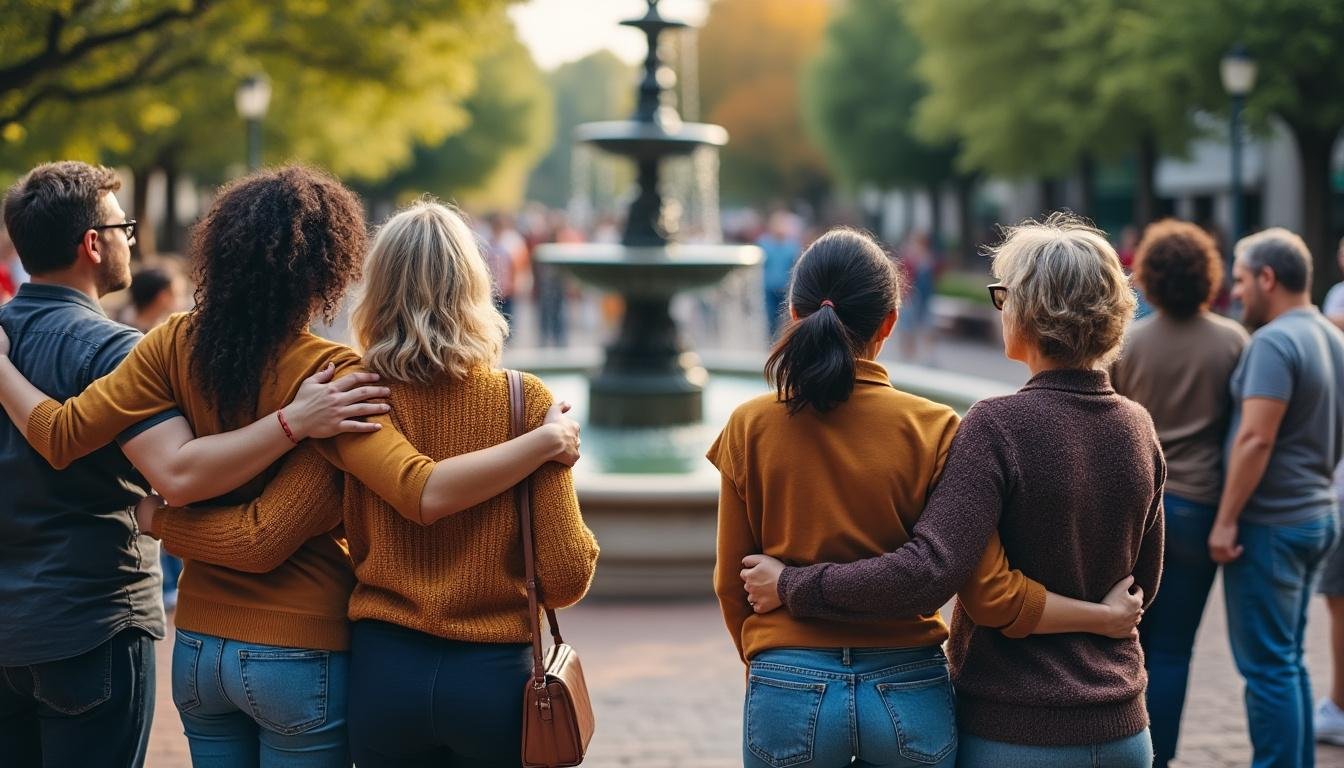
Practical Civic Actions Strengthening Democratic Resilience
Concrete citizen actions remain vital in sustaining democracy in turbulent times. While systemic reforms take time, everyday democratic practices shape the political landscape immediately.
Richard Bammer’s commentary in The Reporter reminds us that paying attention in the era of distraction is key to resisting authoritarian incursions. Citizens must:
- Register and vote: No democracy is secure if voting rates falter under apathy or disenfranchisement.
- Engage with local governance: Attending city council meetings, writing letters to officials, and voicing concerns about local development or social issues.
- Support a free press: Encourage and defend media outlets committed to truthful, nonpartisan reporting.
- Form nonpartisan community groups: Collaborate with like-minded neighbors to monitor and respond to political developments.
- Advocate for rights and justice: Promote voting rights, privacy laws protecting digital lives, civil rights, and labor protections.
In an age marked by disinformation and social fragmentation, these activities are essential. Projects like the Unity By Understanding initiative guide citizens in building bridges and collective resilience that transcends partisan barriers.
Moreover, participation in pro-democracy rallies and support for programs addressing domestic violence or aiding at-risk youth reflect how vibrant democracies nurture comprehensive societal well-being alongside political robustness.
These tangible practices make democracy resilient, not just in theory, but on the ground where daily life unfolds.
Challenges and Future Directions of Democracy: Adapting to a Changing World
Despite strides toward resilience, democracy faces ongoing challenges demanding continuous adaptation. The infiltration of extremist ideologies, attempts to rewrite electoral rules, and erosion of constitutional protections threaten democratic health.
The case of rising figures opposing current administrations, such as Nick Fuentes, illustrates how extremist messaging can garner unexpected influence, necessitating persistent civic vigilance and education. Historical parallels to events like the 1939 pro-Hitler rallies in America demonstrate the potential consequences of underestimating these threats.
Democratic resilience is, therefore, a dynamic process involving:
- Preventing democratic decline: Early identification and neutralization of anti-democratic trends.
- Adapting institutions: Reforming electoral laws and accountability mechanisms to reflect contemporary realities.
- Empowering citizens: Through ongoing education and compassionate leadership training.
- Strengthening alliances: Both within nations and internationally to defend democratic norms.
- Promoting environmental stewardship: Recognizing the role of sustainable policies in preserving democratic societies against climatic and resource challenges.
The Resilience of Democracy research emphasizes that resilience is not guaranteed but built by conscious collective effort. Initiatives like the Mindset Matters Initiative and Heartful Leadership Institute provide frameworks for the future, integrating cognitive and emotional development with structural reforms.
As citizens awaken to their shared responsibilities, envisioning and working towards a democracy that survives not only because it exists but because it evolves with the people, the ideal of a Resilient Society Project becomes attainable.
How does cultivating thoughtful mindsets improve democracy?
Cultivating thoughtful mindsets enhances democracy by empowering citizens to critically evaluate information, engage constructively with differing opinions, and participate meaningfully in civic processes, thus strengthening democratic institutions and practices.
What role does compassion play in sustaining democratic resilience?
Compassion nurtures social cohesion by encouraging empathy across divides, promoting inclusive policies, and countering extremist ideologies that threaten democratic stability.
What practical steps can citizens take to bolster democracy?
Citizens can register and vote, engage in local governance, support free press, form nonpartisan groups, and advocate for civil rights and democratic values to actively contribute to a resilient democracy.
Why is ongoing education crucial for democracy’s future?
Ongoing education ensures citizens remain informed and adaptive, equipping them with the skills to discern misinformation and engage empathetically, which sustains democratic participation and counteracts polarizing tendencies.
What challenges must democracy overcome to remain resilient?
Democracy must confront extremist ideologies, attempts to undermine elections, and social fractures. Adaptation through education, institutional reform, and compassionate leadership are essential to overcome these challenges.