



As the school bells ring signaling the start of a new academic year, the excitement and chaos that follow can often disrupt the carefully cultivated routines of health and wellness for children, teens, and even their families. Balancing academic responsibilities, extracurricular activities, and social engagements frequently sidelines fundamental health practices such as proper nutrition, adequate sleep, and physical activity. However, maintaining healthy habits amidst the school rush is more critical than ever to ensure not only scholastic success but also long-term wellbeing. Integrating strategies like NutriKids dietary plans, ActiveScholars physical routines, and mindfulness-based approaches such as MindfulMeals can provide students with the resilience and energy needed to thrive. The challenge lies in embedding these habits smoothly into busy school days without overwhelming students or parents.
This article unfolds practical, research-backed insights illustrating how parents, educators, and students can embrace a HealthyStart to the academic year through balanced nutrition, smart snacking, disciplined schedules, and mental wellness practices. We will explore how simple yet effective practices supported by initiatives like WellnessWise and StudyFuel can dramatically improve concentration, physical health, and emotional stability. With examples ranging from SnackSmart lunch packing to FitFocus exercise bursts between homework sessions, insights here will empower families to stay grounded and energized despite the bustle.
Delving into current advice from institutions such as the NHLBI and the CDC, alongside innovative resources like Brainsy.ai, this comprehensive guide offers a roadmap to navigating health during one of the most demanding times of the year. The urgency to adapt and maintain these habits remains underscored by emerging findings on how early and consistent engagement with wellness activities can affect cognitive function and emotional regulation. Embarking on this journey through BalancedBites, SchoolWell programming, and more, families can foster environments where health and learning flourish side by side.
Optimizing Nutrition for Energized School Days with NutriKids and MindfulMeals
Nutrition significantly influences students’ capacity to focus, learn, and maintain energy throughout their hectic school schedules. Integrating NutriKids principles into daily meals means prioritizing nutrient-dense foods that sustain cognitive function and physical vitality. Rather than resorting to quick sugary snacks, students benefit from options rich in lean proteins, whole grains, and fresh fruits and vegetables, which maintain steady blood sugar levels and aid concentration. MindfulMeals emphasize the importance of eating with intention and attention, which can prevent overeating and promote better digestion.
For example, parents can prepare lunches that include a variety of colorful vegetables paired with protein sources and whole-grain bread or wraps, complemented by a fruit serving for natural sweetness. Incorporating SnackSmart options like yogurt with nuts or hummus with carrot sticks make healthy snacking both enjoyable and convenient for students rushing between classes and activities. Many schools now encourage these healthy lunch and snack habits as part of their SchoolWell initiatives, aiming to reduce childhood obesity and support mental performance.
Meal planning also benefits from establishing routines where students participate actively in choosing or preparing their foods, making them more invested in eating well. Some families adopt weekly meal prep strategies to streamline busy mornings and reduce the temptation for processed or fast foods after school.
- NutriKids Tip: Include omega-3 fatty acids from sources like salmon or flaxseeds to boost brain health.
- MindfulMeals Practice: Encourage students to eat slowly and savor their food, which enhances digestion and satisfaction.
- SnackSmart Ideas: Assemble trail mix with nuts, seeds, and dried fruit for a portable, energy-dense option.
- SchoolWell Support: Advocate for school gardens or nutrition workshops to engage students in healthy eating education.
| Meal Component | Recommended Foods | Benefits |
|---|---|---|
| Proteins | Chicken breast, beans, eggs, tofu | Supports muscle repair and concentration |
| Whole Grains | Brown rice, quinoa, whole-wheat bread | Provides sustained energy release |
| Fruits & Vegetables | Carrots, spinach, berries, apples | Rich in vitamins and antioxidants for immune health |
| Healthy Fats | Avocado, nuts, olive oil, seeds | Enhances brain development and hormone balance |
By implementing these nutritional strategies, families empower children to enter classrooms with optimal physical and mental resources. This directly aligns with tips from the Protocol Health blog and Power Pediatrics, which emphasize balanced eating as foundational during the school year.


Establishing Consistent Sleep Patterns to Reinforce Cognitive and Physical Health
In the midst of hectic schedules and early school mornings, establishing consistent sleep patterns is vital. Adequate sleep enhances memory consolidation, emotional regulation, and physical growth, supporting the active lives of student learners. The HealthyStart of every school day begins the night before with a calming and regular bedtime routine.
Experts recommend that school-aged children and teens aim for 8-10 hours of quality sleep nightly to reap these benefits fully. Yet, distractions from electronic devices, late-night homework, and social pressures often derail these optimal schedules. Programs such as WellnessWise advocate for limiting screen time at least an hour before bed and promoting calming activities like reading or meditation to transition smoothly into sleep.
The importance of fitful slumber can be illustrated through the case of Jamie, a 13-year-old student whose academic performance dipped until she and her family implemented a strict sleep schedule. By keeping fixed bedtimes and wake-up times, Jamie’s attentiveness and mood improved markedly, demonstrating the connection between rest and learning.
- Set a fixed bedtime and wake-up time to create a biological rhythm.
- Maintain a tech-free bedroom environment to reduce blue-light exposure.
- Integrate a Wind-Down Routine: Relaxing activities such as stretching or listening to soft music can ease the transition to sleep.
- Use sleep tracking apps or journals to monitor improvements and challenges.
| Age Group | Recommended Sleep Duration | Benefits |
|---|---|---|
| 6-12 years | 9-12 hours | Supports growth and cognitive development |
| 13-18 years | 8-10 hours | Enhances memory, mood stability, and energy levels |
These recommendations echoed in the Nuvance Health guidance serve as crucial reminders for parents and schools promoting rest as part of a comprehensive school wellness strategy.

Building Physical Activity into Busy Schedules with ActiveScholars and FitFocus
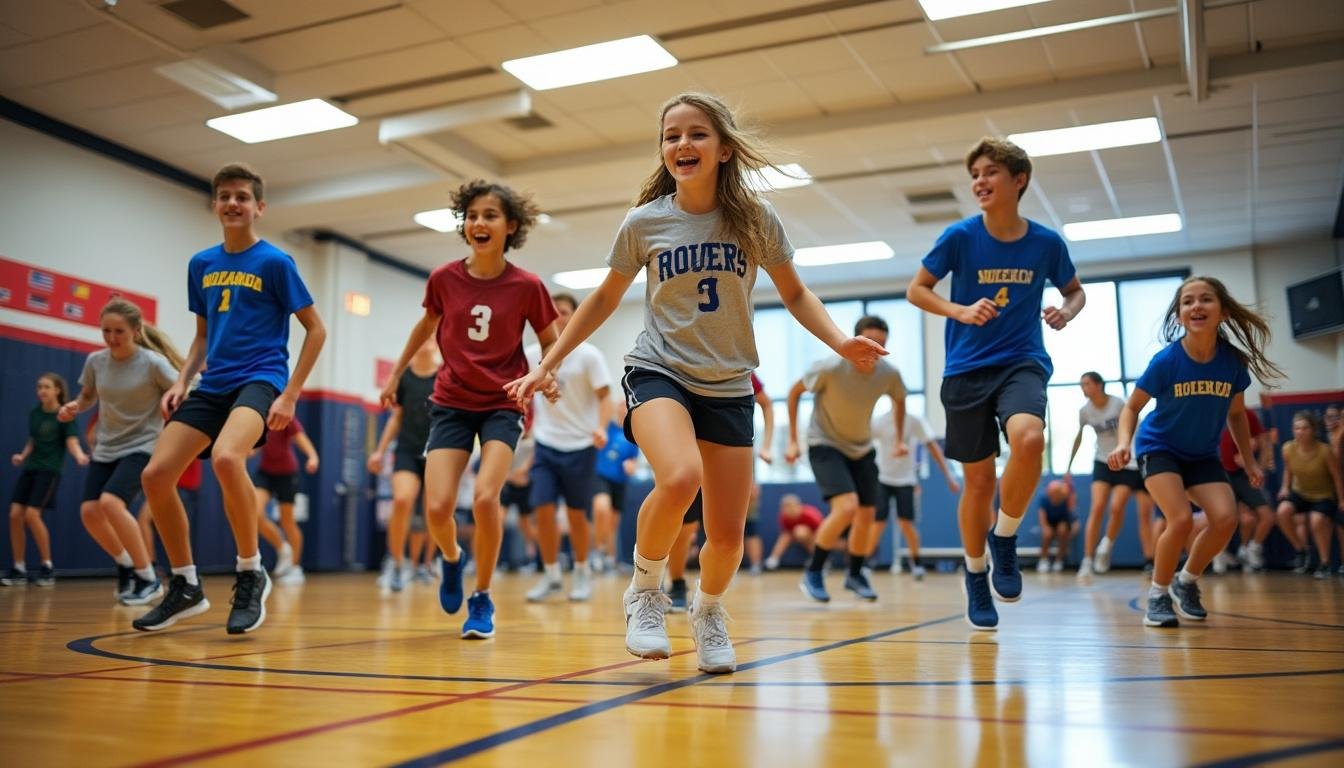
Sitting for extended periods during classes can contribute to fatigue and reduced alertness. Incorporating physical activity through the ActiveScholars initiative not only invigorates students but also strengthens their body and mind. FitFocus routines, comprising brief but consistent bursts of exercise, help maintain cardiovascular health and muscular endurance without requiring large time commitments.
Schools and families can collaborate to embed movement within daily routines such as:
- Walking or biking to school when possible
- Active breaks during long study sessions
- Participation in physical education and extracurricular sports
- Home-based exercises before homework or dinner
Regular activity has been linked to improvements in executive function, mood, and academic outcomes, as detailed in the NCHPAD resources. For instance, incorporating 10-minute stretching or yoga breaks can reset concentration and reduce stress caused by prolonged mental effort. During a particularly demanding exam week, ActiveScholars students who practiced FitFocus exercises reported feeling more alert and less overwhelmed.
| Activity Type | Duration | Health Benefits |
|---|---|---|
| Walking or Cycling | 20-30 minutes daily | Improves cardiovascular health and boosts mood |
| Stretching/Yoga | 5-10 minutes | Enhances flexibility and reduces stress |
| Team Sports | 1-2 hours weekly | Builds endurance, teamwork, and self-esteem |

Managing Stress and Mental Wellbeing Through WellnessWise Strategies
Academic pressure, social dynamics, and extracurricular obligations can intensify stress during the school year. WellnessWise supports mental health by promoting coping skills that allow students to manage anxiety and maintain emotional balance. MindfulMeals, though primarily nutritional, complement this by encouraging consciousness about bodily sensations and emotional triggers related to food intake.
A practical example includes implementing brief meditation or deep breathing sessions during school breaks, equipping students with tools to navigate stressors effectively. Parents and educators can foster open communication about emotions and challenges, reducing stigma and encouraging the early seeking of support.
- Incorporate mindfulness breaks consisting of breathing exercises or guided meditation.
- Provide access to counseling services and peer support groups at schools.
- Create quiet zones or relaxation spaces for students experiencing overwhelming moments.
- Encourage journaling or creative outlets such as drawing to express feelings.
| Stress Management Technique | Description | Benefits |
|---|---|---|
| Deep Breathing Exercises | Focused inhalation and exhalation patterns | Reduces anxiety and lower heart rate |
| Mindfulness Meditation | Non-judgmental awareness of present moment | Increases focus and emotional resilience |
| Creative Expression | Art, music, writing activities | Improves mood and self-awareness |
Emphasizing these strategies helps maintain a balanced approach to school life, complemented by the findings shared on Johnson Memorial’s blog, underscoring mental wellness as integral to student success.
Time Management and Routine Building as the Cornerstone of SchoolWell Success
Efficiently navigating the school rush requires mastering time management and creating stable daily routines. SchoolWell programs focus on helping students and families develop schedules that integrate study, leisure, physical activity, and rest without sacrificing essential healthy habits. Structure brings predictability that eases anxiety and supports consistent lifestyle choices despite fluctuating weekly demands.
Key elements include prioritizing tasks, setting achievable goals, and using tools such as planners or digital apps that monitor commitments. For example, an afternoon routine might consist of a 30-minute study segment fueled by StudyFuel snacks, a short ActiveScholars exercise, and time for creative hobbies or socializing, fostering holistic development.
- Create block schedules that divide homework, activities, and self-care.
- Set specific, measurable, achievable, relevant, and time-bound (SMART) goals each week.
- Limit multitasking to enhance focus and efficiency.
- Regularly review and adjust routines to account for changing school demands.
| Time Usage | Recommended Hours Per Day | Purpose |
|---|---|---|
| Study/Homework | 2-3 hours | Academic mastery |
| Physical Activity | 1 hour | Health and stress relief |
| Leisure/Socializing | 1-2 hours | Emotional wellbeing |
| Sleep | 8-10 hours | Restorative rest |
Guidance from the UC Health article reinforces the importance of routine and deliberate planning for optimizing both academic and health outcomes, empowering young learners to adopt lifelong BalancedBites towards their wellbeing.
Frequently Asked Questions about Maintaining Healthy Habits During the School Rush
- Q: How can busy students maintain a balanced diet amidst a hectic schedule?
A: Planning meals ahead, choosing nutrient-dense SnackSmart options, and involving students in meal prep ensure balanced nutrition despite busy days. - Q: What are effective ways to improve sleep quality for teenagers?
A: Establish a fixed sleep schedule, reduce screen time before bed, and create a calming bedtime environment to enhance sleep quality. - Q: How much physical activity is recommended for school-aged children?
A: At least 60 minutes of moderate to vigorous activity daily, which can be broken into smaller sessions like FitFocus exercises. - Q: What mental wellness practices help reduce school-related stress?
A: Techniques like deep breathing, mindfulness meditation, and creative expression provide effective tools for managing stress. - Q: How can parents assist children in managing their time effectively?
A: Encourage the use of planners, set SMART goals, create structured routines, and periodically review schedules together.