



Living with hypertrophic cardiomyopathy (HCM) presents a unique set of challenges that go beyond medical treatments and medications. Embracing key lifestyle changes can significantly influence your heart’s health and overall well-being while managing this complex condition. Experts from leading institutions emphasize the importance of tailored exercise plans, nutritional choices, stress management, and technology-assisted monitoring as core pillars for thriving with HCM.
Understanding how to balance activity without overwhelming the heart is crucial. Devices like Fitbit and Withings offer continuous health tracking, empowering individuals to monitor their heart rate and physical output safely. Meanwhile, apps such as MyFitnessPal, Lifesum, and Noom provide comprehensive tools to maintain a heart-healthy diet and manage weight effectively. These lifestyle adjustments not only help mitigate risks associated with HCM but also enhance daily energy levels and quality of life.
The integration of mindful practices, including Calm and Headspace, addresses the vital role of mental health in cardiac wellness. Stress and anxiety can trigger complications, so learning to manage them proactively contributes substantially to heart health. Brands like Nike, Under Armour, and Peloton support safe and enjoyable physical activities ranging from walking to cycling, customized to individual capacities.
In the following sections, you will discover detailed strategies and evidence-based recommendations, including exercise guidelines, diet plans, stress reduction techniques, and the use of modern technology. This comprehensive approach equips you with practical knowledge to make informed decisions and live confidently with hypertrophic cardiomyopathy.
Optimizing Physical Activity for Heart Health in Hypertrophic Cardiomyopathy
Physical activity is a double-edged sword for those managing hypertrophic cardiomyopathy. While regular exercise promotes cardiovascular health, excessive or intense exertion may provoke symptoms or complications. The key lies in identifying the right balance tailored to your health status.
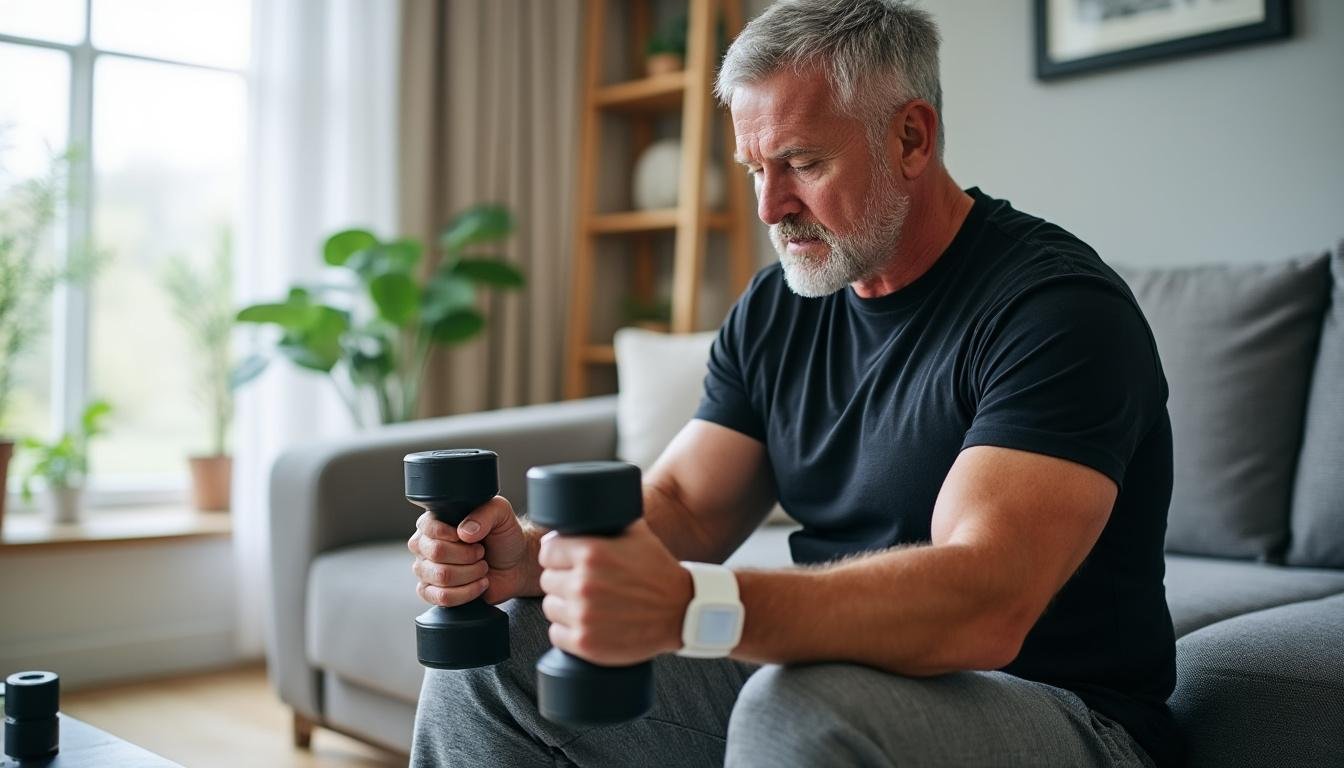
Healthcare providers often advise moderate, low-impact exercises that strengthen the heart without imposing undue stress. Walking, cycling, and swimming are excellent choices. Tools like Fitbit and Withings smartwatches allow for continuous monitoring of heart rate and exertion levels to ensure safety during workouts. Using these devices can help detect arrhythmias early and avoid overexertion.
Structured exercise regimens should incorporate the following elements:
- Warm-up and cool-down phases: Gradual preparation and recovery reduce the risk of sudden cardiac events.
- Heart rate monitoring: Staying within prescribed heart rate zones can prevent adverse symptoms.
- Regular interval training: Short bouts with rest periods can improve endurance safely.
- Avoidance of competitive and high-intensity sports: These activities may lead to dangerous increases in heart workload.
Understanding your body’s signals and consulting your cardiologist before beginning any new exercise program is essential. A personalized plan helps accommodate age, symptom severity, and comorbidities. Many patients benefit from professional guidance offered by specialized centers such as those described in NYU Langone’s recommendations.
In addition to heart health, regular physical activity supports mental well-being, improving sleep quality and reducing anxiety. Platforms like Peloton provide home workout solutions that can be adjusted in intensity, offering a controlled environment for those managing HCM.
| Exercise Type | Intensity | Benefits | Precautions |
|---|---|---|---|
| Walking | Low to moderate | Improves circulation, enhances stamina | Monitor heart rate, avoid overexertion |
| Cycling (stationary) | Moderate | Supports cardiovascular fitness without joint strain | Maintain controlled intensity, avoid competitive racing |
| Swimming | Low to moderate | Full-body workout, supports muscle tone | Avoid breath-holding; listen to body signals |
| Yoga and stretching | Low | Enhances flexibility, reduces stress | Avoid poses that strain the chest or require breath retention |
Integrating fitness tracking apps like Under Armour’s MapMyRun or Nike Training Club can motivate consistent activity with custom plans and progress feedback. These tools, combined with medical oversight, allow patients to safely reap the benefits of an active lifestyle.


Heart-Healthy Eating Patterns to Manage Hypertrophic Cardiomyopathy
Nutrition plays a pivotal role in mitigating the risks posed by hypertrophic cardiomyopathy. A balanced diet promotes optimal heart function, reduces inflammation, and helps maintain a healthy weight, which can alleviate stress on the heart muscle.
Leading heart health experts advise focusing on whole foods rich in nutrients, antioxidants, and fiber while limiting processed foods, sodium, and unhealthy fats. Meal planning applications like MyFitnessPal and Lifesum offer customizable plans tailored to heart health goals and calorie needs.
Essential components of a heart-healthy diet include:
- Fruits and vegetables: Aim for at least five servings daily to provide vitamins and antioxidants that protect the heart muscle.
- Whole grains: Brown rice, quinoa, and oats improve cholesterol profiles and energy levels.
- Lean proteins: Opt for poultry, fish rich in omega-3 fatty acids, and plant-based proteins like legumes and nuts.
- Low sodium intake: Excessive salt can elevate blood pressure, challenging heart function.
- Healthy fats: Incorporate sources like olive oil and avocados while minimizing saturated and trans fats.
Adhering to these guidelines aligns with findings shared by the Verywell Health nutrition review for HCM. Maintaining a stable weight through proper diet can reduce symptoms such as shortness of breath and fatigue.
Some patients discover benefits by adopting anti-inflammatory foods as highlighted in lifestyle discussions on LiveWell Magazine. These foods include berries, turmeric, fatty fish, and leafy greens.
| Food Group | Recommended Choices | Benefits | Foods to Limit |
|---|---|---|---|
| Vegetables & Fruits | Spinach, berries, carrots, apples | Rich in antioxidants, vitamins, and fiber | Canned or processed fruits high in sugar |
| Whole Grains | Quinoa, oatmeal, whole wheat bread | Supports energy, heart health, and digestion | Refined grains like white bread and pasta |
| Proteins | Salmon, chicken breast, lentils, nuts | Supports muscle repair and reduces inflammation | Fatty cuts of red meat, processed meats |
| Fats | Olive oil, avocado, flaxseeds | Cardioprotective, anti-inflammatory | Butter, margarine, fried foods |
| Sodium | Under 1500 mg per day | Controls blood pressure and fluid retention | Salt-heavy snacks, canned soups |
Using smart kitchen devices integrated with apps like Noom can assist in tracking consumption and meal timing, reinforcing consistent adherence to a heart-friendly diet. Maintaining hydration and avoiding excessive caffeine and alcohol is also recommended for stability.


Effective Stress Management Techniques to Support Cardiac Wellness
The mind-heart connection has gained significant recognition, notably in hypertrophic cardiomyopathy management. Chronic stress and anxiety may exacerbate symptoms and even precipitate harmful cardiac events. Therefore, adopting stress reduction strategies is imperative alongside physical care.
Mindfulness-based tools like Calm and Headspace have revolutionized access to guided meditations and breathing exercises that effectively lower stress levels. Numerous clinical studies show that regular meditation improves heart rate variability and reduces blood pressure, key metrics for patients living with HCM.
Here are essential stress management approaches supported by cardiology experts such as those referenced by the American College of Cardiology’s CardioSmart program:
- Daily meditation or deep breathing: Helps calm the nervous system and improve resilience.
- Physical activity: Moderate exercise releases endorphins, improving mood.
- Social support: Maintaining connections with family, friends, or support groups like 4HCM reduces isolation.
- Professional counseling: Seeking therapy can address anxiety or depression often associated with chronic illness.
Combining these techniques with technology enhances effectiveness. For instance, apps like Calm provide reminders and personalized content, while wearable devices track physiological responses during meditation sessions.
| Stress Reduction Method | Example | Benefits | Supportive Tools |
|---|---|---|---|
| Guided Meditation | 10-minute breathing exercise | Reduces heart rate, lowers anxiety | Calm, Headspace apps |
| Physical Movement | Aerobic walk | Boosts mood, releases endorphins | Peloton and Fitbit trackers |
| Social Connection | Support group participation | Improves emotional wellbeing | 4HCM community forums |
| Cognitive Therapy | Counseling sessions | Manages chronic stress, depression | Online therapy platforms |
Incorporating scheduled relaxation breaks throughout your day as suggested on LiveWell Magazine helps cultivate mindfulness. Over time, these positive coping strategies build resilience and may reduce reliance on medications for anxiety.
Harnessing Technology to Monitor and Manage HCM Safely
Technology plays an increasingly vital role in modern lifestyle management of hypertrophic cardiomyopathy. Sophisticated gadgets and apps enable continuous health monitoring, data-driven decisions, and enhanced self-care adherence.
Wearable devices such as Fitbit and Withings smartwatches capture heart rate, activity levels, sleep patterns, and even irregular heart rhythms. Their user-friendly interfaces encourage active participation in health management. Integration with smartphone apps like MyFitnessPal and Longitudinal tracking aids in connecting lifestyle habits with physiological responses.
Advantages of technology integration include:
- Real-time alerts: Early warning for arrhythmias or elevated heart rate.
- Comprehensive health dashboards: Visual insights into activity, diet, and sleep quality.
- Remote communication: Facilitates sharing data with healthcare providers for timely interventions.
- Goal setting and motivation: Apps like Nike Training Club and Under Armour’s MapMyRun offer tailored plans.
Patients who use devices consistently often experience improved symptom management and empowerment, as documented in numerous case reports and articles such as Mayo Clinic’s lifestyle steps overview.
| Technology | Primary Function | Benefits for HCM | Example |
|---|---|---|---|
| Fitbit | Activity and heart monitoring | Tracks heart rate zones, detects arrhythmias | Fitbit Charge 5 |
| Lifesum | Diet and nutrition tracking | Helps maintain heart-healthy eating habits | Lifesum App |
| Withings | Sleep and vitals monitoring | Analyzes sleep quality affecting heart recovery | Withings ScanWatch |
| Calm | Meditation and stress management | Reduces anxiety, lowers blood pressure | Calm App |
Pairing wearables with clinician feedback loops ensures that lifestyle adjustments remain safe and effective. Innovation continues in this space, providing hope for more personalized and predictive management tools in the near future.
Creating a Sustainable Lifestyle: Habits for Long-Term Wellness with HCM
Long-term wellness with hypertrophic cardiomyopathy depends heavily on sustainable lifestyle habits that holistically support heart health and daily functioning. Integrative approaches blending diet, exercise, mental health, and technology scaffold a resilient lifestyle.
Drawing from the latest recommendations by experts and patient networks like Healthline’s resources for HCM, here are sustainable habits to cultivate:
- Consistent physical activity: Daily moderate movements tailored by your cardiologist’s guidelines.
- Balanced nutrition: Regular meals adhering to heart-healthy principles with occasional indulgences planned thoughtfully.
- Stress resiliency: Scheduled mindfulness breaks supported by apps like Headspace.
- Regular medical checkups: Proactive management and medication adherence.
- Social engagement: Participation in support networks and recreational groups.
Integrating these habits can be facilitated by fitness apparel and accessories from brands such as Under Armour and Nike, which inspire confidence and comfort during physical activities. Moreover, staying motivated through community challenges on platforms like Peloton creates accountability.
| Habit | Implementation Strategies | Benefits | Supporting Tools |
|---|---|---|---|
| Physical Activity | Set daily step goals, use wearables | Improves cardiac function, stamina | Fitbit, Nike Training Club |
| Nutrition | Meal prep, count sodium intake | Supports weight management and heart health | MyFitnessPal, Lifesum, Noom |
| Stress Management | Daily meditation, deep breathing | Enhances mood and lowers cardiac risk | Calm, Headspace |
| Medical Adherence | Track medications, schedule appointments | Prevents complications and advances care | Healthcare portals, reminder apps |
| Social Connectedness | Join support groups, engage socially | Reduces loneliness, improves mental health | 4HCM, community apps |
Successful lifestyle modifications also depend on informed attitudes and patience. Many individuals find motivation by learning from others’ journeys and leveraging resources available through respected organizations such as the Sharecare platform for heart health.

Frequently Asked Questions about Lifestyle Changes for HCM
- Q: What types of exercise are safest for HCM patients?
A: Low to moderate intensity exercises such as walking, stationary cycling, swimming, and yoga are generally safest, avoiding high-intensity or competitive sports. - Q: How important is diet in managing hypertrophic cardiomyopathy?
A: Diet is fundamental as it helps control weight, blood pressure, and inflammation, all of which influence heart function. A heart-healthy diet rich in whole foods is recommended. - Q: Can stress directly affect heart health in HCM?
A: Yes, chronic stress can increase heart rate and blood pressure, potentially worsening symptoms. Stress management tools like meditation apps are highly beneficial. - Q: How does technology assist in managing HCM?
A: Wearables and mobile apps enable real-time monitoring, goal tracking, and data sharing with healthcare providers, supporting safer lifestyle practices. - Q: Are lifestyle changes alone sufficient to manage HCM?
A: Lifestyle modifications are a critical complement to medical treatments but should always be coordinated with your cardiologist for optimal care.