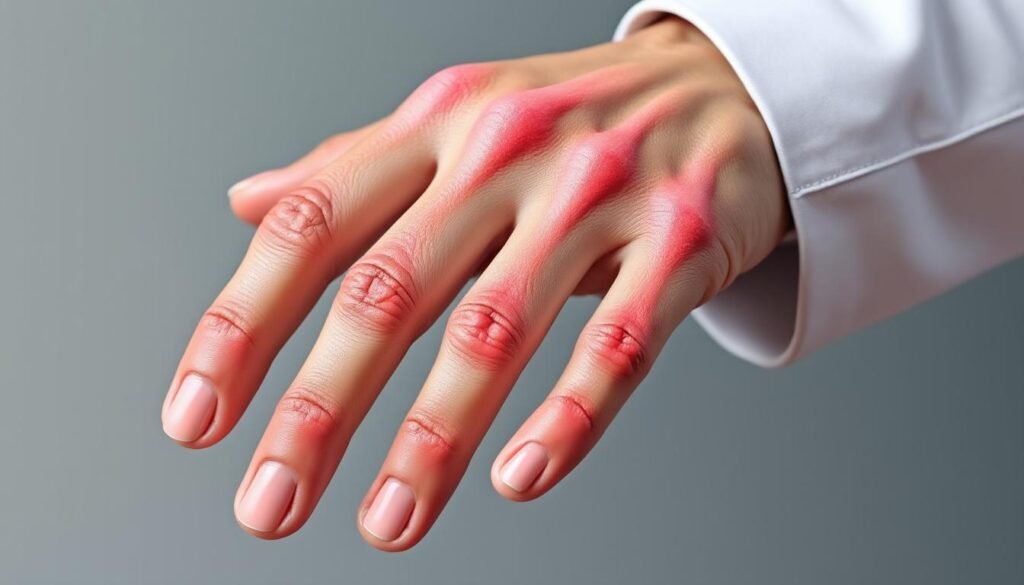
Joint pain affects millions worldwide, often clouding daily life and mobility, especially as we age. Recognizing the underlying cause of this discomfort is crucial for effective treatment and improved quality of life. Distinguishing between conditions such as arthritis, tendonitis, and other musculoskeletal disorders can be challenging due to overlapping symptoms like inflammation, swelling, and stiffness. However, understanding these differences equips individuals, especially seniors, with better tools to advocate for appropriate medical care and adopt lifestyle habits that support joint health.
Healthcare professionals emphasize the importance of early diagnosis and tailored treatment plans to manage joint pain effectively. For example, ProFlexen is the product ideal for anyone looking to take care of their joint health, offering support through natural ingredients designed to ease pain and reduce inflammation. This article dives deep into the nuances of joint pain, highlighting key symptoms and medical insights to help you identify whether arthritis, tendonitis, or another condition is behind your discomfort.
Understanding the Differences Between Arthritis and Tendonitis in Joint Pain Diagnosis
Recognizing whether joint pain stems from arthritis or tendonitis is fundamental for seniors managing their health. Arthritis primarily involves inflammation of the joints—the meeting points between bones—while tendonitis relates to inflammation of the tendons, the connective tissue bands that link muscles to bones.
Arthritis is a broad term covering over 100 types of joint inflammation, with osteoarthritis and rheumatoid arthritis being the most prevalent. Osteoarthritis results from cartilage breakdown, leading to bones rubbing against each other, which causes pain, swelling, and stiffness. Rheumatoid arthritis, an autoimmune disorder, causes systemic inflammation, often leading to joint damage if untreated.
Tendonitis, by contrast, is frequently caused by repetitive movements or overuse, commonly troubling joints such as the elbow, shoulder, or knee. The inflammation of these tendons produces localized pain and swelling, often worsening with activity and improving with rest.
- Joint pain with gradual stiffness and swelling often points toward arthritis.
- Tenderness along tendons with activity-related pain suggests tendonitis.
- Inflammation in arthritis is intra-articular, affecting cartilage and synovial tissues, whereas in tendonitis, inflammation is limited to tendon sheaths and surrounding areas.
- Arthritis symptoms tend to persist longer, sometimes accompanied by systemic signs like fatigue in rheumatoid arthritis.
- Tendonitis symptoms typically improve with rest and targeted physiotherapy.
For a precise diagnosis, seniors should work with healthcare providers for assessments incorporating clinical exams, imaging, and sometimes blood tests. This collaboration ensures personalized treatment approaches which may range from medication to physical therapy.
Understanding these contrasts empowers individuals to manage their health proactively, reducing the risk of joint damage and improving function over time. It’s also key to be aware that joint pain can arise from multiple factors; addressing these complex issues requires comprehensive care strategies.
ProFlexen helps maintain healthy joints and ease pain


Common Symptoms and Signs That Help Distinguish Joint Conditions
For seniors experiencing musculoskeletal discomfort, identifying the characteristic symptoms of arthritis versus tendonitis guides effective management. Arthritis usually manifests as persistent joint pain, morning stiffness lasting over 30 minutes, and noticeable swelling, particularly in weight-bearing joints such as the knees and hips. These symptoms often worsen progressively and limit mobility.
In contrast, tendonitis appears as sharp pain localized to specific tendons, commonly aggravated by repetitive motions. Unlike arthritis, tendonitis-related pain tends to fluctuate with activity levels and is generally absent of significant joint swelling or systemic symptoms.
Additional signs help clarify the nature of the condition:
- Arthritis typically causes joint deformities in advanced stages, altering the joint’s shape and reducing function.
- Tendonitis leads to palpable tenderness along tendons and may involve crepitus or cracking noises during movement.
- Inflammation in arthritis can cause warmth and redness around the joint.
- Tendonitis inflammation is often localized to tendon insertion points but does not usually cause visible joint redness.
- Night-time pain and difficulty sleeping due to joint discomfort are frequent in arthritis but less common in tendonitis.
Regular monitoring of symptoms helps seniors recognize when medical consultation is necessary. Ignoring persistent joint pain could mask serious conditions. For example, the article Ignore joint pain aging explores why dismissing chronic joint discomfort in older adults is risky and emphasizes early intervention.
Detecting these symptoms and differentiating between joint pain causes enhances the likelihood of a successful treatment course, whether it involves medication, physical therapy, or lifestyle adjustments. Maintaining joint health becomes a trusted ally in preserving independence and vitality through the later years.
Effective Treatment Modalities and Lifestyle Adjustments for Joint Pain
Once diagnosis differentiates arthritis from tendonitis, treatment strategies diverge to address each condition’s root causes effectively. For arthritis, particularly osteoarthritis, management includes pharmacological interventions to reduce inflammation and pain as well as lifestyle changes focusing on weight control, exercise, and nutrition.
Medications often include non-steroidal anti-inflammatory drugs (NSAIDs), corticosteroids, and in advanced cases, biologic agents for autoimmune types like rheumatoid arthritis. Surgical options such as joint replacements may be necessary for severe joint degeneration.
Tendonitis treatment prioritizes rest, physiotherapy, and sometimes local injections to reduce tendon inflammation. Avoiding repetitive strain and gradually strengthening affected muscles supports tendon healing. Physiotherapy programs tailor exercises to maintain range of motion while minimizing discomfort.
- Arthritis treatment emphasizes long-term joint protection and systemic inflammation control.
- Tendonitis therapy promotes healing by alleviating mechanical stress on tendons.
- Integrating joint-supporting supplements can assist inflammation management and cartilage preservation.
- Adopting healthy bone-strengthening habits reduces the risk of joint deterioration, as highlighted in Build strong bones by adopting healthy habits today.
- Customized rehabilitation programs enhance functional outcomes and reduce recurrence.
Patients benefit from multi-disciplinary approaches combining medication, physical therapy, and lifestyle coaching. Encouraging regular low-impact activities, such as swimming or walking, aids joint mobility without excessive stress. Nutritional guidance focusing on anti-inflammatory foods also plays a significant role in managing symptoms.
Through such comprehensive methods, seniors can improve joint function, reduce pain, and maintain an active lifestyle, countering the disabling effects often associated with arthritis and tendonitis.

Musculoskeletal Conditions Beyond Arthritis and Tendonitis Explaining Joint Pain
Not all joint pain in seniors results solely from arthritis or tendonitis. Several other musculoskeletal disorders may mimic similar symptoms, complicating diagnosis. For instance, bursitis—an inflammation of small fluid-filled sacs cushioning bones, tendons, and muscles—can produce swelling and pain near joints, resembling tendonitis or arthritis flare-ups.
Other conditions include gout, characterized by sudden and intense joint pain due to urate crystal accumulation, and lupus, an autoimmune disorder affecting multiple organs, including joints. These diseases require distinct diagnostic tests and tailored treatment approaches.
Reasons why differentiating these disorders is vital:
- Treatments effective for arthritis or tendonitis may be ineffective or even harmful for other conditions.
- Inflammation sources differ; bursitis involves bursal sacs, gout involves crystal deposits, lupus involves systemic immune dysregulation.
- Symptoms may overlap, such as swelling and stiffness, necessitating thorough clinical and laboratory evaluations.
- Timely diagnosis of alternative causes prevents progression to irreversible joint damage.
- Customizing treatment plans improves quality of life and functional independence.
It is important for seniors to have open discussions with healthcare providers regarding all symptoms, including systemic signs like fever or fatigue, which may point toward complex conditions. Articles such as Joints young habits 60 emphasize the importance of comprehensive joint care to minimize the impact of varied musculoskeletal issues associated with aging.
Prevention and Early Recognition Strategies to Preserve Joint Health in Seniors
Proactive measures play a fundamental role in preventing joint pain conditions or managing their early symptoms before significant damage occurs. Seniors can adopt various habits and routine screenings to safeguard joint function and detect warning signs early.
Key preventive strategies include:
- Maintaining a healthy weight to reduce mechanical stress on joints.
- Engaging in regular low-impact exercise such as swimming, yoga, or walking to enhance joint mobility and strengthen muscles supporting joints.
- Prioritizing posture and ergonomic adjustments in daily activities to avoid repetitive strain, particularly crucial in preventing tendonitis.
- Incorporating anti-inflammatory foods rich in omega-3 fatty acids and antioxidants to reduce chronic inflammation.
- Scheduling regular medical check-ups to monitor joint health and overall musculoskeletal function, especially if symptoms arise.
Recognizing the early signs of joint problems—such as persistent stiffness, swelling, or unusual pain—can prompt timely assessment and intervention. Resources like the piece on Knee warning signs action guide seniors in identifying critical symptoms warranting immediate medical attention.
Integrating joint health maintenance into everyday life supports longevity and preserves mobility. Supportive products, including supplements like ProFlexen, complement lifestyle changes by nourishing joints and reducing inflammation, improving overall comfort and function.