


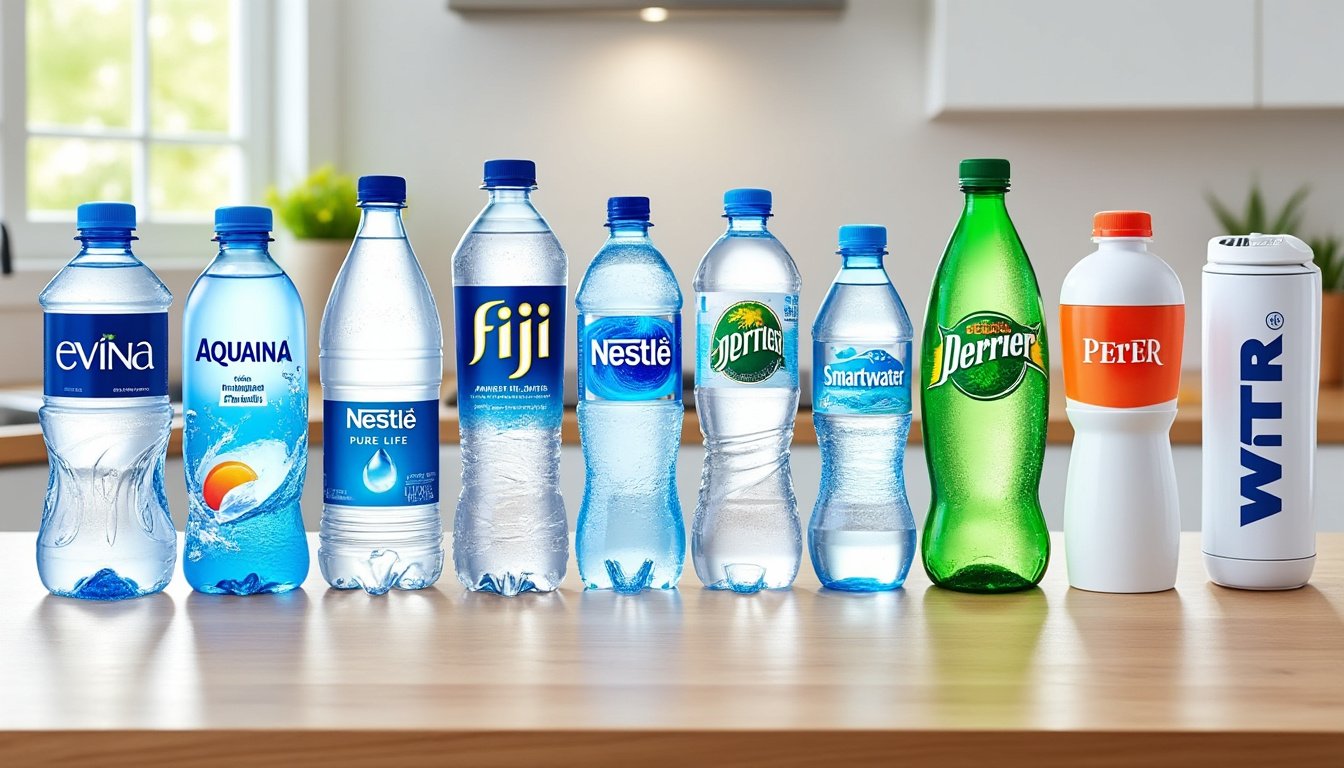
Water is fundamental to human health, yet the age-old advice to drink eight glasses a day fails to capture the complexity of hydration needs in 2025. Individual water requirements fluctuate widely due to factors such as age, weight, activity level, and climate. The body is composed of approximately 50% to 70% water, an indispensable element responsible for regulating temperature, lubricating joints, and eliminating waste. But how do you determine your optimal daily intake? Leading health organizations suggest men consume about 3.7 liters and women 2.7 liters of fluids daily, inclusive of beverages and moisture from food sources. Brands like Evian, Aquafina, and Nestlé Pure Life have focused on producing high-quality water to meet this essential need. As temperatures rise globally, understanding hydration’s nuances has become a public health priority, emphasizing that no “one-size-fits-all” formula exists—personalization and attentiveness to your body’s signals are key.
Understanding Your Body’s Fluid Needs: How Much Water Should You Drink Daily?
Hydration isn’t just about quenching thirst; it’s a continuous physiological demand. Every day, water loss occurs through breathing, perspiration, urination, and digestion. The U.S. National Academies prescribe an average intake of about 15.5 cups (3.7 liters) for men and 11.5 cups (2.7 liters) for women, covering all fluids consumed including drinks and water-rich foods. Here’s what you need to consider for tailoring your hydration:
- Activity level: Increased sweating during exercise necessitates additional fluids. Drinking before, during, and after physical activity is crucial.
- Environmental conditions: Hot, humid climates or high altitudes increase water loss.
- Health status: Illnesses like fever, vomiting, or urinary tract infections can heighten hydration needs.
- Life stages: Pregnancy and breastfeeding demand a boost in fluid intake.
For practical hydration solutions, explore waters like Fiji Water, Smartwater, and Dasani, which offer clean, refreshing options tailored for diverse lifestyles. Detailed guidance is available in resources such as Mayo Clinic’s hydration overview and Harvard Health’s expert advice.

The Hydration Myth: Is Eight Glasses a Day Really Enough?
The popular mantra of “eight glasses a day” is memorable but oversimplified. While a reasonable starting point, your ideal consumption varies. Some individuals may require less, others considerably more. Consider these variables:
- Exercise intensity: A marathon runner’s hydration strategy differs drastically from a sedentary individual.
- Weather extremes: Heatwaves and humidity considerably increase fluid requirements.
- Underlying medical conditions: Certain medications and illnesses alter fluid balance.
Water is important, but so are other liquids and foods; for example, fluids from fruits and vegetables aid significantly in hydration. Beverages like Perrier and VOSS add variety without added sugars, while sugary drinks should be consumed sparingly. For an in-depth exploration, consult BBC’s hydration facts or WebMD’s guidelines.
Alternative Sources for Staying Hydrated: More Than Just Plain Water
While water should remain your primary beverage, many alternatives contribute meaningfully to hydration:
- High-water-content fruits and vegetables: Watermelon, oranges, cucumbers, and celery provide natural hydration.
- Flavored waters and sparkling options: Choose naturally infused options without added sugars.
- Electrolyte-rich drinks: Sports beverages like Gatorade can support hydration post-exercise but should be consumed in moderation.
- Natural waters: Coconut water offers potassium benefits contributing to electrolyte balance.
Leading brands such as Brita offer water filtration systems that encourage consistent fluid intake by improving taste and convenience. For more about diverse fluid choices and their benefits, visit Livewell Magazine’s guide.
How to Monitor Your Hydration Status Effectively
Tuning into your body’s signals is paramount. Signs that you are adequately hydrated include:
- Lack of thirst: Feeling thirsty is an early indicator of mild dehydration.
- Urine color: Clear or light yellow urine suggests sufficient hydration.
- Consistent urination: Urinating every 2 to 4 hours indicates good fluid balance.
- Alertness and physical well-being: Fatigue, headaches, or dizziness can be warning signs of dehydration.
- Skin and lip condition: Moist and elastic skin and hydrated lips reflect proper fluid status.
Consult your healthcare provider or a dietitian to personalize your fluid goals, especially if underlying health issues exist. Resources like Cleveland Clinic’s insights can be invaluable in this process.