



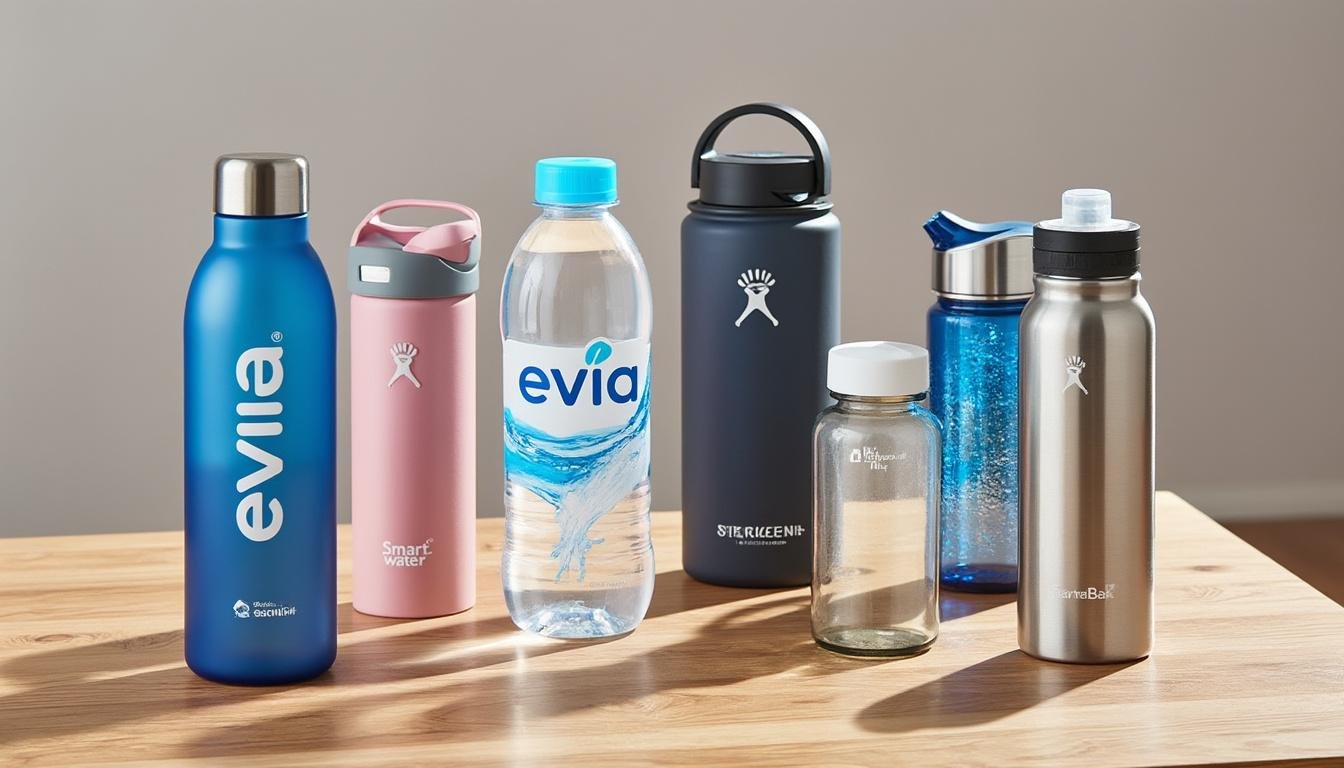
Water composes roughly 60% of the human body, underscoring its critical role in maintaining health and vitality. Intriguingly, a 160-pound adult harbors approximately 12 gallons of water distributed throughout their cells, tissues, and organs. Yet, despite this vital necessity, the majority of Americans—about 75%—are chronically underhydrated, failing to meet water intake benchmarks appropriate for their age and lifestyle. Understanding exactly how much water you need daily is not merely a matter of following the common “8 glasses a day” dictum; it requires a nuanced approach that considers age, weight, activity level, and environmental conditions. Tailored hydration strategies, fortified by products such as Evian, Smartwater, or Hydro Flask, ensure that each individual maintains optimal body function, cognitive clarity, and energy. This comprehensive overview explores age-specific water requirements, highlights the dangers of dehydration across life stages, and offers practical advice to transform hydration from a mundane task into a proactive health investment.
Age-Specific Water Intake Guidelines: Know Your Needs
Hydration needs vary significantly from infancy through senior years, reflecting physiological changes and activity patterns. Utilizing authoritative resources like the Mayo Clinic and Harvard Health, alongside practical tools such as the Daily Water Intake Calculator, provides personalized hydration targets. Below are essential water intake benchmarks tailored to different age groups:
- Infants (0-6 months): No additional water. Breast milk or formula, which is 87% water, suffices exclusively.
- Infants (6-12 months): Introduction of 4-8 ounces of water daily alongside solids and milk.
- Toddlers (1-3 years): Approximately 1.3 liters (44 ounces) of fluids daily with a focus on water and milk.
- Children (4-8 years): About 1.6 liters (54 ounces) daily, including 5 cups of water plus milk.
- Preteens and Teens (9-18 years): Hydration needs rise sharply: 2.1 liters (71 ounces) for preteens, 2.3 liters (78 ounces) for girls, and up to 3.3 liters (112 ounces) for boys, especially with active lifestyles.
- Adults: Women require around 2.7 liters (91 ounces), and men about 3.7 liters (125 ounces) of total fluids daily, encompassing water and other beverages.
- Pregnant and Breastfeeding Women: Increased needs—about 8-12 cups for pregnancy and up to 16 cups during breastfeeding.
- Seniors (65+ years): Maintain similar fluid intake as adults but monitor due to decreased thirst sensation and potential medication effects.
These guidelines integrate insights from reputable medical sources like Mayo Clinic and Harvard Health. Using hydration-enhancing products such as Brita filters, S’well bottles, or insulated CamelBak containers can aid in consistently meeting these requirements, particularly in demanding climates or during intense physical activity.

Recognizing the Vital Role of Water Throughout the Aging Process
Water facilitates critical physiological operations—regulating temperature, removing wastes, cushioning joints, and nourishing cells. Even mild dehydration can adversely impact mood, cognition, and energy levels. For children, a mere 1-2% dehydration impairs school performance, while adults might experience fatigue or cognitive sluggishness. Seniors face additional challenges: diminished thirst response, mobility limitations, and medication interactions all elevate the risk of dehydration, which can exacerbate cognitive decline and increase fall risk.
- Maintain scheduled hydration: Especially important for older adults who may not sense thirst.
- Accessible fluids: Keep water within easy reach using user-friendly containers like Hydro Flask or Brita pitchers.
- Variety: Include water-rich foods and herbal teas to enhance intake.
- Monitor urine characteristics: Aim for pale-yellow urine, a sign of adequate hydration.
By fostering these habits, seniors and their caregivers can significantly mitigate dehydration risks. This is crucial as studies have found that chronic dehydration is alarmingly common in the elderly population, affecting quality of life and increasing hospitalization rates.
Transforming Everyday Hydration into a Healthy Habit
Creating effective hydration routines is essential for sustaining health across all age groups. Small lifestyle adjustments—such as starting the day with a glass of water, utilizing smart bottles like S’well or Brita for convenient access, and incorporating water-rich fruits like watermelon and cucumber—can make a significant difference.
- Use hydration reminders: Apps or alarms to prompt drinking consistently throughout the day.
- Choose high-quality bottled water for on-the-go: Options like Fiji Water or Nestle Pure Life combine convenience and premium taste.
- Moderate caffeine and alcohol: Both act as diuretics and can exacerbate dehydration.
- Avoid sugary beverages: These can undermine hydration despite fluid intake.
For athletes and those exercising intensely, adhering to guidelines from the American Council on Exercise by consuming water before, during, and after workouts is pivotal. Sports drinks with electrolytes should be reserved for workouts exceeding 60-90 minutes. For shorter sessions, plain water and trusted brands like Aquafina or Dasani suffice in replenishing fluids without excess sugar.