


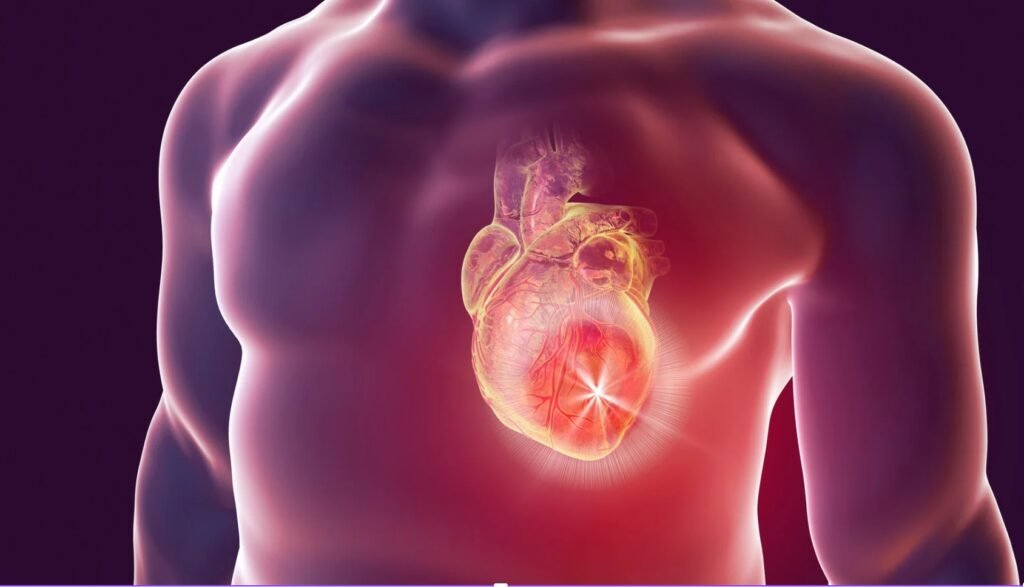
Optimizing Heart Health Through Nutritious Food Choices
Heart health is fundamentally tied to the foods we consume every day. The art and science of healthy eating involve understanding how nutrient-dense foods positively influence cardiovascular health. Dietitian tips consistently emphasize the intake of whole, minimally processed foods rich in fiber, antioxidants, and healthy fats. These components work synergistically to reduce inflammation, manage cholesterol levels, and maintain optimal blood pressure.
Among the most potent foods for heart health are leafy green vegetables, which are packed with vitamins, minerals, and nitrates that help lower blood pressure. Berries, such as blueberries and strawberries, offer flavonoids that improve vascular function. Furthermore, nuts like almonds and walnuts provide essential omega-3 fatty acids, promoting cholesterol management.
Healthy eating isn’t just about adding good foods; it’s also about minimizing harmful ones. Saturated fats from red meats and trans fats found in processed snacks contribute to arterial plaque buildup. Refined sugars and excessive sodium intake can further elevate heart disease risk. Adopting a balanced diet that reduces these elements is a cornerstone of preventing cardiovascular issues.
Plant-based diets have gained significant attention for their heart-protective properties. Vegetarians and vegans tend to have lower rates of hypertension and heart disease, partly due to their higher intake of fruits, vegetables, whole grains, and legumes. Even those who do not fully embrace a plant-based approach can reap benefits by incorporating more plant-derived meals each week.
Incorporating Heart-Healthy Recipes into Daily Life
Practical dietitian tips suggest simple swaps in everyday meal preparation. For example, using avocado or olive oil as a healthy fat source instead of butter can substantially improve lipid profiles. Incorporating more fish, especially fatty types like salmon and mackerel, twice a week supplies vital omega-3s.
An example of a heart-healthy recipe is a quinoa salad with mixed greens, cherry tomatoes, walnuts, and a lemon-olive oil dressing. Quinoa offers a complete protein source rich in fiber, while the nuts provide heart-friendly fats. These meals don’t require complicated ingredients or preparation, making heart-conscious eating accessible for almost everyone.
It’s important to remember the power of portion control. Even nutrient-rich foods can contribute to weight gain if eaten in excess, which may negatively impact cardiovascular health. By mindful eating and combining nutrient-rich foods in balanced portions, individuals can better control cholesterol levels and maintain a healthy weight.
For ongoing support and inspiration, exploring resources such as the Harvard Health’s guide on eating for heart health offers evidence-based strategies and recipes to help cement long-term healthy eating habits.
Establishing Effective Exercise Habits for Cardiovascular Wellness
Exercise habits rank among the most impactful lifestyle choices for promoting heart health. Regular physical activity strengthens the heart muscle, enhances circulation, and reduces the risk factors that contribute to cardiovascular disease. According to expert cardiologists, a combination of aerobic exercise, strength training, and flexibility workouts yields the best results for long-term cardiovascular health.
Engaging in at least 150 minutes of moderate-intensity aerobic exercise per week, such as brisk walking or cycling, can lower LDL cholesterol, boost HDL cholesterol, and decrease blood pressure. For example, Mary, a 52-year-old office worker, began daily 30-minute walks and incorporated light resistance training twice a week. Within months, her cholesterol levels improved, and she reported increased energy and mood stabilization.
Strength training should not be overlooked, as muscle mass helps regulate blood sugar and maintains metabolic health. Exercises using body weight, resistance bands, or weights target this need. Additionally, yoga and tai chi contribute to flexibility, balance, and stress reduction — crucial factors for cardiovascular health.
Experts recommend building exercise habits gradually to avoid injuries and promote consistency. Using wearable devices or activity trackers can motivate individuals by tracking progress and setting achievable goals. Group exercises or fitness classes also add a social element that fosters accountability, increasing adherence to cardiovascular-friendly routines.
To dive deeper into the myriad benefits of physical activity on heart health, resources like Verywell Health’s guide to daily heart-healthy habits provide comprehensive advice on integrating movement into daily life effectively.
Stress Reduction Techniques That Support Heart Health
Managing stress is a vital but sometimes overlooked component of maintaining cardiovascular health. Chronic stress triggers the release of hormones like cortisol and adrenaline, which can elevate blood pressure, promote inflammation, and contribute to plaque buildup in arteries. Over time, these physiological effects increase the risk of heart attack or stroke.
Heart-friendly habits such as mindfulness meditation, deep breathing exercises, and progressive muscle relaxation have proven benefits in lowering stress levels. For example, individuals practicing daily meditation for 10 to 15 minutes report improved emotional regulation and lowered blood pressure metrics.
Incorporating hobbies that elicit relaxation and joy, such as gardening, painting, or listening to music, further mitigates stress. Social support also plays a crucial role: sharing concerns with friends or engaging in community activities can provide resilience against chronic stressors.
Another effective strategy is optimizing sleep quality, as insufficient or poor sleep increases heart disease risk via mechanisms including obesity and hypertension. Establishing a consistent sleep schedule and creating a calm bedtime environment supports recovery and cardiac function.
Learning stress reduction skills aligns with other heart-healthy lifestyle changes, forming an integrated approach to cardiovascular wellness. The American Heart Association’s recommendations underscore reducing stress as a key factor in comprehensive heart maintenance, contributing to holistic well-being.
Cholesterol Management: Balancing Levels for Heart Protection
Cholesterol plays a complex role in cardiovascular health. While the body needs cholesterol for essential functions, elevated LDL (“bad”) cholesterol contributes to arterial plaque formation, increasing the risk of heart disease. Effective cholesterol management involves a combination of diet, exercise habits, and sometimes medication under professional guidance.
Dietitian tips focus on increasing soluble fiber intake from oats, beans, and fruits, which helps reduce LDL cholesterol by binding it in the digestive tract. Foods enriched with plant sterols and stanols also block cholesterol absorption. Moreover, replacing saturated fats with polyunsaturated and monounsaturated fats, such as those in olive oil and fatty fish, improves lipid profiles.
Regular aerobic exercise enhances HDL (“good”) cholesterol, which assists in removing excess cholesterol from arteries. Case studies demonstrate that patients integrating physical activity and heart-healthy diets see marked improvements in cholesterol numbers over time.
Routine cholesterol screening is essential to monitor progress. Individuals with genetic predispositions or existing cardiovascular conditions should consult healthcare providers for personalized management plans. In some cases, statins or other lipid-lowering medications complement lifestyle interventions for optimal results.
For practical applications and deeper understanding, the Mayo Clinic offers guidance on the heart-healthy diet steps to prevent heart disease, including cholesterol-focused nutrition advice tailored for everyday life.
Implementing a Balanced Diet and Lifestyle for Sustainable Cardiovascular Health
Adopting a balanced diet alongside supportive lifestyle habits creates a sustainable foundation for cardiovascular health. This holistic approach weaves together balanced nutrition, regular physical activity, stress management, and preventive care. Practical and evidence-based guidelines from dietitians, trainers, and cardiologists collectively encourage this synergy.
The cornerstone of a balanced diet involves moderation and variety. No single food guarantees heart health, but diverse nutrient-rich foods ensure all essential vitamins and minerals are consumed. The goal is to achieve consistent heart-healthy eating patterns long term rather than short-term restrictive diets.
Equally important are daily habits that complement nutrition. Prioritizing sleep, engaging in enjoyable physical activities, and minimizing exposure to tobacco and excessive alcohol maintain cardiovascular resilience. Simple practices, such as meal planning and mindful eating, encourage healthier choices and reduce impulsive consumption of processed foods high in sodium and added sugars.
People such as John, a 60-year-old retiree, found success by gradually adopting heart-friendly routines including cooking with olive oil, walking daily, and experimenting with stress reduction techniques. Over two years, his blood pressure normalized, and his general vitality improved markedly.
By integrating these principles, individuals embrace a proactive role in their heart’s health. Considering expert insights and credible resources like the American Heart Association’s advice on heart-healthy living provides actionable tools for making informed decisions about lifestyle changes.
- Increase daily servings of fruits and vegetables to at least five portions per day
- Choose whole grains over refined grains for enhanced fiber intake
- Incorporate lean proteins, such as legumes, poultry, and fish, into meals
- Limit sodium consumption to below 2,300 mg daily, adjusting further for hypertension
- Replace sugary beverages with water or unsweetened herbal teas
- Adopt regular physical activity tailored to personal capabilities and preferences
- Develop stress management practices and prioritize adequate restorative sleep
What are nutrient-rich foods beneficial for heart health?
Nutrient-rich foods include leafy greens, berries, nuts, whole grains, and fatty fish. These foods provide essential vitamins, minerals, antioxidants, and healthy fats that positively impact cholesterol, blood pressure, and overall cardiovascular health.
How can exercise habits improve cardiovascular health?
Regular aerobic exercise strengthens the heart muscle, improves circulation, manages cholesterol levels, and helps regulate blood pressure. Combining aerobic exercises with strength training and flexibility workouts offers comprehensive cardiovascular benefits.
Why is stress reduction important for heart health?
Chronic stress elevates hormones that increase blood pressure and promote arterial inflammation, raising the risk of heart disease. Stress reduction techniques like meditation, deep breathing, and engaging in hobbies help lower these risks and support heart health.
What role does cholesterol management play in preventing heart disease?
Managing cholesterol involves reducing LDL cholesterol through diet and exercise while increasing HDL cholesterol to remove harmful fats. Together with regular health screenings, these efforts help prevent plaque buildup in arteries and reduce heart disease risk.
How does a balanced diet contribute to sustainable cardiovascular health?
A balanced diet combining various nutrient-rich foods with controlled intake of unhealthy fats, sodium, and sugars ensures long-term heart health. Pairing nutrition with healthy lifestyle habits maximizes cardiovascular protection and supports overall well-being.