



Heart Disease in South Carolina: A Sobering Reality of 2023
In 2023, heart disease remained the leading cause of death in South Carolina, claiming the lives of over 12,000 residents. This persistent health crisis illustrates the critical need for increased heart health awareness and prevention efforts throughout the state. According to the South Carolina Department of Health and Environmental Control (DHEC) and its Diabetes and Heart Disease Management division, the devastating impact of cardiovascular disease (CVD) extends beyond the statistics to affect families and communities deeply.
Heart disease encompasses a range of cardiovascular conditions, including coronary artery disease, heart attacks, and congestive heart failure. These illnesses collectively stand as the foremost threat to life expectancy in the region. In fact, the 12,274 deaths reported in South Carolina during 2023 reflect not just individual tragedies but a systemic challenge in public health management.
Krisitian Myers, a leading voice from DPH, emphasizes the value of understanding risk factors to empower residents in mitigating their chances of developing heart disease. Risk factors such as high blood pressure, elevated cholesterol, obesity, and sedentary lifestyle habits are prevalent in South Carolina’s population, contributing to the high mortality figures. These statistics align with national trends where heart disease continues to cause more fatalities annually than cancer and accidents combined.
South Carolina’s health care system bears a tremendous burden due to heart disease, with hospitalization charges exceeding $5.9 billion in 2023 alone. The economic impact underscores the urgency for actionable preventive measures to reduce both human and financial costs linked to cardiovascular illnesses. This reality reinforces why statewide campaigns by the Department of Health and Social Services (DHS) emphasize lifesaving habits that can drastically improve heart health outcomes.
For a deeper insight into the state’s public health strategies and statistical data, the South Carolina State Health Assessment Companion Report provides comprehensive coverage of heart disease trends and interventions actively pursued in 2024 and beyond.

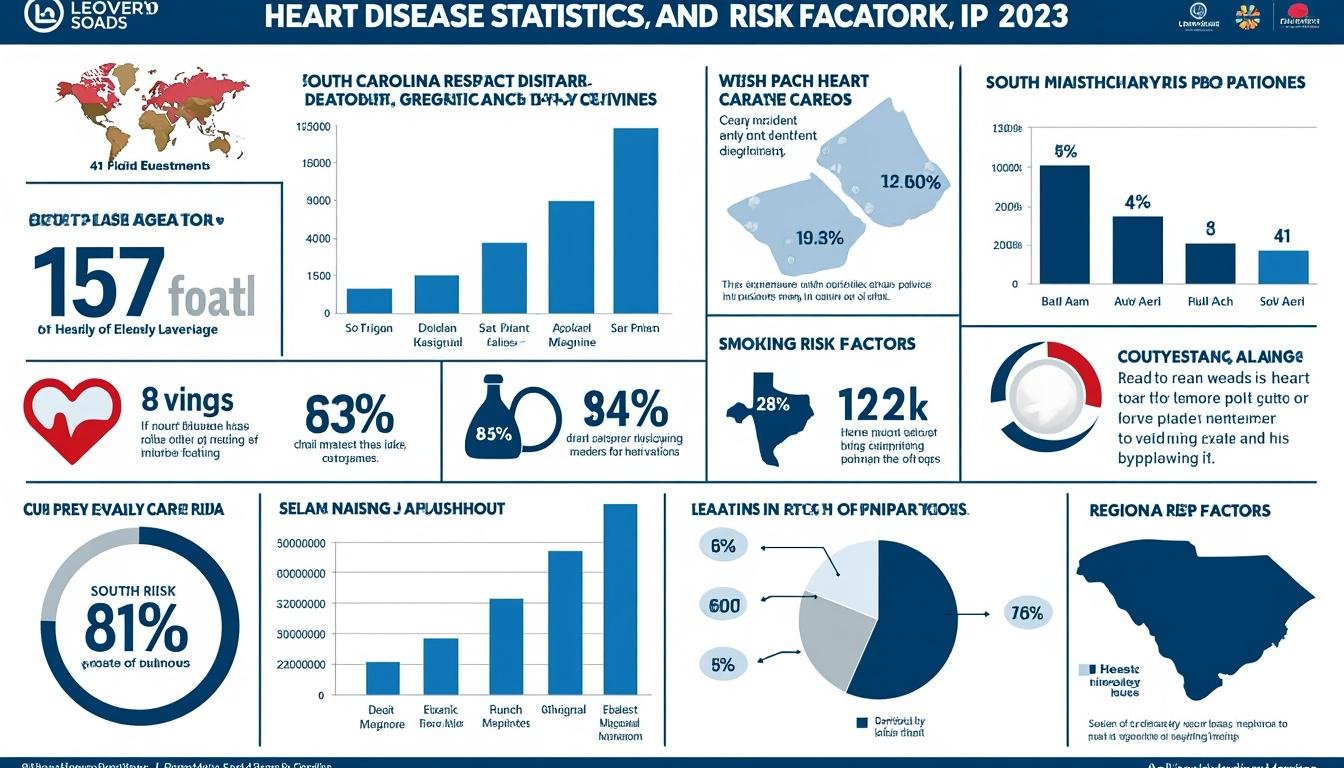
The Critical Role of Lifesaving Heart-Healthy Habits Advocated by DHS
Adopting heart-healthy habits is at the core of reducing cardiovascular death rates in South Carolina. The Department of Health and Social Services (DHS) advocates strongly for preventive lifestyle changes aimed at enhancing overall heart health and curbing the high death toll from heart disease. These recommendations include quitting smoking, limiting alcohol intake, managing weight through nutritious diets, and increasing physical activity.
Importantly, DHS underscores that even small changes can yield significant benefits. For instance, replacing processed foods high in saturated fats with fresh fruits, vegetables, and whole grains can reduce cholesterol and blood pressure, two major contributors to heart disease. Regular exercise, such as walking for 30 minutes a day, not only improves cardiovascular function but also supports weight management and lowers the risk of developing diabetes.
Moreover, the department highlights the necessity of regular health screenings to monitor blood pressure, cholesterol, and glucose levels. Early detection can prompt timely interventions that alter the disease trajectory, potentially preventing hospitalizations and premature death.
Women and African American populations in South Carolina receive particular attention due to higher susceptibility. Up to 75% of women aged 20 to 39 possess at least one modifiable risk factor, necessitating targeted outreach such as National Wear Red Day, which raises awareness around heart disease and stroke risks unique to women, including those associated with pregnancy and menopause.
Meanwhile, African Americans face disproportionately higher risks of ischemic heart disease and stroke fatalities. In 2023, African American South Carolinians accounted for 16,797 heart-related hospital admissions, costing over $1.3 billion. Addressing these disparities through culturally competent education and accessible health resources remains a priority to ensure equitable health outcomes for all residents.
For those interested in practical guidance on fostering heart-healthy lifestyles, resources such as the Mayo Clinic’s tailored advice on essential heart habits can provide a foundational roadmap to effective prevention: Mayo Clinic Essential Heart-Healthy Habits.
Understanding Cardiovascular Risk Factors: The First Step Toward Prevention
Comprehending the complex web of cardiovascular risk factors is essential for effective prevention and management of heart disease. These factors, ranging from behavioral habits to genetics, collectively dictate an individual’s likelihood of developing heart-related conditions.
The Most Influential Risk Factors in South Carolina
- High Blood Pressure (Hypertension): A silent but powerful contributor to heart disease, often undiagnosed until complications arise.
- High Cholesterol: Excessive levels of LDL cholesterol clog arteries, leading to reduced blood flow and heart attacks.
- Obesity and Physical Inactivity: Sedentary lifestyles increase heart disease risk by promoting hypertension and poor glucose control.
- Unhealthy Diet: Diets high in saturated fats, trans fats, and sodium contribute to obesity and cardiovascular stress.
- Diabetes: Elevated blood glucose damages blood vessels and nerves crucial to heart function.
- Smoking and Alcohol Consumption: Both habits accelerate arterial damage and raise blood pressure.
- Family History and Genetic Predisposition: An important non-modifiable factor that underscores the need for early screening and preventive care.
In South Carolina, many adults live with one or more of these conditions. According to recent data, cardiovascular diseases including ischemic heart disease and stroke rank among the top causes of death statewide. This convergence of multiple risk factors emphasizes the compound effect they impose on population health.
Addressing behavioral components offers the most accessible avenue for heart disease prevention, but it requires community engagement, education, and support. The Take Health to Heart initiative provides tailored strategies to empower South Carolinians facing high risks through lifestyle modifications and healthcare access improvements.
Ultimately, early intervention and continuous management of these contributors are paramount. Health professionals recommend a comprehensive approach that includes individualized dietary planning, exercise regimens, and medication adherence where necessary to mitigate disease progression.

Addressing Disparities in Heart Disease Outcomes Among South Carolina Populations
Amid the overarching heart health crisis in South Carolina, significant disparities exist in outcomes based on race, gender, and socioeconomic status. These differences highlight the need for adaptive health policies and programs to close gaps in cardiovascular care.
African American communities bear a disproportionate burden of heart disease and stroke deaths in the state. Recent statistics reveal that African Americans are 46% more likely to die from a stroke than White counterparts. Moreover, hospitalizations among African American South Carolinians due to heart disease reached nearly 17,000 in 2023, with associated healthcare costs exceeding $1.3 billion.
The underlying reasons for these disparities include limited access to quality healthcare, higher prevalence of risk factors like hypertension and diabetes, and socioeconomic stresses that undermine consistent health management. Community-level interventions that integrate cultural sensitivities and improved healthcare accessibility have proven effective in reducing such inequities.
Women also experience unique challenges related to cardiovascular disease. While heart disease is the leading cause of death for women nationwide, its impact can be underrecognized. Health campaigns emphasize awareness during critical life changes such as pregnancy and menopause, which can elevate heart-related risks.
The American Heart Association’s “Go Red for Women” movement encourages women to recognize and mitigate their vulnerabilities. National Wear Red Day, observed on the first Friday of American Heart Month, acts as a pivotal awareness event invigorating community action.
Ongoing research and statewide health programs underscore the urgency of intervention strategies tailored to specific populations. These efforts not only aim to increase lifespan but also to enhance quality of life by preventing debilitating cardiovascular events.
Effective Heart Health Awareness Campaigns by DHS and Partners
Public health outreach plays an instrumental role in combating the high prevalence of heart disease and associated deaths in South Carolina. The Department of Health and Social Services (DHS), in collaboration with organizations such as the American Heart Association and the Alliance for a Healthier South Carolina, spearheads campaigns that emphasize lifesaving awareness and practical health habits.
The annual observance of American Heart Month exemplifies these efforts, highlighting educational programs that encourage residents to adopt healthier behaviors in controlling risk factors. In particular, the campaign’s focus on measurable lifestyle changes—such as quitting tobacco, controlling blood pressure, and improving diet—has contributed to gradual shifts in public attitudes towards heart health.
Among the strategies proven effective is promoting physical activity through community events, accessible exercise facilities, and targeted messaging for vulnerable groups. Additionally, DHS encourages the public to access online resources and health screenings to foster early detection and intervention.
Fiscal support for cardiovascular disease reduction also forms a critical pillar of these campaigns. By highlighting the cost burden exceeding $5.9 billion in hospitalizations statewide, policymakers reinforce the value of preventive care over reactive treatments. Efforts to pass legislation, such as the 2023-2024 Bill 3621 focusing on cardiovascular disease improvements, reflect governmental commitment to curbing this epidemic.
Residents looking for comprehensive heart disease information and guidance on cultivating sustainable heart-healthy habits can explore valuable tools and updates available at the WTMA health news coverage and related DHS resources.
- Engage in at least 150 minutes of moderate aerobic activity weekly to maintain cardiovascular fitness.
- Prioritize a balanced diet rich in fruits, vegetables, lean proteins, and whole grains.
- Avoid tobacco and limit alcohol consumption to reduce arterial damage.
- Schedule regular health check-ups to monitor critical indicators like blood pressure and cholesterol.
- Understand your family’s heart health history and communicate risks with healthcare providers.
The synergy of such approaches establishes a community-wide defense against heart disease, providing hope for improved health outcomes and reduced cardiovascular deaths in South Carolina.
What makes heart disease the leading cause of death in South Carolina?
Heart disease remains the leading cause because of widespread risk factors such as hypertension, obesity, and diabetes prevalent among South Carolina residents, compounded by lifestyle and socioeconomic challenges that affect health management.
What are the most effective heart-healthy habits recommended by DHS?
DHS recommends quitting smoking, eating a nutritious diet low in saturated fats and sodium, exercising regularly, limiting alcohol intake, managing weight, and attending routine health screenings to detect early signs of cardiovascular risk.
How does heart disease disproportionately affect African Americans in South Carolina?
African Americans face a higher risk of ischemic heart disease and stroke death, attributed to a greater prevalence of risk factors such as hypertension and limited healthcare access, along with socioeconomic determinants that impact overall health outcomes.
Why is National Wear Red Day important for women’s heart health?
Observed during American Heart Month, National Wear Red Day raises awareness about the unique heart disease risks women face, especially related to pregnancy and menopause, encouraging early prevention and education among women.
Where can South Carolina residents find reliable information on heart disease prevention?
Reliable information and resources are available through the South Carolina Department of Public Health websites, local health campaigns, and partnerships with organizations like the American Heart Association.