


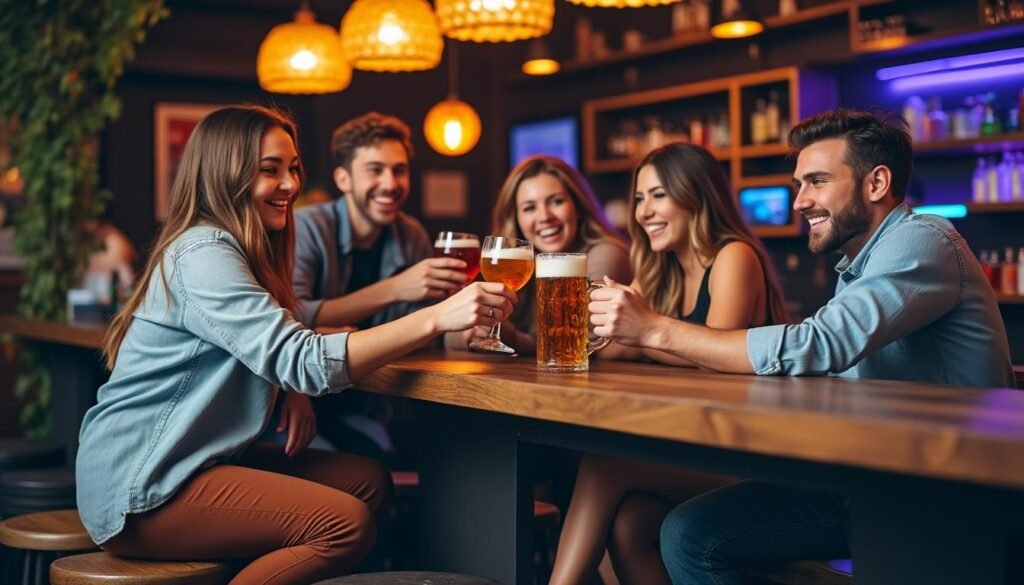
Contrary to the long-held view that Generation Z is shying away from alcohol in favor of healthier lifestyle choices, recent data up to early 2025 paints a very different picture. Instead of a decline, there is a remarkable surge in drinking among young adults aged from legal drinking age up to 27, challenging assumptions that youth culture is turning its back on booze. This shift reveals a nuanced relationship between financial freedom, cultural trends, and alcohol consumption, disproving earlier narratives that framed Gen Z as the “sober curious” generation. The rise in Gen Z drinking is not limited to the United States but echoes globally, with significant increases in countries like the UK, Australia, and India, suggesting a broader resurgence of traditional social behaviors around alcohol.
The changing habits of this generation carry important implications for the alcohol industry and public health experts alike. Brands like White Claw, Truly, Bon & Viv, and Corona Hard Seltzer—once beneficiaries of the growing health-conscious market—now face renewed competition from classic names such as Smirnoff, Svedka, and Pabst Blue Ribbon as Gen Z broadens its drinking preferences. The trend also comes at a time when economic factors, including the easing of the cost-of-living crisis and increased employment among young adults, are directly influencing disposable income and social engagement.
Understanding these dynamics is key to grasping the complex relationship between Gen Z and alcohol. The increasing consumption challenges industry forecasts and public health assumptions that had categorized this cohort as less interested in drinking than Millennials or Boomers. Exploring the drivers behind this rise in drinking behavior, alongside economic and cultural influences, sheds light on the evolving landscape of youth alcohol consumption and its broader social and economic consequences.
Analyzing the Shift: Why Gen Z’s Alcohol Consumption is Increasing Despite Previous Assumptions
Recent studies and data analytics have disrupted the prevailing belief that Generation Z is reducing their intake of alcoholic beverages. The International Wine and Spirits Record (IWSR) reports a notable increase in alcohol consumption by Gen Z adults aged 21 to 27 — from 66% participation in April 2023 to 73% in March 2025. This uptick overturns earlier theories that suggested declining interest in alcohol was due to health consciousness, social attitudes, or cultural trends favoring sobriety.
The apparent rise in drinking among Gen Z appears more linked to improving financial conditions, notably a surge in disposable income as more individuals gain workforce stability. Economic recovery from the cost-of-living crisis is allowing young adults to allocate more resources toward social activities involving alcohol consumption. This is particularly evident in bar and restaurant settings, which had previously seen declines due to high prices — venues where brands like Four Loko, BuzzBallz, and Cutwater often find strong consumer engagement.
Economic Stability as a Key Driver of Alcohol Consumption in Gen Z
Gen Z’s increased spending power has a direct correlation with their alcohol consumption levels. As they transition from entry-level jobs to more established careers, their financial capacity to purchase alcoholic beverages grows. This increased income enables younger adults to explore both premium and mainstream beverage options.
- Higher disposable income: More young adults entering the workforce earn competitive wages, fueling a rise in alcohol purchases.
- Re-emergence of social outings: Post-pandemic normalization of going out to bars and restaurants encourages higher alcohol consumption.
- Shift in spending priorities: With stabilized finances, young drinkers are more likely to allocate funds to social entertainment including alcohol.
| Country | Gen Z Alcohol Participation April 2023 (%) | Gen Z Alcohol Participation March 2025 (%) |
|---|---|---|
| United States | 46 | 70 |
| United Kingdom | 66 | 76 |
| India | 60 | 70 |
| Australia | 61 | 83 |
These figures reflect a broad, international trend where Gen Z drinking rates are rebounding aggressively, contradicting narratives of a sustained decline. Strategies that took into account this cohort’s previous sobering tendencies must now adjust to embrace this resurgence.


The Role of Cultural Influences and Brand Preferences in Gen Z Drinking Habits
While economic factors are principal drivers, cultural and social values have also evolved, contributing to Gen Z’s rising alcohol consumption. Unlike earlier characterizations that labeled Gen Z as predominantly sober or “NoLo” (no and low alcohol) seekers, current behaviors reveal a more complex interaction with alcohol—marked by moderation, preference for variety, and a shift away from purely health-driven abstention.
Notably, brands that initially gained traction due to their association with health-conscious choices—such as White Claw, Truly, Bon & Viv, and Corona Hard Seltzer—remain influential but do not fully define the market for Gen Z. Increasingly, classic and craft options like Smirnoff vodka, Svedka, Pabst Blue Ribbon beer, Four Loko’s potent blends, BuzzBallz ready-to-drink cocktails, and Cutwater’s innovative spirits are enjoying a renaissance among younger consumers who crave diverse experiences.
Changing Preferences and Experimentation
Where previous trends suggested Gen Z preferred clear, low-calorie, and low-ABV (alcohol by volume) beverages, recent data reveal a growing appetite for bold flavors, craft brews, and nostalgic drinks:
- Exploration of traditional spirits: Vodkas like Smirnoff and Svedka see increased consumption due to affordability and mixability.
- Revival of classic beer brands: Pabst Blue Ribbon appeals not just for brand legacy but for its cultural cachet and affordability.
- Ready-to-drink (RTD) innovation: Brands such as BuzzBallz and Four Loko capitalize on convenience and flavor varieties.
This willingness to experiment reflects a blending of Gen Z’s identity between mindful consumption and social enjoyment, contradicting simplistic assumptions made about their habits.

| Brand | Appeal Factors | Estimated Gen Z Market Share 2025 |
|---|---|---|
| White Claw | Low-calorie, trendy hard seltzer | 22% |
| Smirnoff | Accessible vodka for mixing | 18% |
| Pabst Blue Ribbon | Affordable classic beer | 14% |
| BuzzzBallz | Convenient RTD cocktails | 11% |
| Corona Hard Seltzer | Popular seltzer with summer appeal | 12% |
Health, Moderation, and the Evolving Approach to Alcohol in Gen Z
Despite the rise in consumption, it is important to recognize how Gen Z approaches alcohol differently from previous generations. While they are drinking more frequently, this generation is also redefining what responsible drinking means, emphasizing moderation, mindfulness, and health-conscious choices.
Initiatives encouraging “sober curious” lifestyles have not disappeared but have instead evolved. Many young adults adopt intermittent sobriety or “drink less but better” habits, focusing on quality rather than quantity. This approach aligns with their broader wellness goals, which include mental health awareness and physical wellbeing.
Balancing Social Drinking with Health Priorities
Several factors illustrate Gen Z’s nuanced stance towards drinking:
- Preference for low and no-alcohol options: Products like Truly and Bon & Viv continue to be valuable for those seeking moderation.
- Mindful consumption patterns: Gen Z frequently choose occasions selectively, integrating social outings with periods of abstinence.
- Awareness of health impacts: This cohort educates themselves about alcohol’s effects on long-term health, influenced by widespread health awareness campaigns available from sources such as Live Well Magazine.
By combining increased consumption with cautious drinking philosophies, Gen Z is reshaping drinking norms in a way that preserves enjoyment while mitigating risks, diverging from past generations’ more permissive binge patterns.
Global Perspectives: How Gen Z’s Rising Alcohol Use Manifests in Different Countries
The uptick in Gen Z alcohol consumption is a global phenomenon, with notable variations and similarities emerging across different regions. While the underlying causes like economic improvements and changing social dynamics are broadly consistent, local culture and legal contexts influence drinking behaviors uniquely.
Patterns by Country
| Country | Gen Z Alcohol Participation Increase (%) | Popular Beverage Types | Notable Trends |
|---|---|---|---|
| United States | +24 (from 46% to 70%) | Hard Seltzers (White Claw, Truly), Vodka (Smirnoff, Svedka) | Post-pandemic rebound in bar outings, rising disposable income |
| United Kingdom | +10 (from 66% to 76%) | Beer (Pabst Blue Ribbon), RTDs (BuzzBallz, Cutwater) | Growing interest in RTDs and craft beer culture |
| India | +10 (from 60% to 70%) | Spirits and imported beer | Increasing urbanization and global brand influence |
| Australia | +22 (from 61% to 83%) | Hard Seltzers, Craft beers | Strong preference for outdoor social drinking, innovative RTDs gaining market share |
These global insights underscore how Gen Z’s drinking habits reflect a blend of economic and cultural forces, with international alcohol brands adapting accordingly.

Social Media Influence and the Future of Gen Z Alcohol Culture
Social media platforms continue to shape Gen Z’s perceptions and behaviors around alcohol consumption. Young adults increasingly share their experiences with new brands and drinking occasions, driving trends that influence peers and drive demand in real time.
Platforms like TikTok, Instagram, and Twitter enable rapid diffusion of emerging beverage trends, whether it’s the latest twist on a BuzzBallz cocktail or viral mixology tutorials featuring Cutwater spirits. This connectivity also gives rise to diverse narratives around responsible drinking, sober lifestyles, and cultural celebrations involving alcohol.
- Trend adoption: Social media accelerates the popularity of brands such as Truly and White Claw through influencer endorsements.
- Community building: Online groups promote mindfulness around alcohol, sharing tips for moderation.
- Marketing innovation: Alcohol brands tailor campaigns specifically to Gen Z’s digital behaviors and values.
The dynamic exchange between social media and drinking culture ensures that Gen Z’s alcohol consumption will continue to evolve in complex and unpredictable ways. Industry leaders and health advocates alike must monitor these trends closely to engage this influential cohort effectively and responsibly.
Frequently Asked Questions about Gen Z’s Alcohol Consumption Trends
- Q: Why is Gen Z drinking more alcohol now compared to a few years ago?
A: Improved financial conditions, increased disposable income, and a return to social outings post-pandemic have contributed significantly to rising consumption. - Q: Are Gen Z drinkers favoring healthier alcoholic options?
A: While low-calorie and low-ABV beverages like White Claw and Truly remain popular, many also enjoy traditional beers, spirits, and innovative ready-to-drink cocktails. - Q: How does Gen Z’s approach to alcohol differ from Millennials or Boomers?
A: Gen Z emphasizes moderation and mindfulness more strongly, often combining periods of sobriety with social drinking for balance. - Q: Is this trend toward increased drinking seen worldwide?
A: Yes, data from countries like the U.S., UK, India, and Australia show rising participation rates, reflecting both economic and cultural factors. - Q: What role does social media play in shaping these behaviors?
A: Social media platforms influence brand popularity, promote new drinking trends, and foster communities focused on responsible consumption.