


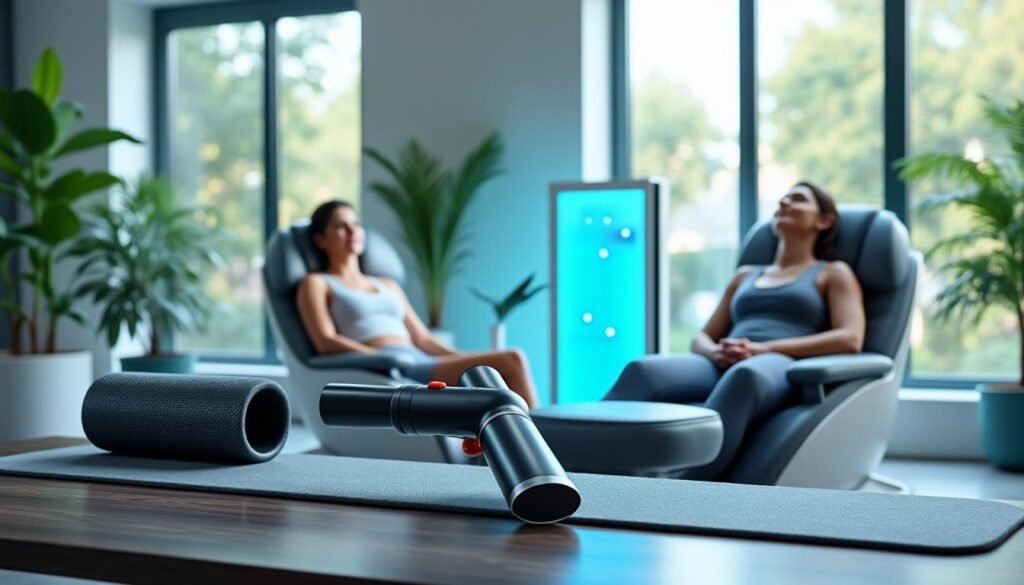
In the relentless pursuit of fitness gains, rest was once the overlooked stepchild of training regimens; today, it claims the spotlight as the cornerstone of true wellness. As the fitness community evolves in 2025, an enlightened shift places recovery on equal footing with exertion. The latest tools—from cutting-edge compression boots by Normatec to data-rich wearables like Whoop and Oura—are revolutionizing how athletes and everyday fitness enthusiasts optimize their downtime. This article explores this dynamic wave of recovery innovations that blend ancient wisdom, modern technology, and science-backed strategies to help you recover smarter, not harder.
Why prioritizing fitness recovery is essential for modern wellness
Gone are the days when pushing through fatigue and soreness was celebrated as grit. Today, experts emphasize that recovery is integral to muscle growth, injury prevention, and overall progress. Overtraining not only impedes your gains but also elevates stress hormones like cortisol, disrupts sleep, and increases injury risks.
Top recovery practices now include:
- Mobility flows that enhance range of motion and reduce stiffness.
- Foam rolling and myofascial release, often with tools from TriggerPoint, to alleviate tightness.
- Red light therapy to stimulate cellular repair.
- Cold plunges and contrast showers that cut inflammation.
- Compression boots from Normatec to improve circulation after workouts.
- Yoga and breathwork focusing on mind-body restoration.
- Guided meditation to reduce muscle tension and promote relaxation.
Recovery isn’t about inactivity but about intentional, restorative movement that propels your fitness forward.
The rise of smart recovery: Tech-powered insights for better rest
Fitness tech is transforming recovery into a precise science. Devices like the Whoop strap and Oura Ring continuously monitor key biometrics such as heart rate variability (HRV), sleep quality, skin temperature, and readiness scores. Garmin wearables add respiratory rate tracking to the mix, creating a full picture of your body’s recovery state.
These measurements offer actionable insights. For example, if your recovery score dips due to poor sleep or lifestyle choices, your device might recommend lighter workouts or mobility sessions instead of intense training. This data-driven approach helps athletes avoid burnout and injury while maximizing gains.
Key recovery metrics tracked by wearables include:
- Heart rate variability (HRV) – a window into your nervous system resilience.
- Sleep stages and quality – critical for muscle repair.
- Resting heart rate – an indicator of overall fatigue.
- Skin temperature – signals inflammation or illness.
- Readiness scores to tailor training intensity.
Embracing these data points revolutionizes how you approach rest and work.
The icy edge of recovery: Cold therapy’s comeback in fitness routines
The social media obsession with cold plunges isn’t just hype; it reflects a resurgence of cold therapy’s proven benefits to recovery. Athletes submerge themselves in chilled water—typically around 50°F for five minutes post-workout—to mitigate inflammation, accelerate healing, and boost mood through dopamine release.
Cold therapy benefits include:
- Inflammation reduction that lessens muscle soreness.
- Enhanced circulation and metabolism for faster nutrient delivery.
- Improved mental clarity and focus.
- Elevated dopamine levels for a natural post-plunge euphoria.
Brands like ChillWell integrate these therapies into innovative portable products, making cold plunges accessible beyond elite gyms.
Do remember, mastering timing and temperature is crucial — more isn’t always better when it comes to ice baths.
Breathwork and nervous system recovery: Simple tools for big effects
Physical exertion demands not just muscle recovery but also nervous system recalibration. Breathwork techniques have gained traction as accessible, effective ways to reset after strenuous sessions.
One widely used method involves a 4-7-8 breathing pattern: inhale for 4 seconds, hold for 7, exhale slowly for 8 seconds. Repeating this 4-5 times post-exercise or at bedtime calms the body, lowers heart rate, and enhances focus.
- Reduces cortisol for improved mental and physical recovery.
- Initiates the parasympathetic response, promoting rest and digestion.
- Supports better sleep quality, amplifying recovery benefits.
This breathwork, combined with restorative yoga sessions, forms a powerful tandem for nervous system health.
Unlocking the power of sleep: The cornerstone of athletic recovery
Sleep remains irreplaceable in the fitness recovery toolkit. Modern athletes treat it as seriously as any workout. Establishing good sleep hygiene—like avoiding screens an hour before bed and using weighted blankets or cooling mattresses—is now routine for serious fitness seekers.
Supplementing with magnesium or glycine and using technology like Oura or Eight Sleep trackers help monitor and improve sleep quality.
Sleep-focused recovery essentials include:
- Phone curfew to reduce blue light exposure.
- Magnesium or glycine supplements for muscle relaxation.
- Weighted blankets and cooling mattresses to optimize thermal comfort.
- Sleep tracking wearables analyzing sleep stages and disturbances.
- White noise or binaural beats aiding deeper rest.
For a deep dive into how sleep recovery shapes future health, visit Live Well Magazine’s dedicated feature.
Crafting a personalized recovery plan: Practical steps to start now
Launching your recovery journey doesn’t require expensive gadgets or a luxury spa day. With a few focused habits, anyone can boost their recovery efficiency:
- Reduce soreness: Incorporate foam rolling and mobility flows 2-3 times weekly using tools like those from TriggerPoint and Hyperice.
- Enhance sleep quality: Practice breathwork and enforce a phone curfew nightly.
- Stimulate blood flow: Take contrast showers or brisk walks post-workout.
- Calm your nervous system: Dedicate 10 minutes daily to 4-7-8 breathing or yoga nidra.
- Monitor your readiness: Use free HRV apps such as Elite HRV each morning.
These targeted steps set the stage for more effective training and sustained well-being. Explore inspiring testimonials and expert advice at Live Well Magazine recovery stories.
Elite athletes embrace the new recovery culture: Tools leading the charge
The leading edge of recovery is powered by specialized devices accelerating healing and performance. Industry favorites like Therabody’s massage guns and PowerDot’s electrical muscle stimulators provide deep tissue relief and muscle activation. HydroMassage beds offer soothing hydrotherapy, while RecoveryPump delivers targeted compression to improve circulation.
Growing in popularity, these tools have transitioned from elite gyms to home settings, making high-quality recovery accessible to a wider audience.
- Therabody – professional-grade percussion massage.
- Hyperice – cold and vibration therapy combined.
- Normatec – advanced compression boots.
- PowerDot – neuromuscular electrical stimulation devices.
- HydroMassage – water-based relaxation systems.
- RecoveryPump – sequential compression technology.
- ChillWell – accessible cold therapy products.
For a firsthand perspective on these recovery game-changers, check out Live Well Magazine’s featured user stories.