


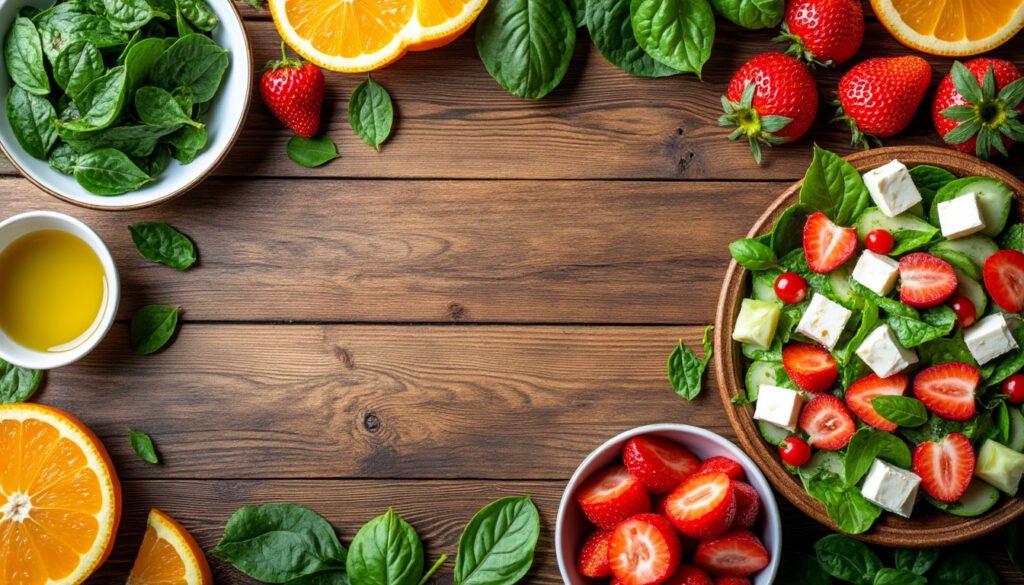
Vitamin C and Plant-Based Iron: A Synergistic Food Combination for Better Nutrient Absorption
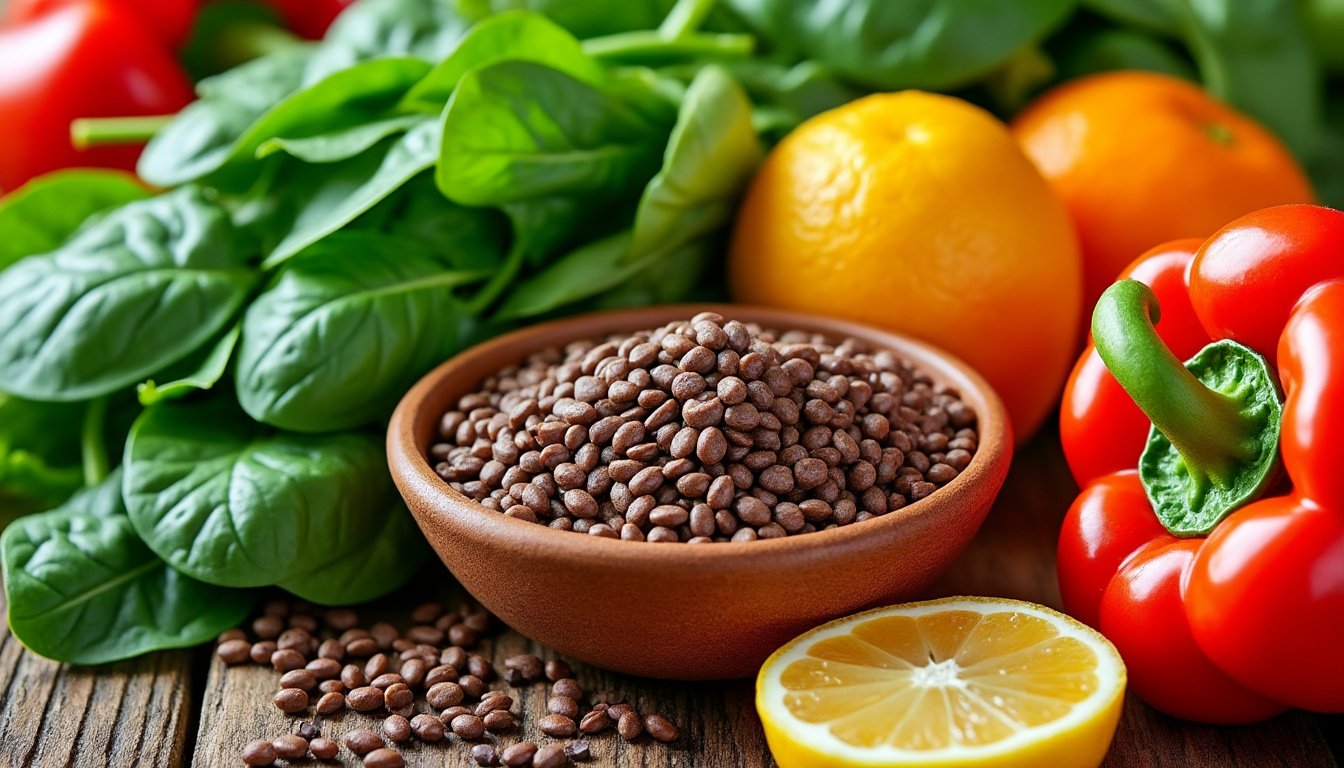
One of the most impactful food pairings recommended by experts to enhance nutrient absorption involves coupling vitamin C-rich foods with plant-based sources of iron. For individuals relying heavily on vegetarian or vegan diets, this combination is especially crucial. Unlike heme iron found in animal products, non-heme iron from sources such as spinach, lentils, beans, tofu, and pumpkin seeds doesn’t absorb efficiently on its own. Vitamin C plays the critical role of converting non-heme iron into a bioavailable form that the intestines can absorb more readily.
Rachel Wood, RD, highlights that this pairing is particularly beneficial for groups vulnerable to iron deficiency, including women who experience heavy menstruation and individuals with dietary restrictions. Practical meal ideas such as black bean tacos paired with fresh salsa or tofu stir-fried with broccoli and red bell peppers exemplify how to naturally implement this pairing. Even simple snacks like hummus with raw red bell peppers serve as effective nutrient-optimizing combinations.
Beyond the specific food choices, the timing of consumption also matters. Wood advises avoiding the intake of coffee or tea alongside meals as these beverages can inhibit iron absorption, thereby reducing the benefits of consuming iron and vitamin C together. Instead, scheduling these drinks between meals can maximize iron bioavailability.
These findings illustrate how food combinations can significantly enhance mineral absorption and contribute to balanced nutrition—without requiring supplements or drastic dietary changes. The principle is backed by robust scientific research and endorsed by nutrition specialists. For more detailed strategies on pairing foods to boost nutrient intake, consider exploring resources like dietitians’ favorite food pairings that optimize vitamin utilization.

Healthy Fats with Colorful Vegetables: Unlocking Fat-Soluble Vitamins
Another expert recommendation for diet optimization involves the simple but powerful pairing of healthy fats with colorful vegetables. This combination improves the absorption of fat-soluble vitamins such as A, E, K, and even vitamin D when present, along with carotenoids like beta-carotene, lutein, and lycopene.
These vegetables tend to be vibrantly colored—think carrots, sweet potatoes, tomatoes, spinach, kale, bell peppers, and broccoli. Adding about a teaspoon of olive oil, a few slices of avocado, or a sprinkle of nuts or seeds is sufficient to significantly boost the bioavailability of these vital nutrients. Lavanya Kethamukkala, RDN, suggests that this minor addition to meals can notably enhance nutritional outcomes without adding unnecessary calories.
Incorporating this into everyday diets can be as simple as tossing a spinach salad with avocado slices and olive oil vinaigrette or enjoying carrots dipped into guacamole. These combinations not only improve vitamin synergy but also elevate flavor profiles, making meals both delicious and nutrient-dense.
The health benefits extend beyond absorption—healthy fats contribute to sustained energy release and support the body’s ability to utilize those nutrients in various metabolic functions. Understanding the science behind these pairings illustrates how strategic eating choices can maximize the impact of micronutrients from whole foods.
Experts have also noted that the quality of the fat source matters, emphasizing extra-virgin olive oil and natural whole fats as superior options compared to processed oils. The role of food combinations in enhancing nutrient uptake aligns closely with principles of balanced nutrition and holistic health approaches.
Cooked Tomatoes with Olive Oil: Enhancing Lycopene Bioavailability through Food Pairing
Tomatoes deserve special attention in the arena of expert-recommended food combinations, mainly for their lycopene content—a carotenoid linked to cardiovascular and cancer protection. Cooking tomatoes improves the body’s ability to absorb lycopene by breaking down plant cell walls and liberating the compound, turning it into an accessible form.
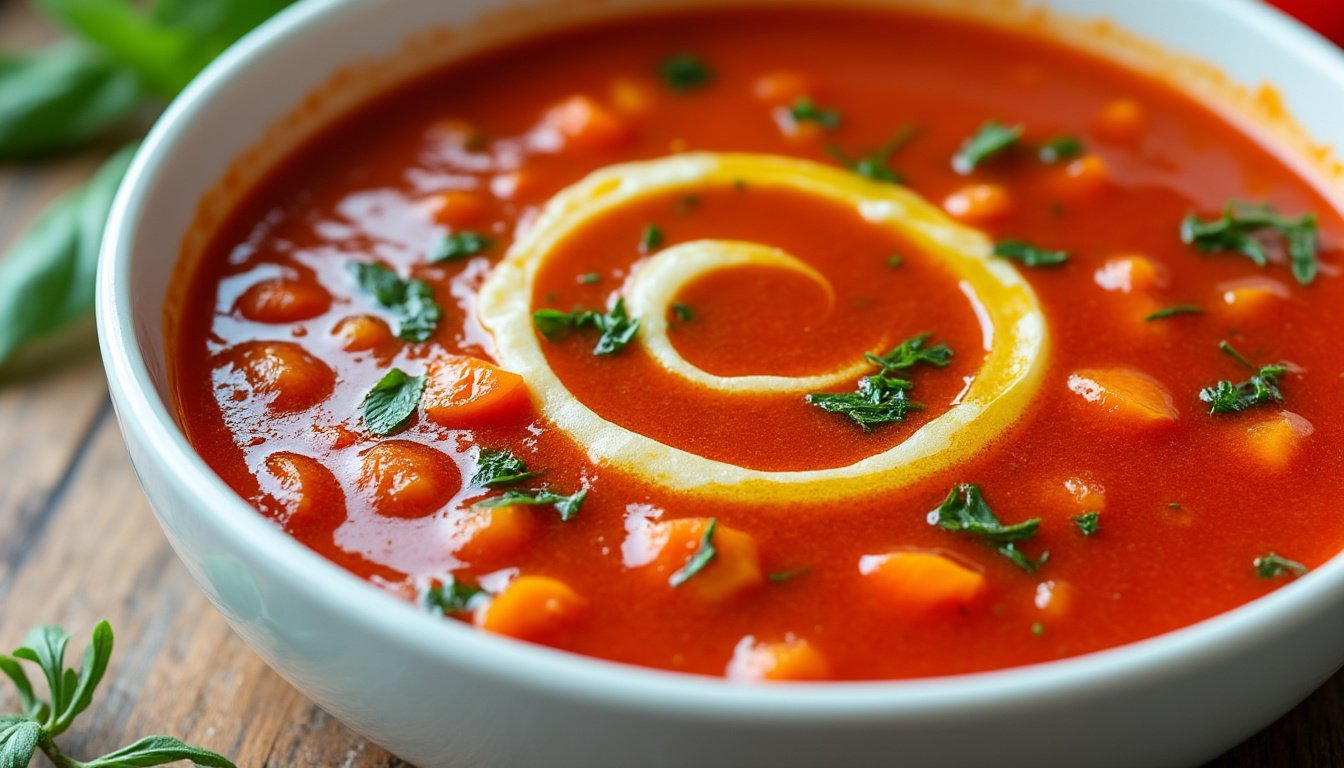
Pairing cooked tomatoes with olive oil creates a powerful duo that several nutritionists highlight for enhanced nutrient bioavailability. The addition of olive oil, a source of healthy fat, further facilitates lycopene absorption, maximizing health benefits. For example, preparing a simple tomato soup with a final drizzle of high-quality extra-virgin olive oil or simmering tomatoes in olive oil for pasta sauce can significantly increase nutrient availability.
This combination showcases how cooking methods, alongside thoughtful food pairings, unlock otherwise inaccessible nutrients. It reflects an emerging understanding within nutrition science that heating, chopping, and blending can modify nutrient profiles and absorption rates in positive ways.
Incorporating this synergy into your diet does not mean overhauling meals but rather tweaking them. The enhancement of nutrient absorption via food pairings and preparation techniques embodies practical diet optimization and can amplify the health value of everyday recipes.
For those interested in further exploring the nuances and practical applications, detailed explanations and recipes are available through specialized articles such as those found on BioTrust’s guide to maximizing nutrient absorption.
Turmeric and Black Pepper: A Medicinal Food Pairing Backed by Science
The pairing of turmeric and black pepper stands out as a classic example of how combining foods can enhance the absorption of bioactive compounds. Turmeric’s primary active ingredient, curcumin, is known for its anti-inflammatory and antioxidant properties but is notoriously difficult for the body to absorb effectively. Black pepper contains piperine, which drastically increases the bioavailability of curcumin by preventing its rapid metabolism.
Clinical research published in reputed journals illustrates that this combination doesn’t just improve nutrient absorption; it may also affect metabolic markers such as post-meal blood sugar control and appetite regulation. Consuming turmeric with black pepper alongside starchy meals may increase feelings of fullness and improve glycemic response, lending additional benefits beyond mere nutrient uptake.
Common, easy-to-make dishes like lentil soup, roasted vegetables, and rice dishes can incorporate this pairing naturally. Knowing how to wield this food combination empowers individuals to harness ingredients’ full nutritional and therapeutic potential.
Dietitians stress that this is a prime example of food pairing enriching diets with functional health benefits, delivering both flavor and enhanced nutrient function. Pairing turmeric and black pepper illustrates how ancient culinary wisdom aligns with modern diet optimization strategies to improve overall wellness.
Prebiotics and Probiotics: Creating a Balanced Gut Environment for Optimal Nutrient Utilization
While many food combinations focus on vitamin and mineral absorption, another crucial aspect of holistic healthy eating involves fostering a balanced gut microbiome through the combined intake of prebiotics and probiotics. This relationship enhances not only digestive health but also the efficiency of nutrient utilization.
Prebiotic foods such as bananas, garlic, onions, and asparagus serve as nourishment for beneficial gut bacteria, while probiotic foods like yogurt, tempeh, and other fermented products introduce live beneficial microbes. The dynamic interaction between these two groups helps optimize gut health, which is fundamentally linked to how well the body absorbs and processes nutrients.
Expert advice includes pairing probiotic-rich yogurt with a fiber-rich fruit like banana and oats or enjoying tempeh alongside roasted asparagus. These simple, tasty combinations promote a thriving gut ecosystem that supports immunity, mental health, and metabolic balance.
Lavanya Kethamukkala emphasizes certain preparation methods to maximize the efficacy of these compounds. For example, chopping onions and mincing garlic followed by resting them for 10 minutes before cooking allows sulfur compounds like allicin to develop, boosting their health-promoting effects.
This strategy accentuates how thoughtful food preparation complements nutrient bioavailability and the broader goal of harmonious nutritional power couples. To delve deeper into strategies for nurturing gut health and improving overall dietary impact, informative articles on gut health and supplements provide practical guidance, including signs of poor gut health.
- Vitamin C-rich foods + plant-based iron sources (e.g., spinach + bell peppers)
- Healthy fats + colorful vegetables (e.g., olive oil + carrots)
- Cooked tomatoes + olive oil for enhanced lycopene absorption
- Turmeric + black pepper to boost curcumin bioavailability
- Prebiotics + probiotics to support gut microbiome and nutrient utilization
How does vitamin C enhance iron absorption from plant foods?
Vitamin C converts non-heme iron from plant sources into a form that the intestines can absorb more easily, significantly improving mineral absorption, especially in vegetarian and vegan diets.
Why is pairing healthy fats with vegetables important for nutrient absorption?
Healthy fats help the body absorb fat-soluble vitamins such as A, E, and K, and carotenoids, which are often found in colorful vegetables; even small amounts of healthy fat can substantially boost their bioavailability.
What makes turmeric and black pepper an effective food pairing?
Black pepper contains piperine, which increases turmeric’s curcumin absorption by preventing its rapid metabolism, thereby enhancing its anti-inflammatory and antioxidant effects.
Can prebiotics and probiotics improve nutrient absorption?
Yes, prebiotics feed beneficial gut bacteria introduced by probiotics, fostering a healthier gut microbiome that supports efficient digestion and nutrient utilization.
Are there practical daily meals that can improve nutrient absorption?
Many everyday meals like spinach salads with lentils and avocado, lentil soups with turmeric and black pepper, or oatmeal with berries and nuts naturally combine foods to maximize nutrient absorption and diet optimization.