



In a world saturated with fleeting diet trends and conflicting fitness advice, gaining clear and reliable guidance is more crucial than ever. Essential fitness advice from seasoned nutrition experts illuminates the pathway to cultivating sustainable healthy habits, setting realistic weight loss goals grounded in science, and dismantling the pervasive myths that often derail progress. As we navigate through 2025, where innovative health platforms like MyFitnessPal, Weight Watchers, and Noom dominate the landscape, understanding the core principles of nutrition and fitness becomes foundational for lasting wellness.
The challenge many face isn’t just about what to eat or how to move but adopting consistent practices that seamlessly integrate into daily life. Prioritizing health over quick fixes requires appreciation of the psychological and physiological aspects that underpin habit formation and goal attainment. Technologies like Fitbit and the Nike Training Club app are revolutionizing personal fitness by offering personalized, data-driven insights, yet the human element—motivation and habit persistence—remains pivotal.
If you’re weighing up supplements alongside diet and exercise plans, you can read Liv Pure review in our Liv Pure review to help inform your decision.
Moreover, with misinformation rampant about diet shortcuts, such as “don’t eat after 6 PM” or the allure of miracle supplements, expert voices bring clarity. Understanding calorie balance alongside nutrient quality—not just calorie counting—empowers individuals to make conscious decisions without being overwhelmed. Platforms like Bodybuilding.com and Beachbody provide rich content supporting this holistic approach.
Through this exploration, we shed light on practical, evidence-based strategies for wellness that harmonize nutrition, physical activity, and mindset. Whether you are embarking on a weight loss journey, aiming to enhance athletic performance, or simply seeking a healthier lifestyle, these insights are designed to inspire actionable transformations, supported by real-world examples and reliable resources.
Building Healthy Habits: Sustainable Fitness and Nutrition Practices for Long-Term Success
Establishing healthy habits is often the cornerstone of achieving lasting fitness and weight management outcomes. According to expert insights, the journey begins with the simple but essential act of showing up—be it to the gym or kitchen to prepare a nutritious meal. The greatest obstacle frequently reported is initiating the first step, reflecting a universal human challenge with motivation and consistency.
A crucial factor in habit formation is prioritization within one’s daily schedule. Most people have the same 24 hours, yet many perceive a lack of time to dedicate to fitness. Experts recommend shifting perspective to recognize that even short durations, such as 30 to 40 minutes of exercise or walking, contribute meaningfully to health. Apps like Fitbit help track these activities, making it easier to integrate them into busy lives.
Successful habit formation strategies include:
- Designated Time Blocks: Allocating specific daily windows for workouts or meal prep fosters routine establishment.
- Incremental Goal Setting: Focusing on small, achievable targets prevents overwhelm and enables consistent progress.
- Accountability Tools: Utilizing digital platforms such as MyFitnessPal or Weight Watchers encourages engagement and monitorable progress.
- Positive Reinforcement: Celebrating milestones helps maintain enthusiasm and reinforces commitment.
- Social Support: Connecting through communities available on Bodybuilding.com or Beachbody provides motivation and shared experiences.
Integrating these components promotes automaticity in healthy behaviors, turning initial motivation into enduring habits that sustain well-being long-term. This approach aligns with findings in psychology highlighting the importance of routine and reward cycles in habit retention.
| Habit Strategy | Implementation Example | Benefits |
|---|---|---|
| Designated Time Block | Schedule a 6 PM workout session 4 times a week | Builds consistency and removes decision fatigue |
| Incremental Goals | Increase daily steps by 500 every week | Prevents overwhelm and promotes steady progress |
| Accountability Tools | Log meals using MyFitnessPal daily | Enhances self-awareness and dietary adherence |
| Positive Reinforcement | Reward yourself with a non-food treat after 10 workouts | Boosts motivation through reward association |
| Social Support | Join a Nike Training Club challenge group | Encourages commitment via peer interaction |


Setting Realistic Weight Loss Targets: Science-Based Guidelines for Achievable Goals
Weight loss is one of the most pursued fitness goals, yet the path to success is often muddied with unrealistic expectations and quick-fix promises. Experts emphasize the paramount importance of setting attainable targets centered on health and sustainability rather than rapid transformation or aesthetic ideals.
The Centers for Disease Control and Prevention (CDC) recommends a healthy weight loss rate of 1 to 2 pounds per week, translating to approximately 25 to 30 pounds over a three-month period. Such gradual progress reduces risks associated with drastic measures and enhances the maintenance of results long term.
Calculating weight loss involves the principle of caloric deficit—burning more calories than consumed. A daily deficit of 500 calories typically leads to losing 1 pound weekly, while a 1000-calorie deficit can result in 2 pounds lost. This balance integrates energy intake from food and output from physical activity, which can be efficiently managed with apps like Lose It! or Nutrition Pro.
Key elements for realistic goal setting include:
- Assessment of Baseline Habits: Evaluate current eating and activity patterns to identify modifiable behaviors.
- Personalized Caloric Targets: Calculate energy needs using tools or professional advice to create sensible deficits.
- Incorporation of Balanced Nutrition: Emphasize meals that combine complex carbohydrates, lean proteins, and high-fiber fruits and vegetables for fullness and nutrient sufficiency.
- Engagement in Regular Exercise: Activities supported by Nike Training Club or Beachbody help increase caloric expenditure and improve metabolic health.
- Monitoring Progress and Adjusting Goals: Regular check-ins using devices like Fitbit ensure feedback for necessary adaptations.
By aligning goals with evidence-based recommendations and personal capabilities, individuals can foster sustainable weight loss without compromising overall wellness.
| Weight Loss Aspect | Recommended Practice | Expected Outcome |
|---|---|---|
| Caloric Deficit | Consume 500 fewer calories daily than expenditure | Approximate weight loss of 1 pound per week |
| Balanced Meals | Include fruits, vegetables, lean proteins, and complex carbs | Improved satiety and nutrient balance |
| Physical Activity | Burn 500 calories through daily exercise 4-5 days/week | Enhanced metabolic rate and fat loss |
| Goal Monitoring | Use apps like Lose It! or Fitbit to track progress | Timely feedback and motivation boost |
| Realistic Targets | Set 1-2 pounds weekly weight loss goals | Long-term adherence and health preservation |

Debunking Common Diet Myths: Clarifying Truths About Nutrition and Weight Management
Despite advances in nutritional science, myths and misinformation about dieting stubbornly persist, often hindering effective weight management. Experts encourage separating fact from fiction by relying on research-backed advice and realistic principles.
One pervasive myth is the idea that eating after 6 PM leads to weight gain. Scientific evidence dispels this notion, emphasizing instead total daily caloric intake and meal composition as more influential on body weight than timing alone. Platforms such as Noom and Weight Watchers reflect these findings in their flexible, habit-focused approaches.
Another misconception involves the necessity of strict calorie counting, which some find overwhelming and unsustainable. Instead, practical methods like portion control foster intuitive eating without complex tracking. A recommended guideline is to keep meal portions within the size of two hands, incorporating a balance of protein, complex carbohydrates, and fiber-rich fruits and vegetables.
Additionally, the supplement industry is riddled with dubious products claiming rapid weight loss. Nutrition experts caution that supplements should complement—not replace—a balanced diet and regular exercise. Ethical companies provide transparency about ingredients and efficacy, but consumers must remain vigilant against unregulated products that may carry health risks.
- Myth 1: “Don’t eat after 6 PM to lose weight” – False; overall calorie balance matters more.
- Myth 2: “Calorie counting is mandatory” – False; portion control can be a practical alternative.
- Myth 3: “Supplements can replace healthy eating” – False; they are adjuncts, not substitutes.
- Myth 4: “Fad diets guarantee quick results” – False; rapid loss often involves unsustainable practices.
- Myth 5: “Carbohydrates should be avoided” – False; complex carbs are essential for energy and fullness.
Awareness of these myths and embracing science-driven perspectives helps individuals make informed decisions, fostering healthier relationships with food and weight management.
| Myth | Reality | Recommended Approach |
|---|---|---|
| Eating after 6 PM causes weight gain | Total daily calories and quality more important | Focus on balanced meals and portion size |
| Must count every calorie meticulously | Portion control can be effective and less stressful | Use hand portion guides or apps like MyFitnessPal |
| Supplements replace meals | Supplements support but do not replace nutrition | Consult credible brands and prioritize whole foods |
| Fad diets ensure long-term weight loss | Often lead to regain and nutritional imbalance | Adopt gradual, evidence-based dietary changes |
| Carbs make you fat | Complex carbohydrates are necessary for energy | Incorporate whole grains, fruits, and vegetables |

Effective Tools and Technology to Support Nutrition and Fitness Journeys
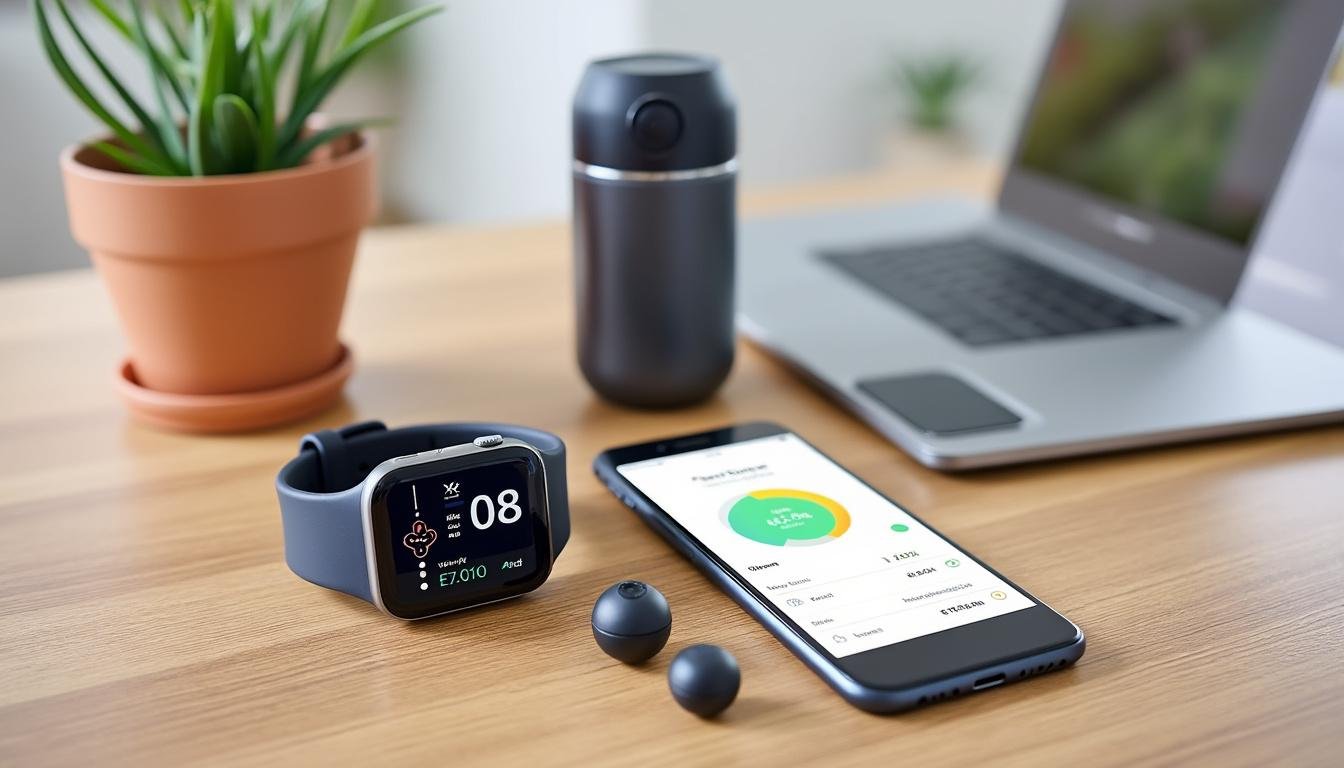
In 2025, a wealth of digital tools empowers individuals to take control of their fitness and nutritional goals with unprecedented precision and convenience. Leveraging technology can streamline habit tracking, promote accountability, and provide personalized feedback that enhances motivation and adherence.
Popular platforms such as:
- MyFitnessPal: Tracks macronutrients and calorie intake with barcode scanners and meal logs.
- Weight Watchers (WW): Uses a point-based system personalized to individual needs, facilitating flexible eating patterns.
- Nike Training Club: Offers expert-designed workouts with progress monitoring and community challenges.
- Fitbit: Monitors steps, heart rate, sleep, and active minutes to inform lifestyle adjustments.
- Bodybuilding.com: Provides extensive training programs, nutritional guides, and community support.
- Lose It!: Focuses on calorie counting and goal setting with a user-friendly interface.
- Beachbody: Delivers structured workout plans and nutrition coaching through multimedia.
- Nutrition Pro: Supports dietitians and clients through meal planning and nutrient analysis.
- Optavia: Combines structured meal replacements with coaching for weight management.
- Noom: Emphasizes behavioral change with psychology-driven guidance and education.
Incorporating these tools into daily routines can optimize individual efforts. For example, pairing Fitbit’s activity data with MyFitnessPal’s nutrition tracking allows comprehensive insight into energy balance. Community-driven platforms like Weight Watchers further bolster motivation by connecting users with similar goals.
However, experts advise against overdependence on gadgets alone. Technology should complement, not replace, mindful eating, self-awareness, and intrinsic motivation. The synergy between digital resources and foundational healthy habits forms a powerful formula for success.
| Tool | Main Feature | Ideal User |
|---|---|---|
| MyFitnessPal | Calorie and macronutrient tracking | Individuals focused on nutrition detail |
| Weight Watchers | Personalized points-based system | Flexible eaters seeking community support |
| Nike Training Club | Expert workout programs | Those needing guided exercise routines |
| Fitbit | Real-time activity and health monitoring | Users wanting comprehensive lifestyle tracking |
| Bodybuilding.com | Training and nutrition resources | Fitness enthusiasts and beginners |
| Lose It! | Calorie counting made easy | People managing weight loss goals |
| Beachbody | Structured workout and nutrition plans | Users seeking holistic program support |
| Nutrition Pro | Meal planning and nutrient analysis | Dietitians and clients |
| Optavia | Meal replacements with coaching | Individuals needing weight management guidance |
| Noom | Behavioral psychology approach | Users wanting mindset and habit change |
Nutrition and Fitness Strategies Tailored for Diverse Lifestyles
Recognizing that fitness and nutrition needs are not one-size-fits-all is fundamental to effective health management. Lifestyle differences—work schedules, cultural backgrounds, age, and underlying health conditions—necessitate personalized approaches to maximize benefits.
For example, busy professionals may rely on quick yet nutritious breakfast options inspired by nutritionists’ morning routines, prioritizing balanced macronutrients to sustain energy throughout the day. College students can benefit from essential nutrition advice tailored to affordable, accessible foods that meet their needs amid budget constraints.
Women have distinct considerations, particularly regarding hormonal fluctuations and metabolic rate variations. Registered dietitians recommend combining resistance training with cardiovascular exercise to build lean muscle mass, boosting metabolism and enhancing weight maintenance. Nutritional guidance should focus on iron-rich foods, calcium, and adequate protein intake.
Further, cultural dietary practices can be embraced to promote longevity and wellness by adjusting traditional meals with smaller portions and incorporating heart-healthy ingredients, reflecting global insights shared by nutrition experts.
- Quick nutritious meal preparation: Utilize resources such as quick and healthy dinner recipes tailored for weight management.
- Meal planning: Employ flexible menus accommodating cultural preferences and seasonal availability.
- Mindful eating techniques: Encourage paying attention to hunger cues and eating slowly to improve digestion and satisfaction.
- Incorporation of resistance training and cardio: Align fitness platforms like Nike Training Club with personalized schedules.
- Community engagement: Seek support groups or online forums to share experiences and maintain motivation.
Understanding and respecting individual diversity fosters more successful adherence to healthy behaviors, reducing the risk of chronic diseases and promoting holistic well-being.


FAQ: Common Questions on Nutrition, Fitness, and Weight Loss
- Q: How important is tracking calories versus focusing on portion sizes?
A: While calorie tracking offers precise data, many find portion control using hand-sized guides more sustainable and less stressful. Combining both can optimize results. - Q: Can I include desserts in a healthy diet?
A: Yes, enjoying desserts on occasion (1-2 times per week) in moderate portions helps maintain balance without sacrificing enjoyment. - Q: What is a safe and realistic weight loss target?
A: Losing 1 to 2 pounds per week is recommended by health authorities, leading to 25-30 pounds in three months. - Q: Are supplements necessary for weight loss?
A: Supplements can support but do not replace a balanced diet and consistent exercise. Choosing trusted brands and consulting professionals is crucial. - Q: How do I overcome the lack of motivation to start exercising?
A: Developing a routine through small, incremental goals, scheduling workouts, and using community or digital accountability tools can help build lasting motivation.