



As we journey through life, the vitality of our bones often goes unnoticed until challenges arise. From childhood, when milk is championed for strong bones, to the quiet middle years where bone health is mostly overlooked, the importance of maintaining robust skeletal strength demands more attention all along the way. Experts like Dr. Haris Uzair highlight that adults achieve peak bone mass in their twenties, underscoring the necessity of continuous care to stave off osteoporosis and fractures later in life. With nearly 10 million Americans over the age of 50 already diagnosed with osteoporosis and an additional 43 million at risk due to low bone mass, the need for proactive daily habits becomes increasingly urgent.
Preserving bone health is not merely about preventing fractures; it’s about supporting mobility, protecting organs, and enhancing quality of life. As we AgeWell, integrating practices that enhance bone density and flexibility enhances independence and well-being. Today’s advice blends nutrition, exercise, and lifestyle practices that integrate products and strategies like CalciumPlus, OsteoGuard, and BoneBoost, fostering strongholds against bone deterioration. By incorporating weight-bearing activities, resistance training, and nutrient-dense foods rich in calcium and vitamin D, individuals can strengthen their HealthyBones effectively.
The emphasis on bone health is particularly critical for post-menopausal women, who experience accelerated bone loss. Regular screening, early intervention, and adopting incremental lifestyle adjustments can significantly reduce risks. Moreover, combining these with new understanding of bone biology and innovative supplements like NutriCal and FlexiBone reveals pathways to maintain and even rebuild bone strength throughout the decades. This comprehensive exploration delves into the essential daily practices to preserve bone strength as you age, providing actionable insights for all seeking to build a resilient skeletal foundation for life’s later seasons.
Daily Exercise Regimens That Strengthen Bones and Enhance Mobility
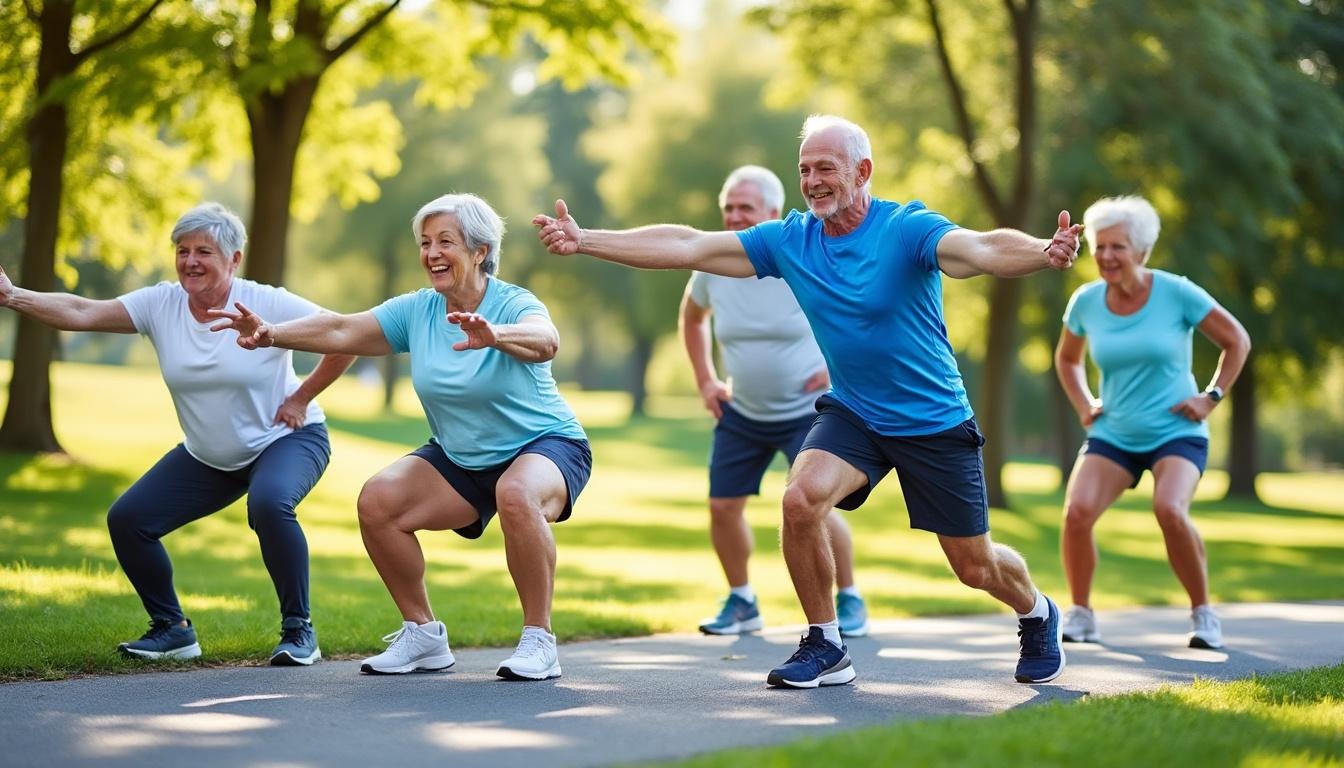
Maintaining bone strength as you age hinges significantly on engaging in the right types of physical activity. Not all exercises are created equal when it comes to preserving and building bone density. The most beneficial exercises are weight-bearing and resistance training activities that cause bones to respond to stress by remodeling and reinforcing their structure.
Weight-bearing exercises include walking, jogging, stair climbing, and dancing—activities that force your body to work against gravity. Resistance training involves lifting weights or utilizing resistance bands, which strengthens both muscles and the underlying bones that they support. Dr. Haris Uzair emphasizes that strengthening muscles directly benefits bones, as stronger muscles provide greater mechanical stimulation to the skeletal system, promoting bone remodeling and deliverance of essential nutrients via improved circulation.
- Walking or Jogging: Easy to incorporate daily and effective for all ages.
- Stair Climbing: Enhances leg strength and stimulates bone formation in lower extremities.
- Weight Lifting and Resistance Bands: Specifically target bones prone to osteoporosis such as hips and spine.
- Dancing: Combines weight-bearing with coordination, providing additional balance benefits.
- Balance and Flexibility Exercises: Reduces risk of falls, indirectly protecting bones from fractures.
Beyond just strengthening, these activities improve overall mobility and balance, which is crucial for preventing falls. Individuals who stay active reduce their risk of osteoporosis-related fractures while enhancing their capacity to AgeWell with independence and vitality.
| Exercise Type | Effect on Bone Health | Muscle Groups Targeted | Recommended Frequency |
|---|---|---|---|
| Walking | Improves bone formation and density in lower limbs | Legs, hips | 30 minutes daily |
| Resistance Training | Increases bone mass in weight-bearing bones | Multiple major muscle groups | 2-3 times weekly |
| Stair Climbing | Stimulates bone remodeling in hips and legs | Legs, glutes | 15-20 minutes daily |
| Dancing | Enhances bone density and balance | Full body coordination | 2-3 times weekly |
| Balance Exercises | Reduces fall risk | Core, legs | Daily |
Incorporating these exercises into your routine aids in supporting the structural integrity of bones over time. Furthermore, products like OsteoGuard and BoneBoost can complement these physical activities by ensuring your body receives the essential minerals and nutrients it needs for bone strength.

Nutrition Strategies to Build and Maintain Bone Density Effectively
One cannot discuss preserving bone strength without highlighting the critical role of nutrition. Bones require a steady supply of minerals, vitamins, and balanced macronutrients to remain resilient. Among these, calcium and vitamin D stand out as primary contributors to bone health, facilitating both the mineralization process and calcium absorption.
Products such as CalciumPlus and NutriCal have emerged as popular supplemental options to help fill dietary gaps. However, a well-rounded diet remains essential and should include a variety of nutrient-dense foods that contribute not only calcium and vitamin D but also magnesium, vitamin K, and protein, all important for maintaining a StrongHold over bone integrity.
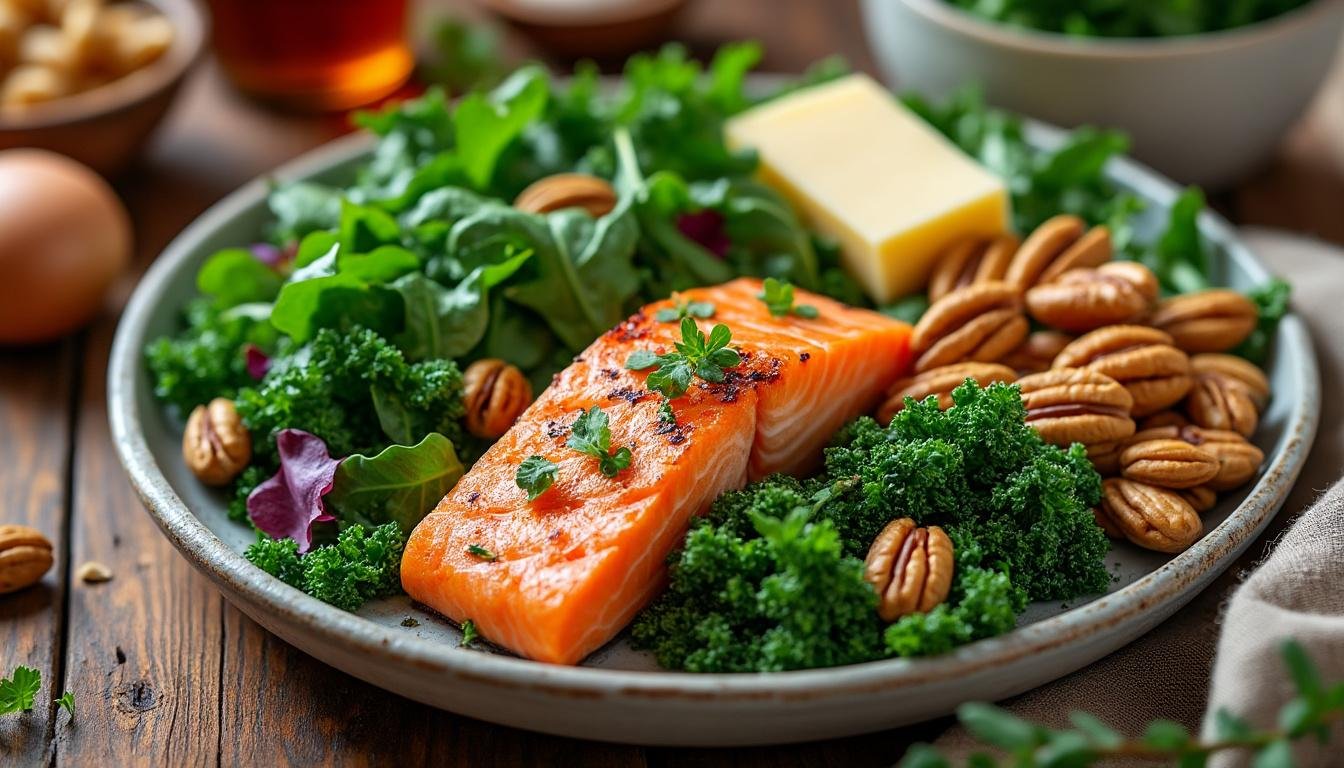
- Calcium-Rich Foods: Dairy products, leafy greens like kale and spinach, and fortified plant-based milks.
- Vitamin D Sources: Fatty fish (salmon, mackerel), egg yolks, and exposure to sunlight.
- Magnesium-Rich Foods: Nuts, seeds, whole grains, and legumes aid in calcium metabolism.
- Vitamin K: Leafy green vegetables promote bone mineralization.
- Protein: Necessary for collagen matrix formation within bones.
A particularly interesting approach for 2025 and beyond involves combining diet and supplementation by selecting products that integrate essential nutrients synergistically and are backed by scientific research. Such products include FlexiBone and VitalOsteo, which focus on enhancing bone flexibility and regeneration respectively, two critical aspects often neglected in traditional bone care regimens.
| Nutrient | Role in Bone Health | Best Food Sources | Recommended Daily Intake |
|---|---|---|---|
| Calcium | Bone mineralization and strength | Dairy, fortified plant-based milk, kale | 1,000-1,200 mg |
| Vitamin D | Enhances calcium absorption | Fatty fish, egg yolks, sunlight | 600-800 IU |
| Magnesium | Supports bone structure and calcium metabolism | Nuts, seeds, legumes | 310-420 mg |
| Vitamin K | Assists in bone mineralization | Leafy greens, broccoli | 90-120 mcg |
| Protein | Collagen matrix formation | Lean meats, beans, dairy | 46-56 g |
Integrating these nutrition strategies promotes robust bones throughout your life’s stages. For more detailed dietary guidance on keeping bones healthy, reputable sources such as Cleveland Clinic provide extensive resources. Additionally, pairing dietary efforts with regular screenings and physician consultations ensures that bone health is monitored effectively and adjusted as needed.
Screening, Early Detection, and Medical Interventions for Bone Health
As bones age, their density and structural integrity often decline, sometimes subtly before significant damage such as fractures occur. Osteoporosis, characterized by low bone mass and deteriorated bone tissue, affects nearly 1 in 5 women and 1 in 20 men over 50. Regular screening and early detection remain vital elements in effectively preserving bone strength and mobility.
The Centers for Disease Control and Prevention recommend that screening for osteoporosis begin at age 65 for women and 70 for men, though earlier assessments are advisable for individuals with pertinent risk factors such as family history of osteoporosis, previous fractures from minor falls, or prolonged corticosteroid use. Early diagnosis opens avenues for adopting lifestyle modifications and medications to slow the disease progression.
- Bone Density Testing: Dual-energy X-ray absorptiometry (DEXA) scans are the gold standard.
- Risk Factor Assessment: Family history, nutrition, physical activity, and medication use.
- Medication Management: Including bisphosphonates and newer agents designed to enhance bone formation.
- Continuous Monitoring: Periodic reassessment as bones respond to treatments and lifestyle changes.
- Patient Education: Empowering individuals with knowledge for collaborative care.
Dr. Uzair stresses, “Age is not a reason to limit your mobility, balance, or work to improve your bone health.” With advances in bone health therapies such as OsteoGuard and StrongHold, patients can often improve their condition and prevent debilitating fractures. Collaborating closely with healthcare providers ensures personalized care tailored to individual needs and lifestyles.
| Screening Component | Purpose | Recommended Age/Condition | Typical Outcome |
|---|---|---|---|
| DEXA Scan | Measure bone mineral density | Women 65+, Men 70+, earlier if risk factors present | Diagnose osteoporosis or low bone mass |
| Fracture Risk Assessment | Evaluate likelihood of future fractures | All ages with risk factors | Guide treatment decisions |
| Medication Review | Assess bone health medications | At diagnosis and periodically thereafter | Optimize bone strengthening regimen |
| Lifestyle Assessment | Identify changes needed to improve bone health | At diagnosis and follow-ups | Adjustments in diet, exercise, and habits |

How Lifestyle Choices Influence Long-Term Bone Health
Beyond exercise and nutrition, daily lifestyle decisions significantly impact bone preservation. Smoking cessation, moderation in alcohol consumption, and maintaining a healthy weight contribute to stronger, more resilient bones. Chronic smoking, for example, has been shown to reduce calcium absorption and impair bone remodeling, accelerating bone loss. Similarly, excessive alcohol intake interferes with the balance of calcium and vitamin D.
Conversely, engaging in social activities that promote physical movement and mental wellness enhance bone density indirectly through improved hormonal balance and muscle function. Products like VitalOsteo support bone matrix repair and flexibility, encouraging active participation in fitness and hobbies.
- Quit Smoking: Enhances calcium absorption and bone rebuilding.
- Limit Alcohol Intake: Avoid negative impact on nutrient metabolism.
- Maintain Healthy Weight: Excess weight stresses joints, but being underweight increases fracture risks.
- Manage Stress: Chronic stress releases cortisol, which can degrade bone density.
- Stay Socially and Physically Active: Encourages regular exercise and cognitive health.
Holistic bone wellness also involves prudent preventive healthcare checks. As outlined in LiveWell Magazine, regular blood work to monitor vitamin D levels and calcium balance, alongside lifestyle evaluations, can pinpoint early concerns before symptoms manifest. Making these choices results in a StrongHold on your HealthyBones, reducing risks associated with aging.
| Lifestyle Factor | Impact on Bone Health | Recommended Action | Expected Benefit |
|---|---|---|---|
| Smoking | Decreased calcium absorption, bone loss | Quit completely | Improved bone remodeling |
| Alcohol | Interferes with nutrient metabolism | Limit to moderate intake | Enhanced nutrient effectiveness |
| Body Weight | Low weight increases fracture risk; high weight stresses joints | Maintain healthy BMI | Balanced bone load and joint health |
| Stress Management | High cortisol degrades bone density | Practice relaxation techniques | Preservation of bone mass |
| Social Activity | Encourages physical movement and mental wellness | Engage regularly | Holistic bone and mental health |


Technological Innovations and Supplement Trends Shaping Bone Care in 2025
The landscape of bone health management is evolving rapidly thanks to technological and nutritional advancements. Digital tools now help individuals track their physical activity, nutrition, and even bone density progress, providing personalized recommendations that align with one’s health goals. These innovations, alongside targeted supplements tailored for better absorption and efficacy, are redefining how we care for our skeletal system.
Among trending supplements, BoneBoost and StrongHold emphasize bioavailable forms of calcium, vitamin D, and collagen-supporting nutrients. FlexiBone products complement this by fostering joint and bone flexibility, allowing for continued mobility and reduced injury risk. Furthermore, medical devices using vibration therapy and electrical muscle stimulation have shown promising results in enhancing bone remodeling and strength.
- Wearable Trackers: Monitor weight-bearing activity and vitamin D exposure.
- Advanced Bone Density Scans: Provide more precise data for early intervention.
- Targeted Supplements: BoneBoost, FlexiBone deliver synergistic nutrients for comprehensive care.
- Therapeutic Devices: Vibration plates and electrical stimulation promote bone regeneration.
- Personalized Health Apps: Custom plans integrating exercise, nutrition, and medication adherence.
Combining modern technology with tried-and-true methods empowers individuals to create tailored strategies for maintaining strong, flexible, and resilient bones. For deeper insights into these emerging trends, resources like LTC News provide extensive guidance, keeping users informed on the latest bone care innovations.
| Innovation | Description | Benefit | Availability |
|---|---|---|---|
| Wearable Bone Health Trackers | Monitor daily weight-bearing and sun exposure | Encourages consistent bone-strengthening activities | Commercially available |
| Advanced Imaging Techniques | High-resolution bone density scans | Improved diagnostic accuracy | Hospital and clinic-based |
| BoneBoost Supplement | Synergistic blend of calcium, vitamin D, and collagen support | Supports mineralization and bone resiliency | Widely available |
| Vibration Therapy Devices | Enhances bone remodeling through mechanical stimulation | Improves bone density and strength | Increasingly accessible |
| Personalized Health Apps | Integrates lifestyle data and provides tailored recommendations | Facilitates holistic bone health management | Available for smartphones |
Frequently Asked Questions About Maintaining Bone Strength
- Q: What is the best exercise to strengthen bones as I age?
A: Weight-bearing exercises like walking or stair climbing combined with resistance training such as weight lifting are most effective for maintaining and improving bone density. - Q: How much calcium do I need daily to preserve bone health?
A: Adults generally require 1,000 to 1,200 mg of calcium daily, obtainable through diet or supplements like CalciumPlus for best results. - Q: When should I begin screening for osteoporosis?
A: Screening is recommended starting at age 65 for women and 70 for men, or earlier if you have risk factors like family history or previous fractures. - Q: Can lifestyle changes really reverse bone loss?
A: While some bone loss cannot be entirely reversed, lifestyle changes including exercise, nutrition, and medical management can slow progression and improve bone strength. - Q: Are supplements necessary to maintain healthy bones?
A: Supplements like NutriCal or FlexiBone can help fill nutrient gaps but work best when combined with a balanced diet and regular physical activity.