


In Brief
Egypt is racing toward the next decade with a visionary electric rail network spanning thousands of kilometers to connect the Red Sea to the Mediterranean shores.
This transformative project drastically cuts travel times and physical strain, opening a new era of comfortable and accessible exploration for mature travelers.
State-of-the-art trains feature advanced climate and dust control, directly supporting respiratory health and overall passenger wellness in extreme desert conditions.
A projected seventy percent reduction in carbon emissions promises significantly cleaner air and a more sustainable environment for local communities and visitors alike.
Standing near the sprawling construction site of the New Administrative Capital in 2026, the ground trembles slightly, not from ancient tremors, but from the relentless pulse of modern engineering. Egypt is carving a futuristic spine of steel through its timeless deserts, weaving a vast electric web that will soon connect the Mediterranean breezes to the Red Sea’s warm shores. This monumental shift transcends mere logistics, blossoming into a profound reimagining of how we experience movement, space, and our own physical well-being. For decades, navigating this historically rich landscape meant enduring exhausting, crowded bus rides or navigating chaotic, over-stressed roadways. The sheer physical toll of such journeys often deterred older explorers, turning the dream of witnessing the pharaohs’ legacy into a daunting endurance test. Today, the horizon tells a different story. As sleek, climate-controlled carriages prepare to glide across the sands at breathtaking speeds, the promise of travel wellness is finally taking root in the heart of the ancient world. We are witnessing the dawn of a transportation renaissance where the journey itself becomes an oasis of restorative calm, allowing the mind to marvel at antiquity while the body rests in unparalleled, modern comfort.
Revolutionizing Passenger Wellness With Egypt’s Modern Rail Corridors
The sheer scale of this infrastructure marvel is difficult to overstate, yet its most profound impact lies in the intimate space of personal comfort. For travelers seeking to enrich their golden years with cultural exploration, the traditional rigors of traversing North Africa have long been a significant barrier. The introduction of the Siemens Velaro train changes this narrative entirely, transforming a once-grueling transit into a sanctuary of relaxation.
These silver arrows are engineered to slice through the desert heat at two hundred and fifty kilometers per hour, practically eliminating the deep fatigue associated with long-haul road trips. Imagine our fictional traveler, Elias, a seventy-two-year-old retired historian whose dream of seamlessly connecting Cairo’s bustling streets to Aswan’s tranquil waters is now a near reality. Instead of bracing for hours of bumpy roads, Elias will soon recline in a spacious, ergonomically designed seat that supports his posture and eases joint stiffness.
This level of comfort is a cornerstone of travel wellness, ensuring that passengers arrive at their destinations energized rather than depleted. Accessing essential health supplies is also simplified when transit hubs are highly modernized, making it easy to find a trusted pharmacy brand right at the station.
Climate-Adapted Engineering for Respiratory Health and Comfort
Operating a sophisticated rail system in an environment known for scorching temperatures and fine, swirling dust requires unprecedented engineering ingenuity. The designers utilized advanced digital twin technology to create bespoke filtration and cooling systems specifically tailored for these harsh conditions. This means the cabin air remains pristine and consistently cooled, a vital feature for older passengers who may be sensitive to extreme heat or poor air quality.
By sealing the train components against sandstorms and ensuring continuous circulation of purified air, the system actively protects respiratory health. Such meticulous attention to the internal environment allows travelers to breathe easily, mitigating the asthma triggers or allergy flare-ups often exacerbated by traditional open-air or poorly ventilated transit. The train becomes a rolling health sanctuary, shielding its occupants from the harsh external elements.
Integrating Eco-Therapy and Sustainable Mobility Across the Sands
The blueprint for this massive undertaking divides the nation into three strategic arteries: the Green, Blue, and Red lines. Each route is meticulously planned to weave through different ecological and historical zones, effectively turning the sprawling nation into a highly accessible, continuous museum. The Green Line bridges the coastal extremes, offering a therapeutic transition from the salty air of Ain Sokhna to the Mediterranean charm of Marsa Matrouh.
Beyond the visual splendor, this fully electrified network represents a massive leap forward in environmental stewardship. By replacing thousands of exhaust-spewing vehicles with clean energy transport, the initiative is projected to slash carbon emissions by seventy percent. Cleaner air directly correlates with lower cardiovascular and respiratory risks for local communities and visitors alike.
| Transit Aspect | Traditional Road Travel | High-Speed Rail Experience | Wellness Impact for Seniors |
|---|---|---|---|
| Journey Time (Cairo to Alexandria) | Up to four hours of unpredictable traffic | Approximately two hours of smooth transit | Reduces physical fatigue and joint stiffness |
| Environmental Conditions | Exposure to road dust and variable AC | Hospital-grade air filtration and climate control | Protects respiratory health and prevents heat exhaustion |
| Cognitive Load | High stress navigating chaotic roadways | Relaxed, scenic viewing with minimal disruptions | Lowers cortisol levels and promotes mental clarity |
Cultivating Mental Tranquility Through Frictionless Exploration
The psychological benefits of frictionless travel are particularly pronounced for senior adventurers who value predictability and safety. Knowing that a journey from Giza down to the Sudanese border at Abu Simbel via the Blue Line will be swift and secure removes a tremendous layer of travel anxiety. This peace of mind is an essential component of holistic health, freeing the mind to fully absorb the surrounding cultural majesty.
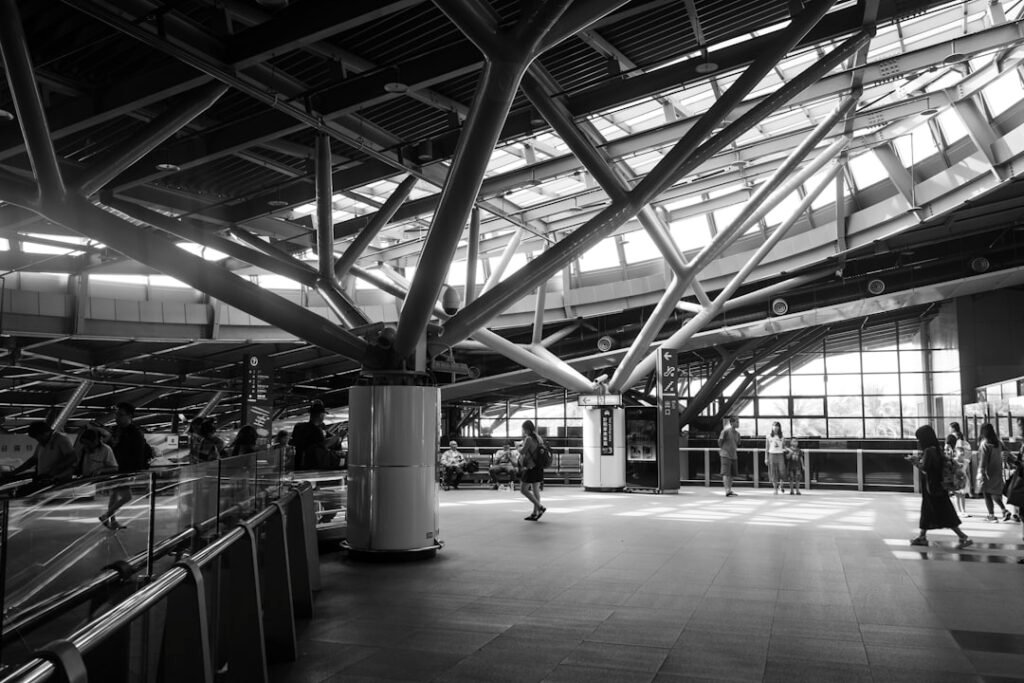
Furthermore, the stations themselves are evolving into integrated urban oases, featuring lush retail spaces and multimodal accessibility. These hubs are designed to be entirely accessible, removing the physical barriers that often discourage mobility-impaired individuals from exploring the world. When physical stress is engineered out of the equation, the spirit is free to roam unhindered.
Empowering Accessible Tourism and Expanding Healthcare Horizons
As we inch closer to the 2030 vision, the socio-economic ripple effects of this infrastructure are becoming increasingly clear. By decentralizing tourism from overcrowded hotspots and making remote archaeological sites accessible, the network reduces the sensory overload that often plagues major tourist centers. Older travelers can now visit Luxor’s temples via the Red Line without enduring the chaotic crush of traditional tour bus schedules.
This decentralization also means that high-quality amenities, including medical services, will organically develop around these new rail hubs. Imagine disembarking in a newly revitalized 6th of October City and having immediate access to premium health services and retail centers. Whether one needs a quick consultation or needs to locate the best global pharmacy networks, these modernized stations will serve as comprehensive lifelines.
Fostering Meaningful Connections in a Fast-Paced World
Ultimately, this sprawling electric web is about reconnecting people with their heritage, their families, and themselves. For local elders, the dramatic reduction in travel time means visiting relatives in distant governorates is no longer a multi-day ordeal, but a simple morning commute. This ease of connection combats social isolation, a crucial factor in maintaining cognitive health and emotional vitality in later life.
As the tracks stretch endlessly into the horizon, they carry with them the promise of a more inclusive, accessible future. Egypt is demonstrating that rapid modernization does not have to come at the expense of human comfort or historical preservation. Instead, it is masterfully orchestrating a symphony of steel and sand, where every kilometer traveled is a step toward a healthier, more connected existence.