In 2025, the pursuit of a healthier home has become synonymous with embracing eco-friendly habits. As environmental concerns intensify, more individuals are discovering that simple swaps in their everyday lives can profoundly reduce their ecological footprint while enhancing personal well-being. Transitioning to sustainable alternatives—from the kitchen to the bedroom—now offers a dual benefit: protecting our planet and nurturing a toxin-free environment that supports better health. The movement towards eco-conscious living champions products and routines free from harsh chemicals, excessive waste, and synthetic pollutants, aligning seamlessly with the principles advocated by brands like Seventh Generation, Method, and Mrs. Meyer’s Clean Day. Whether it’s replacing single-use plastics with reusable solutions or opting for biodegradable personal care items, these practical swaps are shaping a new standard for mindful living.
Scientific insights strengthen the case for integrating plant-based proteins, homemade meals, and sustainable cleaning supplies into daily life, not only to curb environmental damage but also to foster a healthier household atmosphere. The amalgamation of eco-friendly choices—such as shifting from beef to lentils, or from plastic wraps to beeswax wraps—paves a path toward a sustainable future without sacrificing convenience or comfort. This guide explores a variety of actionable swaps that empower you to transform your home into a sanctuary of environmental stewardship and well-being, tapping into innovations and trusted solutions from brands like EcoTools and Biokleen. Adopting these practices allows every household to play an active role in promoting sustainability and reducing toxins, proving that every small change counts in 2025 and beyond.
Eco-Friendly Kitchen and Food Swaps to Lower Your Environmental Impact
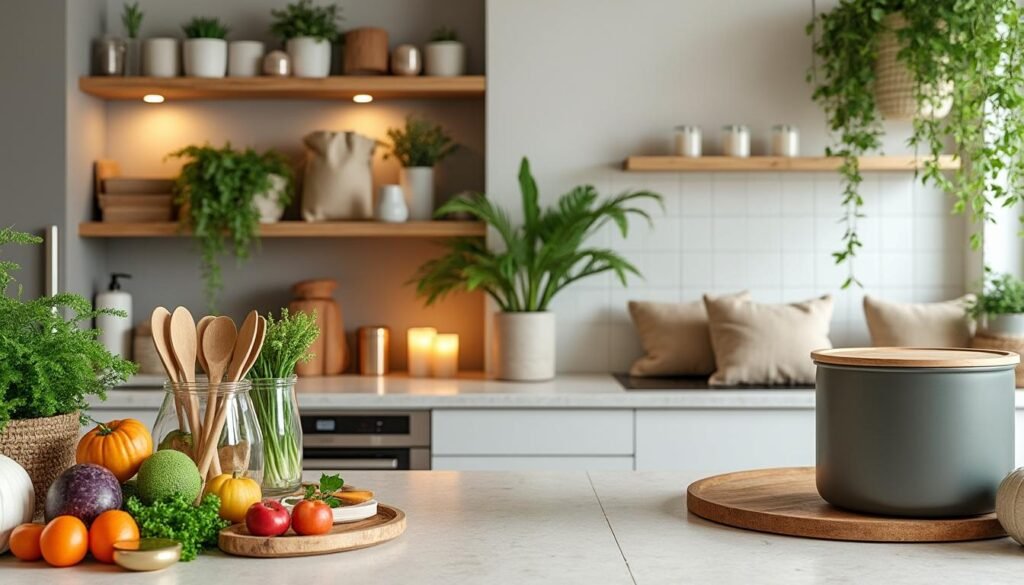
The kitchen is often the most impactful space for implementing eco-friendly changes. Simple shifts can drastically reduce waste and promote healthier eating habits.
- Swap beef for plant-based proteins: Incorporate beans, lentils, and tofu into your meals. These alternatives have significantly lower greenhouse gas emissions and support heart health, according to recent nutrition research.
- Cook homemade meals over takeout: This reduces packaging waste and controls ingredients, leading to healthier choices with less preservatives.
- Compost food scraps: Starting a compost bin transforms kitchen waste into nutrient-rich soil, decreasing landfill contributions and enhancing your garden’s health.
- Use sustainable food storage: Replace plastic wraps with beeswax wraps or opt for glass containers to keep food fresh longer and reduce plastic pollution.
- Choose eco-friendly household paper products: Brands like Reel Paper offer bamboo toilet paper and recycled towels free from plastic packaging, combining sustainability with high quality.
By embracing these kitchen swaps, you not only lessen your carbon footprint but also cultivate a cleaner, safer environment for your family. For further ideas on sustainable home swaps, visit this guide.

Green Cleaning Products That Protect Your Home’s Air Quality
Replacing traditional cleaning agents with greener alternatives helps reduce toxic exposure and plastic waste inside your home. Brands such as Biokleen, Ecover, and Seventh Generation provide formulations free of synthetic fragrances and harmful chemicals.
- Refillable cleaning bottles reduce plastic consumption and toxic indoor pollutants.
- DIY cleaning supplies made from natural ingredients like vinegar, baking soda, and essential oils offer effective and healthy alternatives.
- Natural cleaning tools such as wooden brushes and EcoTools loofahs replace plastic versions and are biodegradable.
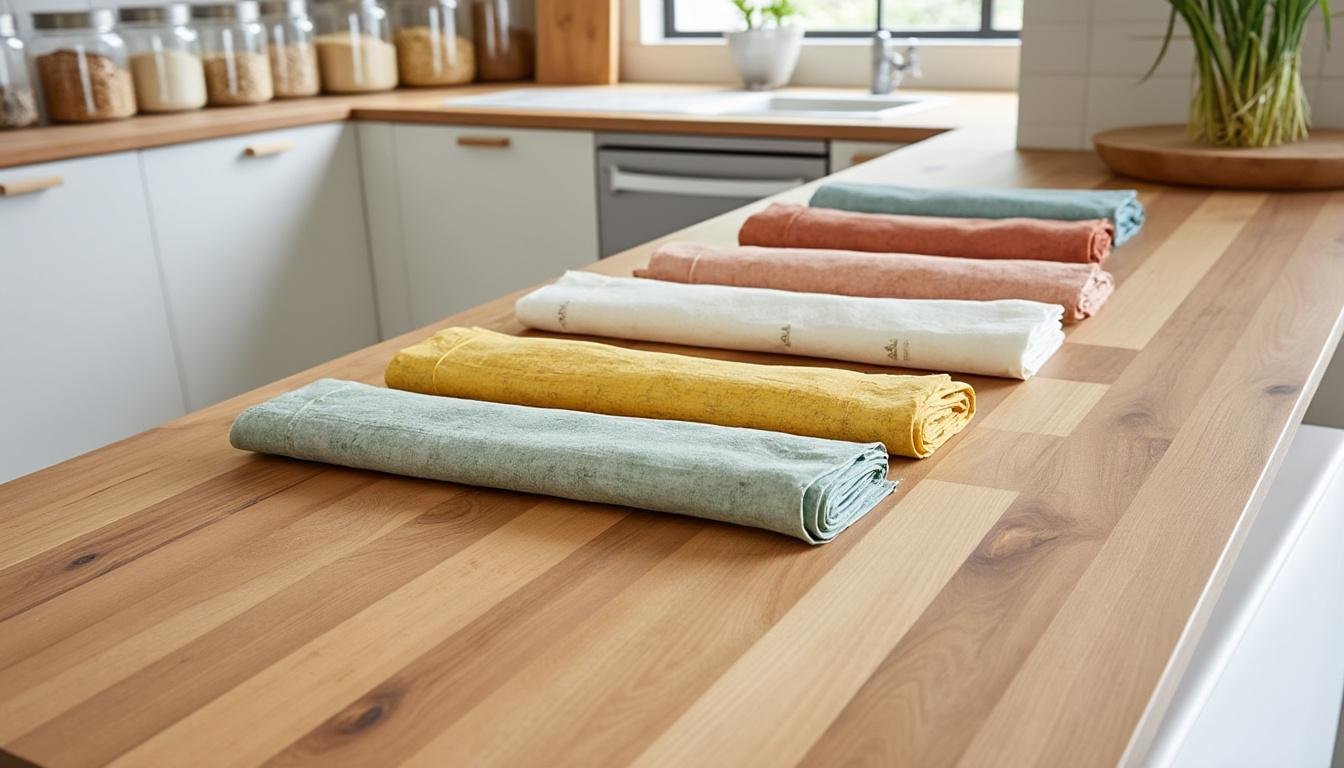
- Reusable cloths from bamboo or organic cotton are alternatives to paper towels, enabling durability and minimal waste.
- Wool dryer balls replace synthetic dryer sheets, reducing static without single-use waste.
Switching to these eco-conscious cleaning strategies improves indoor air quality, crucial for respiratory health, while also aligning your home with environmental responsibility. Discover more about eco-friendly cleaning solutions at Live Well Magazine.
Sustainable Personal Care and Laundry Swaps to Elevate Wellbeing
Your personal care routine and laundry practices can greatly impact both health and sustainability. By adopting biodegradable and plant-based products, you reduce exposure to toxins and limit environmental harm.
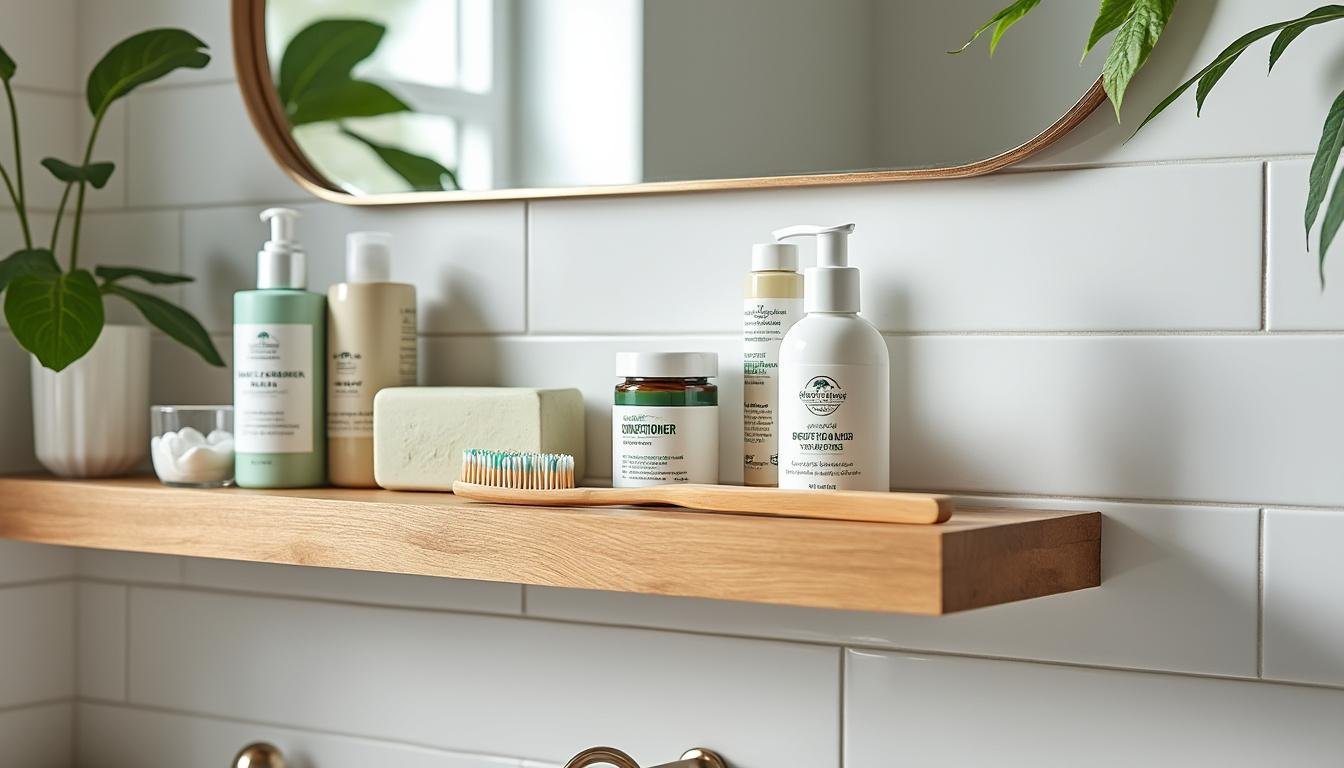
- Switch to bamboo toothbrushes for a biodegradable alternative to plastic brushes, supporting oral health with less waste.
- Use biodegradable personal care items such as shampoo bars from Dr. Bronner’s and reusable cotton pads, eliminating plastic packaging.
- Choose eco-friendly laundry detergents from brands like Earth Friendly Products that use plant-based ingredients and recyclable packaging.
- Sustainable period products including menstrual cups or organic cotton tampons reduce waste and exposure to chemicals.
- Opt for eco-friendly bedding made from organic cotton or bamboo fibers for comfort and hypoallergenic benefits, with certifications like GOTS ensuring environmental standards.
Integrating these swaps offers a smarter, greener approach to health that aligns with the latest research connecting sustainable living with enhanced immune function and happiness. For additional insights, explore this article on sustainable living and immunity.
Reducing Waste and Embracing Circular Economy Through Thoughtful Purchasing
Choosing to buy secondhand and investing in durable products not only cuts down waste but also conserves resources and energy involved in manufacturing. Embracing this mindset contributes to a circular economy, empowering every home to make an impactful difference.
- Shop secondhand for clothing and household goods, which extends product lifespans and lowers emissions linked with production.
- Invest in quality, durable items that come with warranties and ethical certifications, which reduce the frequency of replacements and landfill waste.
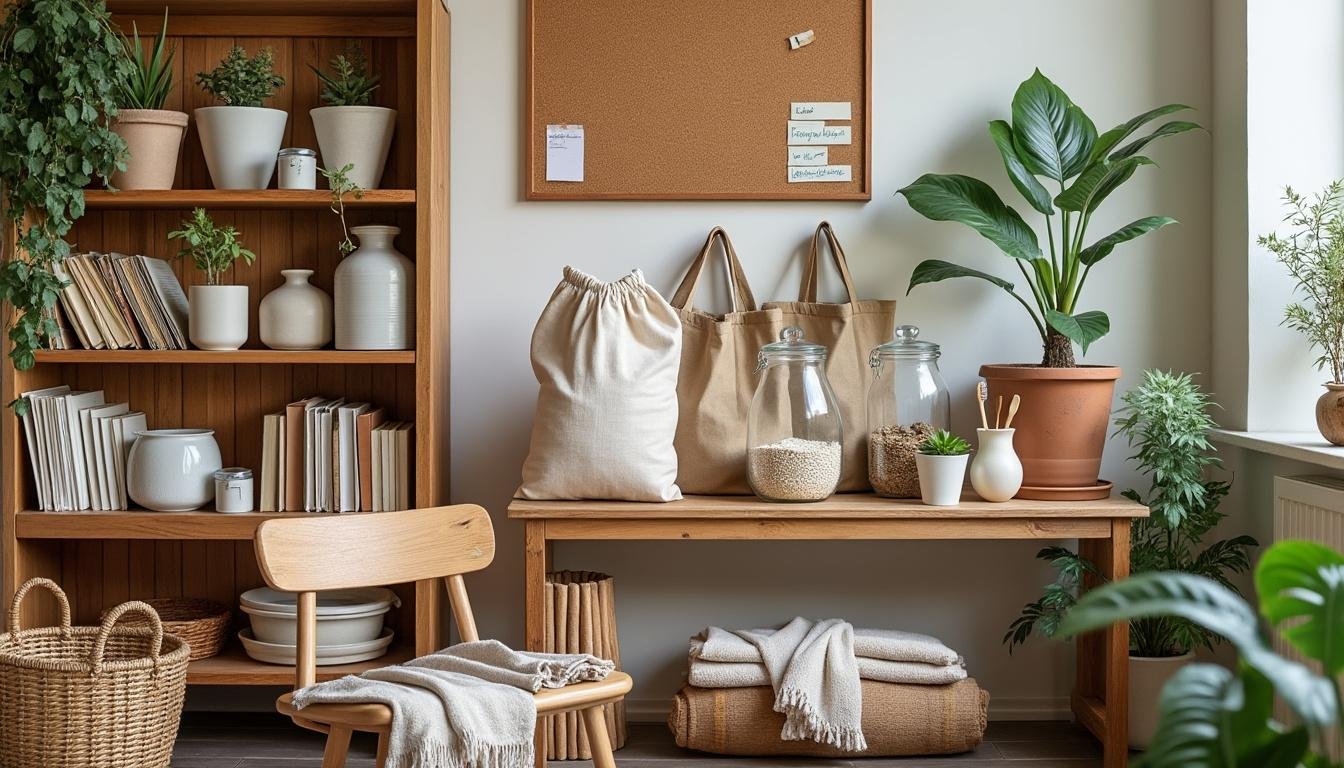
- Assemble zero-waste kits with reusable water bottles, cloth napkins, and produce bags to eliminate single-use plastics.
- Recycle in every room by placing dedicated bins and customizing them according to local recycling policies to maximize waste diversion.
- Choose experiences over material gifts to reduce waste while creating meaningful memories.
These conscious choices align with sustainability goals and enhance household health by minimizing clutter and harmful chemical exposure. Learn more about these lifestyle strategies at Gentwenty’s guide to sustainable products.