


In Brief:
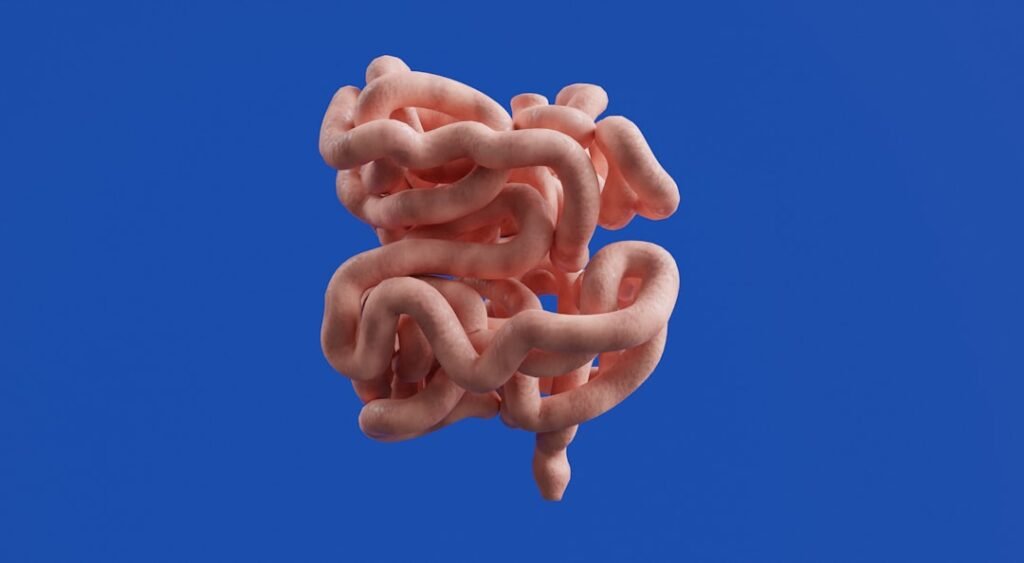
Removing spirits from your daily routine drastically alters the microbiome ecosystem, bringing unexpected shifts to your bathroom schedule.
While the absence of evening wine may initially cause temporary sluggishness in the gut, hydration and fiber act as the perfect remedy to keep things moving.
Long-term benefits stretch far beyond a single winter month, revitalizing cellular vitality and stabilizing blood sugar levels for a serene aging process.
The winter frost of 2026 paints delicate patterns on the windowpanes, mirroring the complex, silent rhythms occurring deep within our own bodies. When the festive season concludes, leaving behind a trail of rich gravies and hearty evening wines, a sudden pause in drinking sends a profound shockwave through the delicate ecosystem of the stomach and intestines.
For many navigating their golden years, the transition away from daily spirits is not merely a test of willpower but a profound reshaping of their internal symphony. Arthur, a retired architect who spent decades unwinding with a generous pour of scotch, recently discovered that halting his intake did more than clear his morning fog.
It initiated a microscopic rebellion in his digestive tract, altering everything from nutrient absorption to his daily schedule. This period of recalibration offers a fascinating glimpse into the resilience of human biology. Taking a break from libations allows the intestinal lining to repair, shedding the inflammatory burden accumulated over years of habitual indulgence.
The Intricate Dance Between Alcohol And Gut Motility
When the steady stream of evening spirits suddenly runs dry, the gastrointestinal tract must learn a new choreography. Alcohol acts as both a stimulant and an irritant to the stomach lining, often accelerating the passage of food and leading to unpredictable morning habits.
Removing this fiery catalyst means the digestive system slows down, attempting to find its natural, unassisted pace. During the first few weeks, this sudden tranquility might feel suspiciously like sluggishness as the intestines recalibrate their muscular contractions.
It is perfectly normal for the body to experience a temporary slowdown as it learns to operate without the artificial rush of fermented sugars. Drinking plenty of water becomes a vital act of nourishment during this transition to encourage a peaceful flow.
How The Liver Regains Its Natural Tempo
The liver acts as the tireless maestro of our internal chemistry, processing decades of celebrations, heartaches, and quiet evening toasts. When relieved of its duty to metabolize toxins, it begins a miraculous process of cellular renewal.
Eminent researchers like Dr. Gautam Mehta have observed that a month of abstinence allows this vital organ to shed excess weight, dramatically lowering the risk of metabolic imbalances. A rested liver produces bile more efficiently, which in turn harmonizes the breakdown of dietary fats.
This hepatic revival cascades downward, smoothing the digestive journey and ensuring that nutrients are harvested with newfound precision. Opting for nourishing organic meals further amplifies this healing phase, turning a simple dietary choice into a profound act of self-care.
Mapping A Year-Round Path To Internal Harmony
Viewing a single month of abstinence as a magical cure often leads to the treacherous waters of overindulgence once the calendar turns. The sudden return of heavy drinking can shock a newly sensitive digestive system, undoing weeks of meticulous cellular repair.
Instead of enduring a rigid period of deprivation followed by reckless abandon, embracing a mindful approach to evening rituals offers sustainable peace. Medical professionals like Dr. Neeral Shah advocate for observing our internal triggers to understand our cravings.
Are we reaching for that familiar glass out of genuine desire, or is it merely an echo of a bygone routine? Cultivating a mindful rhythm means replacing thoughtless pours with intentional actions, perhaps substituting a heavy stout with a complex, sparkling botanical brew.
Embracing New Evening Rituals Without The Spirits
The psychological void left by an absent evening drink often requires creative and fulfilling substitutions to prevent feelings of isolation. Engaging the hands and mind in new endeavors, such as crafting intricate culinary boards or baking delicate pastries, occupies the senses beautifully.
These newfound passions not only distract the mind but also provide the stomach with gentle, comforting nourishment rather than acidic irritation. By consciously harmonizing daily habits with natural bodily cycles, the desire for artificial relaxation naturally fades away.
The true victory of this dry period lies not in rigid denial, but in discovering a brighter, more vibrant state of living. Ultimately, a calm digestive tract leads to deeper rest, sharper thoughts, and a renewed appetite for the simple joys of life.
| Timeframe Without Spirits | Digestive And Biological Shifts | Recommended Supportive Action |
|---|---|---|
| The First Week | Intestinal lining begins shedding inflammation, causing potential transit changes. | Increase water intake and consume gentle, fibrous vegetables. |
| Week Two To Three | Hepatic enzymes stabilize, improving nutrient absorption and fat breakdown. | Incorporate light physical activity to encourage gut motility. |
| One Month And Beyond | Deep cellular repair takes hold, providing sustained energy and stable blood sugar. | Maintain mindful moderation and explore creative beverage alternatives. |
Every small adjustment in our daily consumption sends ripples of vitality throughout the entire bodily system. Honoring this gentle transformation paves the way for a remarkably resilient and joyous chapter of life.