



Understanding the Science Behind Daily Water Intake for Optimal Health
Water is fundamental to human life and maintaining optimal health, yet the question of how much daily water intake one actually needs remains a topic of discussion among dietitians and health experts in 2026. Numerous factors influence your ideal water consumption, including age, sex, physical activity, climate, and health conditions, all of which dietitians emphasize when designing personalized hydration guidelines.
Hydration is vital for nearly every bodily function. Water regulates body temperature, transports nutrients, supports digestion, and maintains cellular health. According to the U.S. National Academies of Sciences, Engineering, and Medicine, women generally require about 11.5 cups (2.7 liters) and men about 15.5 cups (3.7 liters) of fluids daily from all sources—including food and beverages.
What makes hydration complex is that approximately 20% of our daily fluid intake typically comes from water-rich foods such as fruits and vegetables. Therefore, simply tracking the water you drink isn’t sufficient; understanding your entire diet and lifestyle is crucial for hitting sufficient hydration targets. For instance, someone living in a humid environment or engaging in rigorous physical activity will require more fluids to replace sweat losses, which can range from 1 to 3 liters per hour during intense exercise.
Experts continue to move beyond the “8 glasses a day” rule, encouraging a more individualized approach. Some nutritionists suggest drinking about half your body weight in ounces of water, while others prioritize thirst cues and urine color as practical indicators of hydration status. Combining these strategies with expert nutrition advice can help tailor daily hydration needs more effectively, supporting a healthy lifestyle over the long term. For more detailed health guidelines, you can refer to Daily water intake recommendations.
Ultimately, the key takeaway from dietitians today is that while general guidelines provide a foundation, listening to your body and adjusting your water intake according to your unique circumstances leads to optimal health outcomes.


Key Health Benefits Linked to Consistent Hydration
Daily hydration yields profound benefits impacting various aspects of wellness, beyond merely quenching thirst. Dietitians underscore its importance for physical performance, cognitive function, digestion, and skin health, among other systems.
Enhancing Physical Performance and Recovery
During physical activity, water helps regulate body temperature and prevents dehydration, which can significantly impair performance. Even mild dehydration leads to fatigue, decreased endurance, and increased risk of heat-related illnesses. For athletes or individuals exercising rigorously, water consumption becomes crucial to replenish fluid lost through sweat. Proper hydration aids in muscle contraction and joint lubrication, thus supporting prompt recovery and reducing injury risks.
Consider an athlete who loses approximately 2 liters of sweat in an hour-long intense workout session. Replacing this fluid loss by drinking water and consuming electrolyte-rich fluids is essential to maintain optimal performance the next day, highlighting why hydration cannot be overlooked in active lifestyles.
Supporting Brain Function and Mental Clarity
Water intake is linked closely to cognitive functions. Studies reveal that even a slight decline in hydration levels negatively influences mood, focus, memory, and alertness. Dietitians stress that keeping the brain hydrated maintains mental clarity and can reduce headaches caused by dehydration. Managing hydration can even play a role in managing stress and anxiety, key components of a healthy lifestyle.
Improving Digestion and Nutrient Absorption
Water serves as a facilitator in nutrient digestion and helps dissolve vitamins and minerals for better absorption. It also encourages regular bowel movements by softening stools and lowering the risk of constipation. Poor hydration is often implicated in digestive discomfort and gastrointestinal disorders, which dietitians aim to prevent through appropriate water intake guidance.
Promoting Healthy, Radiant Skin
Hydration plays a vital role in skin health. Well-hydrated skin appears plumper and less dry, with faster regeneration and detoxification processes. While topical skincare products matter, internal hydration supports cellular repair mechanisms that visibly improve skin texture and complexion over time.
By helping flush toxins and waste products from the body, adequate water consumption contributes to clearer and healthier skin, a benefit that dietitians highlight when advising clients on comprehensive wellness and self-care routines.
For deeper insights into how hydration supports overall health, the resource Nutrition and Health Experts Advice offers valuable nutrition advice that aligns well with these findings.
Personalizing Water Intake: Factors Influencing Your Daily Hydration Needs
One of the most challenging aspects of water intake is that hydration needs are not universal. Expert dietitians confirm that a wide range of variables must be considered to determine the right amount of water intake for each person.
Age and Sex Differences
Research shows that men generally require more fluids than women, partly due to differences in body composition and average body size. Older adults, however, face a unique challenge as their thirst sensation may diminish, increasing the risk of dehydration. Those aged 65 and above are encouraged to consciously monitor their fluid intake to stay hydrated despite reduced thirst cues.
Environmental and Climatic Impacts
Individuals living in hot, humid climates or at higher altitudes need to consume more water. Heat increases sweating, which in turn elevates water loss. Similarly, in dry or cold environments, respiratory water loss through breath can be significant. As climate conditions fluctuate, dietitians advocate for adaptable hydration strategies that reflect environmental demands to maintain optimal hydration year-round.
Physical Activity and Lifestyle
Active people and athletes require elevated hydration to replenish fluids lost during exercise. Even moderate daily physical activity can increase water needs substantially. Those with physically demanding jobs should also adjust intake accordingly. The use of hydration calculators and tracking tools is increasingly popular among those striving for precision hydration, allowing tailored recommendations based on activity levels and personal metrics.
Special States: Pregnancy and Breastfeeding
During pregnancy and breastfeeding, fluid requirements increase noticeably to support the developing fetus and milk production. Expert dietitians suggest monitoring water intake carefully during these stages to promote maternal and infant health, often recommending additional 1-1.5 liters of fluids per day depending on individual factors.
In summary, customizing water consumption to meet personal factors is critical. By factoring these variables, dietitians help individuals adopt a sustainable hydration plan embedded in their overall healthy lifestyle strategies.
Practical Hydration Tips to Incorporate Daily for a Healthy Lifestyle
Achieving optimal hydration consistently can seem daunting but dietitians provide actionable hydration tips that make water consumption enjoyable and easy to maintain.
- Carry a Reusable Water Bottle: Keeping water accessible prompts frequent sipping throughout the day, reinforcing hydration habits.
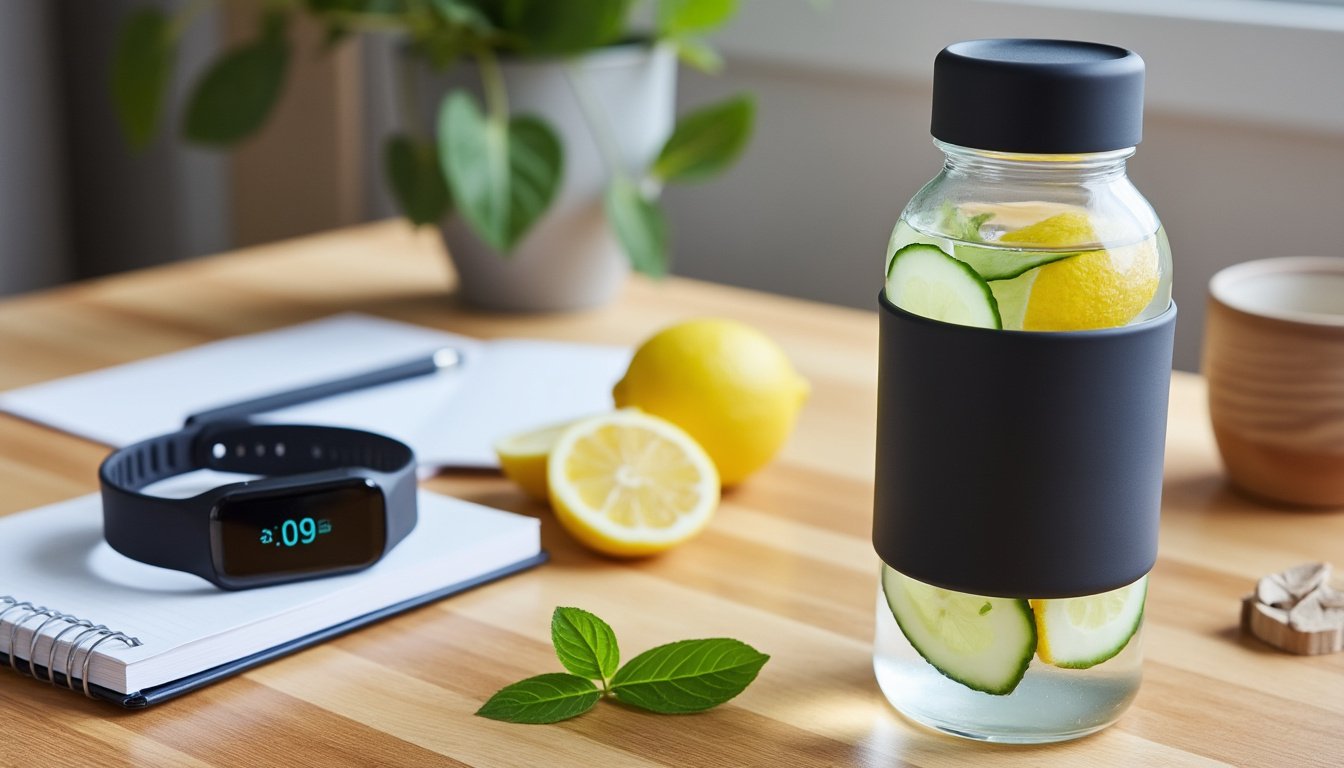
- Infuse Water with Natural Flavors: Adding lemon, cucumber, or mint slices can enhance taste without added sugars, encouraging greater intake.
- Incorporate Water-Rich Foods: Including fruits and vegetables like watermelon, cucumbers, strawberries, and lettuce boosts total water consumption effortlessly.
- Create Flavored Ice Cubes: Freezing pureed fruits or herbs into ice cubes adds variety to plain water, making hydration more appetizing.
- Set Manageable Hydration Goals: Tracking water intake with small milestones—such as finishing a certain amount before lunch—helps build lasting hydration habits.
Alongside these practical steps, it’s essential to remain attentive to your body. Signs like dark urine or thirst indicate the need to increase water consumption immediately. Using hydration calculators and tracking apps can help those interested in precise measurement, particularly in demanding physical routines or heat exposure.
By integrating such strategies, water becomes an enjoyable part of daily routine, enhancing overall wellness. For extensive hydration guidance and wellness insights, expert resources such as Dietitians’ Daily Water Intake Guide offer reliable support.
Monitoring Hydration: Effective Techniques to Track Your Water Intake
Proper monitoring ensures daily hydration aligns with your body’s needs, preventing dehydration and overhydration. Dietitians recommend simple yet effective methods to assess hydration status easily.
Urine Color: One of the most accessible indicators is the color of urine—light yellow indicates healthy hydration, while darker shades suggest the need for more fluids. Clear urine can occasionally indicate overhydration, so balance is important.
Thirst Awareness: Though thirst is a natural trigger to drink, some individuals tend to overlook it, especially older adults. Training oneself to drink regularly before becoming thirsty prevents dehydration.
Using Hydration Trackers: Technology has advanced hydration monitoring, from smartphone apps to smart water bottles that remind users to drink at intervals. These tools provide personalized insights by factoring in activity, weather, and individual variables.
Observing Physical Symptoms: Fatigue, headaches, dry mouth, and dizziness can signal dehydration, prompting immediate water intake.
Implementing consistent tracking combined with awareness enables precise hydration management, an essential element for sustaining a healthy lifestyle into 2026 and beyond.
How much water do dietitians recommend for optimal daily intake?
Most dietitians suggest approximately 11.5 cups (2.7 liters) for women and 15.5 cups (3.7 liters) for men, including fluids from both beverages and food.
What are simple ways to increase daily water intake?
Carrying a reusable water bottle, flavoring water naturally, eating water-rich foods, setting hydration goals, and using technology to remind you are practical strategies to improve water intake.
Can hydration needs change depending on lifestyle?
Absolutely. Physical activity, climate, pregnancy, age, and health conditions are key factors that influence individual hydration requirements.
What are easy signs of dehydration to watch for?
Dark-colored urine, dry mouth, headaches, fatigue, and dizziness are common indicators that suggest you should increase your water consumption.
Is it possible to drink too much water?
Yes, overhydration can dilute essential electrolytes in your body causing hyponatremia. Balanced intake based on your body’s needs is important.