



Incorporating Thanksgiving Into a Balanced Diet Without Sacrificing Enjoyment
Thanksgiving often conjures images of abundant feasts filled with rich, indulgent foods. While in the past, the holiday was sometimes viewed as a nutritional minefield, 2025 perspectives guided by dietitians empower individuals to treat this occasion as a seamless part of a healthy lifestyle. The key lies in mindful eating, portion control, and choosing recipes that celebrate tradition while sustaining health.
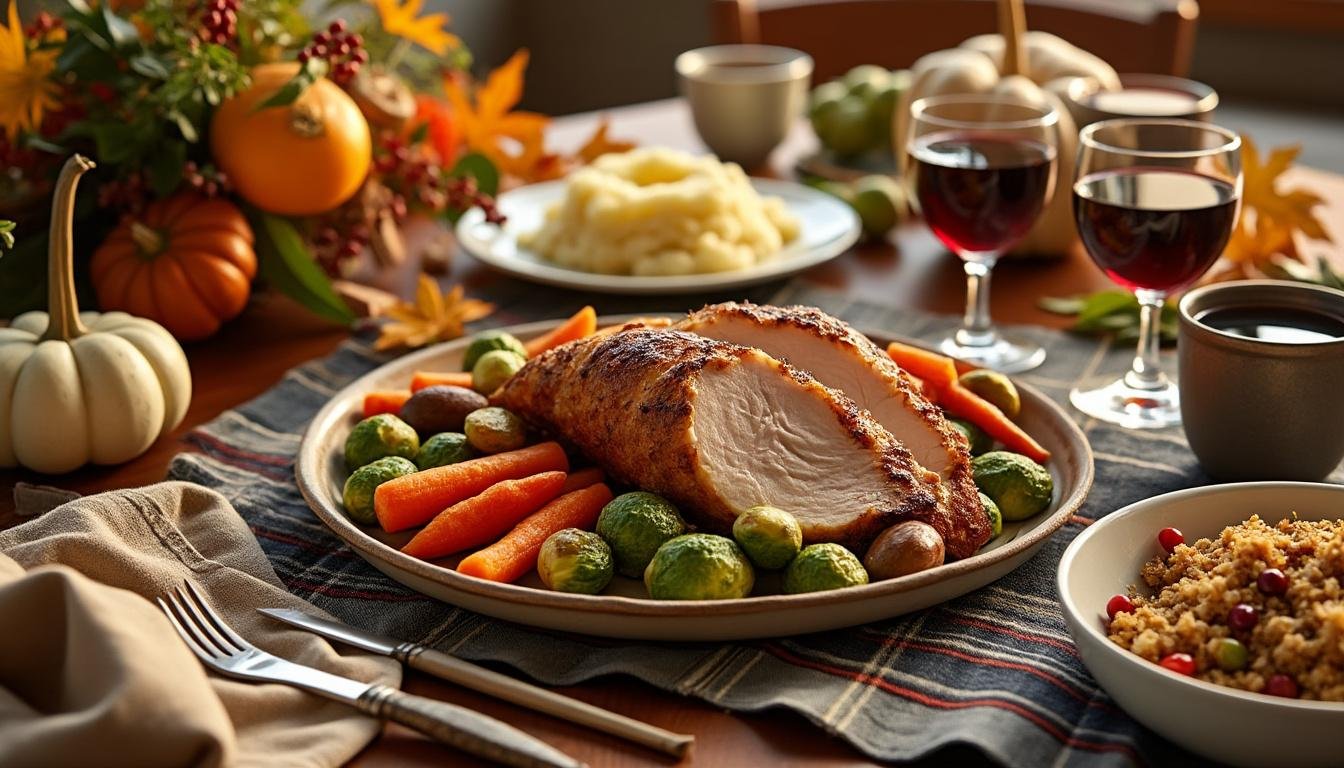
First, understanding the concept of a balanced diet during Thanksgiving is essential. Instead of seeing the holiday as a deviation, one can view it as an opportunity to incorporate nutrient-dense foods balanced alongside favorites. The traditional turkey, abundant in protein, serves as a cornerstone, especially when unprocessed and roasted without heavy gravy or added sugars. Accompanying side dishes can be prepared with health-conscious modifications, like substituting butter with olive oil or incorporating more vegetables and whole grains.
For example, a dietitian might suggest supplementing the meal with roasted Brussels sprouts or mixed greens dressed lightly with lemon. These impart fiber and micronutrients that aid digestion and support satiety. Recipes that swap mayonnaise-heavy casseroles for lighter vegetable-based dishes give additional vitamins and minerals while lowering saturated fat intake.
In managing holiday eating, it’s vital to approach serving sizes consciously. Overeating during Thanksgiving can disrupt wellness goals, but applying common sense and moderation fosters a celebratory yet mindful atmosphere. Utilizing smaller plates, pacing bites, and savoring flavors enhance satisfaction without excess calories.
One practical list of strategies to maintain balance might include:
- Prioritizing protein-rich turkey as the main plate item to promote fullness.
- Filling half the plate with vegetables or salads to increase fiber and nutrients.
- Choosing whole-grain bread or stuffing over refined versions.
- Limiting high-sugar desserts to small portions to still enjoy seasonal flavors.
- Enjoying traditional favorites mindfully rather than grazing throughout the day.
These methods enable Thanksgiving to integrate with a healthy lifestyle naturally, preventing the guilt often associated with holiday indulgence. Such insights are echoed by experienced dietitians who emphasize that nutrition and pleasure from food are compatible during festive occasions.

Practical Nutrition Tips for Holiday Eating to Sustain Wellness All Season
Nutrition experts consistently highlight that the holiday season offers unique challenges as well as opportunities to practice healthy habits. The abundance of celebratory foods may tempt us to overindulge, but smart decisions made during Thanksgiving can influence long-term well-being. Strategies involving portion control and nutrient selection are fundamental to this process.
One important consideration is the timing of meals throughout the holiday day. Some might be tempted to skip earlier meals anticipating a large dinner. However, medical advice discourages this as it often leads to excessive hunger and overeating. Instead, consuming balanced protein and fiber-rich meals earlier in the day helps regulate appetite and energy levels.
During the main celebration, focusing attention on slowly enjoying each bite encourages mindful eating practices that increase awareness of satiety signals and reduce the risk of overeating. Consciously detecting flavors and textures can transform the meal into a rewarding experience rather than a rushed challenge.
Healthy Thanksgiving recipes can incorporate whole ingredients paired with herbs and spices rather than relying on heavy sauces and sugar. For instance, cranberry sauce benefits from fresh berries and a natural sweetener like honey, creating a vibrant side that supports vitality. Sweet potatoes mashed with cinnamon and a splash of orange juice provide vitamins and antioxidants while offering familiar comfort.
Nutritionists recommend the following checklist for optimizing holiday meals:
- Begin meals with a broth-based vegetable soup to promote fullness.
- Incorporate a variety of colorful vegetables for antioxidants and fiber.
- Limit sodium and processed condiments to help regulate blood pressure.
- Replace refined desserts with fruit salad or yogurt parfaits for natural sweetness.
- Ensure hydration with water or herbal teas to support digestion.
By preparing for holiday eating carefully and more consciously, wellness can be enhanced rather than disrupted during the festive period. For further inspiration on building a plate that satisfies both palate and health goals, see expert guidance on constructing a guilt-free Thanksgiving plate.
Mindful Eating and Portion Control Techniques to Celebrate Without Overindulging
Thanksgiving’s allure often lies in the variety and abundance of dishes available, from rich gravies to decadent desserts. However, integrating mindful eating and portion control into your approach ensures you participate joyfully without compromising health.
Mindful eating involves tuning into your body’s hunger and fullness cues rather than eating impulsively or under social pressure. By eating slowly and savoring flavors, individuals can better recognize satisfaction signals and avoid excessive intake. Experts recommend placing utensils down between bites and minimizing distractions such as television to heighten awareness.
Portion control reduces calorie overconsumption while still sampling a broad array of favorite holiday items. Using smaller plates and serving utensils can effectively decrease the amount of food consumed without a sense of deprivation. Moreover, choosing one or two special treats rather than multiple heavy desserts satisfies cravings without excess calories.
Practical suggestions to master these techniques include:
- Start with a small portion of each dish before going back for seconds if desired.
- Sip water regularly to help digestion and reduce overeating temptations.
- Engage in conversations or activities during the meal to moderate the pace.
- Choose nutrient-dense foods first to fill up with essentials.
- Accept that it’s okay to say no politely to some dishes if full or uninterested.
Numerous dietitians advise cultivating these habits, emphasizing they contribute to a happier, healthier holiday experience that supports long-term wellness. For more evidence-based strategies on managing holiday eating without guilt, consult sources like reputable wellness websites specializing in nutrition.

Creative Healthy Recipes to Freshen Traditional Thanksgiving Fare
Transforming Thanksgiving dishes into healthy recipes that retain their appeal is a practical approach a dietitian might suggest. This method celebrates tradition while prioritizing nutritional value and wellness goals.
Start with the turkey itself. Opting for skinless turkey breast provides high protein with reduced saturated fat. Roasting it using herbs such as rosemary and thyme adds flavor without excessive salt or butter. For stuffing, consider using whole-grain bread, quinoa, or wild rice mixed with nuts and dried fruit for texture and natural sweetness.
Vegetable sides can shine with roasting or light steaming techniques. For instance, green bean almondine with toasted almonds and lemon zest introduces crunch and brightness devoid of heavy cream. Mashed cauliflower or sweet potatoes blended with olive oil and spices serve as comforting starch alternatives that are lighter but flavorful.
Desserts also can be reimagined. Pumpkin pie made with a whole-grain crust and natural sweeteners like maple syrup or dates delivers traditional taste more aligned with balanced diets. Additionally, fresh fruit compotes or baked apples with cinnamon offer satisfying ends to the meal.
Key ingredients and swaps to consider include:
- Using olive oil over butter in cooking and baking for healthier fats.
- Incorporating legumes like lentils or chickpeas in side dishes for fiber and protein.
- Replacing sugar with natural sweeteners such as honey or agave sparingly.
- Adding herbs and spices to boost flavor without salt or sugar overload.
- Selecting whole grains to enhance fiber and micronutrient content.
Recipes integrating these ideas can be found on nutritionist-led culinary blogs and specialized wellness sites that emphasize holiday eating that nourishes and delights.
Maintaining Wellness and Managing Social Dynamics During Thanksgiving Celebrations
The social element of Thanksgiving often introduces its own nutritional hurdles. Besides food choices, dealing with social pressure, traditions, and emotional eating requires conscious effort to maintain wellness.
Dietitians recommend approaching festive gatherings with a flexible mindset, acknowledging that occasional indulgences do not derail overall health goals. Setting personal intentions while respecting family customs fosters balance rather than conflict. Mindfully portioning dishes and politely declining seconds can be vital tools in this regard.
Social dynamics can sometimes prompt feelings of obligation or anxiety around food, so preparing conversation topics and engaging in non-food activities eases tension. Additionally, bringing a healthy dish to share offers a practical way to influence the menu positively and demonstrate care for others’ well-being.
Strategies to navigate holiday social eating include:
- Communicating your wellness goals tactfully to relatives or hosts.
- Participating actively in meal preparation to ensure nutritious options.
- Focusing on the company and tradition rather than just the food.
- Planning physical activity before or after celebrations to support metabolism.
- Reflecting on gratitude and mindfulness to enhance emotional satisfaction.
In-depth expert advice on balancing health and social aspects of holidays can be explored in articles such as Medical News Today’s expert tips and heart-healthy recommendations from accredited associations.
How can I enjoy Thanksgiving without feeling guilty about my food choices?
To enjoy Thanksgiving guilt-free, focus on portion control, savor the flavors mindfully, and include a balanced mix of nutrients on your plate. Accept that occasional indulgence is part of a healthy lifestyle and prioritize overall well-being over perfection.
What are some healthy swaps for traditional Thanksgiving dishes?
Opt for whole-grain stuffing, roasted vegetables instead of creamy casseroles, natural sweeteners in desserts, and use olive oil instead of butter. Lean turkey breast without skin is a great protein source.
Is it important to eat before a Thanksgiving feast?
Yes, eating a balanced meal earlier in the day helps prevent overeating later. Skipping meals can lead to excessive hunger and make portion control difficult.
How can I handle social pressure to overeat during holiday gatherings?
Set personal boundaries politely, bring healthy dishes to share, focus on conversations and activities beyond food, and communicate your health goals if necessary.
Can Thanksgiving fit into a healthy lifestyle long-term?
Absolutely. When approached with mindfulness, balanced nutrition, and moderation, Thanksgiving can be an enjoyable part of sustained wellness rather than a disruptive event.