


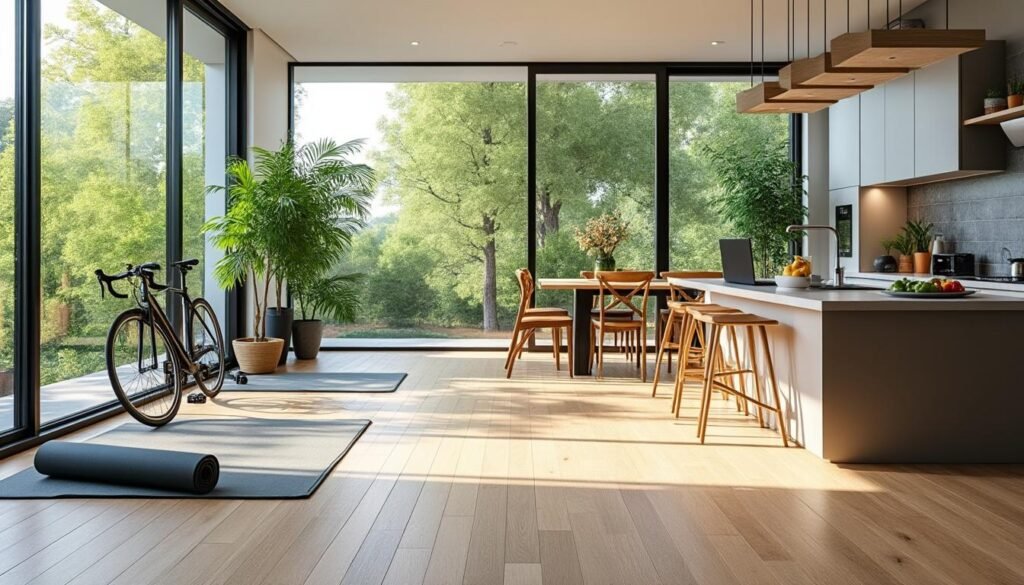
Designing a Home Environment That Supports Natural Healthy Living Habits
Creating a home environment that seamlessly fosters healthy living habits is more than just a trendy ideal in 2025; it’s a practical approach to nurturing wellness and sustainable lifestyle choices. By integrating thoughtful design strategies, your surroundings can act as silent guides, gently nudging you and your family toward better nutrition, increased physical activity, and improved mental health without relying heavily on willpower.
One of the key principles is leveraging invisible cues within your environment to promote healthy habits effortlessly. For example, organizing your refrigerator so that cut vegetables and fruits are at eye level while hiding less healthy snacks behind other items naturally encourages choosing nutritious options. This method aligns with cognitive behavioral insights showing that easy visibility of healthy food increases its consumption without conscious struggle.
Similarly, preparing spaces for physical activity by leaving a yoga mat rolled out by the TV or storing resistance bands in a coffee table basket makes brief exercise breaks easily accessible, increasing consistency. These small but intentional adjustments reflect ideas from experts who suggest that your home’s setup can make the difference between repeated healthful actions and neglecting physical movement.
- Strategic food placement: Keep healthy snacks visible, hide indulgences.
- Exercise equipment accessibility: Place yoga mats and bands in common areas.
- Bedroom environment: Use warm lighting and phone-free charging stations to promote restful sleep.
- Entryway setup: Position walking shoes and water bottles near the door for quick grabs.
- Digital detox space: Incorporate greyscale mode for phones after 9pm and locate charging stations away from relaxation spots.
These design elements harness the power of clean, organized living spaces that support both physical and mental health. For a comprehensive guide on these design philosophies, check resources such as ways to design a home that encourages healthier habits that delve into integrating wellness seamlessly into everyday living spaces.

Transforming Nutrition Habits Through Home Organization and Accessibility
The role a home environment plays in supporting healthy nutrition cannot be overstated. In 2025, with busy lifestyles and widespread availability of processed foods, the home becomes the frontline in fostering nutritious eating.
Placing nutritious options where they are easy to reach and harder-to-resist indulgences out of sight is a proven behavior strategy. For instance, keeping pre-cut fruits and vegetables in clear containers on the middle shelves of your refrigerator serves as a visual prompt to grab wholesome snacks throughout the day. This approach minimizes decision fatigue and makes the path of least resistance the healthiest choice.
Moreover, setting up specific kitchen zones for different activities encourages meal preparation and mindful eating. A designated prep counter stocked with fresh ingredients facilitates cooking at home rather than relying on takeout or packaged meals. Incorporation of family members in these routines encourages children and adults alike to develop lasting healthy eating habits, which enhances overall family health.
Substituting harsh chemical cleaners with natural alternatives like vinegar or baking soda contributes to cleaner indoor air and surfaces, which also supports wellbeing by reducing exposure to toxins, a crucial part of clean living. Also, intentional pantry organization that categorizes food items by type and healthfulness fosters quicker, mindful choices.
- Visible healthy snacks: Cut fruits and vegetables in clear containers.
- Kitchen design: Dedicated meal prep zones with accessible fresh ingredients.
- Natural cleaning products: Use vinegar and baking soda instead of chemicals.
- Pantry organization: Categorize foods by health value for easier access.
- Family involvement: Encourage kids to help meal prep, fostering nutrition awareness.
These strategies align with expert advice from sources like public health initiatives promoting wellness and healthy eating, highlighting practical methods to boost nutrition naturally by design.
Creating a Home Atmosphere That Enhances Mental Health and Relaxation
A calm, supportive home environment acts as a sanctuary that promotes mental health and emotional balance. In today’s fast-paced world, it’s essential that your living space gently encourages relaxation, reduces anxiety, and supports emotional well-being.
One of the most effective ways to achieve this environment is through the use of warm, soft lighting instead of harsh bright bulbs to create a soothing ambiance. A bedroom designed with these principles encourages longer and more restful sleep, transforming the nightly routine from a stressful task into a natural, restful experience. Placing charging stations for smartphones in communal areas rather than bedrooms limits screen exposure before sleep, encouraging healthier nighttime habits.
Additionally, the uncluttering of counters and daily tidying routines, especially when reinforced by pleasant activities such as playing calming music while organizing, contribute significantly to reducing morning stress. An organized space reflects an organized mind, promoting a tranquil start to your day and lowering mental clutter.
Implementing tactile and natural elements like adding houseplants improves air quality and fosters a connection with nature, which numerous studies link to reduced stress levels and improved focus and mood.
- Warm lighting: Replace bright bulbs with warm lamps for calm ambiance.
- Phone-free bedroom charging: Charge devices away from the sleeping area.
- Daily tidying with music: Make organization enjoyable and calming.
- Indoor plants: Enhance air quality and connection to nature.
- Minimal clutter: Maintain clear surfaces for mental clarity.
To learn more about these approaches to creating wellness at home, reliable information can be found on pages such as how to create a home environment that encourages wellness, which offers valuable insights into designing for mental and emotional health benefits.
Encouraging Physical Activity Through Smart Space Planning and Accessibility
Incorporating physical activity effortlessly into daily routines is a cornerstone of a healthy lifestyle. Your home environment can be a powerful ally in making movement a natural part of each day.
The simplest strategy is making exercise equipment visible and easily accessible to remove barriers that typically reduce activity levels. As previously mentioned, leaving a yoga mat in your living room, or storing resistance bands within arm’s reach under a table, encourages short exercise breaks during day-to-day activities. This also applies to walking; positioning your walking shoes by the door alongside water bottles near the kettle ensures hydration and footwear are habits that come automatically whenever you step outside.
Integrating active design principles such as open spaces for stretching or jumping rope, and installing reminders in commonly used areas (like fitness posters or motivational notes), can be subtle but effective prompts.
- Visibility of fitness tools: Yoga mats, bands, or weights placed in living spaces.
- Entryway readiness: Walking shoes and water bottles placed near the door.
- Designated active zones: Spaces for stretching or simple bodyweight exercises.
- Visual motivation: Posters or notes to remind and encourage movement.
- Scheduling and habit stacking: Associate movement with daily routines for consistency.
Physical wellbeing impacts all other aspects of life, enhancing mood and energy levels. For more comprehensive strategies to foster physical activity effortlessly, visit insightful lifestyle resources like creating a home environment that supports a healthy lifestyle.
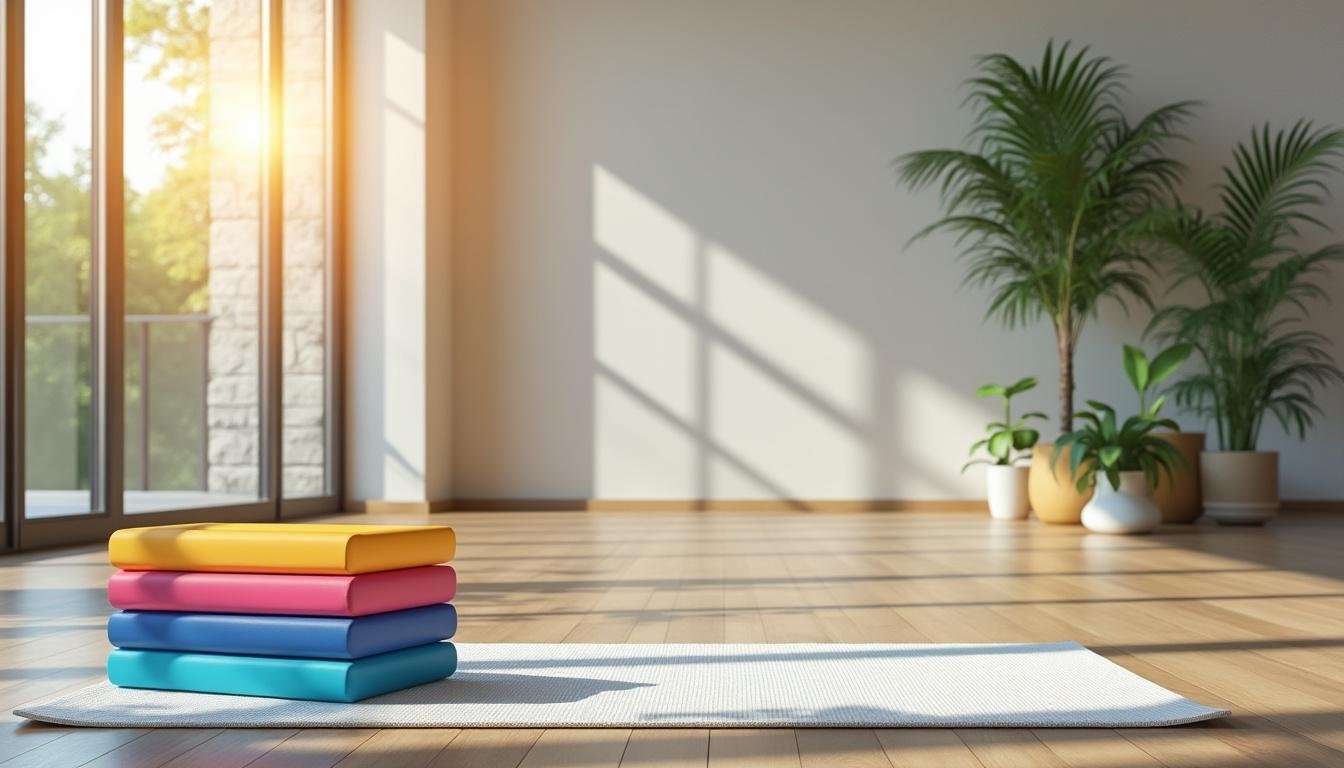
Daily Rituals and Technology Use to Reinforce Healthy Living at Home
In our technology-saturated age, managing digital consumption plays a vital role in a wellness-focused home environment. Technology, if balanced, can support healthy lifestyle choices rather than undermine them.
One practical approach includes using greyscale mode on smartphones after 9 pm to reduce blue light exposure and signal the brain to wind down, thus encouraging better sleep quality. Placing phones in charging stations away from resting areas like the sofa or bedroom reduces mindless scrolling, freeing mental space for relaxation or family interaction. Moreover, relocating frequently used fitness or meditation apps onto a secondary device or screen helps reduce distractions on primary devices, cultivating focus and intentionality.
Incorporating relaxing music or podcasts during routine tasks such as cleaning or tidying can transform these chores into enjoyable experiences, strengthening morning calmness and a sense of accomplishment, which sets a positive tone for the day ahead.
- Limit screen exposure: Use greyscale mode after 9 pm.
- Phone charging stations: Keep devices out of bedrooms and lounging areas.
- Dedicated secondary screens: For fitness and wellness apps to reduce distractions.
- Music during chores: Enhance mood and motivation during tidying.
- Establish calming rituals: Morning organization paired with enjoyable activities.
Integrating such practices turns your home into a place where the environment consistently communicates and reinforces the life you want. Check out in-depth insights in sources like ways to make your home healthier for practical technology and lifestyle adjustments.
How can I arrange my kitchen to promote healthier eating habits?
Organize your kitchen by keeping cut fruits and vegetables at eye level, use clear containers for easy access to healthy foods, and dedicate a specific prep area stocked with fresh ingredients. This setup makes healthy eating more convenient and appealing.
What lighting is best to improve sleep quality in the bedroom?
Warm lamps or soft lighting are preferable to harsh bright bulbs. Avoid blue light exposure before bed by charging devices away from the bedroom and using phone settings like greyscale mode after 9 pm to promote relaxation.
How can I create motivation for physical activity at home?
Keep exercise equipment visible and accessible, such as yoga mats and resistance bands in common areas. Position walking shoes and water bottles near the door to naturally encourage movement and hydration as part of your daily routine.
What role does home organization play in mental health?
A tidy and decluttered environment reduces mental clutter, lowering stress and anxiety. Incorporate daily tidying rituals and play calming music to make organization enjoyable and enhance emotional wellness.
How does limiting screen time contribute to wellness at home?
Reducing screen exposure, especially before bedtime, supports better sleep quality and mental relaxation. Establish phone-free zones and use technology tools like greyscale mode to reduce blue light impact, helping the mind unwind more naturally.