


Bone health is often overlooked after childhood, yet it remains crucial throughout our entire lives. Our bones provide vital structure, protect organs, and support movement, but as adults age, maintaining bone strength becomes increasingly important to reduce risks like osteoporosis and fractures. Dr. Brian Cross, a renowned orthopedic surgeon, emphasizes that peak bone mass is usually achieved by the late twenties, making it essential to adopt habits early to preserve bone density for the future. Healthy bones are the foundation of an active, independent lifestyle, and simple daily actions can significantly improve their resilience.
The widespread prevalence of osteoporosis in the U.S.—affecting nearly 10 million Americans over 50 and placing another 43 million at risk—highlights the need for preventive care. Beyond traditional advice, modern research underscores the importance of balanced nutrition, weight-bearing exercise, and lifestyle choices that enrich bone density naturally. Dietary supplements like Caltrate and VitaFusion have gained popularity, supporting calcium and vitamin D intake necessary for bone renewal. Additionally, innovative programs such as OsteoStrong offer non-invasive ways to strengthen bones through targeted mechanical stimulation.
This article explores science-backed strategies to build and maintain strong bones starting today. From nutrition tips involving trusted brands like Nature Made and Garden of Life, to exercise regimens that incorporate resistance training and weight-bearing activities, readers will gain actionable knowledge. Moreover, we delve into the significance of regular bone density screenings and how technology aids early diagnosis and intervention. Embracing these multifaceted approaches helps reduce fracture risk, enhances mobility, and ensures vibrant aging.
Whether you seek to improve your bone health, support aging relatives, or develop long-term habits for your family, adopting these tips now can make a lasting difference. Empower yourself with the understanding and tools to keep your skeletal system robust and resilient in 2025 and beyond. For more detailed insights, reliable sources such as the Mayo Clinic Bone Health Guide and Well Health Organic’s Bone Strength Tips provide valuable information.
Effective Weight-Bearing Exercises to Strengthen Your Bones Naturally
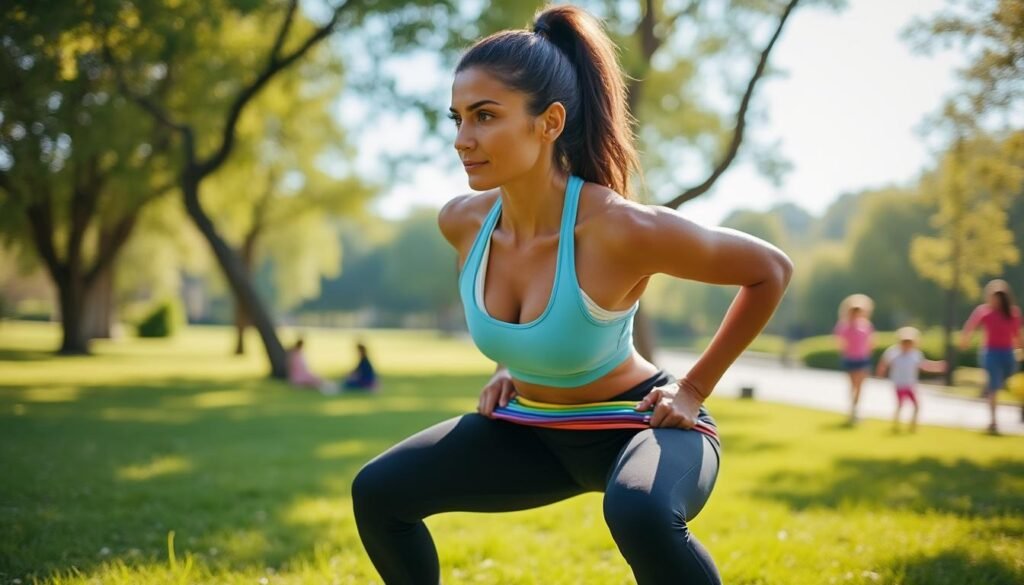
Maintaining strong bones relies heavily on physical activity, especially exercises that apply force to the skeleton and stimulate new bone growth. Weight-bearing activities encourage bone remodeling, increase density, and enhance muscular support, which collectively reduce the risk of osteoporosis and fractures.
Some of the best weight-bearing exercises include:
- Walking briskly: A simple yet powerful way to promote bone strength, particularly in the legs and hips.
- Jogging or running: These higher-impact activities provide greater stimulation but should be balanced with individual fitness levels.
- Climbing stairs: Easily incorporated into daily routines, stair climbing challenges both bones and muscles.
- Resistance training: Lifting weights or working out with resistance bands targets multiple muscle groups and bones including the spine, hips, and wrists.
- Jumping and dancing: These dynamic movements benefit bone density and improve balance, reducing fall risk.
Engaging consistently in these activities builds peak bone mass and maintains it through adulthood. As Dr. Brian Cross notes, starting early is key: “It’s never too early to adopt healthy habits that support strong bones.” Diversifying your routine not only improves skeletal health but also boosts coordination and overall fitness.
To aid adherence, consider programs like OsteoStrong, which uses patented technology delivering brief, high-impact stimuli to bones safely, making strength gains accessible even for those with limited mobility or joint issues. Coupling this with regular resistance exercises magnifies bone-building benefits.
| Exercise Type | Benefits for Bones | Recommended Frequency |
|---|---|---|
| Brisk Walking | Promotes lower body bone strength, improves cardiovascular health | 30 minutes, 5 times per week |
| Resistance Training | Increases bone density especially in spine, hips, and wrists | 2-3 sessions per week |
| Jumping/Dancing | Enhances bone density, improves balance, reduces fall risk | 2-3 times per week |
| Climbing Stairs | Strengthens leg bones, aids muscular support around joints | Daily, as part of routine |
For detailed exercise plans and tips for safe practices, resources like the Today.com bone health exercise guide provide expert advice on incorporating activity into your lifestyle.


The Role of Nutrient-Dense Diets and Key Supplements in Building Strong Bones
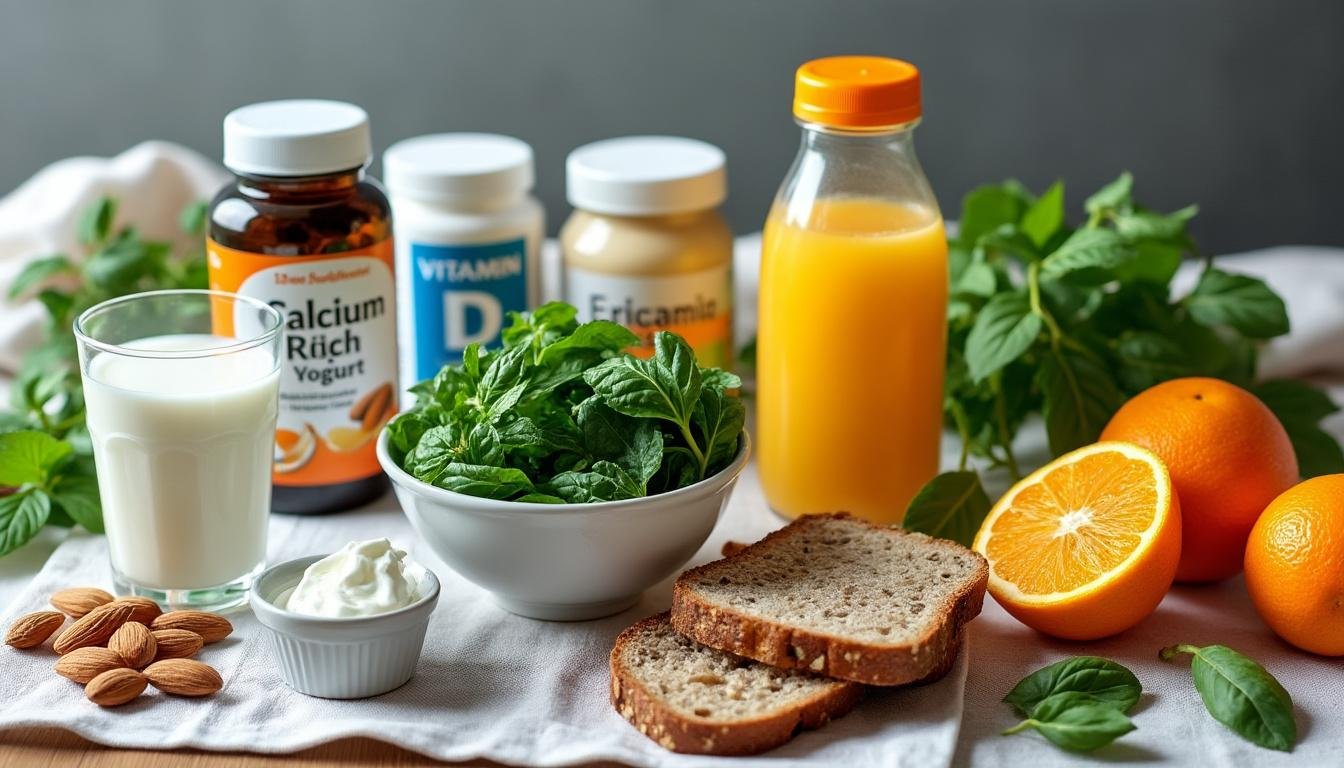
Good nutrition plays a pivotal role in preserving bone density and preventing osteoporosis. Calcium and vitamin D stand out as essential nutrients: calcium forms the primary mineral in bones, while vitamin D enhances calcium absorption in the gut and regulates bone remodeling.
Consuming a nutrient-dense diet rich in fruits, vegetables, and whole foods supports not only bones but general health. For instance, magnesium, potassium, and vitamin K found in leafy greens contribute to bone strength and repair mechanisms. Additionally, proteins are vital as they provide building blocks for bone matrix formation.
Several supplements have proven effective for bone health support:
- Caltrate: Offers high-quality calcium combined with vitamin D3 to optimize absorption.
- VitaFusion: Popular gummy vitamins that provide convenient calcium and vitamin D intake.
- Nature Made and Garden of Life: Known for their comprehensive bone support formulas with added magnesium and vitamin K.
- Alive! supplements integrate botanical antioxidants alongside essential bone nutrients.
- SmartyPants: Multivitamin gummies targeting bone health with essential vitamins and omega-3 fatty acids.
In 2025, consumers are increasingly proactive in combining supplementation with balanced diets, leveraging trusted brands to maintain optimal bone mass. It’s crucial to tailor intake to individual needs and consult healthcare professionals to avoid excessive dosing.
| Supplement | Key Ingredients | Benefits |
|---|---|---|
| Caltrate | Calcium carbonate, Vitamin D3 | Supports bone mineral density and absorption |
| VitaFusion | Calcium citrate, Vitamin D3 | Easy-to-take, good for daily bone maintenance |
| Nature Made Bone Support | Calcium, Vitamin D3, Magnesium | Balances bone mineral and muscular function |
| Garden of Life Raw Calcium | Whole food calcium, Vitamin K2 | Natural form nutrients for enhanced bioavailability |
| SmartyPants Adult Complete | Calcium, Vitamin D3, Omega-3 | Multi-functional support for bones and heart |
For information on balancing diet with exercise and supplements, exploring guides such as Endeavor Health’s Bone Nutrient Advice and St. Joseph’s Health osteoporosis prevention tips is highly beneficial.
Early Detection and Monitoring of Bone Density: Tools and Recommendations
Proactive monitoring of bone health is vital, especially since osteoporosis often develops silently. Bone density scanning technologies, like DXA (dual-energy X-ray absorptiometry), provide painless, accurate insight into bone strength and fracture risk.
Screening recommendations in 2025 emphasize early and periodic assessments:
- Women aged 65 and older: Routine DXA scanning is advised given higher osteoporosis risk.
- Men aged 70 and older: Screening suggested as bone density naturally declines with age.
- Earlier screening: Recommended for individuals with family history, previous fractures, or other risk factors like smoking and low body weight.
- People on long-term steroid therapy or with chronic conditions: Require more frequent monitoring to address secondary causes of bone loss.
Orthopedic specialists like Dr. Cross highlight the value of catching low bone density early to implement lifestyle adaptations or initiate medication that can slow disease progression. Failure to screen can result in unnoticed bone deterioration until fractures occur, complicating treatment and quality of life.
| Risk Group | Screening Age | Frequency |
|---|---|---|
| Women, general population | 65+ | Every 2 years or as recommended |
| Men, general population | 70+ | Every 2-3 years |
| Individuals with risk factors | Earlier than 65/70 | Annual or as recommended |
| People with chronic diseases or steroid use | As soon as risk identified | Regular monitoring advised |
Patients concerned about bone health should initiate conversations with their primary care providers. Dr. Cross’s office, reachable at 239-348-4340, welcomes new patients for consultations about bone density management. More about screening is available through sources like the Iowa Ortho Bone Health Blog and the Coastal Breeze News on Bone Strength.

Lifestyle Choices to Protect Against Bone Loss and Enhance Long-Term Health
Beyond exercise and nutrition, various lifestyle habits influence bone health. Smoking and excessive alcohol use accelerate bone degradation and elevate fracture risk. Managing body weight — both underweight and obesity — is crucial since bone density relates strongly to body mass and physical stress on the skeleton.
A holistic approach integrates these strategies:
- Quit smoking: Tobacco toxins disrupt bone remodeling and calcium absorption.
- Limit alcohol intake: Excessive drinking impairs bone formation and balance.
- Maintain healthy weight: Adequate body mass protects against bone loss while obesity may strain joints.
- Ensure sufficient sleep and stress management: Both affect hormones key to bone metabolism.
- Incorporate balance and flexibility exercises: Yoga, Tai Chi, and Pilates reduce fall risks that cause fractures.
Programs like Move Free focus on joint and bone health by encouraging movement and anti-inflammatory nutrition. Supplements from Nature’s Bounty complement these efforts by providing additional vitamin C and collagen peptides supporting connective tissues and bone strength.
| Habit | Impact on Bone Health | Tips for Implementation |
|---|---|---|
| Smoking cessation | Improves calcium retention, lowers bone loss | Seek support groups, nicotine replacement therapy |
| Alcohol moderation | Reduces interference with bone formation | Limit to 1 drink/day for women, 2 for men |
| Healthy weight maintenance | Supports skeletal load, joint health | Balanced diet, regular exercise |
| Stress management | Regulates hormones like cortisol beneficial for bones | Meditation, sufficient sleep, counseling |
| Balance exercises | Prevents falls, strengthens muscles | Yoga or Tai Chi sessions 2-3 times/week |
Evidence increasingly shows that cultivating these habits can lower the burden of osteoporosis and fractures, fostering independence. For inspiration and support, exploring insights from sources like HealthHype on natural bone strengthening and The Healthy’s bone health habits proves invaluable.
Supportive Technologies and Community Resources to Sustain Bone Health Efforts
The rise of technology and community programs in 2025 enhances our ability to maintain bone health. Apps that track nutrient intake, reminders for exercise, and guides for posture improvement simplify adherence to healthy regimens.
Communities increasingly provide fitness classes tailored to older adults and those with bone density concerns, promoting social engagement alongside physical well-being. Brands like Ensure offer nutritional drinks fortified with bone-supportive vitamins, aiding those who struggle with diet variety.
Innovations such as virtual coaching for resistance training and fall detection devices integrate safety with motivation. Engaging with health literacy initiatives, similar to efforts highlighted by Know Yourself Academy, can empower individuals to take charge of their bone wellness regardless of age.
| Technology/Resource | Function | Benefit for Bone Health |
|---|---|---|
| Nutrition tracking apps | Monitor daily intake of calcium, vitamin D, and other nutrients | Ensures adequate consumption for bone maintenance |
| Virtual resistance training coaches | Provide guided workout routines through video or live sessions | Supports regular bone-strengthening exercise |
| Community fitness programs | Group classes targeting balance, mobility, and strength | Enhances motivation and social support for bone health |
| Bone health supplements like Ensure | Fortified nutritional drinks for easy replenishment | Improves nutrient intake especially for older adults |
| Fall detection and prevention devices | Alert systems for immediate assistance in falls | Reduces complications from fractures |
These innovative solutions facilitate integrating bone-friendly habits into daily life, supporting sustained health benefits. For more inspiration on developing healthy habits across age groups, resources from Live Well Magazine offer complementary recommendations.

Frequently Asked Questions about Building Strong Bones
- How much calcium should I consume daily for optimal bone health?
Adults typically require about 1000 mg of calcium daily, increasing to 1200 mg for women over 50 and men over 70. Supplement brands such as Caltrate can help fulfill these needs.
- Are weight-bearing exercises safe for people with osteoporosis?
Yes, with proper guidance and avoiding high-impact or risky movements, weight-bearing and resistance exercises are beneficial and recommended to strengthen bones safely.
- What is the role of vitamin D in bone health?
Vitamin D enhances calcium absorption in the digestive system, regulates bone remodeling, and supports immune function. Supplements like VitaFusion provide convenient vitamin D3 to maintain adequate levels.
- When should I get a bone density test?
Women aged 65+, men aged 70+, and anyone with risk factors such as family history or previous fractures should discuss screening timelines with their healthcare provider.
- Can lifestyle changes really prevent fractures in older adults?
Absolutely. Adopting healthy habits, including exercise, balanced nutrition, smoking cessation, and fall prevention strategies, can significantly reduce fracture risks and promote independence.