


Understanding the Gen Z ‘Boy Kibble’ Trend: Origins and Appeal
The phenomenon labeled as “boy kibble” has surfaced as a surprising hallmark of youth culture in the United States and beyond. At first glance, one might mistake “boy kibble” for an actual pet food product. Instead, it is a simple meal typically consisting of a bowl of ground meat—often beef—and rice. This curious, minimalist dish gained viral traction through social media platforms such as TikTok and Instagram, especially among young men of the Gen Z generation. What started as a tongue-in-cheek joke on the internet quickly morphed into a daily meal staple for many teens and young adults.
Parents observing this trend might initially feel confused or concerned. Watching teens reliably consume the same plain dish without complaint or variety contrasts with the diverse plates typically encouraged in traditional parenting. However, this culinary fad holds significant value when approached with openness and understanding. The boy kibble trend exemplifies how Gen Z is reshaping their approach to food as a form of efficiency, control, and self-expression.
Its appeal lies largely in its simplicity. The dish reduces the complexities of meal preparation to a few ingredients, which takes away the overwhelm often felt by teenagers navigating their first attempts at cooking. Unlike the often complex, heavily processed convenience foods pushed by fast-food chains, boy kibble emphasizes whole food staples that provide solid nutritional groundwork. The dishes are easy to prepare in minutes, making them perfect for busy students and young gym enthusiasts seeking protein-packed sustenance.
Experts observing this cultural moment note that the trend captures Gen Z’s preference for straightforward, honest choices—a direct rebellion against the complicated and often conflicting nutrition advice from previous generations. As a parent or caregiver, embracing this trend offers an opportunity to bridge the generational gap and help your teen build healthier relationships with food based on their unique habits and interests.
Moreover, understanding the trend’s origin as a viral social media joke provides insight into the mindset of Gen Z teens—they love humor, relatability, and trends that feel accessible and “authentic.” Boy kibble, while seemingly repetitive, fits perfectly into this framework and serves as a comforting, no-fuss meal solution amidst the chaos of teenage life.

Health Implications of the Boy Kibble Meal Plan: Nutritional Pros and Cons
Delving deeper into “boy kibble” from a nutritional standpoint reveals a compelling blend of benefits and drawbacks. At its core, boy kibble is a high-protein, carbohydrate-focused meal that relies heavily on ground beef for protein and iron, alongside rice for energy-providing carbs. This simple formula provides an affordable, accessible nutritional foundation that appeals particularly to young men interested in fitness and muscle building.
Nutrition experts, including those consulted in articles like The Conversation on boy kibble’s health impact, affirm that the dish supplies essential macronutrients and micronutrients valuable during adolescence. The predictability and consistency of this meal can actually help meet basic nutritional goals, lowering the mental load of decision-making around food.
However, experts caution that a strictly repetitive diet may lead to nutritional gaps over time. Consuming the same limited meal daily can omit key vitamins, minerals, antioxidants, and dietary fiber essential for optimal health. For instance, without varying the types of vegetables or grains, teens risk deficiencies in nutrients such as vitamin C, potassium, and phytonutrients that support immune function and overall wellbeing.
Medical professionals also warn about the potential psychological pitfalls. Dr. Sanjai Thankachen, a medical director specializing in nutrition, highlights the risk of restrictive eating habits if the trend is tied too closely to body image concerns or unhealthy routines. Such a pattern can sometimes signal disordered eating, which undermines mental and physical health in the long term.
Despite these concerns, the simplified regiment of boy kibble offers a stress-free way for teens to ensure steady intake of protein, critical for growth and muscle development. The reduction of processed foods, sodas, and junk food in favor of whole ingredients marks a positive shift. Three meals a day, each reliably offering good-quality meat and carbs, beats erratic eating patterns characterized by skipping meals or bingeing on sugary snacks.
The viral fitness community discussions surrounding boy kibble often emphasize the affordability and practicality, especially for young men building strength without the overhead of complicated meal prepping.
Adding Variety Without Ruining the Trend
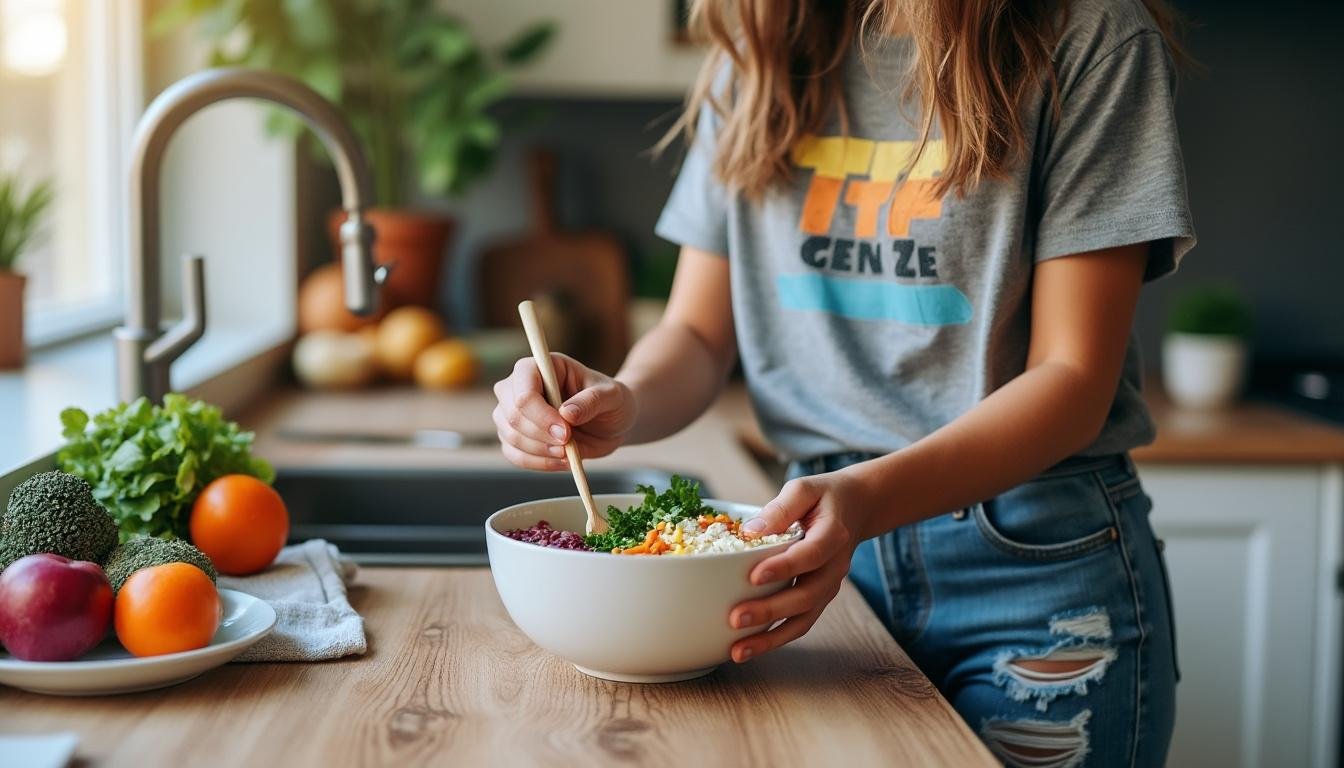
- Introduce frozen or fresh vegetables like broccoli, spinach, or carrots to add fiber and vitamins.
- Experiment with different grains such as quinoa, couscous, or farro to increase nutrient diversity.
- Incorporate healthy fats like olive oil, avocado, or nuts for heart-healthy benefits.
- Use low-sodium sauces or spices to enhance flavor without excess sugar or preservatives.
Parents can use these simple modifications to retain the spirit and simplicity of boy kibble while improving nutritional value, thus guiding teens toward more balanced eating habits without resistance.

The Parenting Opportunity in the Boy Kibble Trend: Embracing and Guiding
For many parents, the emergence of the boy kibble trend might initially evoke skepticism or concern regarding nutritional adequacy and variety. Yet, there is a distinct opportunity embedded within this viral youth movement to foster positive acceptance rather than restriction.
Traditional approaches to teen nutrition have often revolved around strict rules, multiple food options, and urgent behavior modification. However, studies from recent years, including findings reported in Frontiers as early as 2024, indicate that overcontrolling parental behavior correlates with worse eating outcomes in adolescents. Approaches providing structure yet allowing some degree of autonomy support the formation of healthier, lifelong habits.
Dr. Sam Zand, a psychiatrist interviewed on the parenting benefits of embracing boy kibble, underscored that parents can harness this trend by encouraging their teens to continue with easy, independent meal choices while gently integrating more variety and nutrition. This method respects teenagers’ desire for control and simplicity, reducing their stress about eating and allowing parents a subtle but effective influence over diet quality.
Parents can also model a more flexible, unrestricted relationship with food, which protects teens from developing negative self-image and disordered eating patterns later in life. A mentality rooted in acceptance and gradual improvement rather than rigid perfectionism eases generational tension and respects the youth’s evolving food identity.
Practically, parents might stock the kitchen with convenient healthy options such as pre-cut veggies, frozen grains, and a variety of lean protein choices. They can steer flavorings away from sugar-heavy sauces toward healthier alternatives without banning the beloved boy kibble meal. This creates an environment where improvement feels natural and non-coercive.
Why Consistency in Eating Matters More Than Variety for Teens Right Now
Research continues to emphasize the vital role of regular eating habits for adolescent brain function, energy management, and emotional resilience. The simple repetition of a familiar meal like boy kibble aligns closely with these findings: it reduces the uncertainty that often triggers poor dietary choices or missed meals.
The Society of Behavioral Medicine points out that chaotic eating—characterized by skipping meals or frequent reliance on fast food and sugary snacks—disrupts energy levels and cognitive performance. Compared to this, establishing a dependable meal routine offers improved mood stability and physical well-being.
In the context of parenting and generational gap challenges, the predictability of boy kibble presents a bridge. Instead of battling the variable whims of teen appetite or preferences, parents can tap into this trend’s structure as a starting point for nutrition education and habit formation.
A 2025 study published in the National Library of Medicine further supports this approach by identifying adolescence as a critical window for forming dietary habits that influence lifelong health. The takeaway is clear: starting with basics such as protein and starches, even if repetitive, is much better than inconsistent or unhealthy options.
So, parents encouraged to embrace with pride the boy kibble trend are working collaboratively with their kids, not battling against their autonomy. This young generation’s preference for simplicity and independence in meal choices should be seen as a foundation on which to build rather than a problem to fix.
Simple Strategies for Parents to Enhance Their Teen’s Boy Kibble Experience
Moving forward, parents wishing to support their teen can adopt practical steps that improve the nutritional quality of boy kibble without sacrificing the minimalism teens love:
- Stock the freezer with frozen vegetables that can be quickly added to meals.
- Offer pre-cut fresh veggies to reduce prep time and increase intake.
- Keep a variety of proteins such as lean chicken, turkey, tofu, or beans to rotate with beef.
- Purchase healthy sauces that avoid added sugar and excessive preservatives to make meals tastier.
- Introduce alternative grains like quinoa, couscous, or farro to boost fiber and micronutrients.
- Avoid shaming repetitive eating but gently encourage small changes over time to broaden nutritional scope.
These incremental improvements foster a collaborative atmosphere, empowering adolescents to take ownership of their eating habits while parents provide subtle nutritional scaffolding. There is no need to dismantle the boy kibble habit entirely; instead, the focus can be on creating hybrid meals that respect the original concept but expand its benefits.
The rising popularity of boy kibble within Gen Z underscores how food trends can serve as valuable entry points to discuss nutrition, self-care, and independence within families. Parents who embrace this trend with pride demonstrate adaptability and respect for their child’s autonomy, helping bridge the sometimes challenging generational gap.
What exactly is ‘boy kibble’ and why is it popular among Gen Z?
Boy kibble is a simple meal trend among Gen Z young men, typically a bowl of ground beef and rice. Its popularity stems from its convenience, affordability, and high-protein content that suits young men interested in fitness and easy meal prep.
Is eating ‘boy kibble’ every day healthy for teenagers?
While boy kibble provides essential protein and carbohydrates, consuming it without variety can lead to nutritional gaps. Integrating vegetables, different grains, and healthy fats can balance the diet and mitigate such risks.
How can parents encourage healthier eating habits without banning boy kibble?
Parents can support by stocking healthy ingredients, offering diverse protein sources, and encouraging small changes like adding vegetables or different grains, all while respecting their teens’ meal preferences and avoiding shaming repetitive habits.
Does the boy kibble trend reflect larger changes in Gen Z’s approach to food?
Yes, it highlights Gen Z’s preference for simple, functional meals that reduce decision-making stress and fit busy lifestyles. It also symbolizes a shift towards approachable, authentic eating patterns shaped by social media culture.
Why should parents embrace rather than resist food trends like boy kibble?
Embracing trends like boy kibble allows parents to connect with their children’s experiences, reduce conflict about eating, and gradually guide them toward healthier habits. Acceptance fosters better communication and overall family wellbeing.