



Spring’s Unique Influence on Healthy Eating Habits According to Dietitians
Spring emerges as a pivotal moment in the year when many feel naturally inclined to reset and renew their lifestyle habits. Dietitians observe that this season, marked by longer, warmer days and an abundance of fresh produce, creates an environment that makes healthy eating feel remarkably effortless. Unlike the often overwhelming start-of-year resolutions, spring offers a gentler, more sustainable spur towards incorporating nutrition and wellness into daily routines.
Registered dietitians such as Brittany Brown, Jenny Finke, and Gabrielle Kishner highlight that spring’s atmosphere aligns closely with human motivation patterns. As nature awakens, people express a similar yearning to detoxify and refresh their diets. Brown explains, “Warmer weather encourages natural hydration and increased energy, both of which foster better digestion and active lifestyles.” This vitality is instrumental for making conscious food choices without forcing rigid regimes.
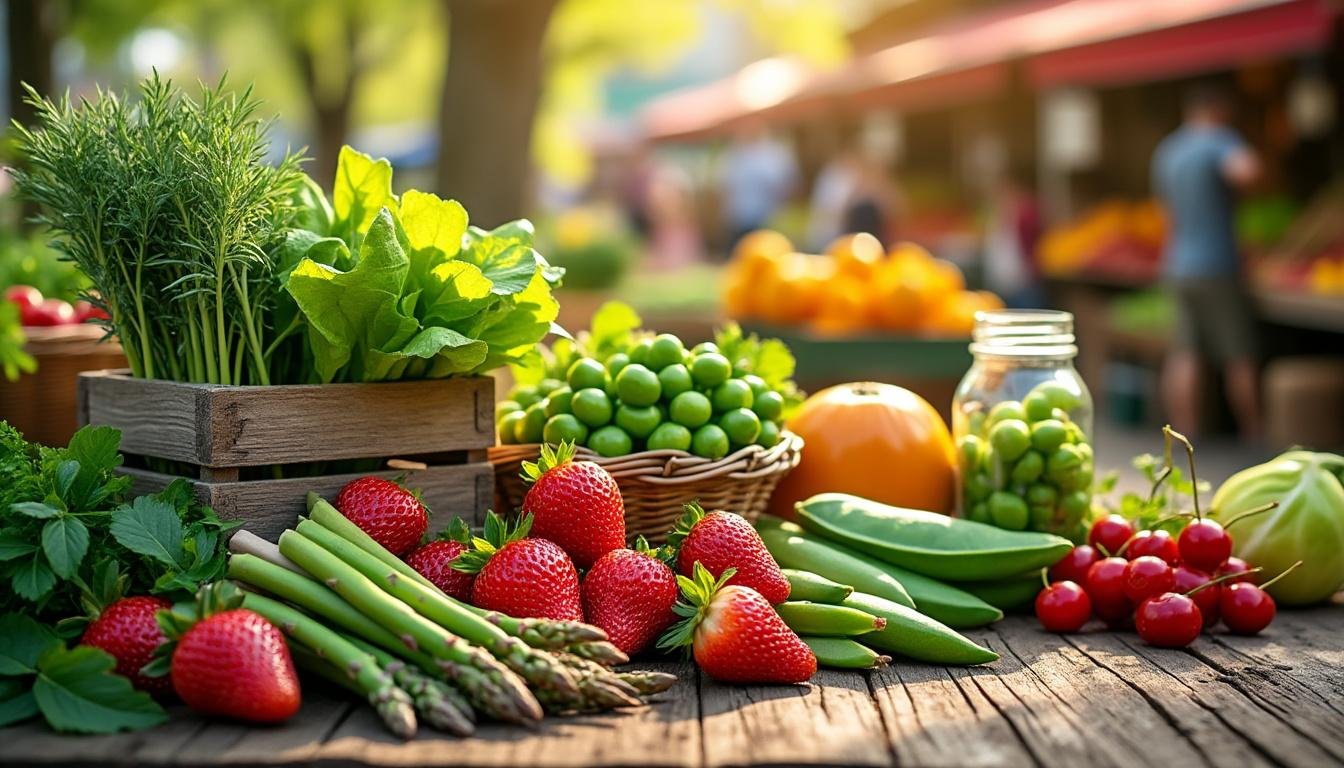
Furthermore, the appeal of colorful seasonal foods acts as a natural incentive. With farmers’ markets reopening, fresh vegetables like asparagus, peas, and spinach become accessible and more affordable, facilitating meals that are nutrient-dense yet light. Finke emphasizes using this seasonal variety to “let produce shine as the star of the plate,” creatively integrating healthful ingredients into familiar dishes. This abundance not only enhances flavor profiles but elevates nutritional value, making balanced diets easier to embrace.
People also tend to increase outdoor activities as daylight increases, further encouraging a lifestyle that supports healthy eating. Physical movement naturally stimulates appetite for nutritious foods, creating a positive feedback loop of wellness and balanced nutrition. Kishner notes, “Pairing outdoor exercise with meals rich in fruits, veggies, whole grains, and proteins supports sustained energy and recovery.” This synergy explains why spring is often seen by dietitians as the ideal season to refresh eating habits without pressure.
This seasonal transformation serves as a compelling reason behind why so many find it easier to transition into healthier eating patterns in spring. It’s not merely about willpower but about leveraging natural environmental cues and nutrition science to make wellness feel accessible and enjoyable. For readers interested in more insights on seasonal diet shifts and wellness, this detailed guide offers valuable perspectives to explore.

How Seasonal Foods Promote Effortless Healthy Eating in Spring
The seasonal abundance that arrives with spring plays a vital role in making healthy nutrition feel less like a chore and more like a delight. Dietitians frequently stress the importance of consuming fresh produce at the peak of its availability. This not only maximizes flavor and nutrient content but also aligns the body with nature’s cycles, thereby enhancing digestion and energy levels.
Spring introduces a plethora of greens such as spinach, lettuce, and herbs, along with early fruits like strawberries and rhubarb. These ingredients are rich in fiber, vitamins, and antioxidants, which cumulatively contribute to improved gut health and sustained energy. Brown points out that incorporating these foods can “boost fiber intake while keeping meals light and satisfying.” This approach contrasts with winter’s heavier, calorie-dense fare that can weigh down digestion and energy.
Moreover, the convenience of shopping at local farmers’ markets during spring enhances the connection to fresh, nutrient-packed foods. Kishner underlines how such markets offer affordable options that are frequently superior in freshness to store-bought alternatives. The joy of discovering vibrant produce encourages culinary creativity, turning meal preparation into an inspiring activity rather than an obligatory task.
Dietitians recommend simple strategies like making grain bowls with seasonal veggies, preparing fresh fruit salads, or trying cold soups to make the most of spring’s offering. For example, a salad featuring asparagus, peas, mixed greens, and a tangy lemon dressing exemplifies a balanced meal that is both refreshing and nutrient-dense. These dishes don’t just nourish the body but also activate sensory enjoyment, helping to sustain healthy eating habits beyond a one-time effort.
Seasonal eating also aligns with environmental awareness, reducing the carbon footprint associated with out-of-season foods transported over long distances. For individuals eager to embrace sustainability alongside health, spring’s fresh produce offers an excellent opportunity for mindful consumption.
For practical tips on embracing spring’s seasonal abundance, the Healthy Spring Eating Tips and Recipes resource provides accessible meal ideas and ingredient guides designed by professional dietitians.
Spring Motivation: Resetting Eating Habits with Ease and Flexibility
One of spring’s most compelling attributes, as recognized by dietitians, is its ability to motivate without the weight of strict resolutions. Unlike January’s often daunting diet goals, spring suggests a natural, flexible “reset” that invites gradual, sustainable improvements. This is key for fostering habits that last well into the summer and beyond.
Gabrielle Kishner emphasizes that springtime motivation is a psychological boost, tapping into humans’ innate desire for renewal. This mindset facilitates practical steps such as meal prepping, experimenting with plant-based dishes, or increasing vegetable servings without stressing over perfection. Jessie Finke adds that breaking changes into manageable actions, like committing to cooking a new healthy recipe every week, encourages consistency and minimizes burnout.
Another factor aiding effortless healthy eating during spring is the natural increase in hydration driven by warmer weather. Brittany Brown notes that thirst cues improve as temperatures rise, boosting overall wellness. Besides drinking more water, incorporating hydrating fruits and vegetables like cantaloupe and cucumbers naturally elevates fluid intake. This can improve digestion, concentration, and even mood.
Spring’s energy boost from both increased daylight and activity encourages an eating rhythm that supports steady energy and balanced hunger signals. This biological advantage helps reduce overeating tendencies that are common during less active winter months. Establishing mindful eating practices, paired with this seasonal energy, forms the foundation of a balanced diet that feels effortless rather than restrictive.
For readers seeking simple and effective ways to leverage spring’s motivational power, exploring quick wellness hacks can be a fantastic starting point.

Leveraging Longer Days and Outdoor Activity to Enhance Nutrition
Longer daylight hours are a hallmark of spring that dietitians recognize as a vital influence on healthy eating patterns. The extension of bright, sunny periods after work or school promotes physical activity that synergizes with nutritional goals. Increased movement outdoors boosts metabolism, appetite for wholesome foods, and overall motivation for wellness-oriented decisions.
Jenny Finke remarks that the renewed energy many experience in spring enables the creation of efficient morning or evening routines that prioritize balanced meals. As serotonin levels rise with more sun exposure, improved mood supports better self-care, including mindful eating. This is reflected in more consistent hunger cues and a natural preference for nutrient-rich foods.
The allure of staying active in nature, through walking, biking, or gardening, further encourages people to fuel their bodies appropriately. There is often an increased craving for foods that restore energy without causing sluggishness. Dietitians advocate pairing outdoor activity with balanced meals combining fruits, vegetables, whole grains, lean proteins, and healthy fats to sustain this positive momentum.
This cycle of movement and mindful eating is an intuitive strategy to adopt during spring. It enhances not only physical health but also mental clarity, supporting a comprehensive approach to wellness.
For those interested in exploring practical ways to transform kitchen habits and make healthy eating effortless amid a busy schedule, this guide offers innovative tips to optimize nutrition with minimal stress.
Why Lighter Meals in Spring Support Sustainable Healthy Diets
The transition from cold to warm weather naturally alters appetite and digestion, guiding a preference for lighter, fresher meals. Dietitians consistently observe that as temperatures rise, many individuals find heavy winter meals too rich and less appealing. This shift is an excellent opportunity to embrace nutrient-dense foods that support energy without overload.
Gabrielle Kishner explains that people tend to crave salads, smoothies, and fruit bowls during spring, all of which provide hydration, vitamins, and fiber essential for digestion and vitality. Swapping denser meals for lighter options doesn’t mean sacrificing satisfaction; instead, it enhances digestive comfort and stabilizes energy throughout the day.
Fresh spring recipes often incorporate seasonal herbs and produce in innovative ways, such as pasta salads with arugula and snap peas or grain bowls with roasted asparagus and citrus vinaigrette. These dishes are not only delicious but also encourage mindful eating by encouraging consumers to appreciate the whole sensory experience of a meal.
Dietitians recommend experimenting with small steps like adding a side salad to dinner or blending a morning smoothie packed with spinach, berries, and Greek yogurt. This approach aligns with sustainable healthy eating by making gradual improvements that are enjoyable and easy to maintain.
To discover refreshing ways to reinvigorate your diet this season, you might find the tips on spring cleaning your diet particularly helpful in establishing new, balanced eating habits.
Why do dietitians recommend spring for changing eating habits?
Dietitians recognize spring as a time of natural renewal, increased energy, and access to fresh produce, all of which make adopting healthier eating habits feel less forced and more enjoyable.
How can seasonal foods make healthy eating easier in spring?
Seasonal foods like fresh greens, berries, and early vegetables are nutrient-dense and readily available, encouraging balanced meals that support digestion and energy balance.
What simple habits can improve nutrition effortlessly during spring?
Small, sustainable actions such as meal prepping, drinking more fluids from water and water-rich foods, and adding a new healthy recipe weekly help maintain effortless nutrition.
How does increased outdoor activity in spring affect eating habits?
Longer daylight and warmer weather stimulate more physical activity, which increases appetite for nutrient-rich foods, creating a positive cycle of health.
Why are lighter meals preferable in spring according to dietitians?
Lighter meals improve digestion, provide necessary hydration, and match the natural shift in appetite during warmer months, supporting sustainable and balanced eating.