


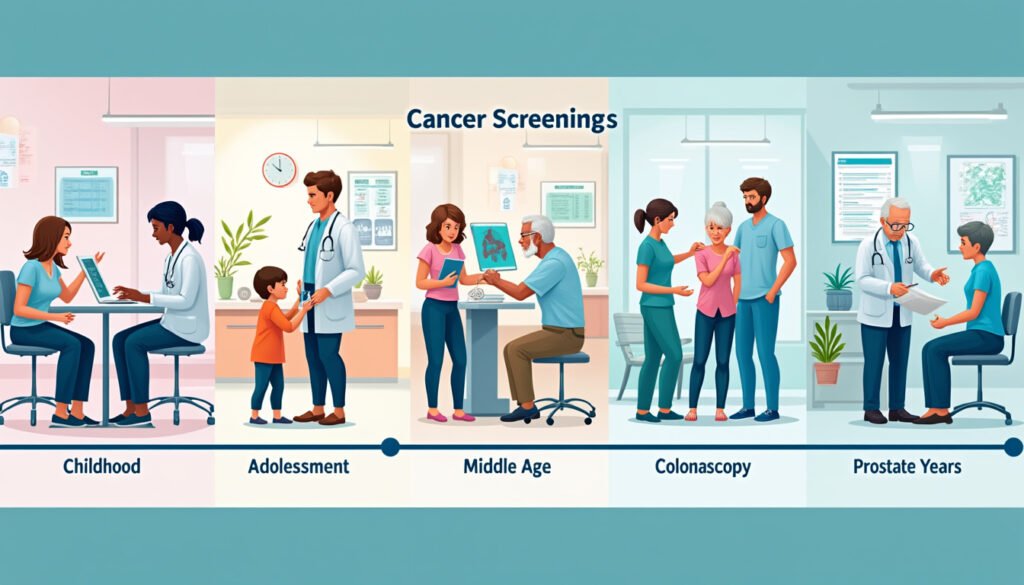
In 2025, the battle against cancer heavily relies on proactive measures, chiefly cancer screenings tailored for every stage of life. Nearly two million new cancer cases are anticipated this year, underscoring the critical role of early detection. Cancer screenings are meticulously designed to identify malignancies before symptoms occur, enhancing treatment outcomes and survival rates. Despite advancements, barriers like fear, lack of insurance, and misinformation often hinder timely screenings. Understanding the right tests for your age, gender, and risk factors, and knowing how to access affordable options, can be lifesaving strategies embraced universally. Trusted sources such as the Mayo Clinic, American Cancer Society, and CDC guide these practices, while advancements reflected in institutions like Memorial Sloan Kettering Cancer Center continue to refine screening protocols.
Comprehensive Cancer Screening Guidelines by Age and Gender
Effective cancer detection starts with age-appropriate screenings. These vary for females and males, influenced by risk profiles and family history. Let’s explore the critical screening milestones for every adult, informed by leading authorities including Johns Hopkins Medicine and the National Cancer Institute.


Screenings for Females: Ages 25 to 39
For women in their late twenties to late thirties, cancer prevention focuses primarily on breast, cervical, and colon cancers. Monthly self-breast exams are strongly encouraged to help women recognize abnormalities early. If a woman has a close relative with colorectal cancer or genetic predispositions such as Lynch syndrome, colon cancer screening may be initiated even before 40. Cervical cancer screening begins at 25 with HPV and Pap tests regardless of vaccination status— a recommendation strongly supported by the US Preventive Services Task Force (USPSTF).
Key Screening Actions for Women 25-39:
- Perform monthly self-breast exams
- Begin HPV and Pap tests annually or as advised
- Consider colon cancer screening if at increased risk
Screenings for Females: Ages 40 to 49
Women approaching their 40s should initiate annual mammograms, with options to begin as early as 40 per personal risk assessments guided by Mayo Clinic standards. Colon cancer screening becomes universally recommended starting at 45 through various methods including stool tests or colonoscopy. Cervical cancer screening intervals may stretch to five years if HPV testing is integrated.
Screening Priorities for Women 40-49:
- Annual mammograms starting between 40-44
- Colon cancer screening at 45 with personalized testing options
- Routine cervical cancer screening every 3-5 years depending on test type
Screenings for Females: Age 50 and Beyond
Women 50 and older face nuanced choices in their screening schedule. Mammograms can shift to biennial frequency at 55, but maintaining monthly self-exams remains crucial. Colon cancer screenings continue if life expectancy exceeds a decade, with cessation considerations starting after 85. Cervical cancer tests may stop at 65 after consistent normal results for ten years. Importantly, low-dose CT scans for lung cancer screening begin at 50 for smokers with a history of 20 pack-years or more.
Essential Screenings for Women 50+:
- Mammograms annually or every two years post-55
- Continued colon cancer screening based on health status
- Cervical cancer tests tapered off after 65 with normal history
- Annual low-dose CT for qualified current or former smokers
Screenings for Males: Ages 25 to 39
Men in this age group should prioritize colon cancer screenings if at increased risk due to family history or genetic factors, mirroring female recommendations. Awareness of personal and familial health contexts can prompt earlier interventions.
Screening Actions for Men 25-39:
- Consider colon cancer testing if high risk
- Maintain awareness of symptoms and health changes
Screenings for Males: Ages 40 to 49
At 45, colon cancer screening should start for average-risk men, with options spanning stool-based tests to colonoscopy consistent with Cleveland Clinic protocols. Men with African American heritage or close relatives with early-onset prostate cancer are advised to discuss prostate cancer testing beginning at 45.
Priority Screenings for Men 40-49:
- Colorectal cancer screening initiation at 45
- Prostate cancer risk discussion and testing planning from 45 if high risk
Screenings for Males: Age 50 and Over
For men above 50, ongoing colon cancer screening is encouraged unless advanced age or health suggests cessation, following recommendations from the National Cancer Institute. Prostate cancer testing conversations are imperative to weigh benefits and risks. Lung cancer screening through annual low-dose CT is advised for qualifying smokers aged 50-80 to enhance early detection based on CDC guidelines.
Screening Essentials for Men 50+:
- Continued colorectal screenings based on life expectancy
- Prostate cancer testing from age 50
- Lung cancer low-dose CT scans if smoking risk criteria met
Accessing Cancer Screenings: Costs and Preparation Tips
Costs can be a major barrier; however, many insurance plans cover routine screenings fully or with minimal out-of-pocket expenses. For those uninsured, local health departments and community health fairs frequently offer free or low-cost cancer screening services. Preparation varies by test: mammograms require avoidance of deodorants, Pap tests necessitate timing outside menstruation and abstention from vaginal products before testing, and colonoscopies involve bowel prep protocols for accuracy.
Preparation Tips for Common Screenings:
- Mammogram: Avoid deodorants and lotions, inform technician of breast implants or breastfeeding
- Pap Test: Schedule outside menstruation, avoid vaginal products and intercourse 48 hours prior
- Stool Tests: Collect multiple samples per instructions
- Colonoscopy: Bowel prep and sedation required for exam
- Low-dose CT Scan: Remove jewelry, expect a 30-minute non-invasive procedure
- Prostate-specific Antigen Test: Avoid ejaculation 48 hours prior to test
Discussing the screening options and preparation with your healthcare provider ensures clarity and reduces anxiety, supporting early diagnosis and successful treatment. For detailed, trusted information, explore resources offered by Verywell Health, American Cancer Society, and Tufts Medicine.
The Crucial Role of Early Detection in Cancer Survival
Engaging in regular cancer screening transforms the course of this formidable disease by catching it in its nascent stages. The American Cancer Society emphasizes how screenings reduce mortality rates by enabling treatments at moments of higher efficacy. Addressing fears and misinformation is paramount; research from institutions like Johns Hopkins Medicine stresses education as a pillar of cancer prevention.
Tackling Barriers to Screening:
- Overcome fear through open patient-provider dialogue
- Expand insurance coverage awareness with guidance from WebMD and USPSTF
- Access free screenings via community programs coordinated by the CDC
- Stay informed about updated guidelines from Cancer Research UK and Memorial Sloan Kettering Cancer Center