



Mastering Meal Planning for Affordable and Nutritious School Lunches
As families face rising grocery prices in 2026, efficiently planning school lunches has become more crucial than ever. Brenda Davy, a registered dietitian nutritionist and expert at Virginia Tech, emphasizes the importance of strategic meal planning to balance budget-friendly choices with nutritious options for children’s school lunches.
Meal planning starts with an understanding of the essentials needed to construct a well-rounded lunch. Striking a balance between macronutrients—proteins, carbohydrates, and healthy fats—and micronutrients such as vitamins and minerals sets the foundation for healthy eating. Davy recommends prioritizing foods that are in season and locally produced because they tend to be fresher and more affordable.
For example, during autumn, small-sized apples are budget-friendly and fit perfectly in a child’s lunchbox. Rotating fruits and vegetables seasonally not only reduces costs but also introduces kids to a variety of flavors and nutrients throughout the year. Parents can maximize nutritional value by combining fresh produce with affordable protein sources like natural peanut butter or legumes.
Building a Weekly Lunch Plan
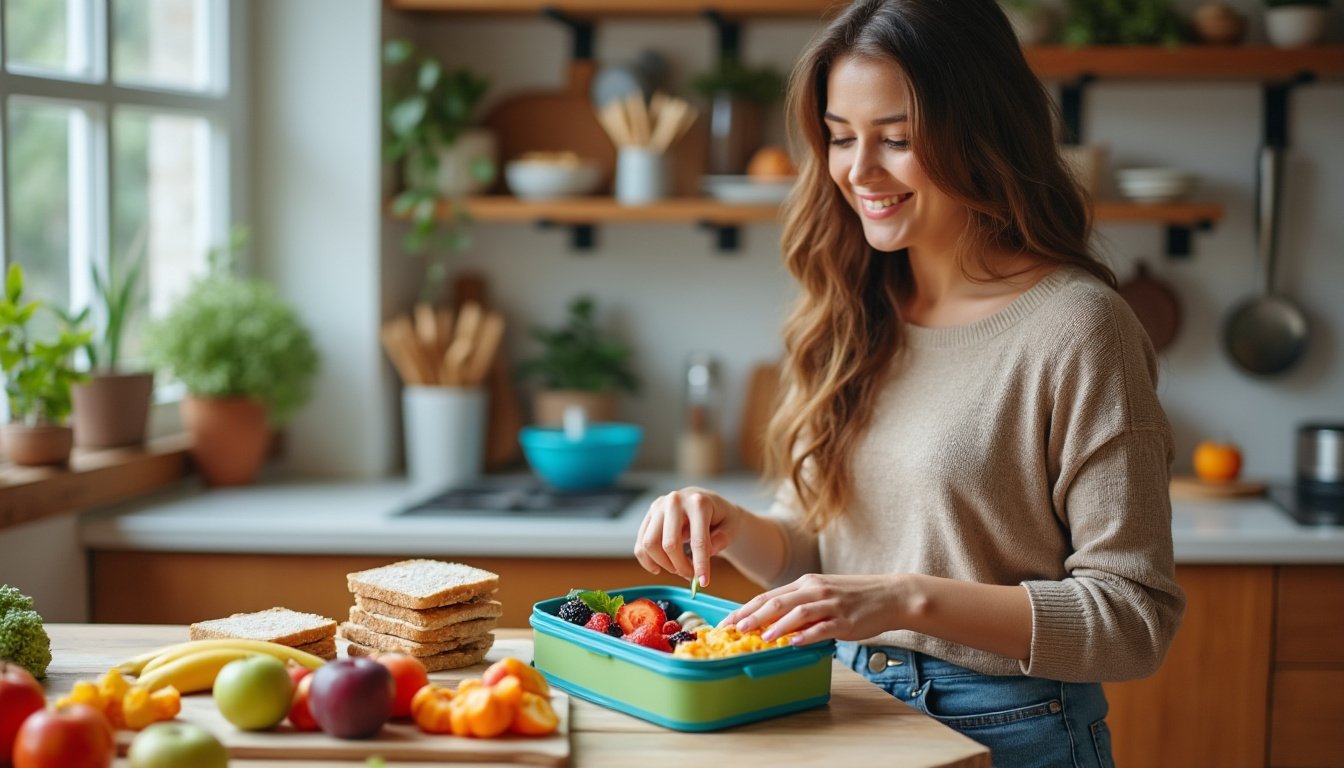
A practical approach involves creating a weekly menu where parents prepare meals in advance or gather ingredients on bulk shopping days. This method mitigates last-minute lunchbox stress and reduces food waste. An example plan might include turkey and cheese wraps, seasonal fruit salad, a handful of nuts, and water for Monday, while Tuesday’s lunch could focus on veggie sticks with hummus, whole grain crackers, and a natural yogurt cup.
Meal planning tools and apps can assist in crafting menus that meet dietary requirements without overspending. Parents interested in further tips may find comprehensive advice in articles like how to pack budget-friendly school lunches particularly useful for organizing meals and shopping lists effectively.
Ultimately, planning ahead prevents the reliance on ultra-processed foods, which contribute significantly to poorer diet quality among children and adolescents. By embedding thoughtful meal preparation in family routines, caregivers can pave the way for healthier lifelong habits.

Choosing Nutritious Ingredients that Stay Within Budget
One of the biggest challenges in packing school lunches is juggling nutrition and cost. Virginia Tech’s dietitian advises that focusing on seasonal and local produce is a powerful strategy to keep expenses down while boosting nutrient intake. In 2026, with inflation affecting food prices globally, conscious ingredient selection can save families considerable money.
For example, opting for store-brand natural peanut butter with minimal ingredients like just peanuts and salt offers a protein-rich, affordable alternative compared to heavily processed national brands. Protein is essential for a child’s growth and cognitive function, so maintaining this component in their meals is key.
Davy also highlights the importance of scrutinizing product labels. Parents should watch out for added sugars, especially in items like applesauce and fruit purees. Choosing products with no or low added sugar contributes to better hydration and reduced calorie intake from sugary drinks. She strongly recommends packing water over juices or sugary beverages to keep children hydrated without unnecessary sugar.
Incorporating wholesome snacks such as nuts, seeds, and unsweetened dried fruits can enrich lunchboxes while avoiding ultra-processed additives. However, vigilance is necessary because many snack mixes contain preservatives and artificial flavors that contribute to the ultra-processed food load, which is already alarmingly high in children’s diets.
To master ingredient selection on a budget, here are some tips inspired by the Virginia Tech expert:
- Buy fruits and vegetables that are in season and sourced locally whenever possible.
- Choose whole grains such as brown rice, whole wheat bread, or quinoa for sustained energy release.
- Select protein sources like natural peanut butter, beans, lean meats, or eggs with no added preservatives.
- Read labels carefully to avoid ultra-processed items with unnecessary additives, especially in snacks.
- Prefer unsweetened beverages like water to avoid excess sugar ingestion.
Following these guidelines leads to lunches that are not only affordable and healthy but also varied and flavorful – key factors to keeping children excited about their meals at school. For more in-depth insights, consider expert resources such as Virginia Tech dietitian shares tips affordable healthy school lunches which delve further into ingredient selection and meal assembly.
Strategies to Minimize Food Waste and Maximize Lunchbox Appeal
Beyond nutrient density and cost, making school lunches appealing and reducing waste are vital components of successful meal planning. The Virginia Tech expert suggests engaging children in lunch preparation to foster excitement and buy-in for healthier choices. When kids feel involved, they’re more likely to eat their meals and less likely to throw food away.
Food waste is a significant concern, both financially and environmentally. Practicing portion control by selecting appropriately sized foods—such as lunchbox-sized apples or snack portions of nuts and seeds—helps ensure children can finish their meals without overwhelming themselves. Offering variety in textures and colors also boosts the visual appeal, which can encourage consumption.
An effective waste-reduction strategy includes repurposing leftovers from family dinners into lunch components. For instance, grilled chicken from the previous night can become sandwich filling, or roasted veggies can be packed into wraps. Moreover, using eco-friendly containers and reusable ice packs not only supports sustainability but helps maintain food freshness and safety.
The daily habit of packing lunches can be transformed into a fun and educational moment, where parents impart knowledge about food choices and nutrition. Acting on expert advice such as Dietician shares tips for healthier, budget-friendly school lunches reveals that developing positive attitudes towards food early in life improves children’s independence and health outcomes in the long term.
Avoiding Ultra-Processed Foods: Importance and Practical Alternatives
One of the critical messages from the Virginia Tech dietitian is the need to limit ultra-processed foods in school lunches. These foods, typically high in added sugars, unhealthy fats, and artificial ingredients, contribute to poor dietary quality among children aged 5–18, who derive over 60% of their daily calories from these products nationwide.
Ultra-processed foods have been linked to negative health consequences including obesity, diabetes, and decreased cognitive function, making it imperative to develop healthier alternatives. Parents can replace chips, sugary snacks, and packaged desserts with home-prepared or less processed alternatives without sacrificing convenience.
Practical Alternatives to Ultra-Processed Options
- Fresh fruits and vegetable sticks: Easy to prepare and naturally nutrient-dense.
- Whole-grain crackers with hummus or cheese: Provides fiber and protein.
- Homemade trail mixes: Combine unsalted nuts, seeds, and dried fruit for a nutritious snack.
- Baked veggie chips: A creative twist on traditional chips with lower sodium and no artificial additives.
- Natural yogurt with fresh fruit: Delivers probiotics and calcium, essential for growth.
Choosing such options aligns with healthy eating principles and helps establish positive patterns that children will carry through adolescence and adulthood. According to Davy, parents hold significant influence during the school lunch packing routine to steer dietary habits away from ultra-processed foods and towards nutrient-rich meals.

Incorporating Child Nutrition and Healthy Hydration Habits in Lunches
Ensuring children receive adequate water and nutrient-dense foods throughout the school day is essential for their physical health and academic performance. Brenda Davy from Virginia Tech highlights water as the preferred hydration choice over fruit juices or sugary drinks, which can add unnecessary calories and contribute to dental issues.
Educating children about the significance of hydration promotes lifelong wellness habits. Packing reusable water bottles alongside the lunch encourages frequent hydration. Pairing water with fresh fruits like watermelon, oranges, or grapes provides natural hydration and important vitamins.
Furthermore, lunches designed with an emphasis on micronutrient-rich foods support optimal brain function, which is critical during school hours. Iron-rich foods such as lean meats, legumes, and leafy greens, along with vitamin C-rich items to enhance iron absorption, should be regularly included.
Some creative ideas to weave child nutrition into lunchboxes include:
- Including colorful vegetables to provide antioxidants and fiber.
- Incorporating a small serving of dairy or fortified plant-based alternatives for calcium.
- Introducing whole fruits instead of fruit juice pouches to reduce added sugars.
- Rotating proteins to maintain interest and nutrient balance.
- Encouraging involvement in lunch selection to boost adherence and reduce waste.
By focusing on these aspects, parents not only feed their kids but also nurture essential healthy habits, demonstrated by research and aligned with expert advice available through resources like parent nutrition tips from Virginia Tech. The synergy between good nutrition and hydration creates a supportive environment for children’s flourishing during their educational journey.
How can I keep school lunches nutritious without spending too much?
Focus on seasonal, locally sourced fruits and vegetables, choose store-brand natural peanut butter, prepare meals ahead of time, and avoid ultra-processed foods to balance nutrition and cost effectively.
Why should ultra-processed foods be limited in my child’s lunch?
Ultra-processed foods are often high in added sugars, unhealthy fats, and additives, which can negatively impact children’s health and contribute to poor dietary quality.
What are some easy alternatives to sugary drinks for kids?
Water is the best alternative; complemented by fresh fruits rich in natural water content like oranges or watermelon, it supports hydration without added sugars.
How important is it to involve children in packing their lunches?
Involving children encourages them to take interest in their food, leading to healthier eating habits and less food waste since they are more likely to eat meals they helped prepare.
What proteins are recommended for budget-friendly lunches?
Affordable proteins like natural peanut butter, eggs, beans, and lean cuts of meat provide essential nutrients without breaking the bank.