



The Biological Clock and Chronotype: Understanding Early Risers
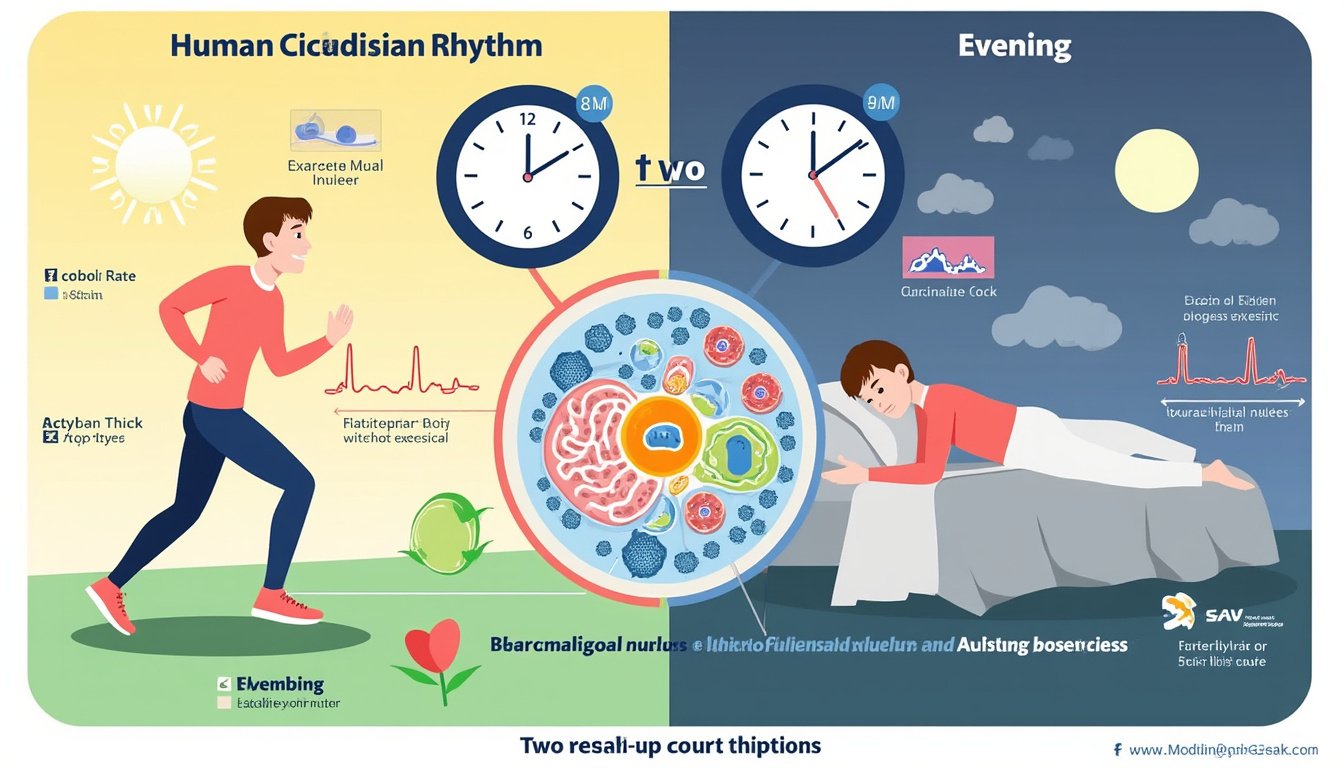
The science of why some people naturally wake up early and others prefer late nights hinges on the intricate workings of the biological clock inside our bodies. This internal timekeeper, known scientifically as the circadian rhythm, governs not only when we feel sleepy or awake but also influences our metabolism, hormone secretion, and cognitive performance throughout the day.
Central to this is the concept of chronotypes – essentially the natural predisposition that defines whether a person is an early riser or a night owl. Experts, including Jennifer Martin, PhD from Florida International University, confirm that genetics play a crucial role in shaping these chronotypes. Families tend to share sleep preferences because specific genes influence the length and timing of the circadian rhythm.
People with a biological clock that completes a cycle in slightly less than 24 hours are inclined to feel sleepy earlier in the evening and wake up well before dawn. Kenneth P. Wright Jr., PhD, from the University of Colorado Boulder, highlights that these early risers undergo an earlier rise in melatonin – the hormone responsible for initiating sleep – in the night, followed by an earlier decline in the morning, which promotes early wakefulness.
Conversely, those whose internal clocks run longer than 24 hours tend to feel more alert late into the night and find waking early quite difficult. The timing of hormone fluctuations, like melatonin and cortisol, differs significantly between these groups, explaining the physiological basis of their sleep patterns.
Additionally, morning people exhibit a notably earlier surge in cortisol levels as dawn approaches. According to Jamie M. Zeitzer, PhD from Stanford University, this cortisol awakening response primes the cardiovascular system and boosts energy levels, preparing the body to become active during morning hours. This hormonal sequence underpins why some individuals can rise naturally at early hours, feeling refreshed without the need for alarms or caffeine.
This biological variance is why the popular phrase “early to bed, early to rise” aligns so closely with the lifestyle and health benefits experienced by those who match their chronotype to their daily routine. The alignment between the biological clock and external daily timing is essential for optimal physical and mental wellbeing and is supported by sleep science findings published in respected research journals.

Environmental Influences on Sleep Patterns: How Habits Shape Wakefulness
While genetics provide the foundation for an individual’s chronotype, environmental factors and daily habits wield powerful influence over sleep schedules and overall alertness levels. Experts emphasize that most people are not purely early risers or night owls but fall somewhere on a broad spectrum with some flexibility.
One of the most significant environmental cues affecting the body’s internal clock is exposure to natural light. Morning sunlight acts as a synchronizer, reinforcing the circadian rhythm to promote earlier wake times. Kenneth Wright Jr., PhD, recommends morning walks or spending time near bright windows as effective ways to cue the brain for wakefulness and help shift a delayed sleep-wake cycle earlier.
By contrast, exposure to artificial light, especially in the evening, can delay melatonin release, thus pushing back the sleep onset time. Screens from electronic devices emit blue light, which specifically inhibits melatonin production, making it harder for night owls or late types to fall asleep early. Reducing screen time before bed and using dim lighting can help realign sleep patterns closer to an early riser’s schedule.
Consistency also matters greatly. A regular sleep-wake schedule, regardless of chronotype, helps stabilize the circadian rhythm and improve sleep quality. This means going to bed and waking up at the same times daily, even on weekends. Exercise, particularly when performed earlier in the day, boosts sleep quality and promotes alertness in the morning, according to findings from the Department of Integrative Physiology at the University of Colorado Boulder.
Other lifestyle factors influence sleep timing as well. Consuming caffeine late in the day, napping irregularly, or having a stressful evening routine may prolong wakefulness and negatively impact energy the following morning. These factors showcase the complex interplay of habit and biology that shapes when and how well people sleep.
To summarize, while your chronotype is deeply embedded biologically, effective management of light exposure and daily activities empowers even night owls to make meaningful shifts toward earlier, more refreshing wake times. This interplay presents a hopeful perspective for those wanting to align their rhythms better for improved daytime functioning and wellbeing. For deeper insight, visit HowStuffWorks on early birds and night owls.
Genetic Foundations of Being a Morning Person: Recent Discoveries
Recent advancements in genetic research have shed new light on the biological basis behind the natural tendency to wake early. Modern studies reveal that thousands of genomic loci influence our internal clocks and sleep-wake behaviors.
A breakthrough study highlighted by Discover Magazine in 2026 identified over 300 genetic variants associated with morningness and eveningness, supporting the theory that our predisposition toward being an early riser or a night owl is not merely behavioral but deeply genetic. This genetic insight links sleep patterns to mental health outcomes, with early risers typically exhibiting lower risks for depression and schizophrenia.
Jennifer Martin, PhD, points out that these genetic factors dictate the pace and timing of circadian rhythm cycles, which then determine when sleep hormones such as melatonin and cortisol rise and fall. This molecular timing influences not just when someone feels sleepy but also their peak cognitive alertness window.
Understanding these genetic components is transforming how professionals approach sleep disorders and personalized wellness plans. Tailoring routines around a person’s innate sleep biology can greatly enhance productivity, mood stability, and overall health. Genetic testing for chronotype predispositions is becoming more accessible, enabling practical applications for aligning work schedules and lifestyle choices.
Moreover, the relationship between genes and environmental inputs emphasizes the multi-layered complexity of sleep science. While genetics set the baseline, environmental adjustments can fine-tune rhythms, as pointed out in a Forbes article discussing waking up early and productivity strategies in modern work environments.
The implications of such genetic research stretch beyond individual health, impacting organizational operations, educational settings, and societal norms around work and rest. As early risers are often more alert and productive in the morning, some companies are even experimenting with flexible schedules to capitalize on employees’ chronotype strengths, maximizing efficiency and wellbeing across the workforce.
This emerging understanding empowers us to see waking early as a product of both nature and nurture, where science and daily choices converge to shape an individual’s unique sleep-wake profile.
How Hormones Regulate Wakefulness and Sleep: Expert Insights into the Morning Biological Shift
The role of hormones in controlling sleep-wake cycles is another fascinating dimension of sleep science. Sleep hormones such as melatonin and cortisol orchestrate the transitions between sleep and wakefulness by regulating brain activity and bodily functions aligned with the biological clock.
Jamie M. Zeitzer, PhD, notes that melatonin production rises in the evening to prepare the body for sleep, creating that natural sense of tiredness many experience after sundown. Its decline during early morning hours is a critical signal that transitions the brain from sleep mode to alertness. Early risers typically have an earlier onset and offset of melatonin compared to night owls, making their biological morning naturally earlier.
Cortisol, often recognized as the “stress hormone,” actually has a distinct daily rhythm that complements melatonin’s pattern. Its levels spike in the early morning to boost energy, metabolism, and cardiovascular readiness for the day ahead. This cortisol awakening response is essential for early risers feeling naturally energetic soon after waking.
This hormonal interplay not only governs feeling awake but also influences cognitive performance. Research indicates that synchronization between cortisol rise and the cognitive alertness window facilitates decision-making, concentration, and memory retention—areas where early risers often outperform night owls during morning hours.
The timing of sleep hormones also impacts mood regulation. Disruptions to these natural rhythms, often caused by irregular sleep schedules or light pollution, can lead to decreased wakefulness, sluggishness, or even mood disorders. Maintaining a rhythm that supports healthy hormone cycles is therefore a vital consideration for mental and physical health.
Practical tips from experts include enhancing morning light exposure to stimulate cortisol production and dimming lights in the evening to support melatonin flow. This dual approach reinforces the internal biological cues essential for waking early effortlessly. Understanding this neurochemical dance is fundamental to appreciating why some individuals naturally thrive as morning people.
For a closer look at the brain’s role in waking up, see this detailed exploration offered by Medium on how the brain wakes up from sleep.
Adjusting Sleep Habits: Can Night Owls Become Morning People?
The question often arises: can night owls train themselves to become early risers? The answer is nuanced. While extreme chronotypes have a strong biological foundation, there is room for behavioral modification to improve morning alertness and overall energy management.
Jennifer Martin explains that most people fall somewhere between extremes and exhibit some malleability in their sleep-wake cycles. Through targeted lifestyle changes, night owls can shift their schedules earlier over time, though complete transformation into an early bird may not be feasible for everyone.
One of the most effective strategies involves manipulating light exposure. Wright emphasizes morning light as the most powerful cue for advancing the circadian rhythm. Simple actions like taking morning strolls outside or sitting by bright windows soon after waking can help adjust the internal biological clock earlier.
In the evening, reducing exposure to blue light from screens and dimming household lighting promotes melatonin production, encouraging earlier sleep onset. Keeping the bedroom dark and cool reinforces this sleep signaling. Consistency is crucial—maintaining this routine daily helps solidify the shifted schedule.
Additionally, managing caffeine intake — avoiding stimulants late in the afternoon and evening — and establishing calming pre-sleep rituals improve sleep quality and make waking early more comfortable.
For many, the intent isn’t necessarily to become a natural morning person but to create a schedule sufficient for restful sleep and fulfilling daily obligations with better alertness. Jamie Zeitzer notes, however, that without these strict habits, extreme night owls tend to revert to their intrinsic tendencies over time.
Here is a practical list of expert-backed methods to foster earlier waking habits:
- Prioritize exposure to natural morning light through outdoor activities or window sitting.
- Maintain a fixed wake-up and bedtime, even on weekends.
- Limit evening screen time and use blue light filters on electronic devices.
- Create a dark, quiet, and cool bedroom environment for sleep.
- Avoid caffeine and heavy meals at least 4-6 hours prior to bedtime.
- Incorporate regular physical exercise, but complete it earlier in the day.
- Practice relaxation techniques such as meditation or reading before bedtime.
Adopting these approaches can improve the quality of sleep and gradually facilitate earlier wakefulness, supporting personal and professional productivity. The broader cultural trend towards flexible work schedules takes notice of such scientific insights, fostering environments where individuals can align work hours with their chronotype strengths. For an in-depth understanding of productivity benefits tied to waking early, see Forbes’ analysis on what science says about waking up early and productivity.
What determines if someone is an early riser or a night owl?
Your natural tendency to be a morning person or night owl is primarily influenced by your circadian rhythm and chronotype, which are shaped by genetics and biological processes within your body.
Can night owls change their sleep patterns to become early risers?
While extreme night owls have a hardwired biological preference for late sleep, many people can shift their sleep schedules earlier by adjusting light exposure, maintaining consistent routines, and improving sleep hygiene.
How do hormones like melatonin and cortisol affect wakefulness?
Melatonin signals the body to prepare for sleep and rises in the evening, while cortisol increases in the morning to promote wakefulness and energy, coordinating the body’s transition from sleep to alertness.
Why is morning light important for adjusting sleep cycles?
Morning light serves as a powerful cue to synchronize your biological clock, encouraging earlier melatonin decline and cortisol increase, which help advance your sleep-wake cycle to align with earlier wake times.
Are early risers generally healthier than night owls?
Studies suggest that natural early risers may have lower risks of certain mental health conditions like depression and schizophrenia; however, overall health depends on aligning sleep patterns with personal chronotype and maintaining good sleep habits.